Goat Butter: A Gourmet Product Revolutionising Canarian Cuisine
- Published
- Section
- Canarian gastronomy
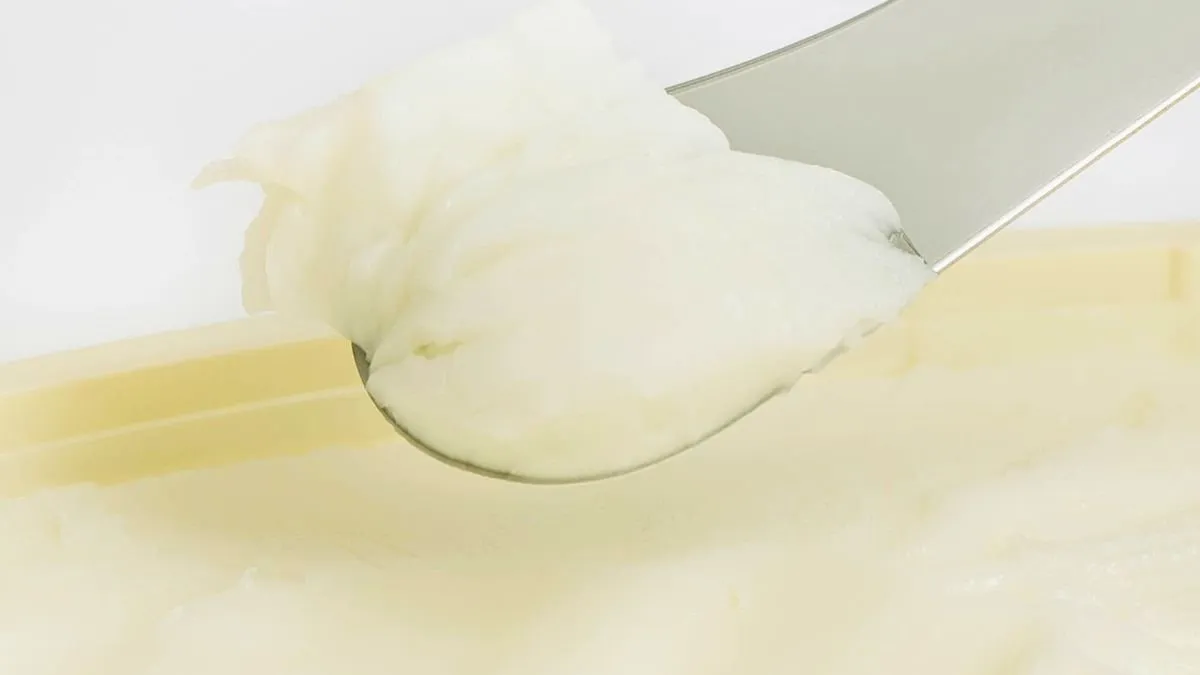
Goat butter has become a star ingredient in gourmet cooking, especially in Canarian gastronomy. This product, which combines tradition and innovation, is gaining popularity among professional chefs and cooking enthusiasts alike for its unique flavour and versatility. In this article, we explore this fascinating dairy product in depth and discover why it is causing a sensation in the culinary world.
History and Tradition of the Canarian Goat: A Gastronomic Journey Through Time
What is Goat Butter?
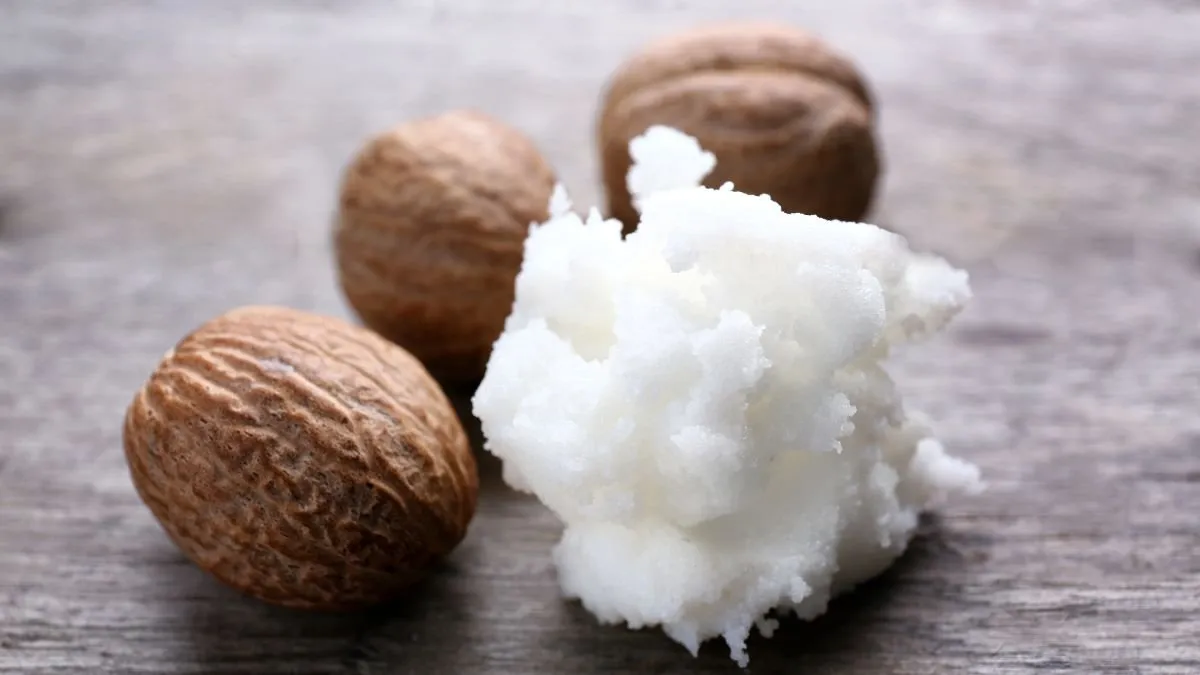
Goat butter is a dairy product made from goat’s milk cream. Unlike its bovine counterpart, goat butter has unique characteristics that make it stand out in the world of gastronomy.
| Characteristic | Goat Butter | Cow's Butter |
|---|---|---|
| Colour | Ivory white | Pale to deep yellow |
| Texture | Softer and creamier | Firm and compact |
| Melting point | Lower (melts easily) | Higher |
| Flavour | Mild, with characteristic goaty notes | Rich and creamy |
| Digestibility | Easier to digest | Can be heavier for some people |
The unique composition of goat’s milk gives this butter particular nutritional benefits. It is rich in medium-chain fatty acids, which are easier to digest and metabolise. It also contains higher levels of vitamins A and K, as well as minerals such as calcium and potassium.
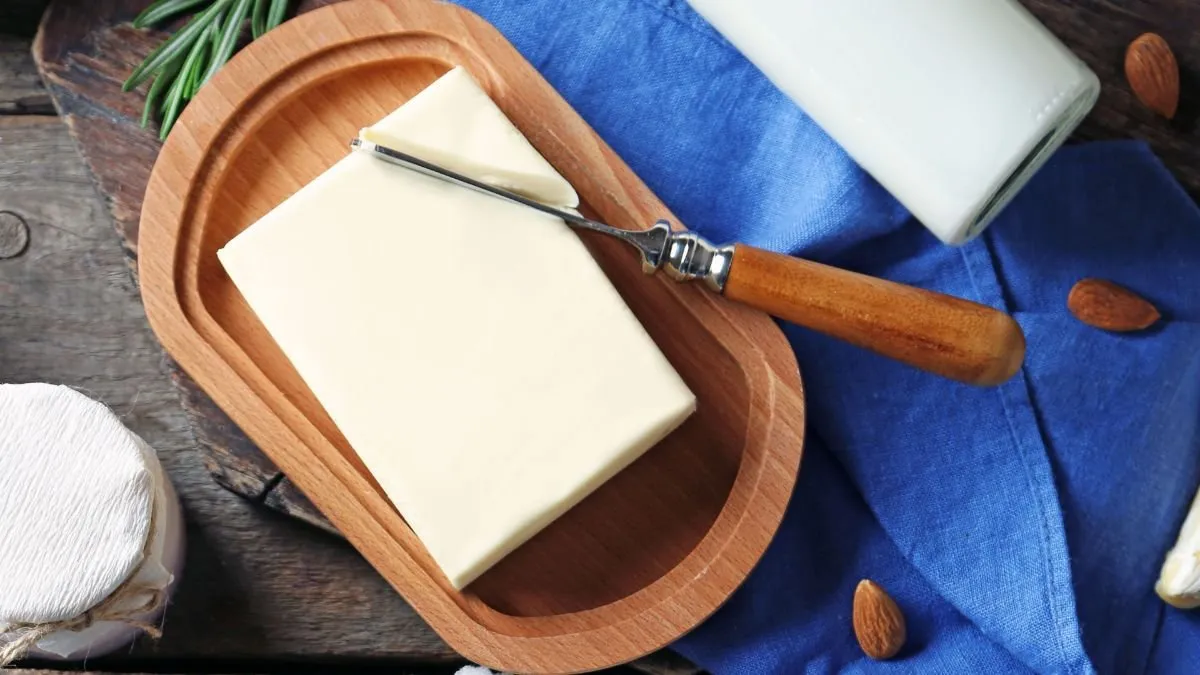
Goat Butter: A Gourmet Revolution in 6 Key Points
- Unique Origin: Made with fresh milk from Canarian goats, known for their high quality and distinctive flavour.
- Culinary Versatility: Ideal for signature cuisine, pastry-making and as a gourmet accompaniment. It adapts to both traditional and innovative dishes.
- Nutritional Benefits: Rich in medium-chain fatty acids, vitamins A, D, E, K and essential minerals. Easier to digest than cow’s butter.
- Sustainability: Supports environmentally responsible farming practices and helps preserve native goat breeds.
- Gourmet Quality: Creamy texture, mild flavour with herbaceous notes. Used in Michelin-starred restaurants such as Taste 1973.
- Local Impact: Fosters the economic development of rural communities in the Canary Islands and preserves culinary traditions.
Production Process
Making goat butter is an artisanal process that requires care and precision. At Taste 1973, our Michelin-starred restaurant, we have perfected this process to obtain a product of the highest quality. The basic steps are:
- Milk selection: We use fresh milk from Canarian goats, known for their high quality.
- Pasteurisation and ripening: The milk is pasteurised and then left to ripen to develop complex flavours.
- Churning and separation: The cream is churned until it separates into butter and buttermilk.
- Working and moulding: The butter is worked to distribute moisture evenly and then moulded.
- Packaging and preservation: It is carefully packaged to preserve its freshness and flavour.
Organoleptic Properties
Goat butter stands out for its unique sensory characteristics:
- Flavour: Mild and delicate, with subtle notes reminiscent of fresh goat’s milk.
- Texture: Incredibly creamy and smooth, melting easily in the mouth.
- Aroma: Lightly sweet, with a characteristic herbaceous touch from the Canarian pastures.
Canarian Goat Meat Maturation Techniques: Canarian Innovation
Culinary Applications
The versatility of goat butter makes it a star ingredient in both traditional cooking and fine dining. At Taste 1973, we use it in a range of innovative dishes that fuse Canarian tradition with avant-garde culinary techniques.
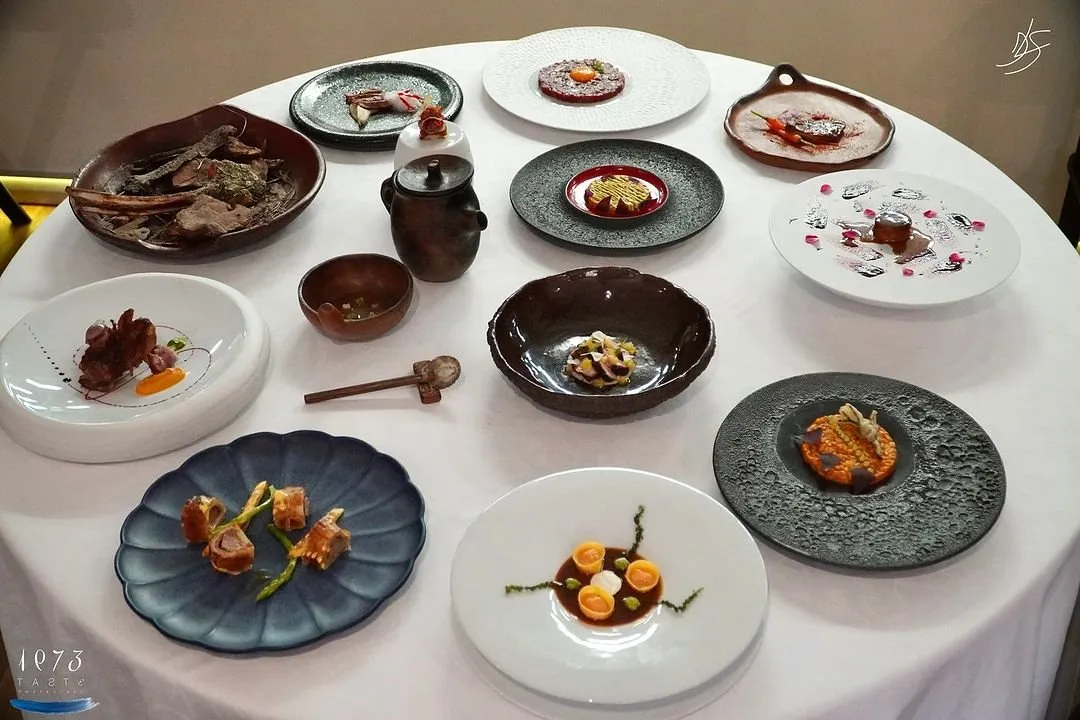
Recipe: Pumpkin Risotto with Goat Butter and Aromatic Herbs
This recipe shows how goat butter can elevate a classic dish to new culinary heights.
| Ingredients | Amount (Metric) | Amount (Imperial) |
|---|---|---|
| Arborio rice | 300 g | 10.5 oz |
| Diced pumpkin | 200 g | 7 oz |
| Goat butter | 50 g | 1.75 oz |
| Vegetable stock | 1 L | 34 fl oz |
| Chopped onion | 1 | 1 |
| Dry white wine | 100 ml | 3.4 fl oz |
| Aromatic herbs (thyme, rosemary) | To taste | To taste |
| Salt and pepper | To taste | To taste |
Instructions:
- Sauté the onion in a pan with a little goat butter until translucent.
- Add the rice and toast lightly. Add the white wine and let it evaporate.
- Add the diced pumpkin and begin adding the hot stock gradually, stirring constantly.
- When the rice is almost cooked, add the chopped aromatic herbs.
- Remove from the heat and add the remaining goat butter, stirring until fully incorporated.
- Season with salt and pepper to taste. Serve immediately.
This dish highlights the smoothness and unique flavour of goat butter, perfectly complementing the sweetness of the pumpkin and the aroma of the herbs.
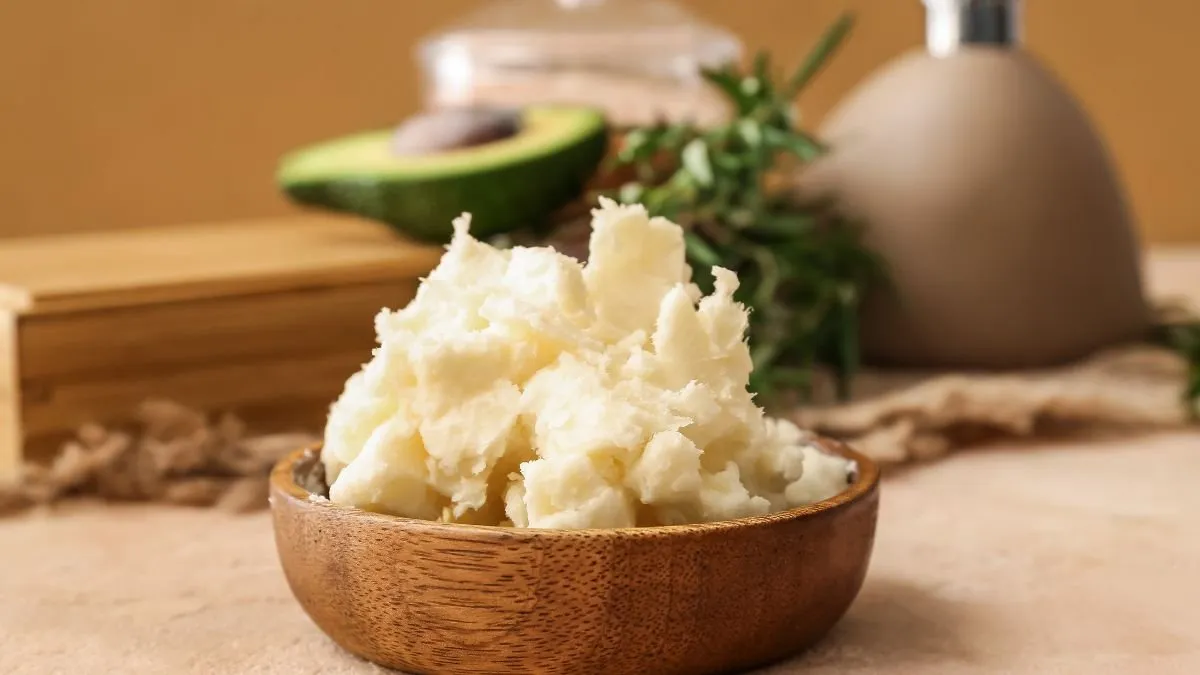
Goat Butter in Fine Dining
In our new cookbook, we explore in depth how goat butter is revolutionising fine dining. Internationally renowned chefs are incorporating this product into their creations, taking advantage of its unique flavour and exceptional culinary properties.
At Taste 1973, we use goat butter in a variety of innovative applications:
- As a base for delicate sauces to accompany local fish.
- In the making of fresh pasta, adding a silky texture and a subtle flavour.
- As a finishing touch on vegetable dishes, enhancing their natural flavours.
Nutritional and Health Aspects
Goat butter stands out not only for its flavour but also for its nutritional properties. In collaboration with CSIC and ICIA, we have studied the benefits of this product:
- Higher content of medium-chain fatty acids, which are easier to digest.
- A healthier lipid profile compared with cow’s butter.
- A rich source of vitamins A, D, E and K.
- Significant content of minerals such as calcium, potassium and selenium.
Sustainable Production and Support for the Local Economy
Goat butter production in the Canary Islands goes hand in hand with sustainable practices and support for the local economy. Our study on matured goat meat has shown how the goat farming industry can be a pillar of the sustainable economy on the islands.
By choosing local goat butter, consumers are supporting:
- Environmentally responsible farming practices.
- The preservation of native Canarian goat breeds.
- The economic development of rural communities.
How to Store and Preserve Goat Butter
To maintain the quality and freshness of goat butter, follow these tips:
- Store at a temperature between 0°C and 4°C (32°F – 39°F).
- Keep in an airtight container to prevent it from absorbing odours.
- Consume preferably within 2-3 weeks of opening.
- It can be frozen for up to 6 months, but it is best enjoyed fresh.
Where to Find Quality Goat Butter
For anyone interested in exploring the world of goat butter, we recommend:
- Visiting Taste 1973 to try dishes made with our artisanal goat butter.
- Exploring local markets and gourmet shops in the Canary Islands.
- Contacting local producers directly for the freshest product.
Goat butter represents the perfect fusion of tradition and innovation in Canarian gastronomy. Its unique flavour, culinary versatility and nutritional benefits make it an essential ingredient for professional chefs and cooking enthusiasts alike. By incorporating this product into your cooking, you will not only be elevating your culinary creations but also supporting sustainable practices and the local economy of the Canary Islands.
Nutritional Benefits of Matured Canarian Goat Meat: A Canarian Gastronomic Treasure