History and Tradition of the Canarian Goat: A Gastronomic Journey Through Time
- Published
- Section
- Canarian gastronomy
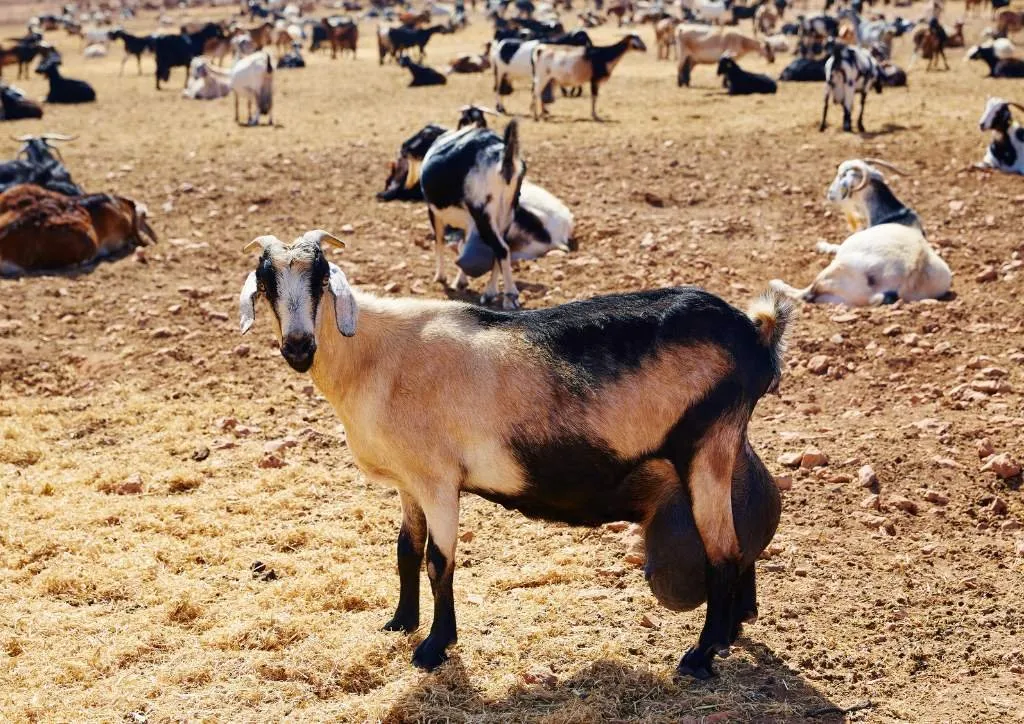
The Canarian goat, an icon of the culture and gastronomy of the Canary Islands, has been a fundamental pillar in the life of the islanders for centuries. From aboriginal times to the present day, this animal has played a crucial role in the islands’ economy, diet and traditions.
In this article, we take a stroll through the fascinating history and rich tradition surrounding the Canarian goat, as well as its influence on the innovative contemporary gastronomy that is capturing the attention of chefs and gourmets around the world.
Origins of the Canarian Goat
The history of the goat in the Canary Islands dates back to the time of the first settlers. These animals, known for their hardiness and adaptability, were introduced by the Canarian aborigines more than 2,000 years ago.
- Arrival: It is believed that the first goats arrived with Berber settlers from North Africa.
- Adaptation: They quickly adapted to the volcanic terrain and arid climate of the islands.
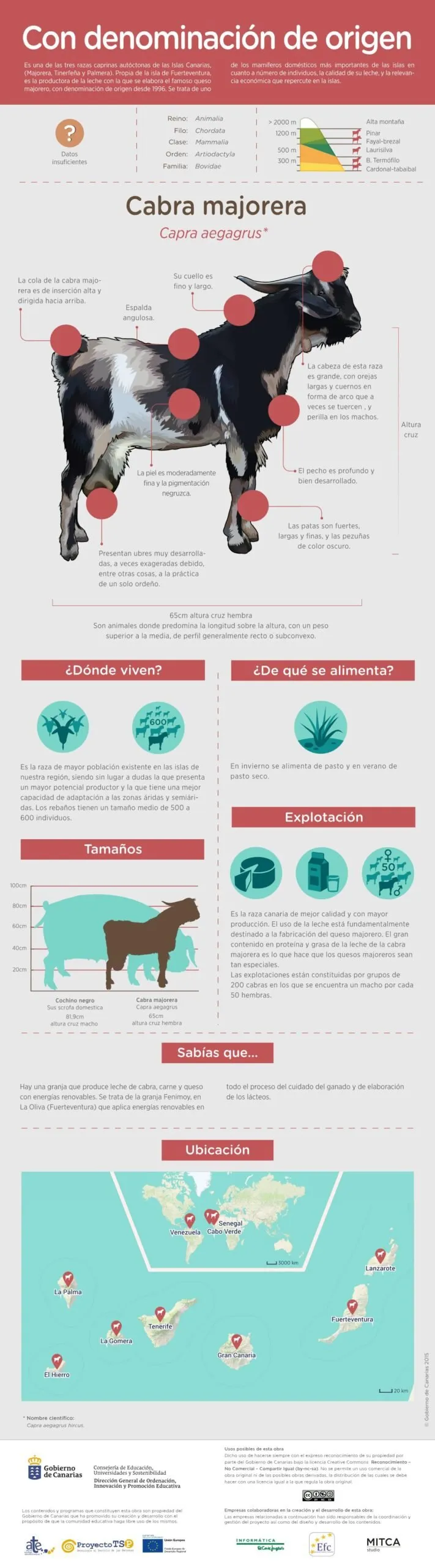
- Evolution: Over the centuries, unique native breeds such as the Majorera Goat and the Palmera Goat were developed.
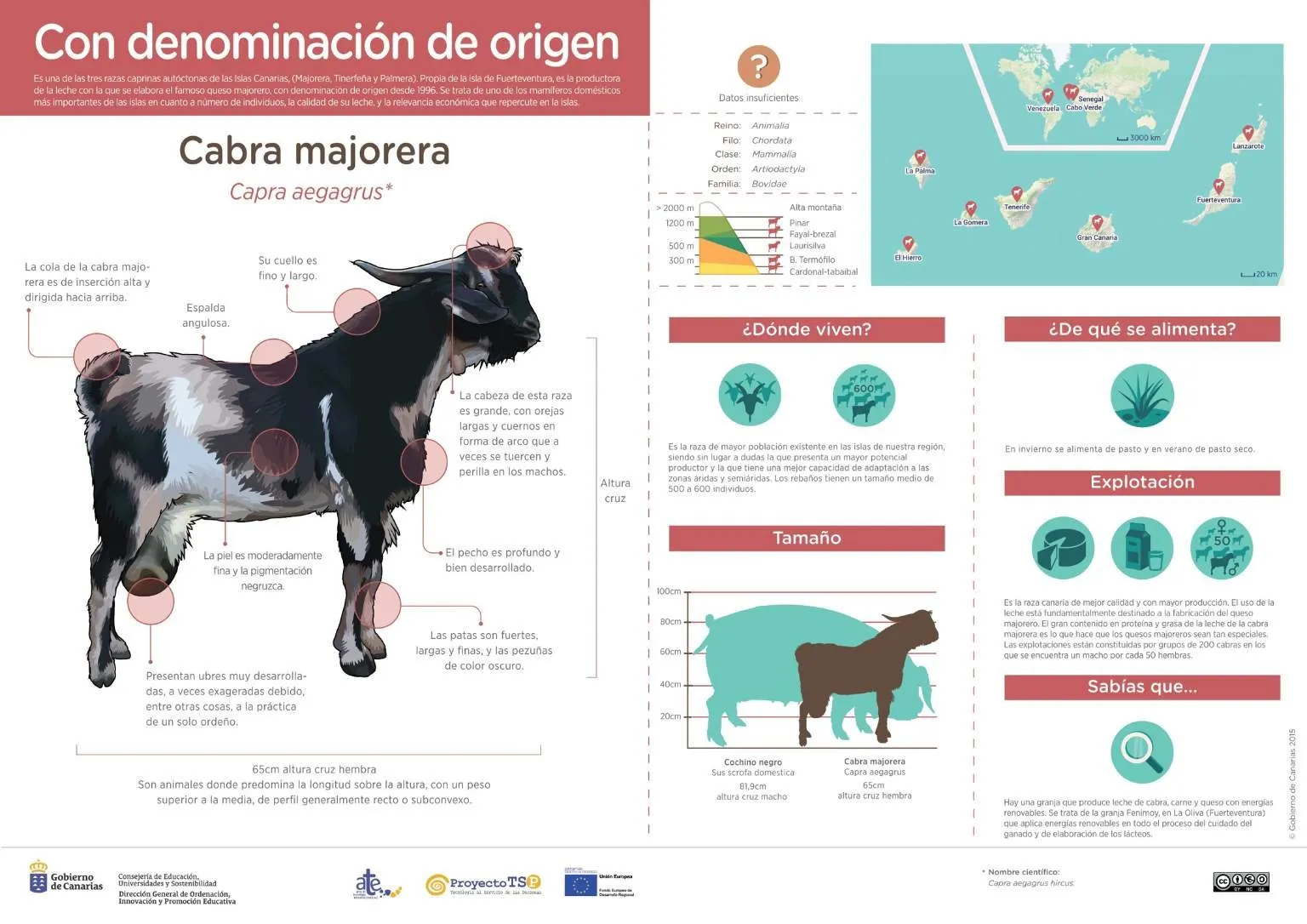
The Goat in Aboriginal Canarian Society
For the Guanches and other aboriginal Canarian peoples, the goat was a vital resource that formed an integral part of their daily life and culture.
| Use | Description |
|---|---|
| Food | Meat and milk as the main sources of protein |
| Clothing | Hides used to make clothes and footwear |
| Tools | Bones and horns used to make utensils |
| Rituals | Present in religious and social ceremonies |
The importance of the goat in aboriginal culture is reflected in the development of cheesemaking techniques, a tradition that has endured to this day. In fact, aboriginal Canarian cheese is now the subject of study and reappraisal in modern gastronomy.
Evolution of Goat Farming in the Canary Islands
Over time, goat breeding became a fundamental economic activity for the islands. Goat farming evolved to adapt to the changing needs of the population and the market.
- Breed development: Traits such as milk production and meat quality were enhanced.
- Expansion: Goat breeding spread across all the islands, adapting to the different microclimates.
- Rural economy: It became a pillar of the economy in rural and mid-altitude areas.
The Goat in Traditional Canarian Gastronomy
Goat meat and goat dairy products have for centuries been the basis of numerous traditional Canarian dishes. This cuisine, born of necessity and perfected over generations, is today a culinary treasure that attracts gourmets from all over the world.
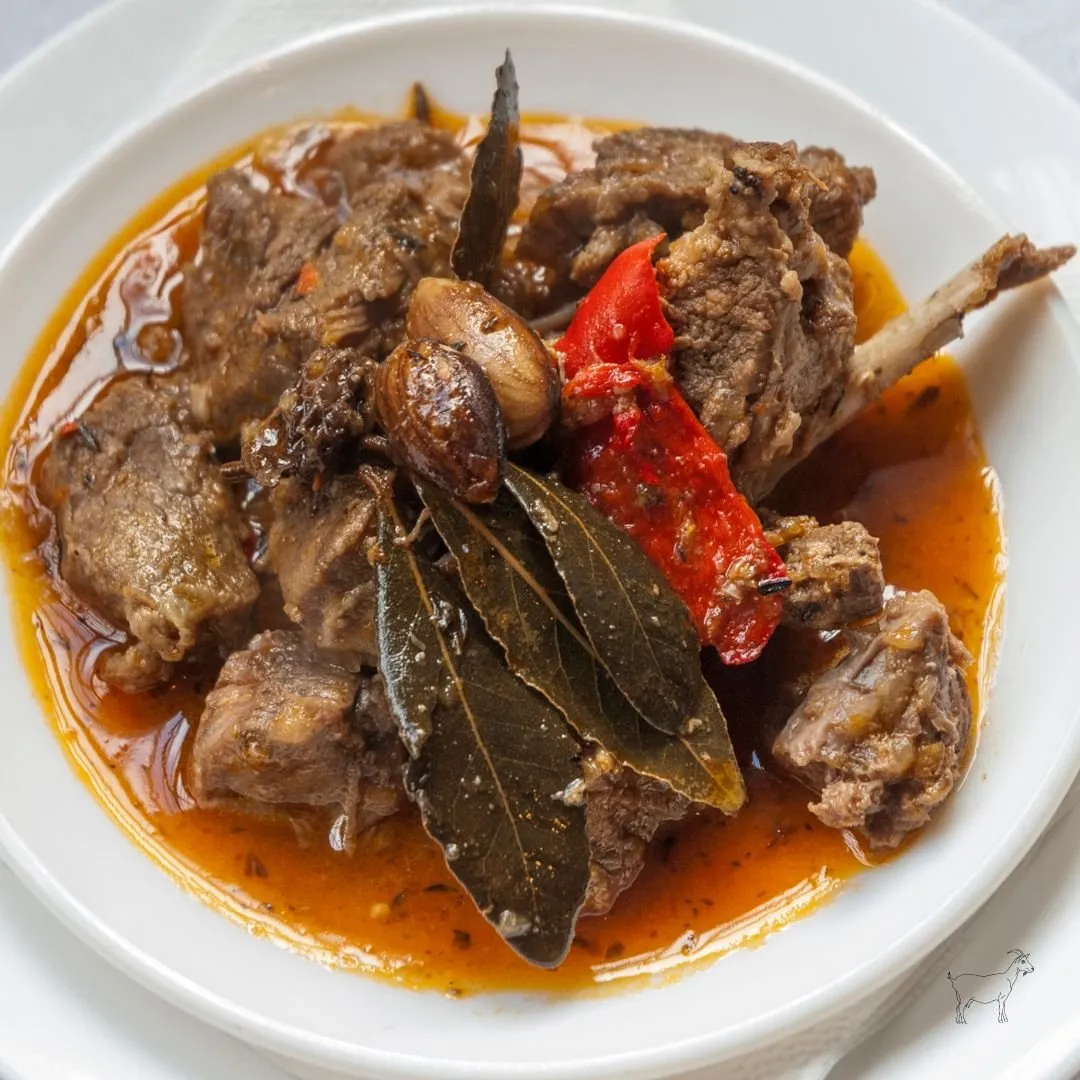
Traditional Dishes with Goat Meat
- Goat meat in sauce: A traditional stew with tender meat and local spices.
- Roast kid: A delicacy reserved for special occasions.
- Puchero canario: A stew that often includes goat meat among its ingredients.
Canarian Goat Cheeses
Canarian goat cheeses are internationally recognised for their quality and unique flavour. Varieties such as Majorero Cheese (PDO) or Palmero Cheese (PDO) are examples of the islands’ cheesemaking excellence.
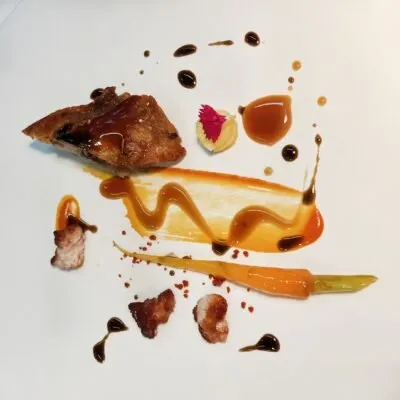
Today, innovative chefs such as Diego Schattenhofer are taking these traditional products to new culinary heights, experimenting with modern techniques such as goat meat maturation.
Sustainability and Adaptation to the Land
Goat farming in the Canary Islands is an example of sustainability and adaptation to the environment. These animals have played a crucial role in preserving the landscape and rural economy of the islands.
- Drought resistance: Canarian goats can survive with little water and scarce vegetation.
- Landscape maintenance: Controlled grazing helps prevent wildfires and maintain biodiversity.
- Resource use: They can feed on plants that other animals do not eat.
The Canarian Goat in the Twenty-First Century
Today, we are witnessing a renaissance of interest in the Canarian goat, both from a gastronomic and a scientific point of view.
Gastronomic Innovation
Renowned chefs are rediscovering the potential of goat meat and goat dairy products. A notable example is the study of matured goat meat, which is revolutionising the way this traditional product is prepared and consumed.
Research and Development
Institutions such as CSIC and ICIA are carrying out pioneering research into the nutritional and culinary properties of the Canarian goat, helping to raise its profile in the global market.
Related Festivities and Traditions
The goat remains a central feature of numerous celebrations and events in the Canary Islands:
- Feria de Ganado de San Antonio Abad (San Antonio Abad Livestock Fair): Held annually on several islands.
- Fiesta del Queso (Cheese Festival) in Guía de Isora: A tribute to Tenerife’s cheesemaking tradition.
- Concurso de Quesos de Canarias (Canary Islands Cheese Competition): An event that recognises excellence in cheese production.
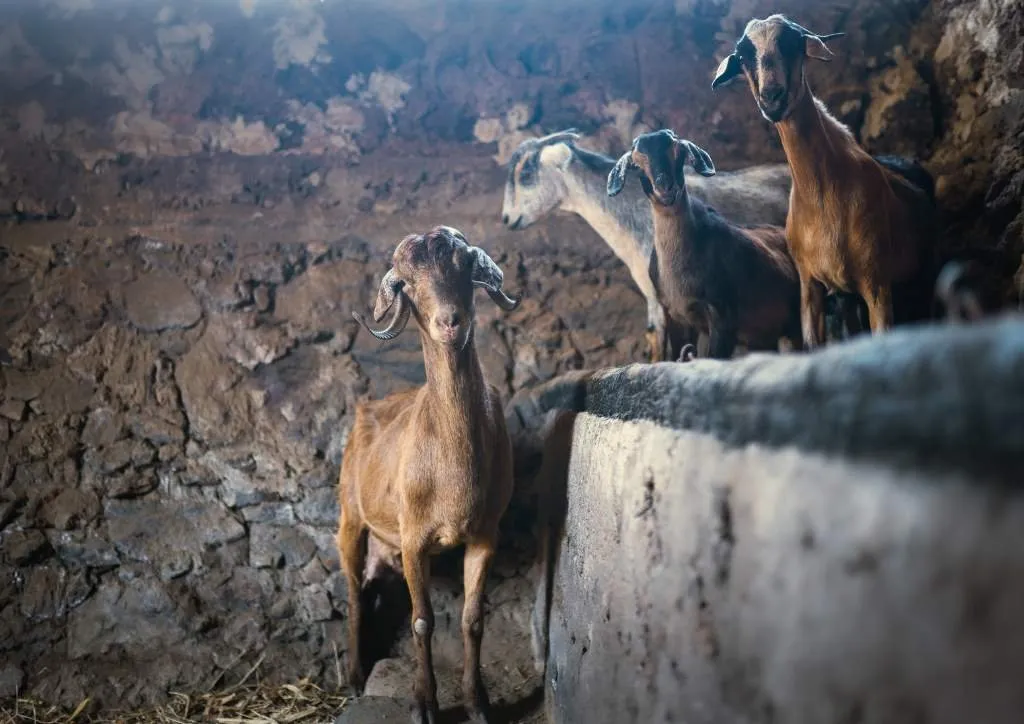
The Goat in Canarian Gastronomic Tourism
The growing interest in local gastronomy has turned the Canarian goat into a tourist attraction in its own right.
- Cheese Routes: Itineraries that visit artisan cheese dairies on several islands.
- Gastronomic experiences: High-end restaurants, such as Taste 1973, offer innovative dishes based on goat products.
- Cheesemaking workshops: Activities that allow visitors to learn traditional techniques.
The history and tradition of the Canarian goat is a testament to the rich cultural and gastronomic heritage of the Canary Islands. From its origins in aboriginal times to its role in innovative contemporary cuisine, the goat has been and continues to be a fundamental element of Canarian identity.
Today, thanks to the work of visionary chefs, passionate researchers and committed producers, the Canarian goat is living a new chapter in its long history. Its meat, milk and dairy products are being rediscovered and revalued, offering new culinary possibilities and contributing to the sustainable development of the islands.
For those interested in exploring Canarian gastronomy and its innovations further, we invite you to discover the magic of matured goat meat, a technique that is revolutionising traditional cuisine and opening up new gastronomic horizons.
Frequently asked questions
What are the most common goat breeds in the Canary Islands?
How has the goat influenced the islands' economy throughout history?
Which traditional Canarian dishes use goat meat?
How is Canarian gastronomy innovating with goat products?
What nutritional benefits does goat meat offer?
You may also like
Wine Pairing with Matured Goat Meat: A Canarian Gastronomic Experience
Canarian gastronomy
History of Goat Farming in the Canary Islands: A Thousand-Year Legacy
Canarian gastronomy
Artisan Goat's Milk Cheeses: Unique Flavours from the Canary Islands
Canarian gastronomy