The Magic of Matured Goat Meat: An Evolution Through Interdisciplinary Scientific Research
- Published
- Section
- Cooking
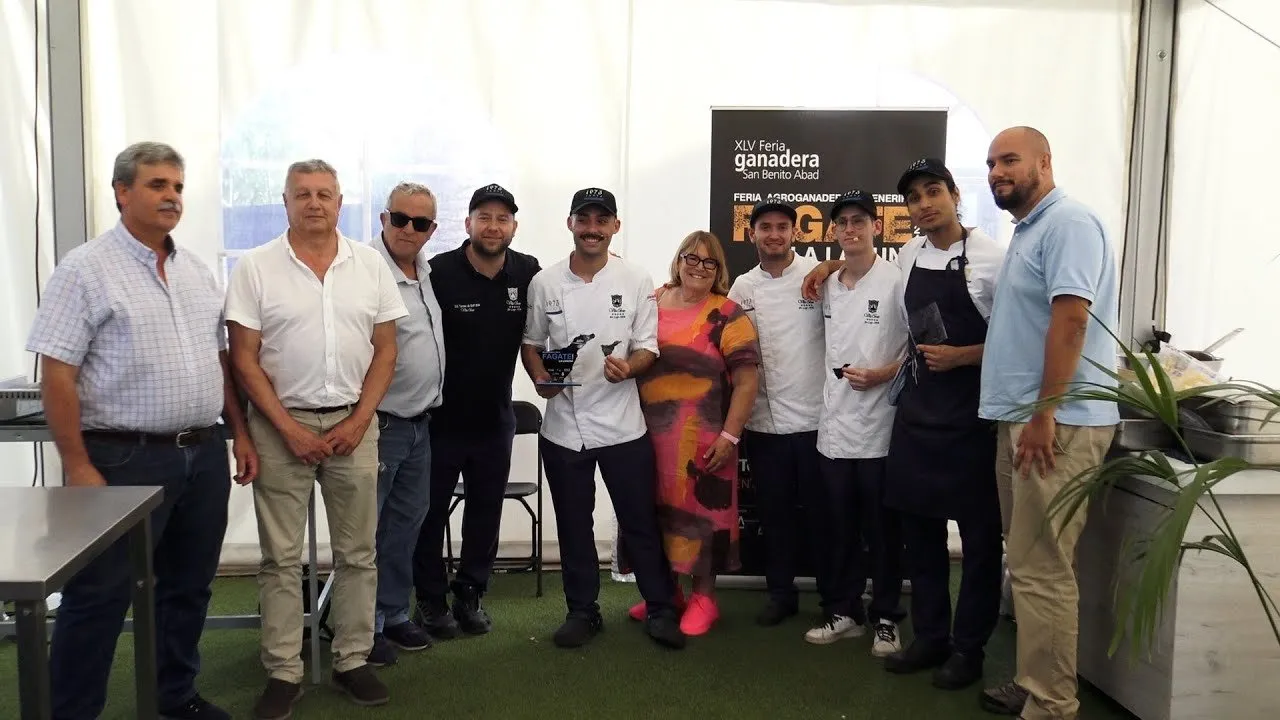
The resurgence of goat in Canarian cuisine
Canarian gastronomy is undergoing a genuine culinary revolution, with matured goat meat as its undisputed star. This gastronomic renaissance has once again put the spotlight on an animal that has been fundamental to the history and culture of the Canary Islands: the goat.
The culinary scientific study led by chef Diego Schattenhofer and Dr Marichu Fresno has revealed the untapped potential of goat meat, transforming a product traditionally considered rustic into a delicacy worthy of fine dining. Culinary innovation applied to this native ingredient has produced matured goat meat with exceptional organoleptic properties, marking a turning point in how this product is perceived.
Goals of the gastronomic innovation project
The gastronomic innovation project centred on matured goat meat pursues several ambitious goals:
- Improving gastronomic quality: Through a controlled enzymatic process, the aim is to enhance the flavour and tenderness of goat meat, raising its status to that of a gourmet product.
- Optimising meat processing: The research focuses on refining maturation techniques, establishing long-maturation protocols that guarantee improved texture and a complex flavour profile.
- Product diversification: Beyond meat, the project explores the production of other derived products, such as goat butter, widening the range of options for gourmet consumers.
- Sustainability and full use of the animal: The aim is to maximise the use of every part of the animal, contributing to more sustainable, efficient production.
- Fostering interdisciplinary collaboration: The project brings together chefs, scientists, livestock farmers and producers, creating an ecosystem of innovation around Canarian gastronomy.
Tenerife tastes with its sense of smell: Diego Schattenhofer's sensory revolution
Expected impact on local culinary culture and tourism
The gastronomic revolution driven by matured goat meat promises to have a significant impact on several fronts:
- Revaluing Canarian gastronomy: Applying avant-garde techniques to traditional products raises the profile of local cuisine, positioning it as a benchmark of culinary innovation.
- Attracting gastronomic tourism: The offer of unique, high-quality products such as matured goat meat has the potential to attract a specialised, high-value tourism segment.
- Strengthening cultural identity: By showcasing an ingredient so deeply rooted in Canarian tradition, the connection between gastronomy and the islands’ cultural identity is reinforced.
- Economic boost: The development of premium goat-derived products can open up new market opportunities for local producers, contributing to the growth of the agri-food sector.
- Encouraging continuous innovation: The success of this project can act as a catalyst for future research and development initiatives in gastronomy and food production in the Canary Islands.
This innovative project is not only transforming perceptions of goat meat, but is also laying the foundations for a new era in Canarian gastronomy, one where tradition and cutting-edge innovation merge to create unique, memorable culinary experiences.
The Goat: A Pillar of Today’s Canarian Gastronomy
History and tradition of the goat in the Canary Islands
The goat has, since time immemorial, been a fundamental element of the culture and gastronomy of the Canary Islands. Its presence in the archipelago dates back to pre-Hispanic times, when the aboriginal Guanches already bred these animals for their versatility and adaptability to the volcanic terrain.
Over the centuries, the goat has become established as a symbol of resilience and survival in a frequently hostile environment. Its meat and milk have been pillars of the traditional Canarian diet, sustaining generations of islanders and shaping emblematic dishes that today form an integral part of Canarian gastronomy.
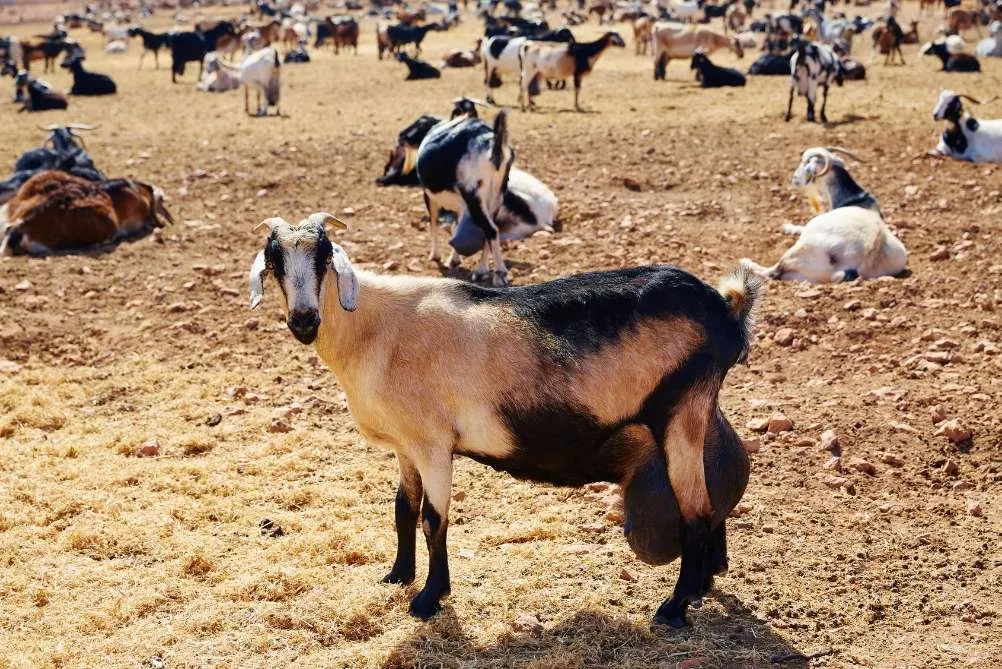
Unique characteristics of the Canarian goat
The Canarian goat, adapted to the islands’ particular climate and geography, has characteristics that set it apart from other goat breeds:
- Resilience: Able to survive on arid, rugged terrain typical of the Canarian landscape.
- Feed efficiency: Makes effective use of native vegetation, including species other animals cannot digest.
- Milk quality: Produces milk rich in fat and protein, ideal for making traditional cheeses.
- Lean meat: Its meat is naturally low in fat, making it a healthy, versatile choice for cooking.
These unique characteristics have laid the groundwork for today’s culinary innovation, allowing chefs such as Diego Schattenhofer to explore new gastronomic possibilities with matured goat meat.
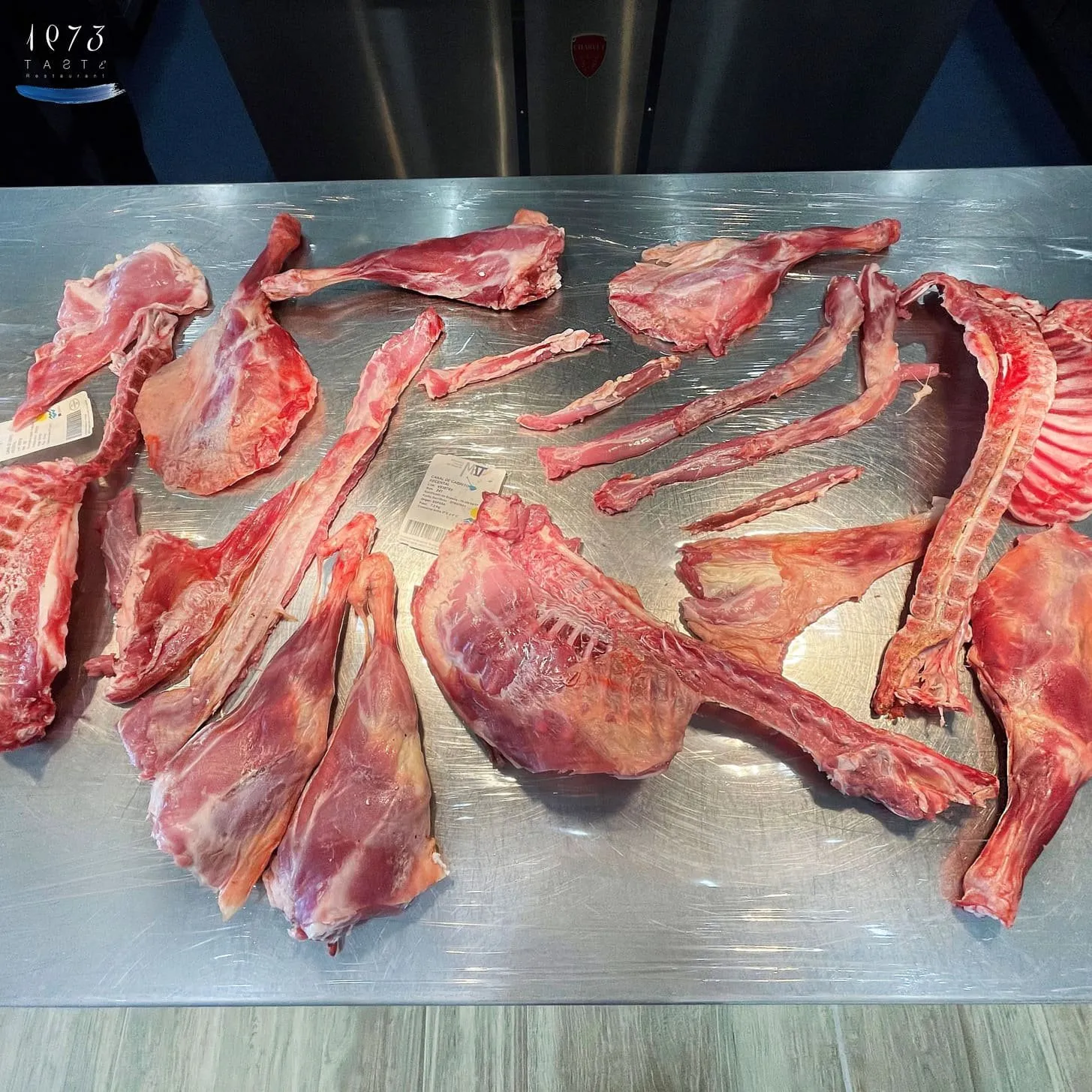
Economic and cultural importance of goat farming in the archipelago
The goat-farming sector in the Canary Islands goes beyond the purely economic, intertwining with the archipelago’s cultural identity:
Economic impact:
- Dairy production: The production of artisan cheeses, many with Protected Designation of Origin status, represents a significant source of income for rural communities.
- Meat: Traditionally eaten at celebrations and special events, goat meat is undergoing a resurgence thanks to innovation in its processing.
- Gastronomic tourism: Growing demand for authentic culinary experiences has positioned goat products as a draw for gourmet consumers and tourists interested in local gastronomy.
Cultural relevance:
- Festivities: Many traditional Canarian festivals centre on the goat, such as the “Fiesta del Queso” (Cheese Festival) in Fuerteventura.
- Craftsmanship: Goat hide is used to make traditional objects, from musical instruments to typical garments.
- Sustainability: Goat breeding helps maintain the rural landscape and preserve ancestral farming practices.
Recent gastronomic research led by Dr Marichu Fresno has revealed the untapped potential of Canarian goat meat. The culinary scientific study on the maturation of this meat has shown significant improvements in its organoleptic properties, opening up new possibilities for its use in fine dining.
This rediscovery of the Canarian goat, now elevated to a gourmet product thanks to long-maturation techniques, is transforming the perception of Canarian gastronomy both locally and internationally. Matured goat meat, with its improved flavour and tenderness, is becoming an ambassador of the islands’ gastronomic quality, reinforcing the link between tradition and culinary innovation that characterises modern Canarian cuisine.
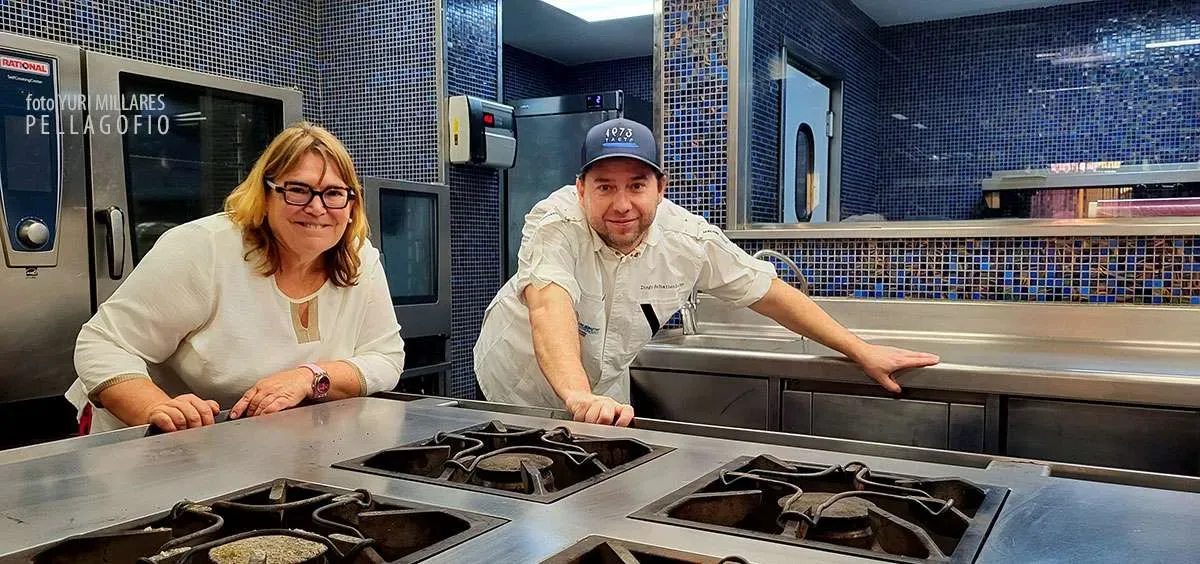
Innovation in the Production of Goat Products
The artisan process of making goat butter
Selection and characteristics of goat milk
Making goat butter begins with the careful selection of milk. Canarian goats produce milk with unique characteristics:
- High fat content (5.7% on average)
- Balanced fatty-acid profile
- Mild, distinctive flavour
The quality of the milk is essential for obtaining excellent butter, which is why rigorous control is carried out from milking through to processing.
Diego Schattenhofer: The Culinary Magician Revolutionising Canarian Gastronomy
Fat extraction and processing techniques
The process of making goat butter combines traditional techniques with modern innovations:
- Skimming: The cream is separated from the milk by centrifugation.
- Cream ripening: The cream is left to rest at a controlled temperature to develop complex flavours.
- Churning: The matured cream is agitated to form butter grains.
- Washing: Whey residues are removed to improve preservation.
- Working: The butter is worked to evenly distribute moisture and salt (if added).
This artisan process, overseen by experts such as Dr Marichu Fresno, guarantees a high-quality goat butter.
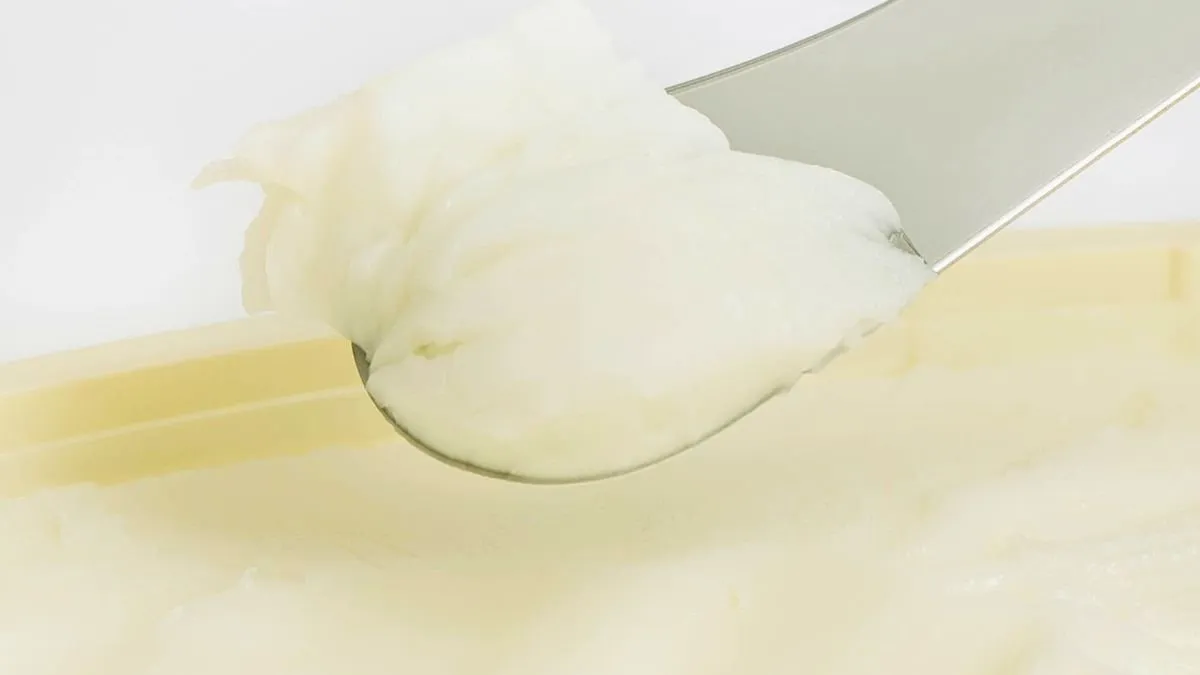
Nutritional benefits of goat butter
Goat butter offers significant nutritional advantages:
- Rich in medium-chain fatty acids, which are easy to digest
- Contains butyric acid, beneficial for gut health
- Provides fat-soluble vitamins (A, D, E and K)
- A source of CLA (conjugated linoleic acid), with anti-inflammatory properties
These benefits make goat butter an attractive option for health-conscious gourmet consumers.
Goat meat maturation project
Scientific fundamentals of the maturation process
The maturation of goat meat is a complex enzymatic process that significantly improves its organoleptic properties. The scientific fundamentals include:
- Proteolysis: Breakdown of muscle proteins that increases tenderness
- Lipolysis: Breakdown of fats that contributes to flavour development
- Controlled oxidation: Generates desirable aromatic compounds
Chef Diego Schattenhofer, working alongside researchers, has optimised this process for Canarian goat meat.
Methodology of the study with 30 specimens
The culinary scientific study was carried out with a rigorous approach:
- Selection of 30 Canarian goat specimens of similar age and weight
- Division into control and experimental groups
- Application of different maturation techniques:
- Dry maturation
- Wet maturation
- Mixed maturation
- Control of parameters such as temperature, humidity and maturation time
- Sensory evaluation by a panel of experts
- Instrumental analysis of texture, pH and chemical composition
Preliminary results and future prospects
The results of the study have been promising:
- Improved tenderness: Matured goat meat showed a significant reduction in shear force.
- Intensified flavour: Umami notes and a complex aromatic bouquet developed.
- Improved texture: A juicier, more tender texture was achieved, comparable to premium meats.
These advances in meat processing open up new prospects for Canarian gastronomy:
- Development of new cuts and presentations for fine dining
- Potential to compete with matured meats from other species, such as beef
- Export opportunities to international gourmet markets
Culinary innovation around matured goat meat is transforming the perception of this traditional product, raising it to new gastronomic heights and contributing to the evolution of contemporary Canarian cuisine.
Multidisciplinary Collaboration: The Key to Success
Actors involved in the project
| Actor | Key contribution |
|---|---|
| Livestock farmers | – Breeding goats adapted to Canarian terrain – Optimising feed – Implementing management techniques to reduce animal stress |
| Abattoirs and maturation rooms | – Investment in cutting-edge technology – Implementation of hygiene and safety protocols – Monitoring and adjusting maturation parameters |
| Chefs and fine-dining restaurants | – Developing new culinary techniques – Creating innovative dishes – Promoting matured goat meat on prestigious menus |
| Research institutions | – Carrying out culinary scientific studies – Analysing nutritional and organoleptic properties – Developing new processing technologies |
Synergies and challenges in cross-sector collaboration
| Synergies | Challenges |
|---|---|
| Exchange of knowledge between science and culinary practice | Aligning objectives across sectors |
| Continuous improvement based on multidisciplinary feedback | Overcoming communication barriers |
| Creating a gastronomic innovation ecosystem | Maintaining consistent standards |
Development opportunities for each sector involved
| Sector | Opportunities |
|---|---|
| Livestock farmers | – Product diversification – Access to premium markets – Valuing native breeds |
| Abattoirs and maturation rooms | – Expertise in advanced techniques – Positioning as centres of excellence |
| Chefs and restaurants | – Access to exclusive ingredients – Culinary innovation and differentiation |
| Research institutions | – Practical application of research – New avenues in molecular gastronomy |
From Field to Table: An Innovative Production Chain
Challenges in implementing the production chain
Transforming traditional goat meat into a high-quality gourmet product has required a complete re-engineering of the production chain. The main challenges include:
- Standardising quality: Ensuring consistency in the flavour and tenderness of matured goat meat across different batches and producers.
- Traceability: Implementing systems that allow the product’s journey from field to the gourmet consumer’s table to be tracked.
- Cold-chain logistics: Maintaining the controlled conditions needed for the enzymatic maturation process during transport and storage.
- Training: Training everyone in the chain in the new meat-processing techniques and product handling.
The magic of eggs in Tenerife: A culinary tribute by Diego Schattenhofer
Strategies for integrating producers and abattoirs
To overcome these challenges, the following strategies have been implemented:
- Standardised protocols: Development of detailed guidelines for breeding, slaughter and initial processing, ensuring the uniformity of the base product.
- Producer associations: Creation of cooperatives that allow small livestock farmers to access technology and knowledge for producing high-quality meat.
- Certification of origin: Implementation of a Protected Designation of Origin (PDO) system for matured goat meat from the Canary Islands.
- Regular audits: Periodic inspections by experts to ensure compliance with quality standards throughout the chain.
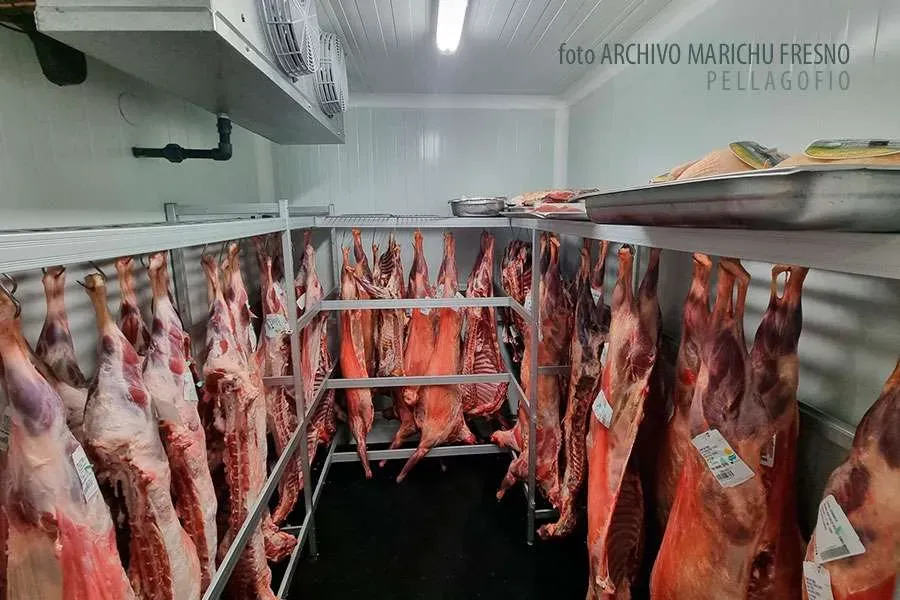
Development of specialised maturation rooms
The heart of innovation in meat processing lies in specialised maturation rooms. These cutting-edge facilities are characterised by:
- Precise environmental control: Automated systems that regulate temperature, humidity and airflow to optimise the maturation process.
- Continuous monitoring: Sensors that record the maturation conditions and the organoleptic properties of the meat in real time.
- Process flexibility: The ability to adjust maturation parameters according to the specific characteristics of each batch of meat.
- R&D integration: Areas dedicated to gastronomic research where chefs such as Diego Schattenhofer and scientists such as Dr Marichu Fresno can experiment with new techniques.
Marketing and distribution of premium goat products
The final stage of the innovative production chain focuses on bringing the finished product to gourmet consumers:
- Innovative packaging: Packaging design that not only protects the product’s organoleptic properties but also communicates its premium character.
- Specialised distribution channels: Partnerships with gourmet distributors and delicatessens to ensure the product reaches its target audience.
- Experiential marketing: Organisation of tastings and gastronomic events that allow consumers to appreciate the unique qualities of matured goat meat.
- Consumer education: Development of informational material explaining the long-maturation process and the product’s nutritional benefits.
- Collaboration with fine dining: Strategic alliances with renowned restaurants to include matured goat meat on their menus, raising its profile among culinary enthusiasts.
This innovative production chain has not only raised the gastronomic quality of Canarian goat meat, but has also created a sustainable model that benefits everyone involved, from livestock farmers to end consumers, positioning the Canary Islands as a benchmark in culinary innovation and high-end meat processing.
Making Full Use of the Goat
Innovation in the use of different cuts of meat
The gastronomic research led by chef Diego Schattenhofer and Dr Marichu Fresno has revolutionised the use of matured goat meat, exploring the culinary potential of every cut. This innovation has raised the gastronomic quality of goat meat to previously unimagined levels.
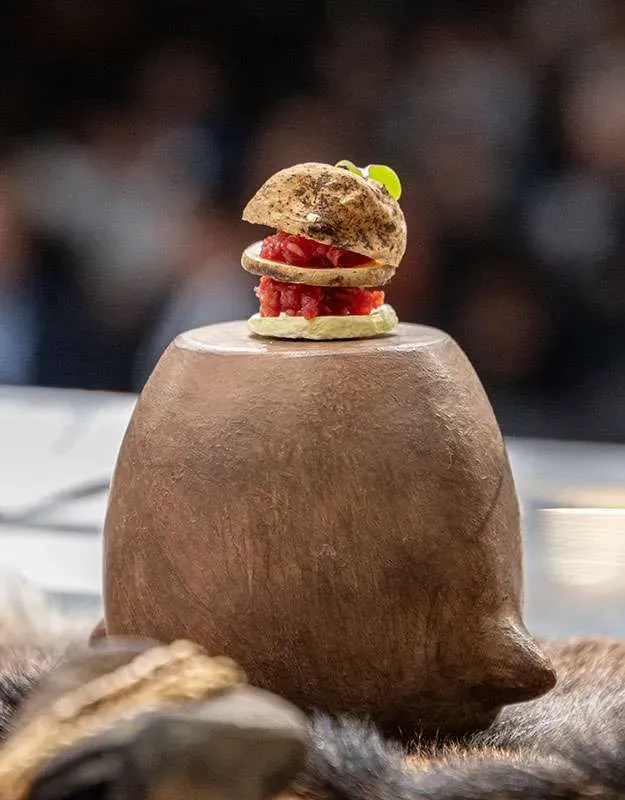
Culinary techniques for the tenderloin and loin
The tenderloin and loin of matured goat have become star cuts in Canarian fine dining. The techniques developed include:
- Extended maturation: Up to 60 days under controlled conditions to enhance flavour and tenderness.
- Low-temperature cooking: Sous-vide at 56°C for 4 hours to preserve juiciness.
- Quick searing: Finished on the griddle at high heat to create a caramelised crust.
- Post-cooking resting: Essential for redistributing juices and improving texture.
These techniques have succeeded in bringing out the unique organoleptic properties of goat meat, offering a taste experience comparable to the most prestigious red meats.
Culinary use of the shoulder
The shoulder, traditionally considered a secondary cut, has undergone a revaluation thanks to innovative culinary techniques:
- Confit in olive oil: Slow, low-temperature cooking to achieve a melting texture.
- Boning and reconstruction: Creation of roulades filled with local aromatic herbs.
- Cold smoking: Using native woods to add subtle smoky notes.
- Enzymatic marinades: Use of Canarian tropical fruits to tenderise and flavour the meat.
These techniques have turned the shoulder into a versatile, highly regarded ingredient in avant-garde Canarian gastronomy.
Delighted with Another Mention of Our Work in the Prestigious Publication 7 Caníbales
Making the most of by-products
The full-use project for the goat is not limited to traditional cuts, but seeks to use every part of the animal in an innovative, sustainable way.
Culinary applications of bones
Bones, once considered waste, are now a valuable ingredient:
- Concentrated stocks: Preparation of high-intensity culinary bases through long cooking.
- Natural gelling agents: Extraction of collagen to create innovative textures.
- Aromatic infusions: Toasting and grinding bones to create unique meat “teas”.
- Activated charcoal: Production of a purifying, natural colouring ingredient.
Development of innovative derived products
The research has given rise to a range of derived products that broaden the use of the goat:
- Goat charcuterie: High-end cured sausages and pâtés made with long-maturation techniques.
- Flavoured goat butter: Infused with herbs endemic to the Canary Islands.
- Skin crisps: Crunchy snacks made from dehydrated, seasoned skin.
- Bone-marrow oil: Extraction of bone marrow to create a gourmet cooking oil.
These products not only represent culinary innovation, but also contribute to the nutritional improvement of Canarian gastronomic offerings, making the most of the inherent benefits of goat meat.
Making full use of the goat has proven to be a fundamental pillar of the Canary Islands’ gastronomic revolution. Through the application of advanced culinary techniques and a scientific approach led by experts such as chef Diego Schattenhofer and Dr Marichu Fresno, every part of the goat has been elevated to gourmet status. This approach has not only enriched Canarian gastronomy, but has also established a model of sustainability and culinary excellence that is drawing the attention of gourmet consumers and internationally renowned chefs.
Impact on Gastronomy and Tourism in the Canary Islands
Elevating the local gastronomic offering
The introduction of matured goat meat to the Canarian culinary scene has brought about a revolution in the local gastronomic offering. This product, the result of a meticulous enzymatic, long-maturation process, has significantly raised the profile of island cuisine:
- Menu diversification: Local restaurants have added innovative dishes based on matured goat meat, expanding their à la carte menus with gourmet options.
- Unique pairings: Local sommeliers have created exclusive combinations between Canarian wines and the intense flavours of matured goat meat.
- Gastronomic workshops: Local chefs offer educational culinary experiences focused on the preparation techniques and organoleptic properties of this product.
Attracting high-end gastronomic tourism
The culinary innovation project led by chef Diego Schattenhofer and Dr Marichu Fresno has positioned the Canary Islands as a top-tier destination for gastronomy lovers:
- Gastronomic routes: Creation of itineraries combining visits to goat farms, maturation rooms and specialised restaurants.
- Culinary festivals: Organisation of annual events celebrating matured goat meat and other local products of high gastronomic quality.
- Premium tourist packages: Development of exclusive experiences including tastings, cooking classes and dinners at fine-dining restaurants centred on innovative Canarian gastronomy.
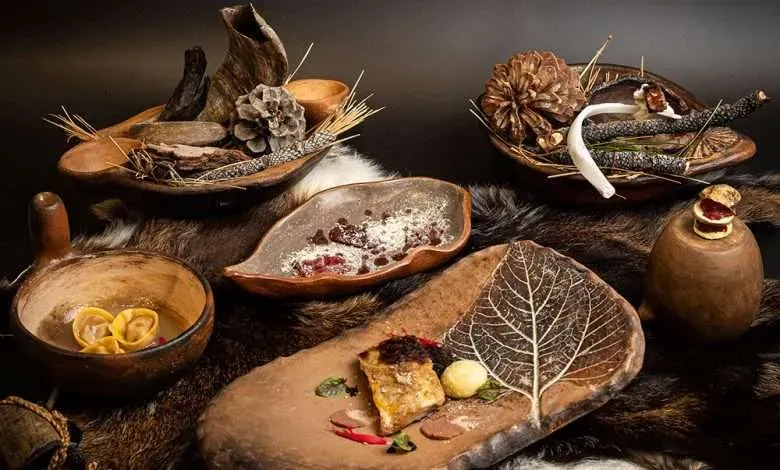
Strengthening Canarian culinary identity
The reinvention of a traditional ingredient such as goat meat has strengthened the islands’ culinary identity:
- Fusion of tradition and innovation: Traditional Canarian dishes reinterpreted with modern techniques and matured goat meat.
- Valuing local products: Greater appreciation and demand for other native ingredients that complement goat meat.
- Local pride: Increased recognition and appreciation among the local population for their gastronomic heritage.
International projection of the islands’ gastronomy
Innovation around matured goat meat has propelled Canarian gastronomy onto the international stage:
- International recognition: Awards and mentions in globally prestigious gastronomic guides.
- Culinary exchanges: Canarian chefs invited to international events to present their creations made with matured goat meat.
- Export of knowledge: The gastronomic research and meat-processing model developed in the Canary Islands is being replicated in other regions.
The impact of this innovation project goes beyond improved gastronomic quality. It has transformed the perception of Canarian gastronomy both locally and internationally. Gourmet consumers now associate the Canary Islands with a sophisticated, unique culinary experience centred on high-quality local ingredients such as matured goat meat.
The synergy between gastronomic tradition, scientific culinary research and innovation in meat processing has created a sustainable model that not only improves the tourist offering, but also strengthens the local economy and preserves the islands’ cultural heritage. Matured goat meat has become a gastronomic ambassador for the Canary Islands, symbolising the perfect fusion between respect for tradition and the boldness of modern culinary innovation.
Fine Dining as a Catalyst: The Role of Restaurant Taste 1973
Chef Diego Schattenhofer’s culinary philosophy
Chef Diego Schattenhofer, awarded a Michelin star, has been instrumental in the Canarian gastronomic revolution centred on matured goat meat. His culinary philosophy rests on three pillars:
- Respect for local produce: Valuing goat meat as a premium ingredient.
- Technical innovation: Applying enzymatic, long-maturation processes to improve flavour and tenderness.
- Fusion of tradition and avant-garde cuisine: Reinterpreting traditional dishes with fine-dining techniques.
This vision has catalysed the transformation of goat meat into a high-quality gourmet product.
Integrating Canarian tradition into fine dining
The Michelin-starred restaurant has succeeded in integrating traditional elements of Canarian gastronomy into a fine-dining context:
- Reviving ancestral recipes: Adapting traditional goat-meat preparations using modern techniques.
- Use of endemic aromatic herbs: Incorporating local botanicals to enhance the flavours of matured meat.
- Pairings with Canarian wines: Creating sensory experiences that fuse goat meat with local winemaking.
This integration has raised the perception of Canarian gastronomy, positioning it as a sophisticated cuisine deeply rooted in its terroir.
Innovation in the presentation of goat products
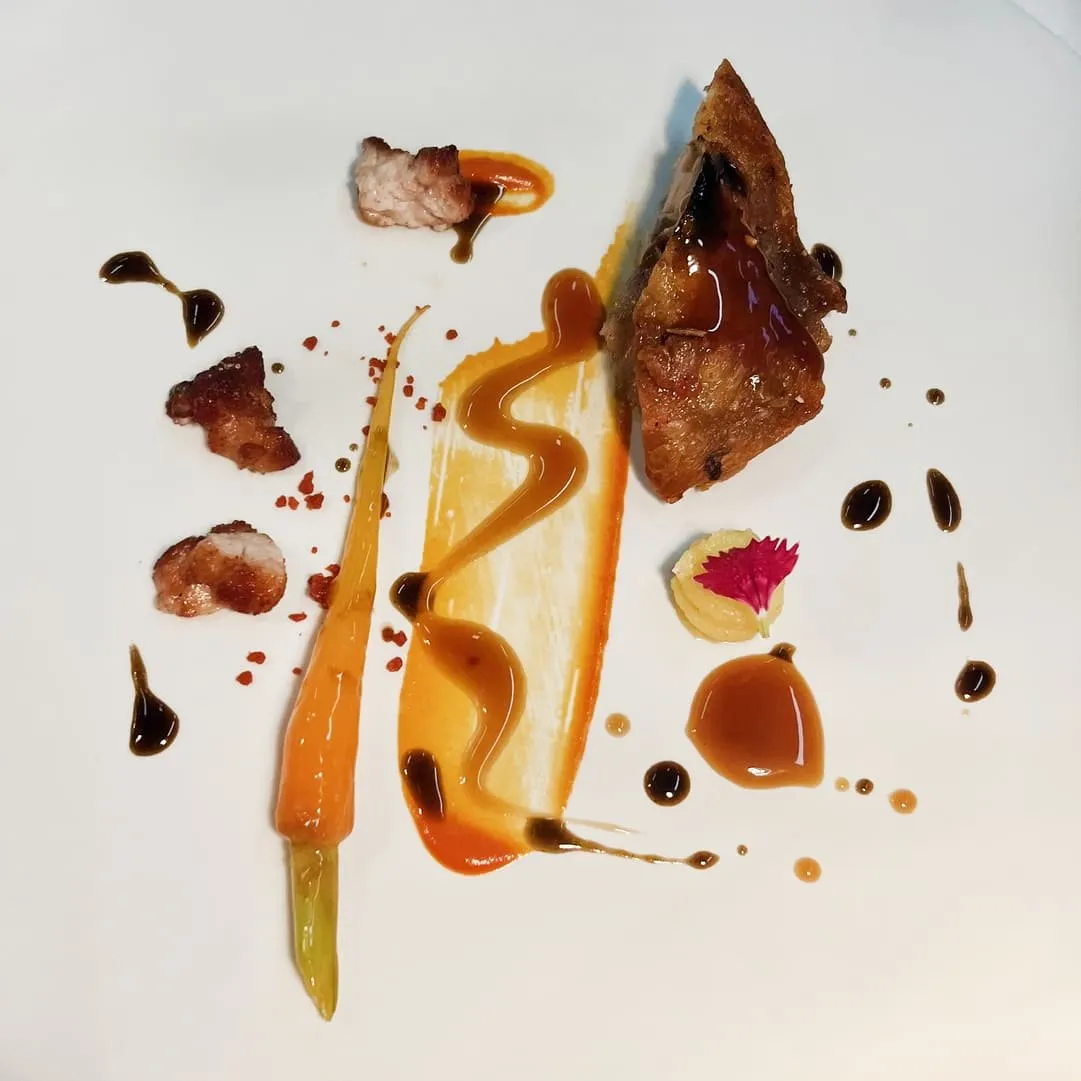
The presentation of matured goat meat at the Michelin-starred restaurant has been revolutionary:
- Creative deconstructions: Visual reinterpretation of traditional goat dishes.
- Innovative textures: Application of molecular cooking techniques to transform the texture of the meat.
- Artistic plating: Creation of presentations that evoke the Canarian landscape.
These innovations have transformed the perception of goat meat, turning it into a star ingredient in fine dining.
Influence on the global perception of Canarian cuisine
The Michelin-starred restaurant’s work has had a significant impact on how Canarian cuisine is perceived internationally:
- Attracting food critics: Positive reviews in globally prestigious culinary publications.
- Training international chefs: Exchange programmes attracting renowned cooks to learn about matured goat meat.
- Participation in elite culinary events: Presenting Canarian gastronomy at international fine-dining forums.
This exposure has positioned the Canary Islands as a top-tier gastronomic destination for the most demanding gourmet consumers.
Restaurant Taste 1973, under the direction of chef Diego Schattenhofer, has played a crucial role as a catalyst for culinary innovation around matured goat meat. Its approach, which combines gastronomic research, respect for tradition and avant-garde techniques, has significantly raised the profile of Canarian gastronomy.
Close collaboration with scientists such as Dr Marichu Fresno has enabled a rigorous culinary scientific study, optimising the enzymatic maturation process and improving the organoleptic properties of goat meat. This synergy between science and cooking has resulted in a product of exceptional gastronomic quality that competes with the most prestigious meats worldwide.
Science and Gastronomy: A Perfect Pairing
Applying scientific principles in the kitchen
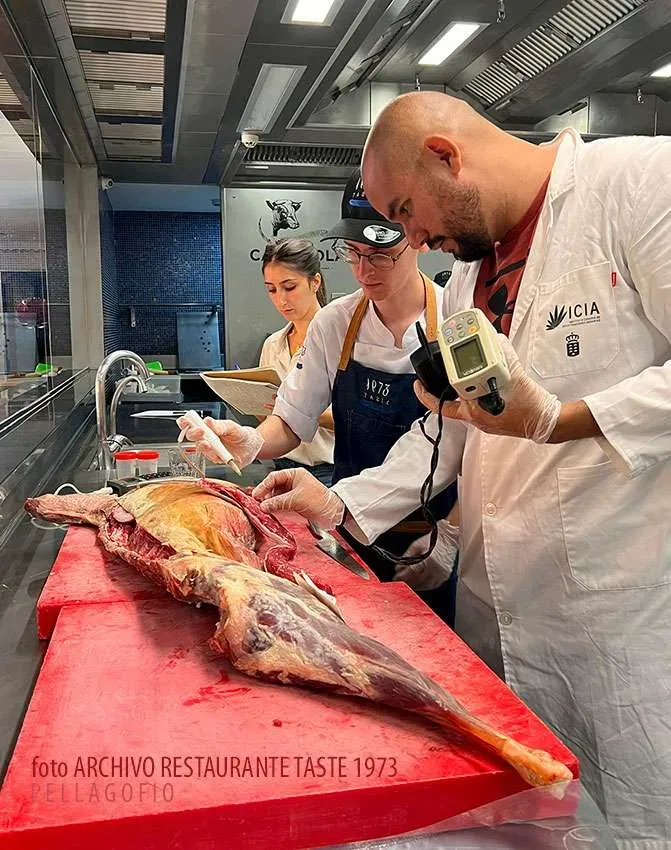
The gastronomic revolution around matured goat meat in the Canary Islands has been possible thanks to the rigorous application of scientific principles in the kitchen. This approach has enabled:
- Optimising the enzymatic process: Through precise control of factors such as temperature, humidity and time, the meat’s natural enzymatic activity has been enhanced, significantly improving its flavour and tenderness.
- Biochemical analysis: Research has deepened understanding of the molecular changes that occur during maturation, allowing conditions to be adjusted to obtain specific flavour profiles.
- Applied microbiology: The study of beneficial microbial flora has enabled the development of starter cultures that contribute to improving the organoleptic properties of matured goat meat.
Research and development of new culinary techniques
The collaboration between chef Diego Schattenhofer and Dr Marichu Fresno has given rise to innovative culinary techniques:
- Ultrasound-controlled maturation: This technique speeds up the maturation process while maintaining the quality of the final product.
- Low-temperature cooking with aroma infusion: A method that combines sous-vide cooking with the infusion of Canarian aromatic herbs to enhance the flavours of the meat.
- Lactic fermentation of specific cuts: A technique that adds unique flavour notes and improves the preservation of certain cuts of goat meat.
Studies on the organoleptic properties of goat products
Gastronomic research has focused on analysing and improving the organoleptic properties of matured goat meat:
- Sensory profile: Trained tasting panels have identified and quantified the key sensory attributes of matured goat meat, allowing objective comparison with other high-end meats.
- Texturometry: The use of precision instruments has allowed the tenderness and juiciness of the meat to be measured objectively, correlating this data with sensory perception.
- Analysis of volatile compounds: Identifying the aromatic compounds responsible for the characteristic bouquet of matured goat meat has made it possible to enhance these aspects during processing.
Collaboration between chefs and researchers on the project
The success of the project lies in the close collaboration between the world of fine dining and scientific research:
- Interdisciplinary workshops: Working sessions where chefs and researchers exchange knowledge and develop new ideas.
- Culinary laboratory: A hybrid space between kitchen and laboratory, equipped with cutting-edge technology, where new techniques are tested and refined.
- Joint publications: Scientific papers and cookbooks that share the project’s findings, combining academic rigour with practical kitchen application.
The synergy between science and gastronomy has been essential in raising the gastronomic quality of matured goat meat. This interdisciplinary approach has not only improved the product’s organoleptic properties, but has also fostered a deeper understanding of the processes that influence its flavour, texture and nutritional value.
The research led by Dr Marichu Fresno has provided a solid scientific foundation for chef Diego Schattenhofer’s culinary innovations. This collaboration has resulted in a product that combines the tradition of Canarian gastronomy with the highest standards of modern cuisine, drawing the attention of gourmet consumers and raising the profile of the Canary Islands as a top-tier gastronomic destination.
The culinary scientific study of matured goat meat has not only revolutionised the perception of this traditional ingredient, but has also established a new paradigm in gastronomic research, demonstrating the potential of collaboration between science and fine dining to drive innovation in the food industry.
Local Ingredients: The Foundation of the New Canarian Cuisine
Rediscovering traditional ingredients
The gastronomic revolution in the Canary Islands is not limited to matured goat meat. This project has catalysed a culinary renaissance that showcases a wide range of local ingredients:
- Native fruit and vegetable varieties: Recovery of traditional crops adapted to the Canarian climate and soil.
- Endemic aromatic herbs: Incorporating species unique to the archipelago into fine dining.
- Artisan cheeses: Revaluing goat’s and sheep’s cheeses with designation of origin.
This rediscovery has enriched the palette of flavours available to innovative chefs such as Diego Schattenhofer.
Innovative use of local produce in fine dining
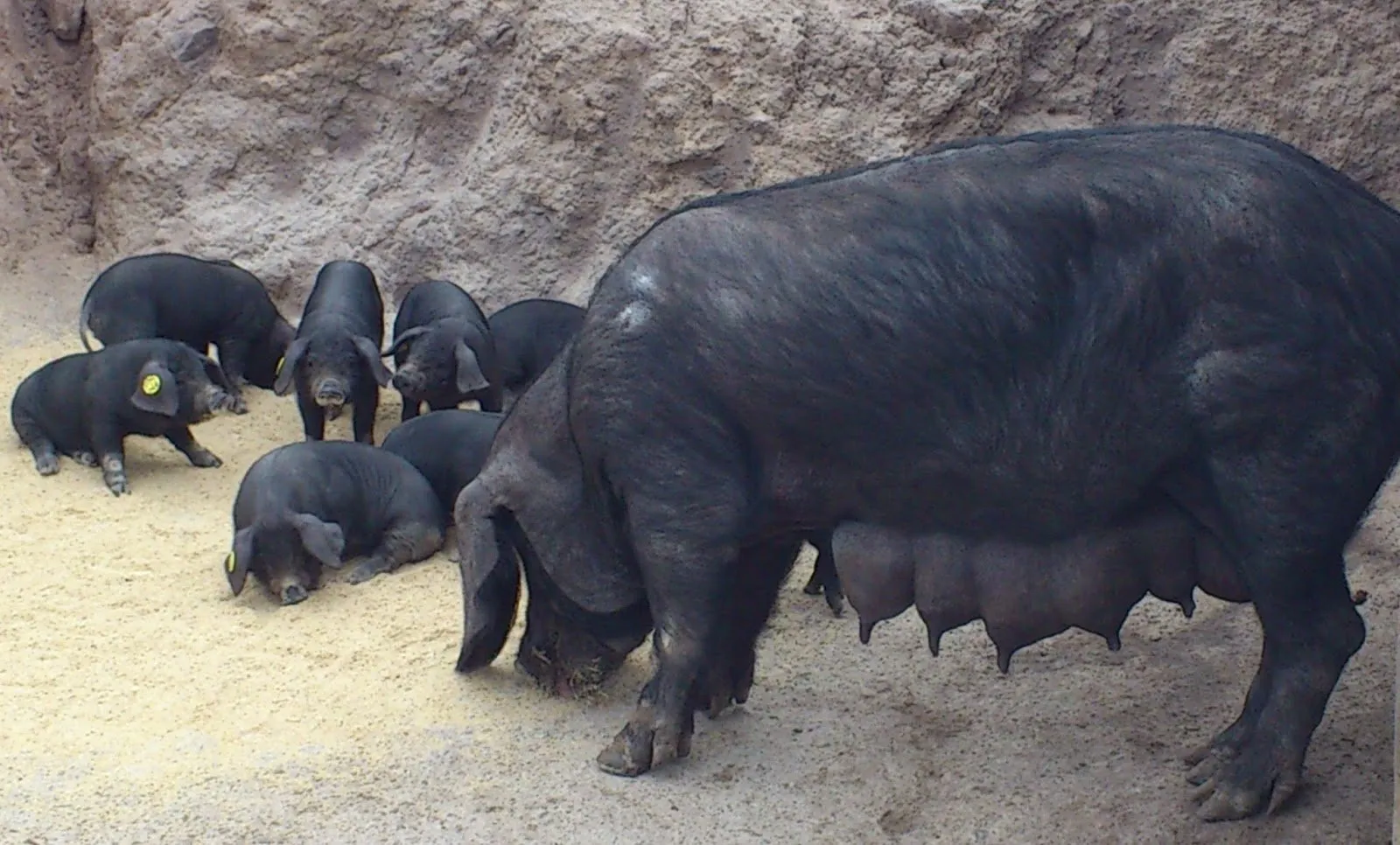
Goat and Canarian black pig
Beyond matured goat meat, Canarian gastronomy is exploring new ways of making use of these traditional animals:
- Gourmet goat charcuterie: Development of fine charcuterie using advanced curing techniques.
- Canarian black pig in different textures: Creating dishes that highlight the quality and unique flavour of this native breed.
Native fish and shellfish
Canarian waters offer a marine wealth being integrated into the new gastronomic proposal:
- Slow-cooked Canarian parrotfish (vieja): Applying low-temperature techniques to enhance the texture and flavour of this local fish.
- Limpets in molecular foam: An avant-garde reinterpretation of this traditional shellfish.
Canarian tubers and vegetables
Products of the Canarian land are finding new expressions in fine dining:
- Deconstructed heritage potatoes: Innovative presentations that highlight the diversity of local varieties.
- Molecular mojo: Reinvention of the traditional Canarian sauce using molecular gastronomy techniques.
Local grains and cereals
Traditional cereals are being rediscovered and valued for their nutritional properties and culinary versatility:
- Gofio in different textures: Innovative use of this staple Canarian food in desserts and savoury dishes.
- Millo (maize) couscous: Adapting the local grain to North African-inspired preparations.
Developing emblematic dishes with a Canarian stamp
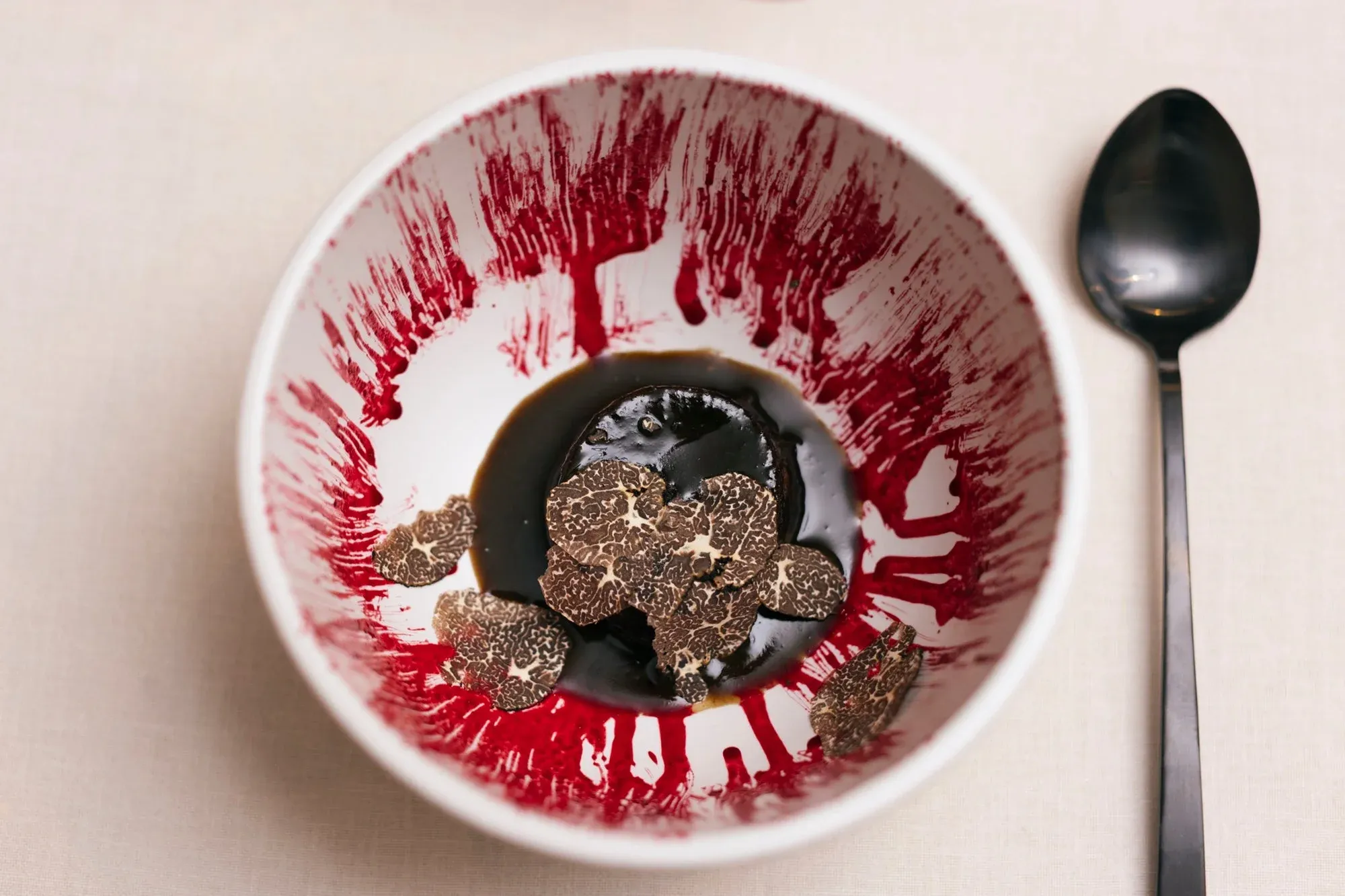
The integration of these local ingredients has given rise to a new generation of dishes that define contemporary Canarian cuisine:
- Matured goat tartare with green mojo foam: A fusion of tradition and innovation that highlights the organoleptic properties of goat meat.
- Canarian parrotfish with volcanic malvasía reduction: A dish combining sea and land, highlighting the islands’ unique flavours.
- Confit Canarian black pig with Lanzarote sweet potato purée: A reinterpretation of traditional flavours with fine-dining techniques.
- Gofio, banana and palm honey dessert: A creation that elevates everyday ingredients to gourmet status.
These emblematic dishes are the result of an exhaustive culinary scientific study that combines gastronomic research with a deep respect for tradition. Dr Marichu Fresno and chef Diego Schattenhofer have worked closely together to optimise preparation techniques, ensuring each ingredient reaches its full potential in terms of flavour, texture and nutritional value.
The new Canarian cuisine, built on local ingredients and innovative techniques, is drawing the attention of gourmet consumers worldwide. This approach not only raises the gastronomic quality of the islands’ culinary offering, but also contributes to sustainability and local economic development, creating a model of gastronomy that is both innovative and deeply rooted in Canarian tradition and terroir.
Conclusion
The gastronomic innovation project centred on matured goat meat has marked a turning point in Canarian cuisine:
- Raising the gastronomic profile: Matured goat meat has established itself as a high-quality gourmet product, competing with premium meats on an international level.
- Substantial improvement in flavour and tenderness: Thanks to the enzymatic long-maturation process, the organoleptic properties of goat meat have been optimised.
- Innovation in meat processing: The development of advanced maturation techniques has revolutionised the treatment of goat meat in the Canary Islands.
- Synergy between science and cooking: The collaboration between chef Diego Schattenhofer and Dr Marichu Fresno has established a new paradigm for gastronomic research.
- Revaluing goat farming: The project has revitalised the goat-farming sector, creating new economic opportunities for local producers.
Remaining challenges and next steps
Despite significant progress, challenges remain:
- Scalability: Developing strategies to increase production without compromising the product’s artisan quality.
- Standardisation: Establishing protocols that guarantee consistent quality of matured goat meat across different producers.
- Consumer education: Expanding public understanding of the benefits and unique characteristics of this product.
- Sustainability: Implementing practices that ensure the long-term viability of goat farming in the archipelago.
- Market expansion: Exploring export opportunities to introduce matured Canarian goat meat into international gourmet markets.
A long-term vision for gastronomy and tourism in the Canary Islands
The innovation project centred on matured goat meat lays the foundations for a promising future:
Gastronomy:
- Consolidation as a gastronomic destination: The Canary Islands have the potential to become a world benchmark for fine dining based on local ingredients.
- Product diversification: The success of matured goat meat can be extended to other goat and sheep products, creating a full range of Canarian gourmet foods.
- Continuous innovation: The collaboration established between chefs and researchers promises a steady stream of new culinary techniques and products.
Tourism:
- High-end gastronomic tourism: The unique culinary offering attracts a segment of gourmet travellers with high purchasing power.
- Immersive gastronomic experiences: Development of routes and activities allowing visitors to explore the production chain, from farms to fine-dining restaurants.
- International culinary events: Positioning the Canary Islands as the host of internationally renowned gastronomic festivals and congresses.
Local economy:
- Creation of skilled jobs: The high-end gastronomic sector demands specialised professionals, from herders to avant-garde chefs.
- Strengthening the Canary Islands brand: Gastronomy becomes an ambassador for the quality and distinctiveness of Canarian products.
- Sustainable rural development: Revaluing goat farming and other local products contributes to revitalising the archipelago’s rural areas.
In conclusion, the innovation project centred on matured goat meat has catalysed a profound transformation in Canarian gastronomy.
The fusion of tradition and innovation, underpinned by a rigorous culinary scientific study, has created a model of gastronomic development that not only improves the quality of local products, but also strengthens the cultural identity and economy of the Canary Islands.
The future looks promising, with the islands positioned to become a world benchmark for sustainable fine dining rooted in the land.
Frequently asked questions
How does maturation affect the organoleptic properties of goat meat?
Flavour: Maturation intensifies and deepens the flavour profile, developing umami notes and reducing the characteristic "goaty" taste.
Tenderness: The natural enzymatic process breaks down muscle fibres, resulting in an improved, more supple texture.
Juiciness: Controlled protein degradation increases water-retention capacity, improving the juiciness of the meat.
Aroma: Complex aromatic compounds develop, enriching the sensory experience.
Chef Diego Schattenhofer and Dr Marichu Fresno have optimised the controlled maturation conditions to maximise these benefits, raising the gastronomic quality of the final product.
What nutritional benefits does goat butter offer compared with other alternatives?
Medium-chain fatty acids: Easier to digest and metabolise.
Higher content of unsaturated fatty acids: Beneficial for cardiovascular health.
Presence of CLA (Conjugated Linoleic Acid): Potential anti-inflammatory and anticancer properties.
Rich in fat-soluble vitamins: Especially A, D, E and K.
Lower cholesterol content: Compared with traditional cow's butter.
These benefits contribute to the overall nutritional improvement of the diet when included as part of a balanced eating plan.
How can small producers become part of this innovation project?
Specialised cooperatives: Allowing resources and technology for processing and maturation to be shared.
Training programmes: Offered by institutions such as Dr Marichu Fresno's team, to teach new breeding and management techniques.
Quality certifications: Enabling small producers to access premium markets.
Supply contracts: With fine-dining restaurants, ensuring stable demand.
Marketing support: To position small producers' products in the gourmet market.
What environmental impact does goat farming have in the Canary Islands?
Landscape maintenance: Goats help prevent excessive scrub growth, reducing the risk of wildfires.
Biodiversity: Controlled grazing can favour plant species diversity.
Reduced carbon footprint: Compared with cattle farming, goat farming produces fewer greenhouse gas emissions.
Use of marginal land: Goats can make use of areas unsuitable for other forms of farming.
The culinary scientific study led by Dr Marichu Fresno also addresses sustainable practices in goat farming.
Are there plans to extend this model to other regions or products?
Extension to other islands: Adapting the model to the particularities of each island in the Canarian archipelago.
Application to sheep meat: Investigating similar maturation techniques for local mutton.
International collaborations: Exchanging knowledge with regions that have a goat-farming tradition, such as parts of the Mediterranean.
Product diversification: Exploring the application of maturation techniques to other types of meat and dairy products.
Chef Diego Schattenhofer and his team are actively exploring these possibilities, seeking new forms of culinary innovation that keep the focus on gastronomic quality and local authenticity.
You may also like
Culinary Scientific Study on Matured Goat Meat by Chef Diego Schattenhofer and Dr Marichu Fresno
Cooking
Innovation with Guanche Roots: Chef Diego Schattenhofer and Doctor Marichu Fresno of the ICIA Work Together to Rediscover Aboriginal Canarian Cheese
Multidisciplinary
Diego Schattenhofer's culinary innovation: Exploring fish maturation in Tenerife
Cooking