History of Goat Farming in the Canary Islands: A Thousand-Year Legacy
- Published
- Section
- Canarian gastronomy

The history of goat farming in the Canary Islands is as rich and varied as the archipelago itself. From the time of the Guanches to the present day, goats have played a fundamental role in the economy, culture and gastronomy of the Canaries. In this article, we take a journey through the fascinating world of goat farming across the centuries, its impact on Canarian society and its promising future.
The Origins of Goat Farming in the Canary Islands
The arrival of goats in the Canary Islands dates back to the time of the first settlers, the Guanches. These Canarian aborigines brought with them the first goats, which quickly adapted to the islands’ climate and topography.
| Period | Event |
|---|---|
| 3,000 years ago | Estimated arrival of the first settlers with goats |
| Fifteenth century | Spanish conquest and introduction of new goat breeds |
| Twentieth century | Start of genetic improvement programmes |
There are various theories about the exact origin of the Canarian goats. Some experts point to a North African origin, while others suggest a connection with the Iberian Peninsula. What is beyond dispute is these animals’ incredible capacity to adapt to the island environment.
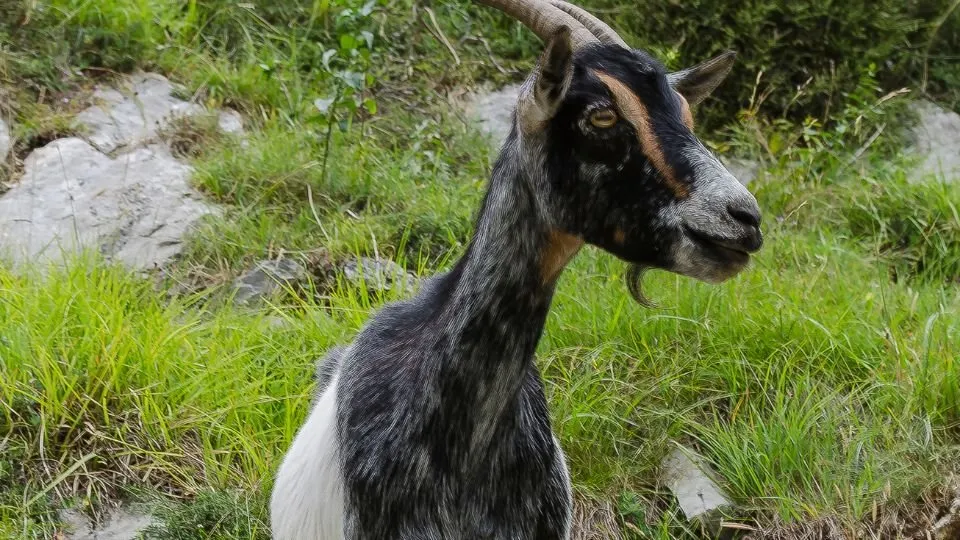
The Pre-Hispanic Era: Goats in Guanche Society
During the pre-Hispanic era, goats were a fundamental pillar of Guanche society. These aborigines developed herding techniques adapted to the islands’ unique geography, making the most of the different microclimates and terrains.
- Main source of food (meat and milk)
- Raw material for clothing and tools
- Symbol of wealth and social status
The importance of goats in Guanche culture is reflected in Canarian aboriginal cheeses, a tradition that has endured to this day and forms an integral part of Canarian gastronomy.
The Spanish Conquest and Colonisation: A New Chapter
The arrival of the Spanish conquistadors in the fifteenth century marked a turning point in the history of Canarian goat farming. New breeds and management techniques were introduced, merging with the traditional practices of the Guanches.
Significant Changes:
- Introduction of mainland Spanish breeds
- Implementation of new ownership systems
- Expansion of cheese production
This period laid the foundations for the development of a more diversified and productive goat industry, one that would combine the best of both traditions.
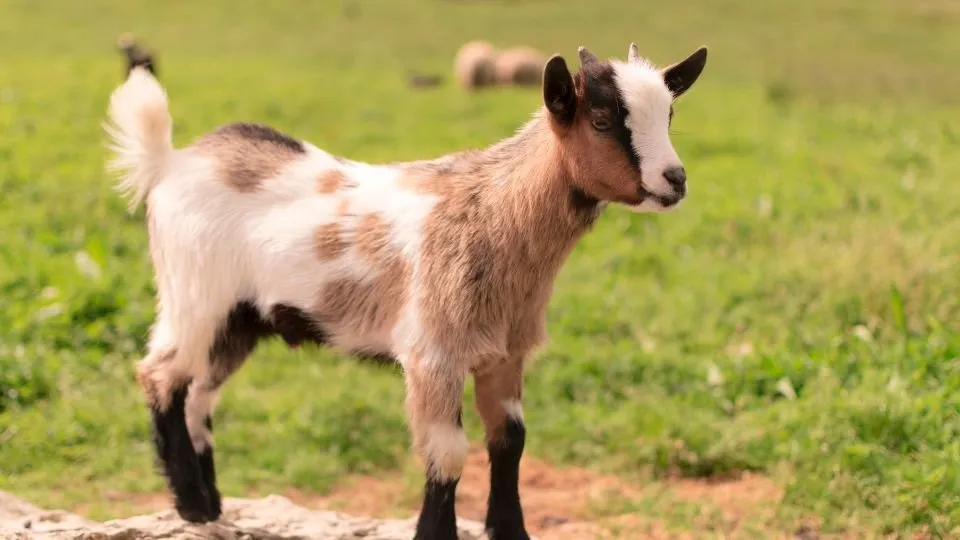
Evolution of Goat Farming from the Sixteenth to the Nineteenth Century
Over the following centuries, goat farming in the Canary Islands experienced significant growth. The cheese industry became established, and Canarian goat products began to gain recognition beyond the islands.
“The Canarian goat not only survived, but thrived, adapting to every corner of the archipelago and becoming a symbol of resilience and tradition.” – Dr Juan Capote, expert in Canarian goat breeds
The export of hides and cheeses became an important source of income for the islands, contributing significantly to the local economy.
The Twentieth Century: Modernisation and Challenges
The twentieth century brought major changes for goat farming in the Canary Islands. Industrialisation and the tourism boom presented new challenges, but also opportunities for the sector.
Key Milestones:
- Implementation of genetic improvement programmes
- Creation of designations of origin for Canarian cheeses
- Start of scientific research into native breeds
These advances have been essential in maintaining the competitiveness and quality of Canarian goat products in an increasingly globalised market.
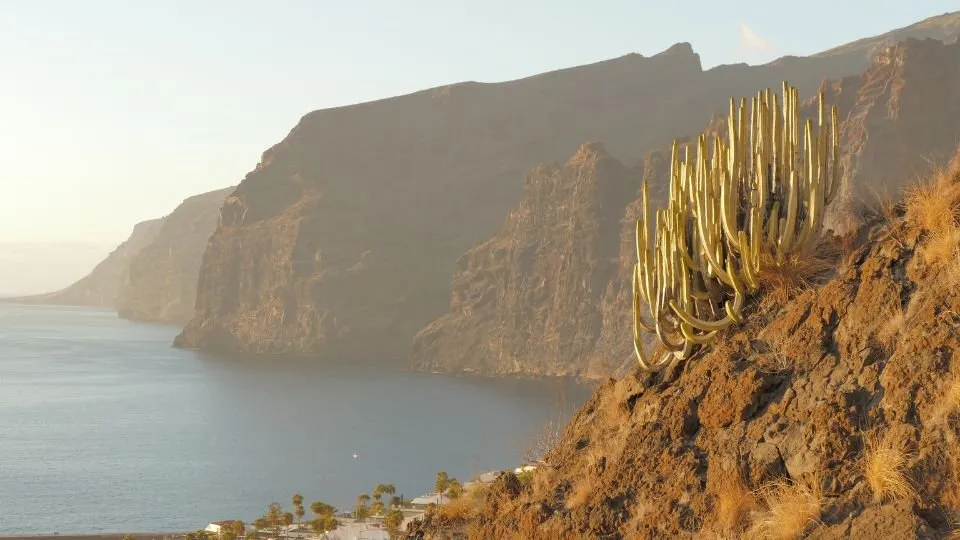
Goat Farming in the Twenty-First Century: Innovation and Tradition
Today, goat farming in the Canary Islands finds itself at an exciting point of balance between tradition and innovation. Canarian farmers and scientists are at the forefront of research and development in the sector.
A prime example of this innovation is the study of matured goat meat, which seeks new ways to make the most of and add value to this traditional product.
Challenges and Opportunities:
| Challenges | Opportunities |
|---|---|
| Climate change | Development of gourmet products |
| Global competition | Food tourism |
| Generational renewal | Export of knowledge and techniques |
Culinary and Cultural Importance
Goat farming remains a fundamental pillar of Canarian gastronomy. From traditional fresh cheeses to innovative goat meat preparations, goat products take centre stage on Canarian tables.
Innovative chefs such as Diego Schattenhofer are leading a culinary revolution, exploring new ways of using goat products in fine dining. Culinary innovation in goat products is opening up new horizons for this traditional sector.

Preservation and Future of Canarian Goat Farming
The preservation of native goat breeds and traditional management techniques is a priority for the sector. Institutions such as the Canary Islands Institute of Agricultural Research (ICIA) and the Spanish National Research Council (CSIC) play a crucial role in these efforts.
Preservation Initiatives:
- Germplasm banks
- Selective breeding programmes
- Research into animal nutrition and health
The future of goat farming in the Canary Islands looks promising, with a focus on sustainability, quality and innovation.
Conclusion
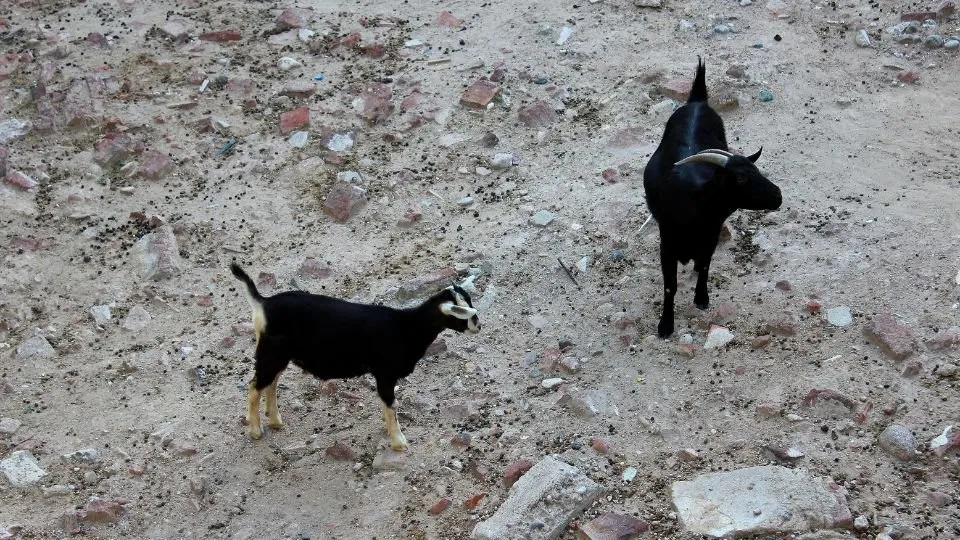
The history of goat farming in the Canary Islands is a testament to the resilience, adaptability and innovation of the Canarian people. From the Guanches to modern-day chefs and scientists, goats have been a common thread running through the cultural and economic evolution of the islands.
As we look to the future, it is clear that goat farming will remain a vital part of Canarian identity, adapting to the new challenges and opportunities of the twenty-first century.
References and Additional Resources
- Capote, J. (2016). “Environments and goats around the world: importance of genetic and management factors”
- González, A. et al. (2019). “Caracterización genética de las razas caprinas canarias”
- Activities Calendar – Events related to goat farming and goat cuisine
Would you like to know more about Canarian gastronomy and its innovations? Don’t hesitate to get in touch with us or visit our restaurant Taste 1973 for a unique culinary experience.
You may also like
Wine Pairing with Matured Goat Meat: A Canarian Gastronomic Experience
Canarian gastronomy
Artisan Goat's Milk Cheeses: Unique Flavours from the Canary Islands
Canarian gastronomy
Whole-Animal Use of the Canarian Goat: Resources, Uses and Sustainable Development
Canarian gastronomy