Gastronomic Innovation in Goat Products: The Evolution of Goat in Canarian Cuisine
- Published
- Section
- Projects
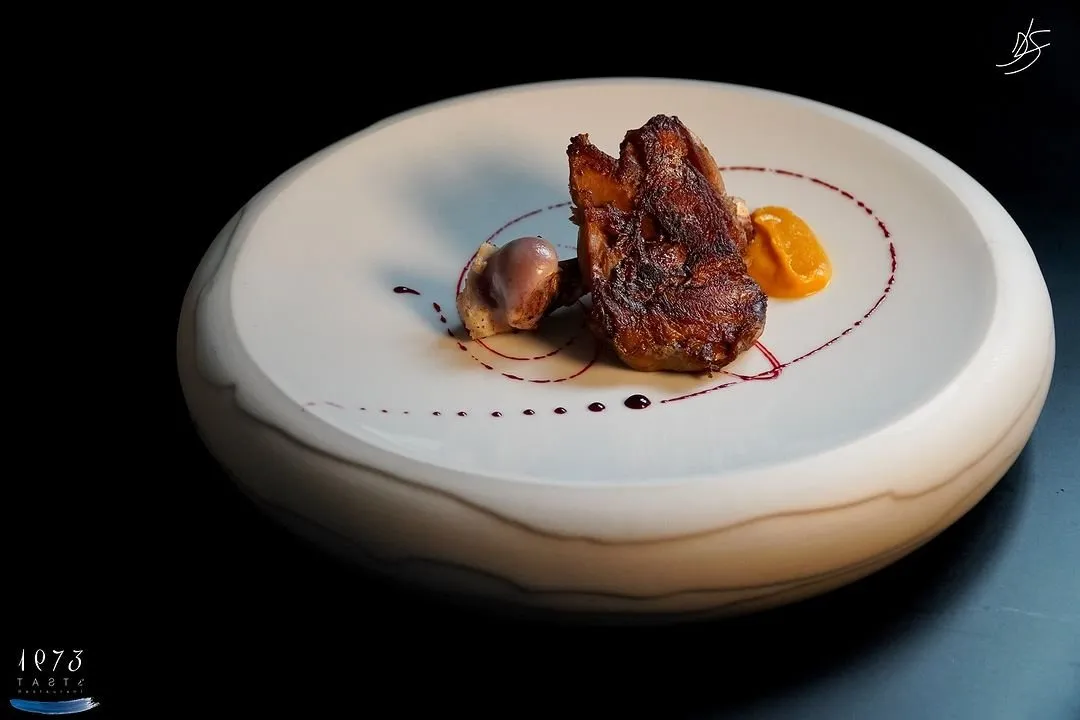
In the vibrant world of gastronomy, innovation is the engine that drives chefs to create unique culinary experiences. In the Canary Islands, a quiet revolution is taking shape, centred on an ingredient as traditional as it is surprising: the goat.
Led by visionary chefs such as Diego Schattenhofer, this innovation in goat products is redefining Canarian cuisine and capturing the attention of gourmets and hospitality professionals across the Spanish-speaking world.
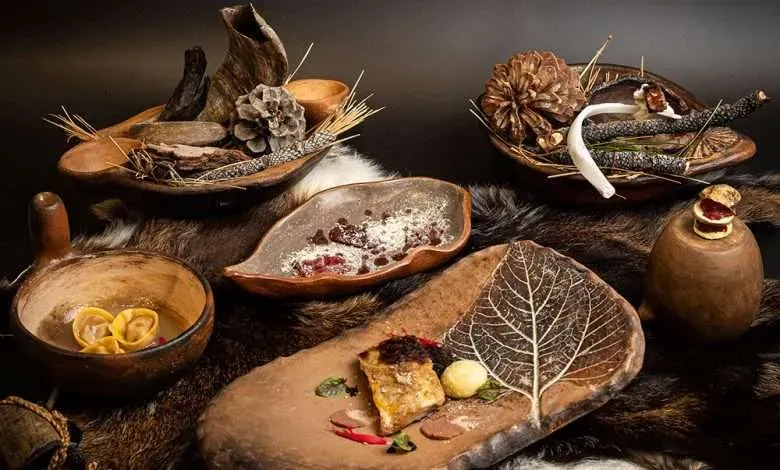
The Canarian Goat: A Gastronomic Treasure Waiting to Be Discovered
Goat has been a pillar of Canarian gastronomy for centuries, yet its culinary potential is only now beginning to be explored in depth. The Canarian goat, adapted to the archipelago’s unique conditions, yields meat and milk of exceptional character:
- Lean, flavourful meat, rich in protein and low in saturated fat
- Milk with a superior nutritional profile, ideal for crafting gourmet dairy products
- Culinary versatility that allows its use across a wide range of preparations, from traditional dishes to avant-garde creations
The challenge for innovative chefs such as Diego Schattenhofer has been to find the perfect balance between Canarian culinary tradition and modern haute cuisine techniques, respecting the essence of the produce while exploring new gastronomic frontiers.
Techniques and Gastronomic Innovation in Goat Products
Maturation of Goat Meat
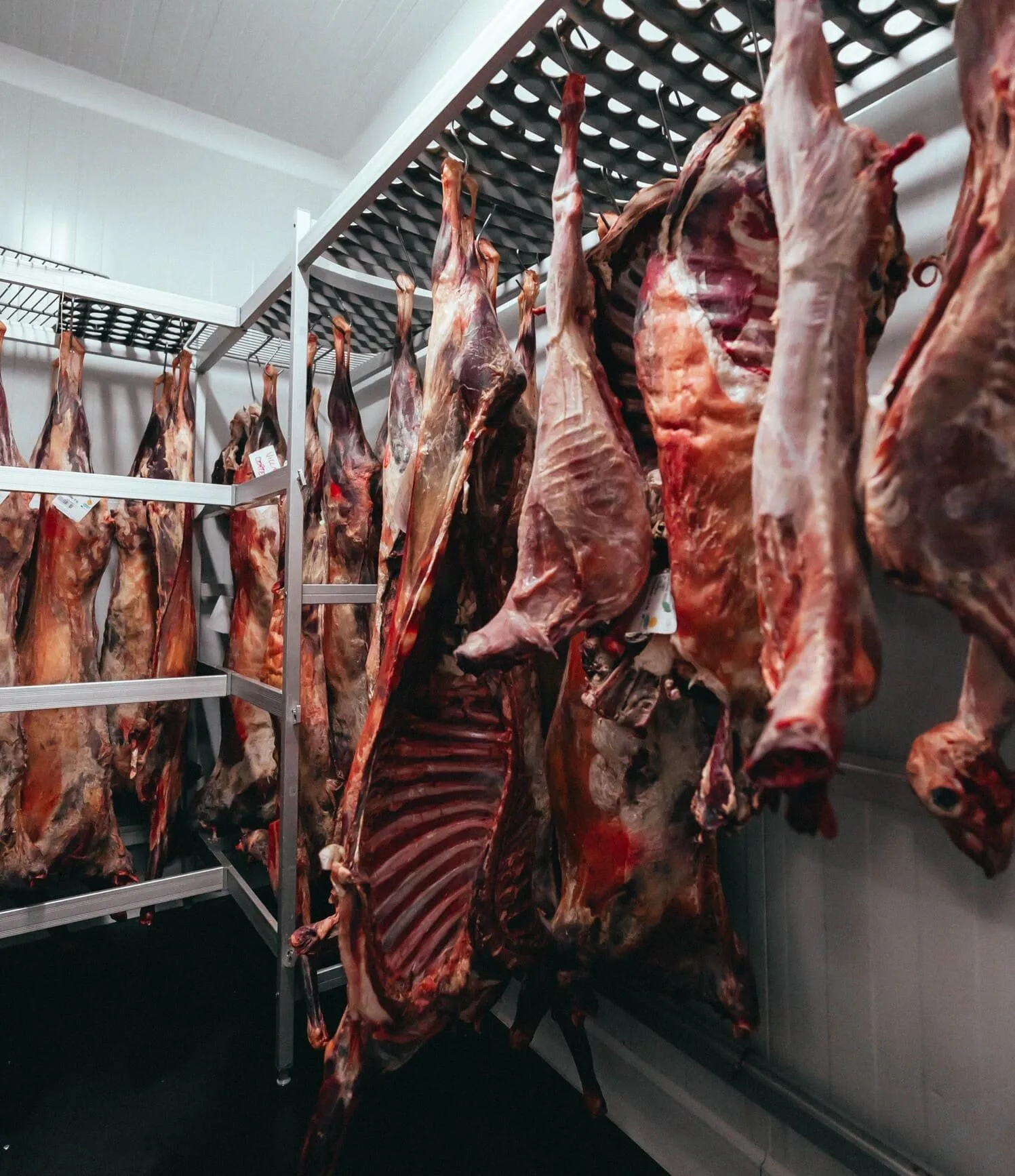
One of the most revolutionary innovations in the treatment of goat meat is the maturation process. This technique, adapted from the maturation of beef, has transformed the perception of goat meat, elevating it to levels of refinement previously unimagined.
At Taste 1973, Diego Schattenhofer’s flagship restaurant, specific maturation techniques for Canarian goat meat have been developed. This process involves:
- Careful selection of the cuts of meat
- Precise control of temperature and humidity over extended periods (between 30 and 60 days)
- Constant monitoring to ensure the optimal development of flavours and textures
The result is meat with an incredibly tender texture, an intensified flavour and complex aromatic notes reminiscent of nuts and the islands’ wild herbs.
| Characteristic | Traditional Goat Meat | Matured Goat Meat |
|---|---|---|
| Texture | Can be fibrous | Extremely tender |
| Flavour | Intense, at times with strong notes | Complex, with notes of nuts and herbs |
| Juiciness | Variable | High, concentrated |
| Culinary versatility | Limited to long cooking methods | Suited to a range of techniques, even raw consumption |
Reinvented Artisan Cheeses
Innovation in goat products is not limited to meat. Goat’s cheeses, already renowned in the Canary Islands, are undergoing a fascinating reinvention. Diego Schattenhofer, working alongside local cheesemakers, has developed new techniques for making Aboriginal Canarian cheese, blending ancestral methods with modern technology:
- Use of specific probiotic cultures that enhance the unique flavours of Canarian goat milk
- Affinage techniques that make use of volcanic ash and endemic herbs
- Maturation in the islands’ natural caves, taking advantage of the Canary Islands’ unique microclimates
These innovative cheeses are gaining international recognition, standing out in competitions and capturing the attention of chefs and sommeliers around the world.
Avant-Garde Goat Charcuterie
Goat charcuterie is another field where innovation is flourishing. At Taste 1973, cured sausages and cured meats are being developed that defy traditional expectations:
- Matured goat salami with Canarian spices
- Cured goat ham, a surprising alternative to traditional ham
- Goat liver pâté with alfalfa and local aromatic herbs
These products not only broaden the repertoire of Canarian cuisine but also offer healthy, sustainable alternatives to conventional charcuterie.
The Science Behind the Innovation
Innovation in goat products would not be possible without the backing of scientific research. Diego Schattenhofer has established crucial collaborations with renowned institutions:
- CSIC (Spanish National Research Council): research into the nutritional and functional properties of Canarian goat meat and milk
- ICIA (Canary Islands Institute of Agricultural Research): development of breeding and feeding techniques to improve the quality of goat products
- Spanish Institute of Oceanography: studies on the impact of the marine environment on the flavour of the islands’ goat products
These scientific studies have been fundamental to understanding and improving the organoleptic properties of goat products, enabling innovations grounded in solid evidence.
Innovative Gastronomic Applications
The real test of innovation lies on the plate. At Taste 1973, Diego Schattenhofer and his team are creating dishes that challenge traditional perceptions of goat cuisine. Here is an exclusive recipe that exemplifies this innovation:
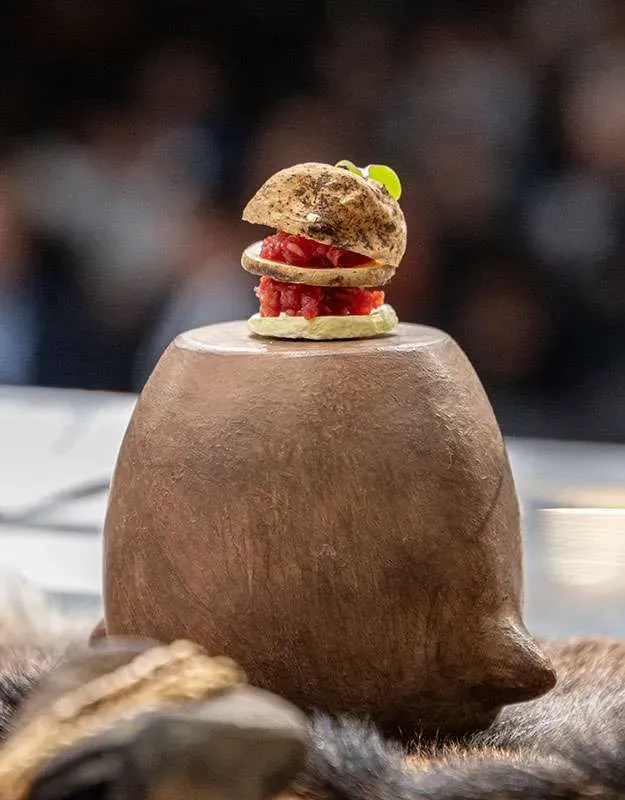
Matured Goat Tartare with Smoked Cheese Foam and Seaweed Crisp
This recipe blends modern techniques with traditional Canarian ingredients, showcasing the versatility of matured goat meat.
Ingredients (serves 4):
- 300g (10.6 oz) matured goat meat, finely chopped
- 50g (1.8 oz) capers, chopped
- 30g (1 oz) shallot, finely chopped
- 15ml (1 tablespoon) extra virgin olive oil
- Volcanic salt and black pepper, to taste
- 100g (3.5 oz) smoked Canarian goat’s cheese
- 50ml (1.7 fl oz) whipping cream
- 20g (0.7 oz) dried Canarian seaweed
- Alfalfa sprouts, to garnish
Method:
- Mix the chopped meat with the capers, shallot, olive oil, salt and pepper. Set aside in the fridge.
- For the foam, heat the cheese with the cream, strain and pour into a siphon. Charge with two N2O chargers and refrigerate.
- Blend the dried seaweed to a fine powder. Spread it on a tray and bake at 160°C (320°F) for 10 minutes until crisp.
- Assemble the dish by placing the tartare in the centre, topping it with the cheese foam and sprinkling over the seaweed crisp.
- Garnish with alfalfa sprouts and serve immediately.
This dish exemplifies how innovation in goat products can elevate Canarian gastronomy to new heights, combining tradition and innovation in every bite.
Sustainability and the Circular Economy
Innovation in goat products seeks not only gastronomic excellence but also sustainability. Diego Schattenhofer is a firm advocate of making full use of the animal and reducing food waste. At Taste 1973, practices such as the following are implemented:
- Using every part of the goat, from the meat to the bones for stocks
- Making organic fertiliser from inedible waste
- Working with local producers to close the loop between production and consumption
These practices are not only environmentally responsible but also contribute to the local economy, creating a sustainable business model that other restaurants and chefs can emulate.
The Future of Goat Products in Haute Cuisine
Innovation in goat products is only just beginning. Diego Schattenhofer sees a bright future for these ingredients in international haute cuisine:
- Exporting gourmet Canarian goat products to select markets in Europe and the Americas
- Developing new preservation techniques that maintain quality over long-distance transport
- Creating immersive gastronomic experiences centred on the Canarian goat
“Innovation in goat products is not just a trend, it’s a movement that is redefining Canarian cuisine and its place in the gastronomic world,” says Schattenhofer. “We are only just scratching the surface of what is possible with these incredible ingredients.”
Innovation in goat products, led by chefs such as Diego Schattenhofer, is transforming the perception of Canarian gastronomy. From the maturation of meats to the reinvention of traditional cheeses, these techniques are not only creating new culinary experiences but also promoting sustainability and local economic development.
For chefs, restaurateurs and food lovers seeking to explore new culinary frontiers, Canarian goat products offer a world of possibilities. The invitation is open: discover, experiment and be part of this gastronomic revolution.
Further Resources
- Calendar of activities and workshops at Taste 1973
- Glossary of gastronomic terms related to goat products
- VI Encuentro de los Mares (Meeting of the Seas): a conference on sustainable gastronomic innovation
Ready to immerse yourself in the world of goat innovation? Contact us for more information on courses, tastings and unique gastronomic experiences at Taste 1973.