Everything About the VI Encuentro de los Mares in Tenerife: A Current and Future Approach Between the Ocean and Health
- Published
- Section
- Congresses
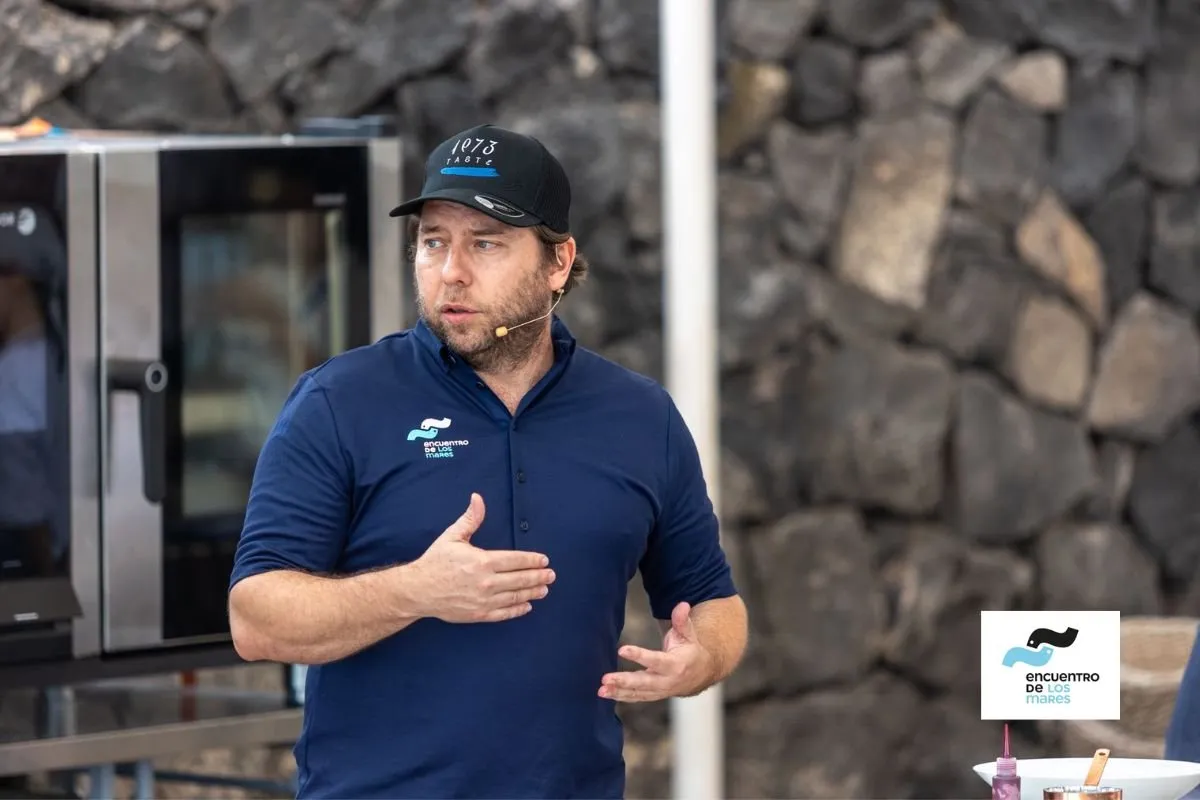
Discover how marine health and sustainability connect at the VI Encuentro de los Mares Tenerife 2024, with experts in gastronomy and marine conservation.
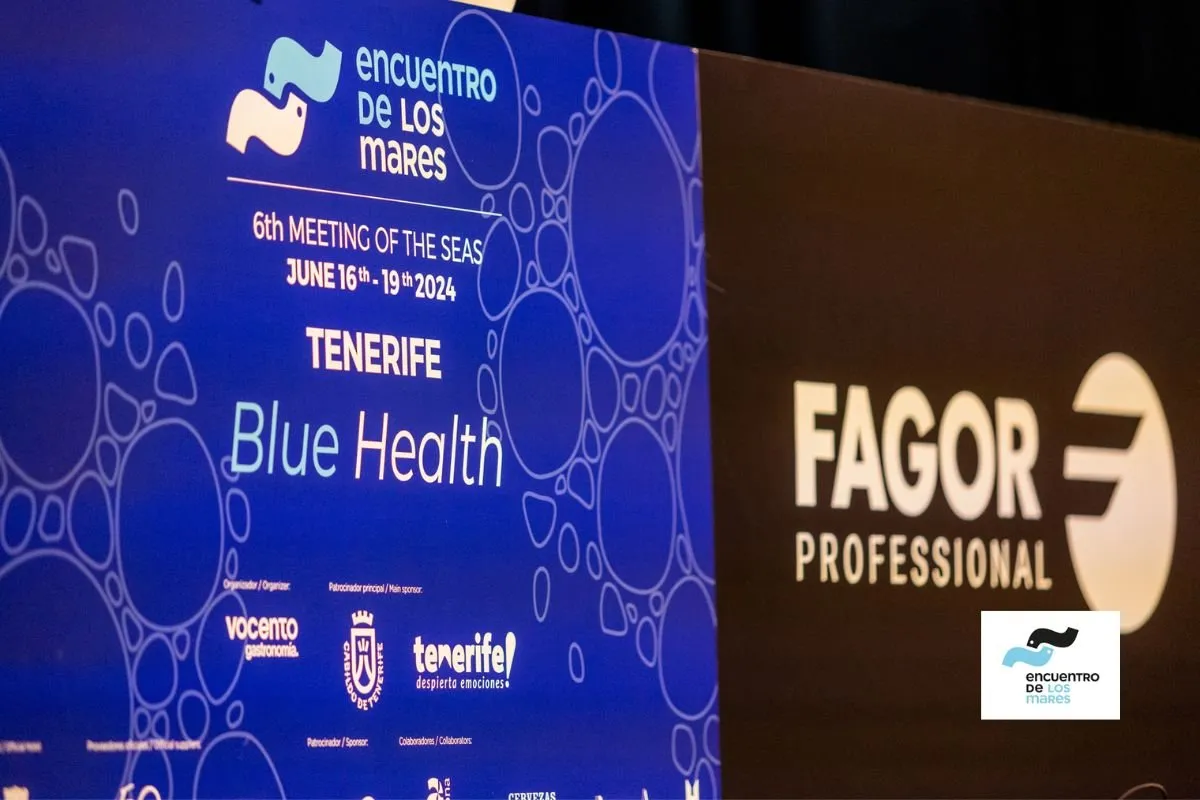
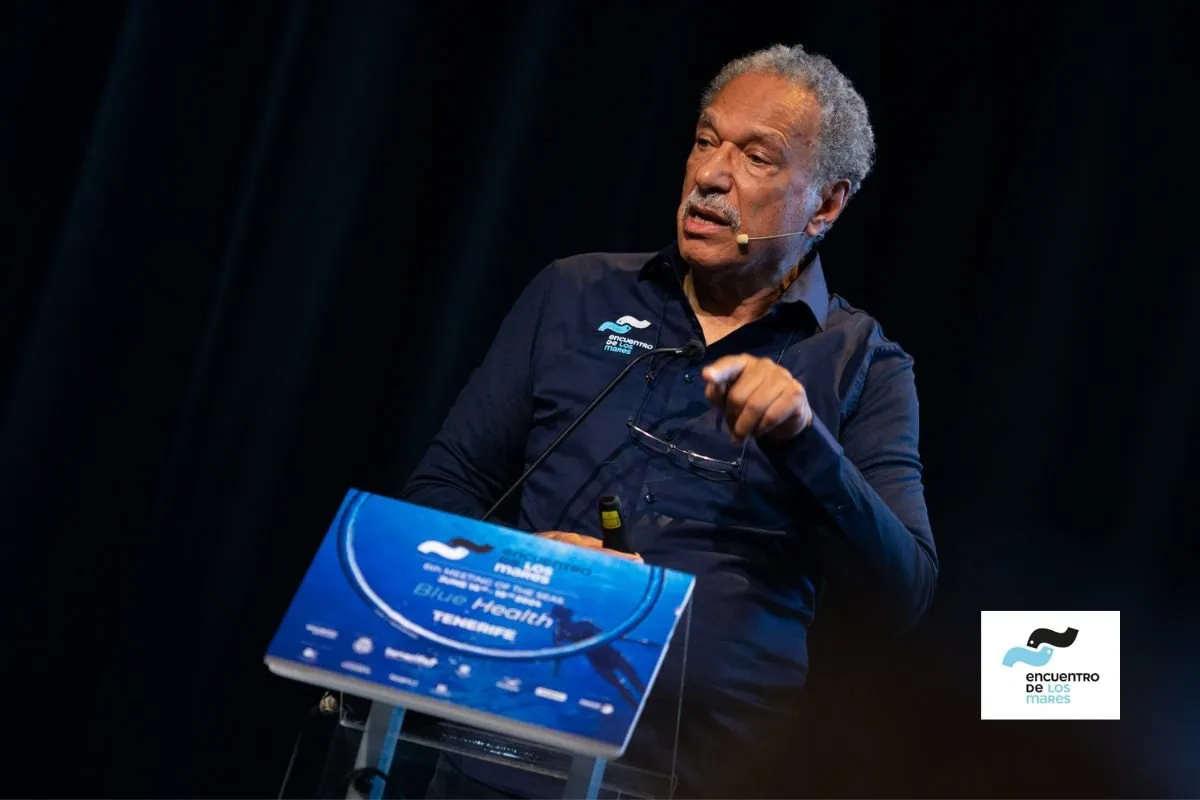
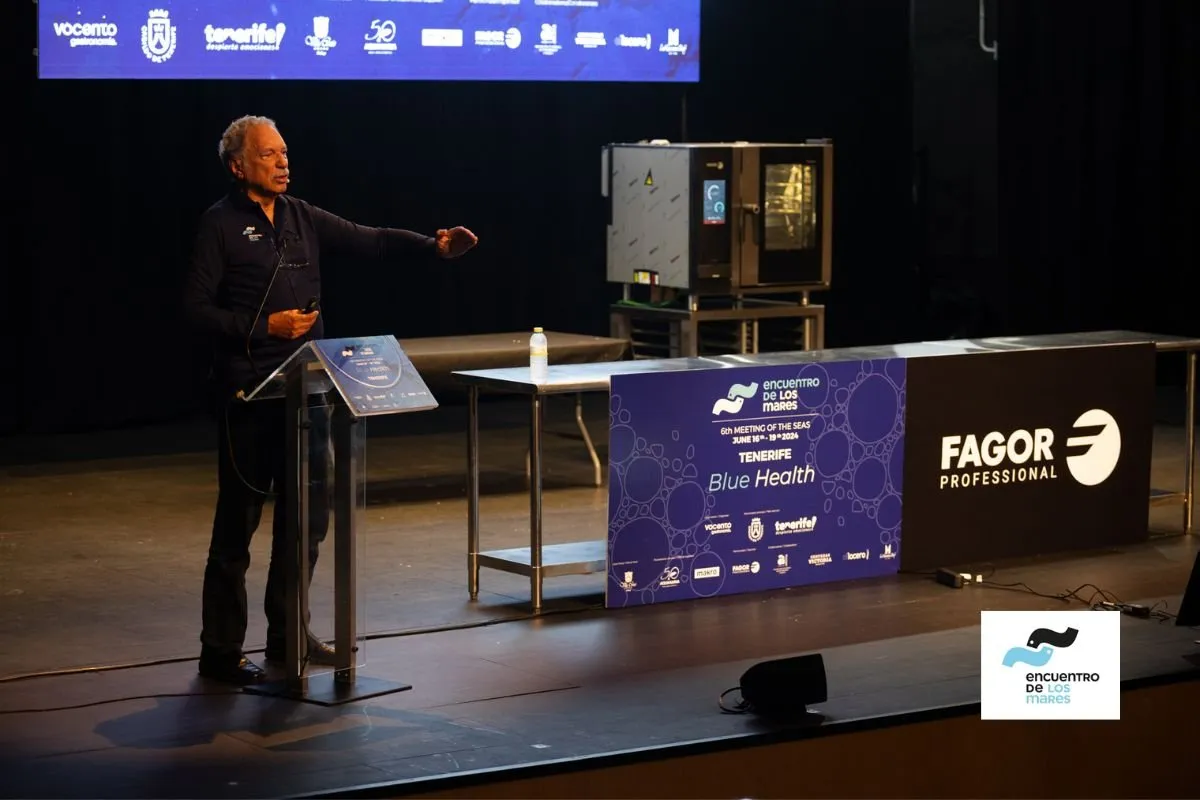
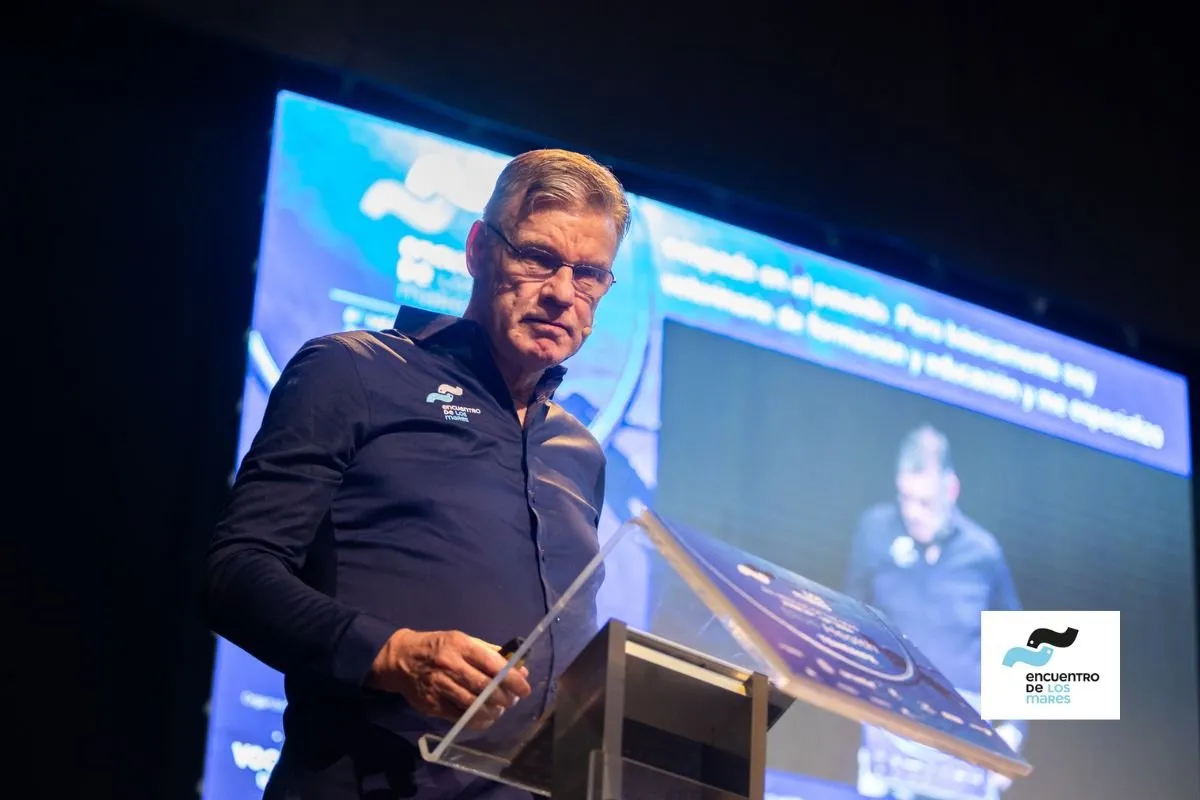
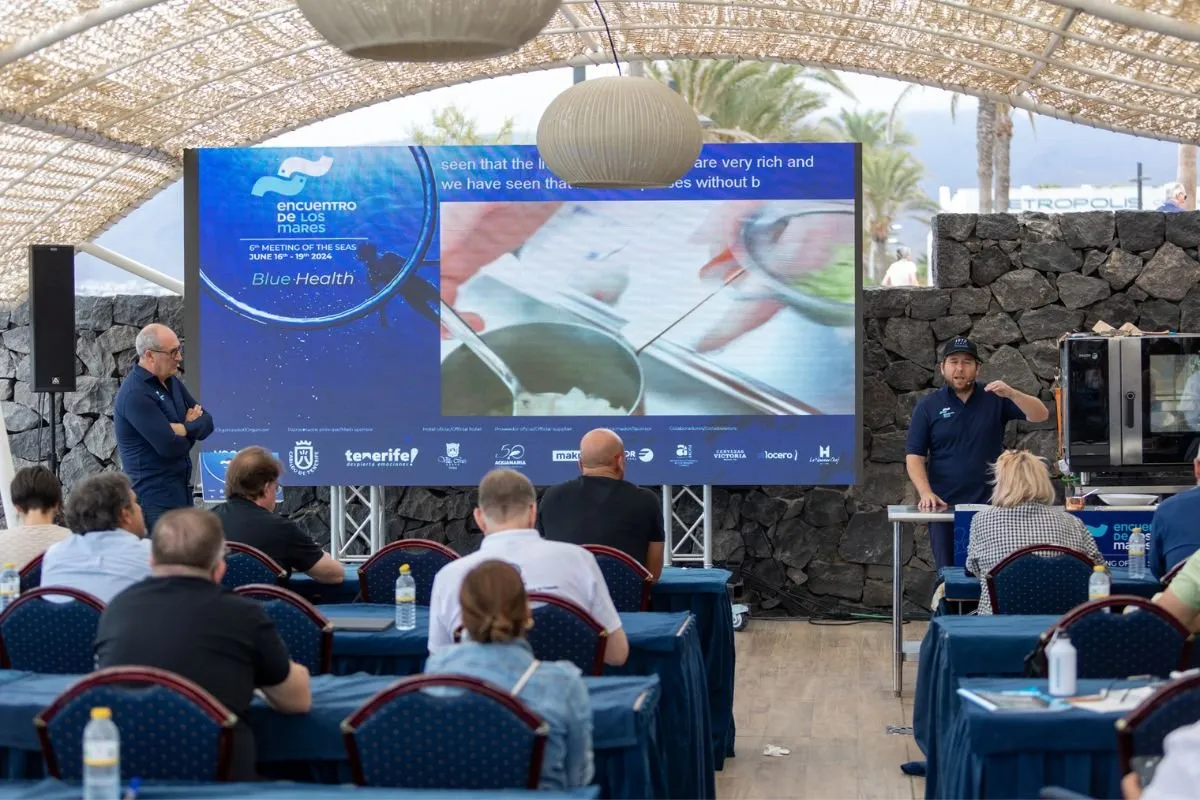
It has just come to a close, already considered by many the best edition yet. The VI Encuentro de los Mares is an international congress held in Tenerife from 16 to 19 June.
This annual event brings together leading chefs, marine scientists, nutritionists and other professionals in the sector to explore and discuss the intersection of gastronomy, science and fishing. The congress’s main aim is to foster greater understanding and collaboration between these fields, promoting sustainable, healthy practices that benefit both the oceans and human health.
A Congress of Utmost Importance for Gastronomy and Marine Conservation
This gathering is especially relevant for the culinary and scientific community because of its focus on sustainability and health. The oceans are not only a vital source of food, but also play a crucial role in regulating the climate and global biodiversity.
Through this event, the aim is to raise professionals’ awareness of the importance of protecting and preserving marine ecosystems, while exploring new ways of integrating marine produce into fine dining responsibly and creatively.
Organisers and Venues of the Event
Grupo GSR and Vocento Gastronomía
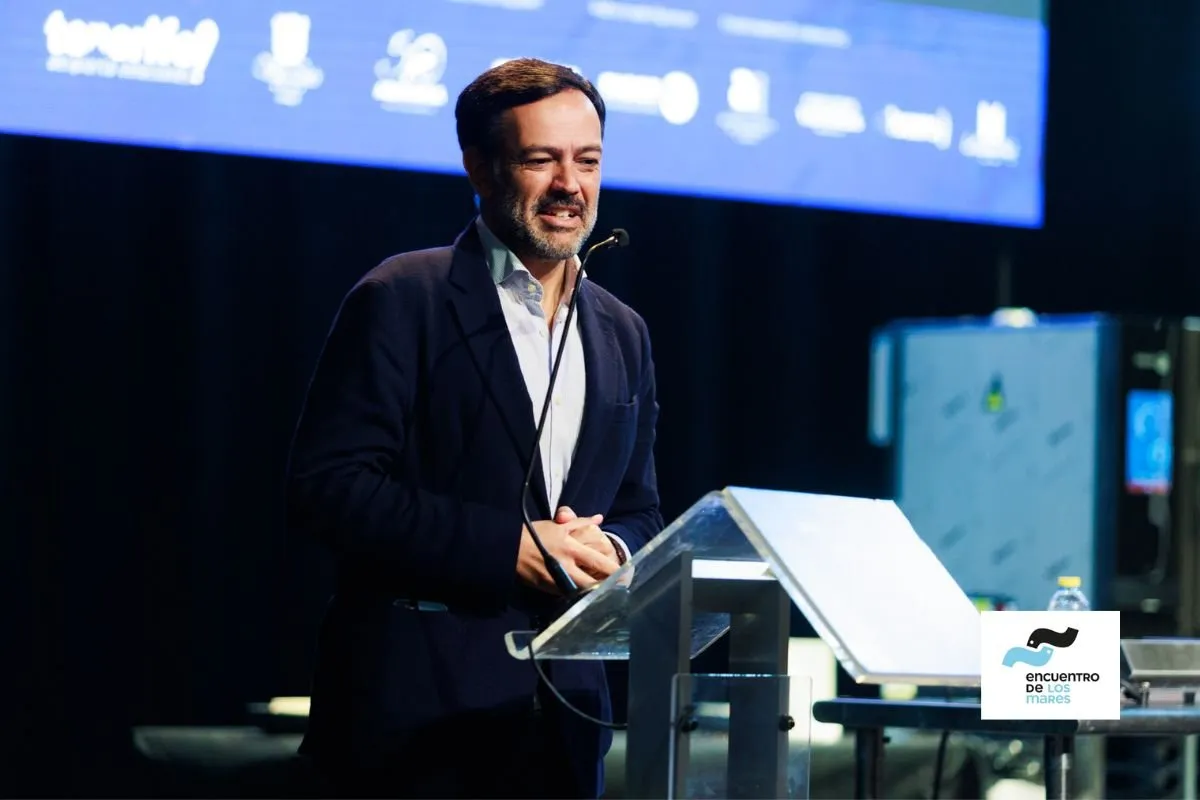
Grupo GSR and Vocento Gastronomía, the main organisers of the VI Encuentro de los Mares. With extensive experience organising top-level culinary events, they have been fundamental to staging this congress. Their dedication to promoting sustainable gastronomy and their ability to bring together experts from different fields guarantee the event’s success.
Hotel Villa Cortés and Restaurante Taste 1973
Hotel Villa Cortés and Restaurante Taste 1973 are the event’s main venues. Located in the heart of Tenerife, these venues offer an ideal setting for staging this congress. Restaurante Taste 1973, known for its focus on fine dining and the use of local, sustainable ingredients, will provide the perfect stage for the event’s presentations and workshops.
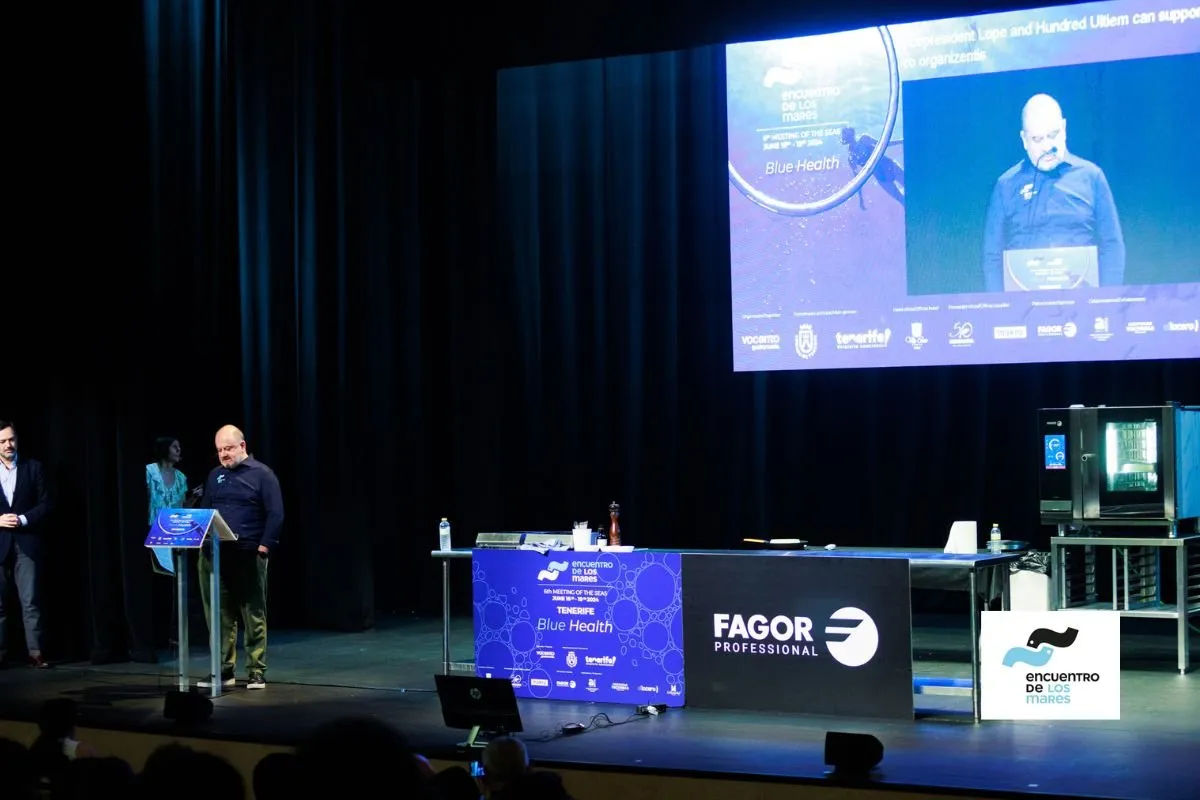
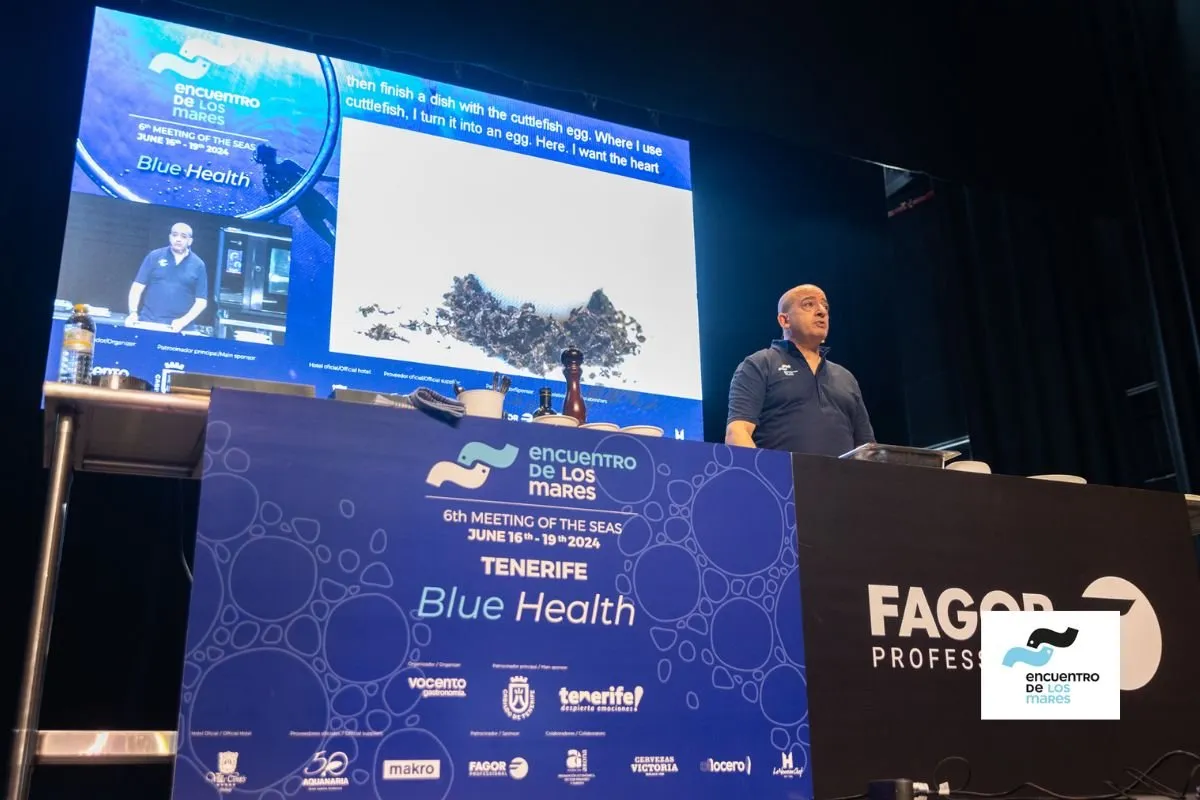
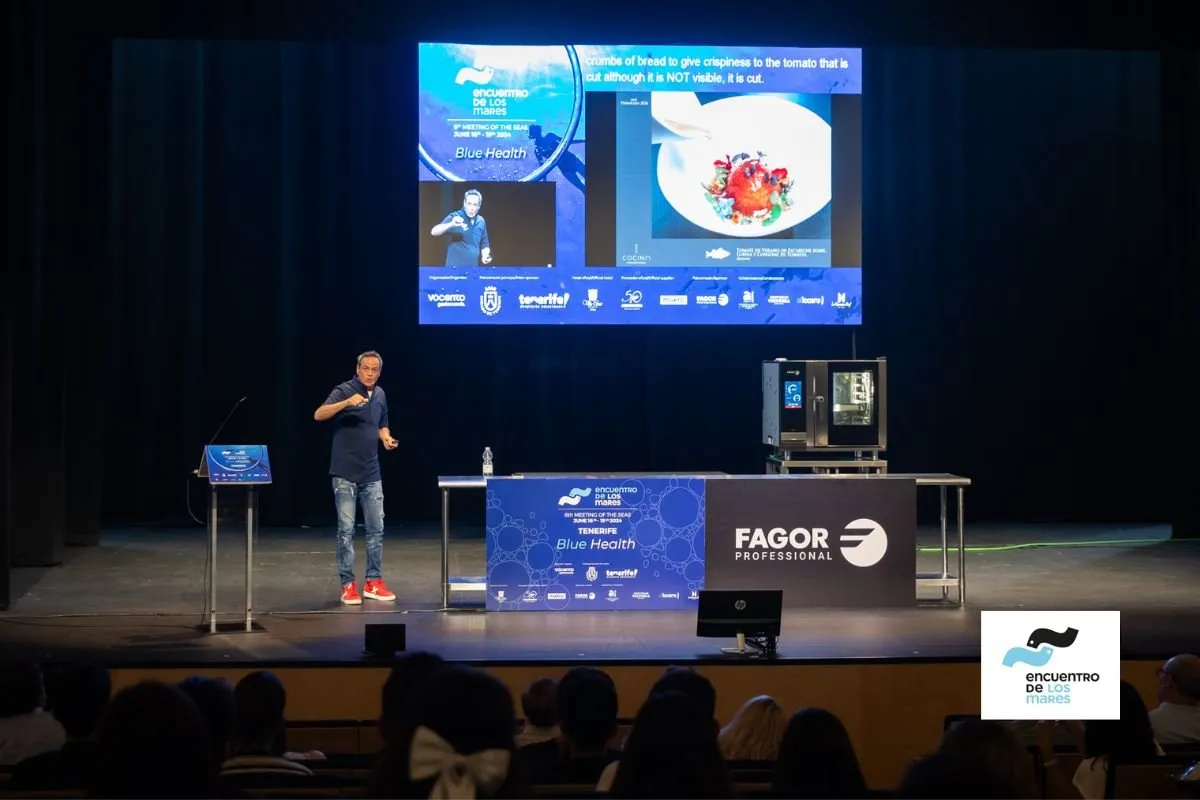
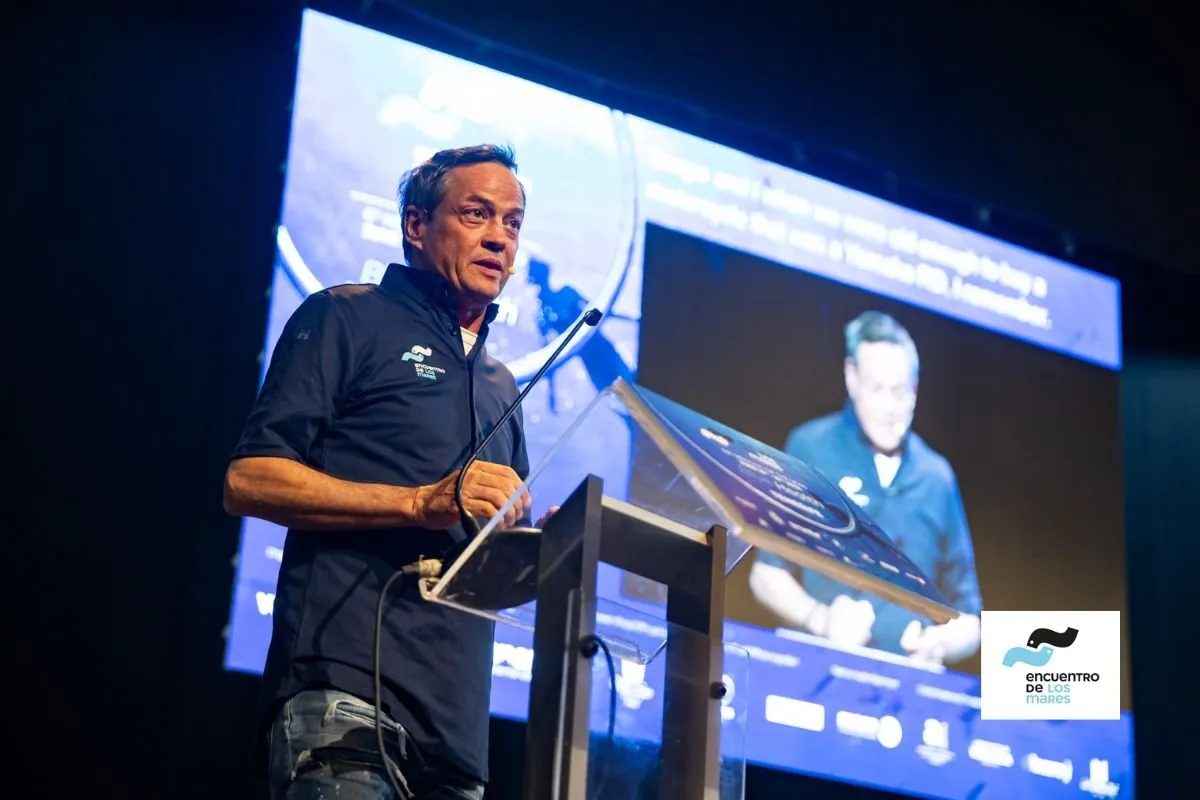
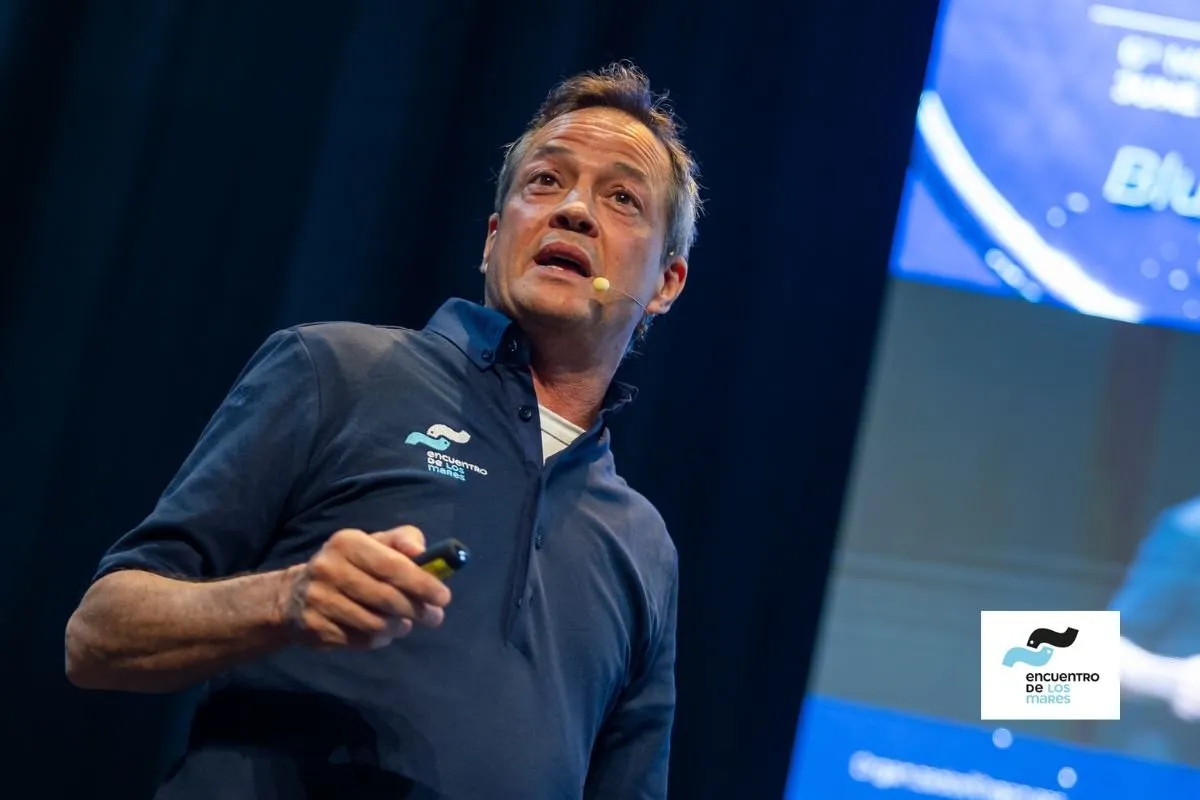
A special mention for Chef Diego Schattenhofer, who has been a committed driving force behind the success of this edition of the VI Encuentro de los Mares. With an outstanding career in fine dining, Schattenhofer has worked tirelessly to promote sustainability and innovation in the use of marine produce. His commitment to marine conservation and his passion for gastronomy make him a benchmark in the sector.
Theme of the VI Encuentro de los Mares
“Blue Health”: Health and Oceans
The VI Encuentro de los Mares centred its theme on the concept of “Blue Health”. This approach highlights the crucial connection between the oceans and human health, underlining the importance of marine produce in nutrition and the need for sustainable practices to preserve the health of ocean ecosystems.
The concept of “Blue Health” is based on recognising that the oceans are essential for human health and wellbeing. During the event, presentations and discussions were held addressing how the oceans influence human health through providing nutrient-rich food, regulating the climate and global biodiversity.
There was discussion of how seafood, such as fish and shellfish, is fundamental to a balanced diet and how eating it can help prevent chronic diseases.
The Importance of the Oceans for Human Health
The oceans are a vital source of food rich in omega-3 fatty acids, essential for the development and functioning of the brain and cardiovascular system.
Speakers such as Carrie Ruxton highlighted the public health benefits of seafood and fish. “Blue nutrition” promotes the sustainable, healthy consumption of these products, showing that marine food is not only beneficial for human health but also has a lower environmental impact than other sources of animal protein.
Featured Speakers and Their Contributions
The Encuentro featured an impressive line-up of speakers, leading figures in contemporary gastronomy, who contributed their knowledge and experience across various fields related to gastronomy, marine science and sustainability.
Below are some of the most notable speakers and the topics they covered during the event:
Marine Science and Conservation
| Speaker | Topic | Description |
|---|---|---|
| Daniel Pauly | Rebalancing the relationship between humans and fish populations | Principal investigator of the Sea Around Us initiative at the University of British Columbia, discussed strategies for more sustainable exploitation of marine resources. |
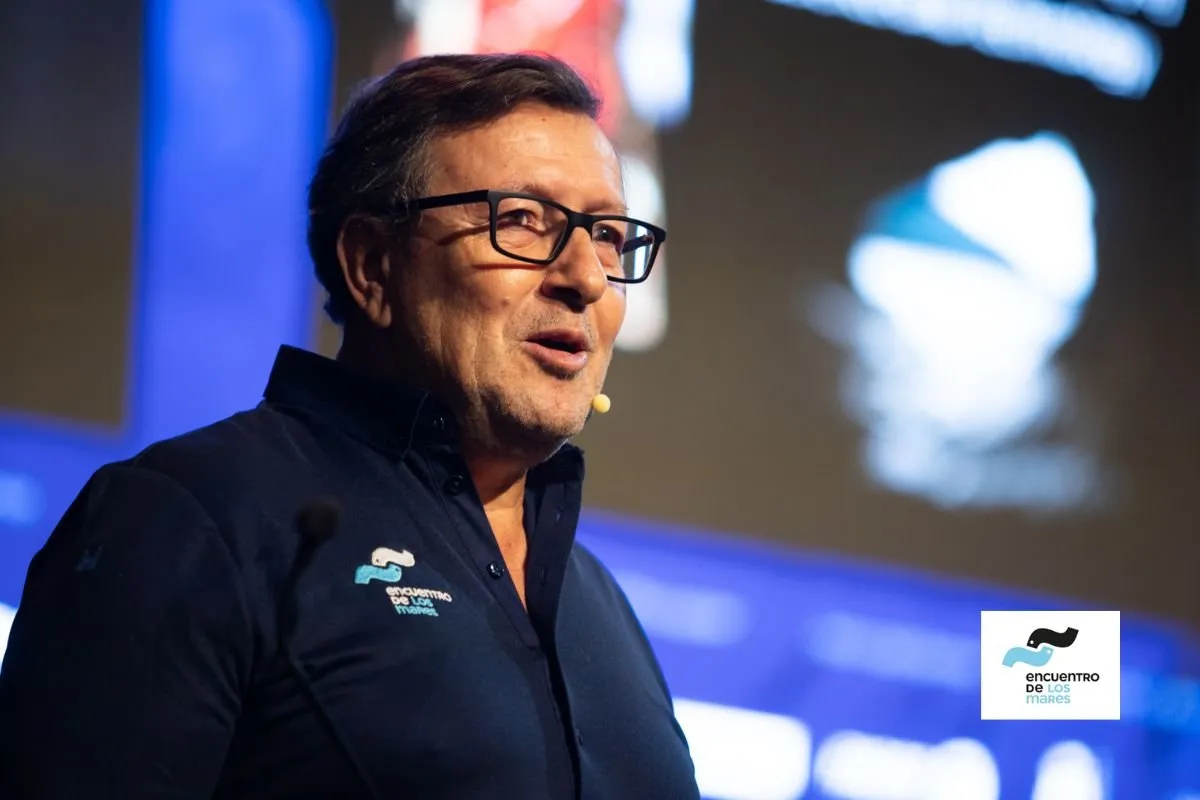
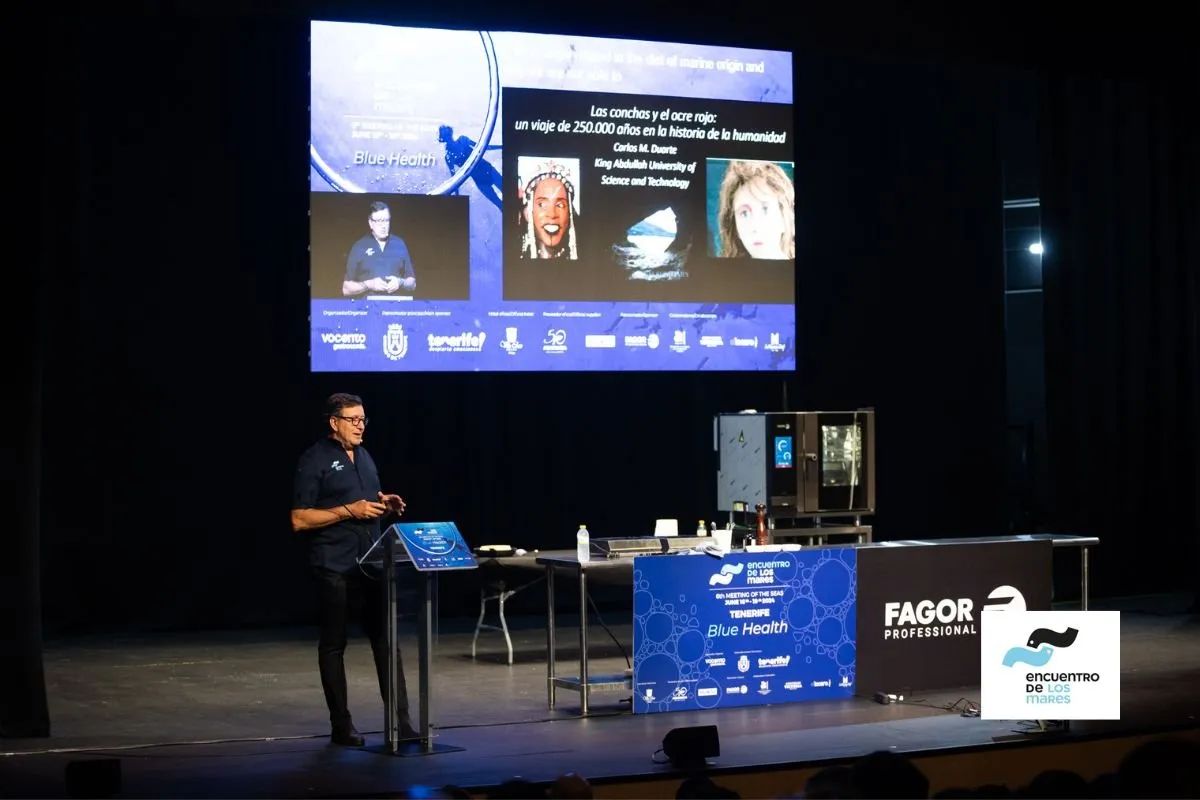
| Carlos Duarte | Red ochre and shells: a 250,000-year journey through human history | Professor of Marine Science at King Abdullah University of Science and Technology, presented research on the historical and current relationship between humans and the oceans. |
| Jesús Arrieta | Microbial life | Marine biologist, spoke about the importance of microbial life in marine ecosystems. |
| Árni M. Mathiesen | Policy in service of the sea | Marine veterinarian and senior adviser at the Iceland Ocean Cluster, highlighted sustainable policies for fisheries management (Encuentro de los Mares (opens in a new tab)). |
Gastronomy and Innovation
| Speaker | Topic | Description |
|---|---|---|
| Ángel León | Water: the Twenty-First Century | Known as the "Chef of the Sea", León shared his innovations in marine cuisine, highlighting the use of unconventional marine produce. |
| Hermanos Torres | Seasonal and local produce | Twins Sergio and Javier Torres discussed their approach to using local, seasonal produce in their cooking, promoting sustainability (Encuentro de los Mares (opens in a new tab)). |
| Rafa Zafra | GastroBio Project: Traceability and biology of marine produce | Chef at Estimar, Barcelona, presented the GastroBio project, focused on the traceability and sustainability of marine produce used in the restaurant trade. |
| Chele González | Living without refrigeration, immediacy in fish consumption: kinilaws | Chef at Gallery By Chele, Manila, presented his innovative approach to using fresh marine produce without refrigeration. |
| Pino Cuttaia | From 'terroir' to 'marroir': a tribute to family and local fishermen | Chef at La Madia**, Sicily, Italy, discussed his concept of 'marroir' and his approach to Mediterranean seafood cuisine (WebTenerife (opens in a new tab)). |
| Gianfranco Pascucci | Land-and-sea symbiosis | Chef at Pascucci al Porticciolo*, Italy, spoke about integrating marine and land produce in his cooking (Encuentro de los Mares (opens in a new tab)). |
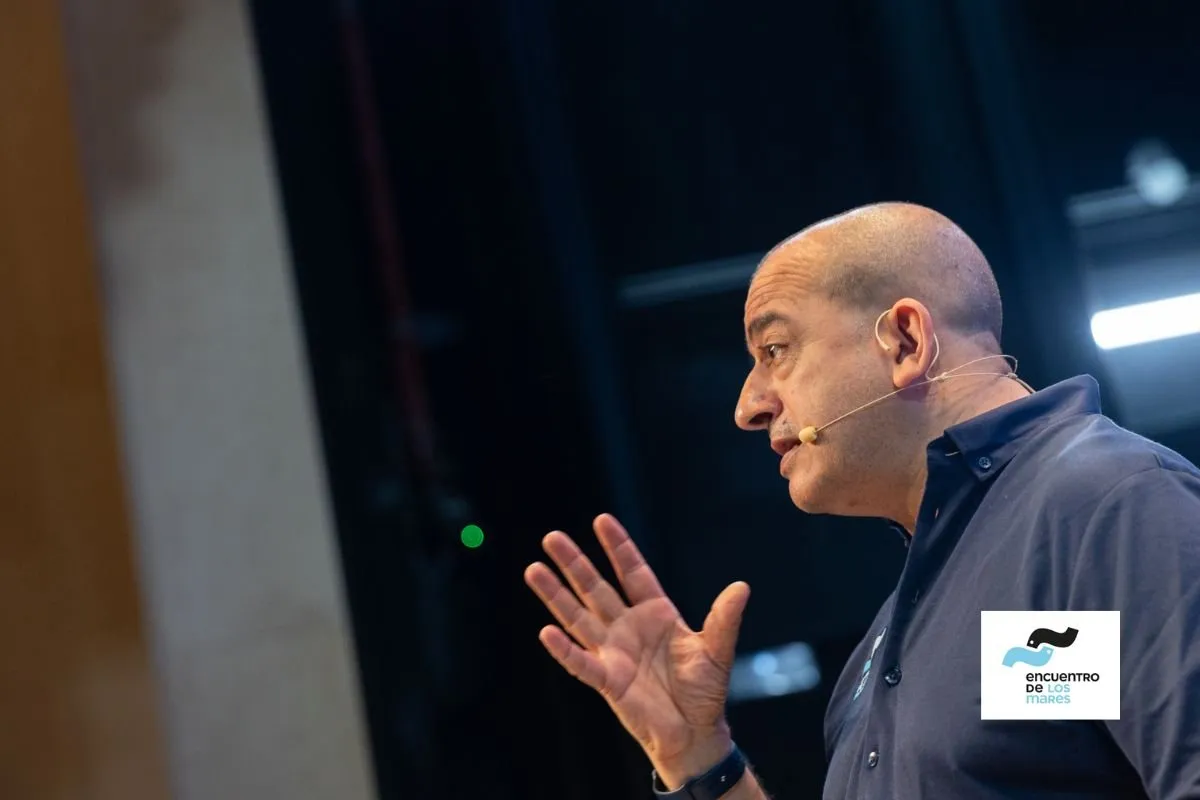
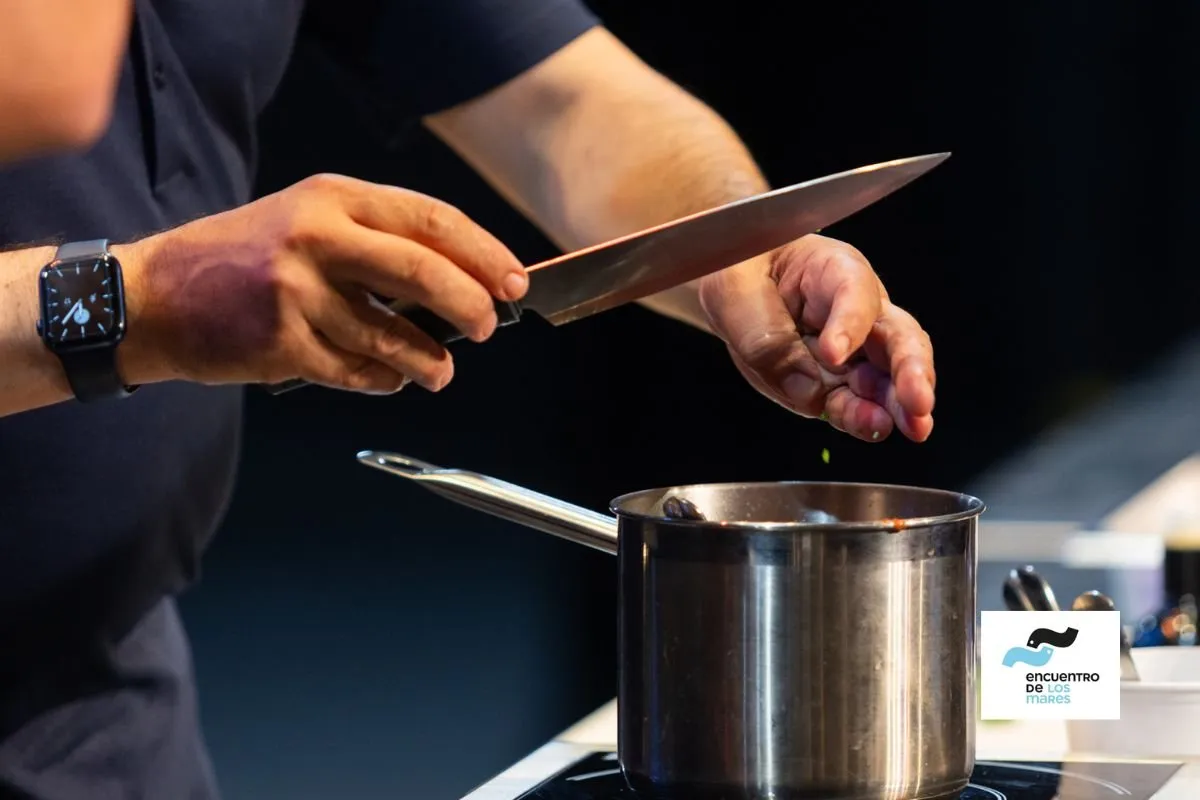
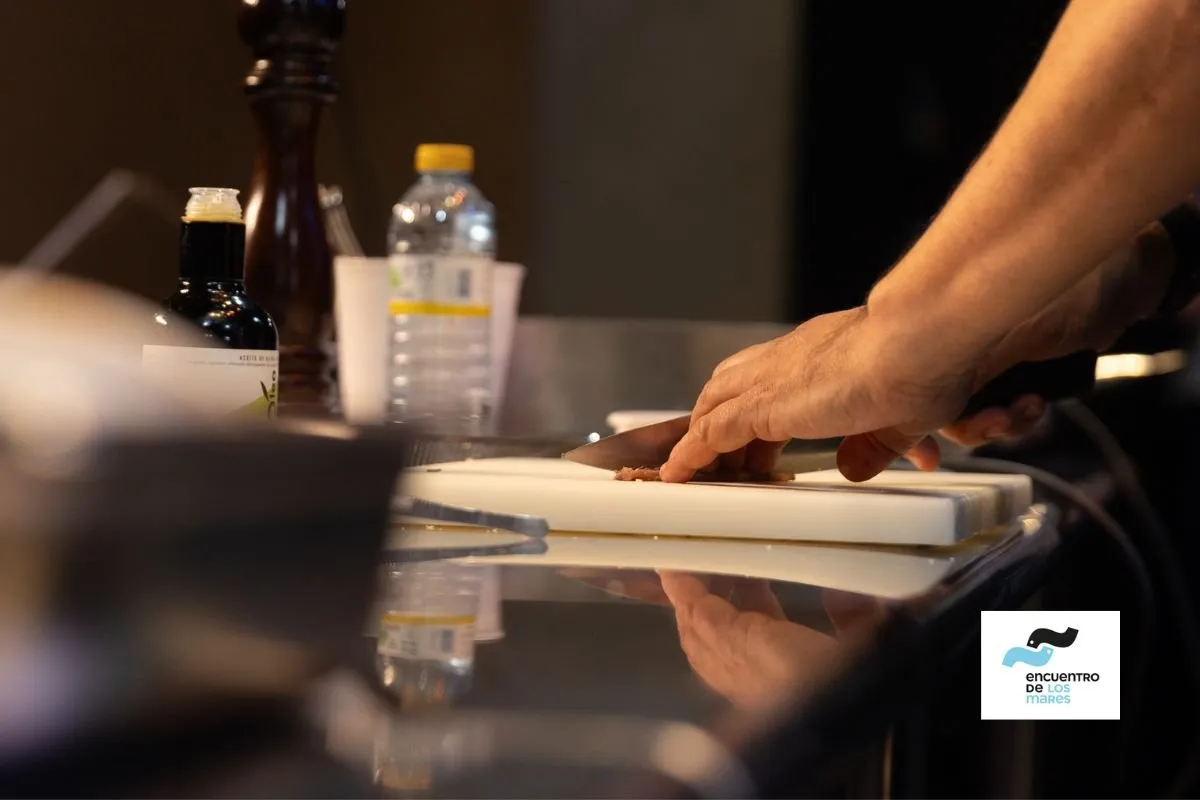
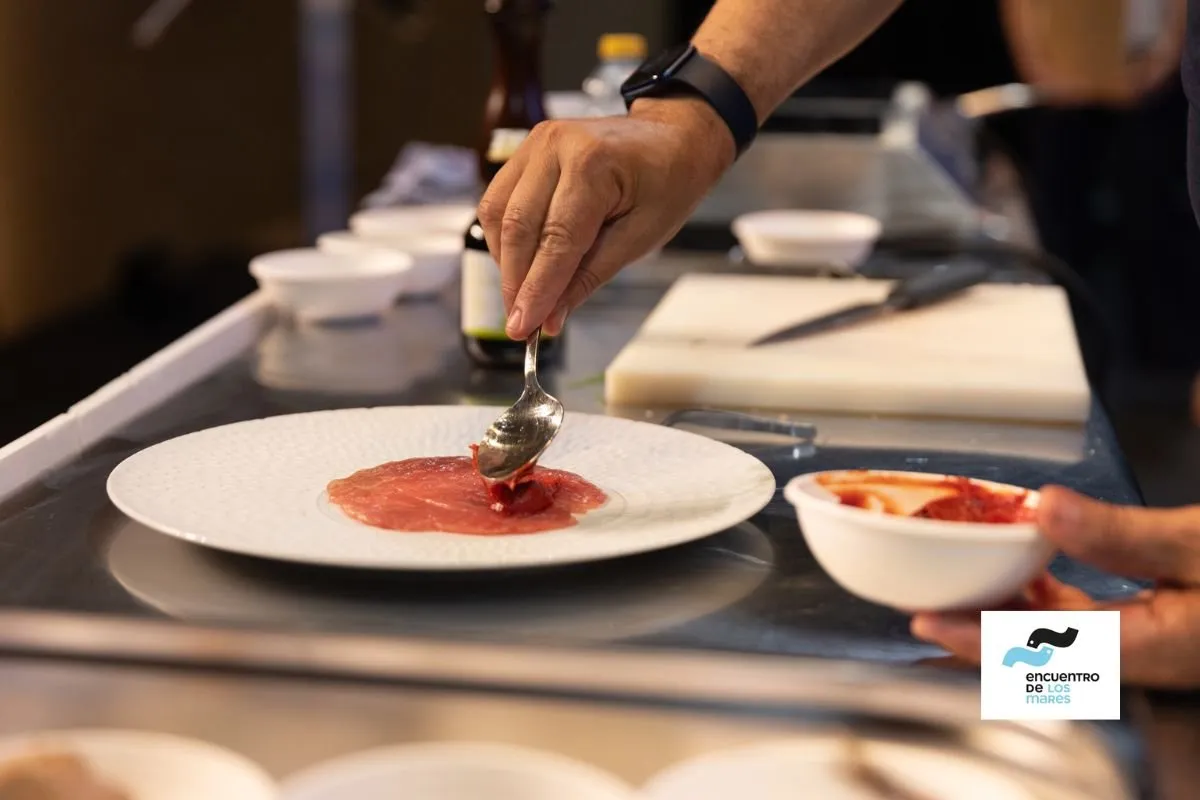
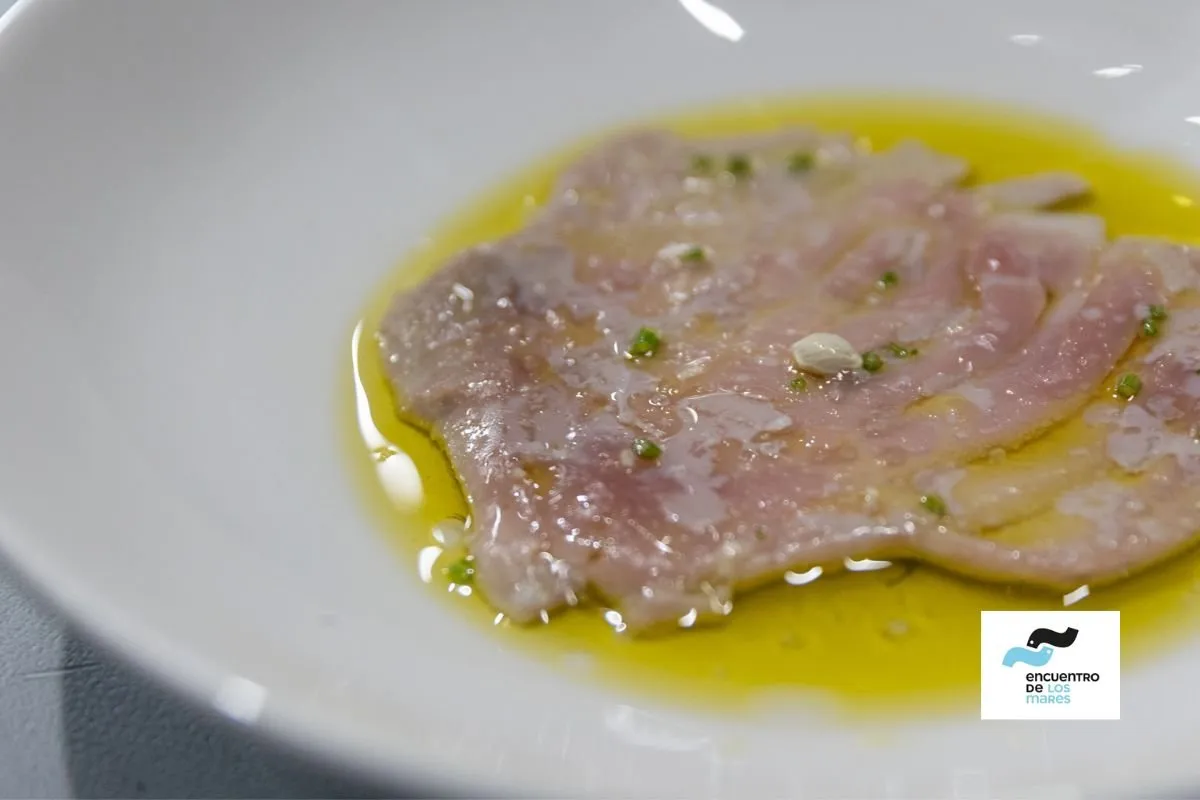
| Diego Schattenhofer | Recovering the flavour of Tenerife | Chef at Taste 1973, Tenerife, highlighted the importance of local, traditional produce. |
Nutrition and Public Health
| Speaker | Topic | Description |
|---|---|---|
| Carrie Ruxton | The nutritional benefits of shellfish | Renowned UK nutritionist, discussed the public health benefits of seafood (Encuentro de los Mares (opens in a new tab)). |
| Rosaura Lois | The best recipe for ageing well: the Atlantic diet | President of the Scientific Committee of the Fundación Dieta Atlántica, highlighted the importance of the Atlantic diet for health and healthy ageing. |
| Courtney Nichols Gould | The business behind the marine diet | Co-founder of New Atlantis DAO and SmartyPants Vitamins, spoke about developing sustainable nutritional products. |
Projects and Collaborations
| Speaker | Topic | Description |
|---|---|---|
| Roberto Rodríguez Prieto | Sustainable fishing | Fisherman, discussed sustainable fishing practices. |
| Arnau Subías | Gastronomic science | Marine scientist, presented collaborations between science and gastronomy for sustainability. |
| Pepe Solla | Receive, improve and carry on | Chef, highlighted good practices in fishing and gastronomy, based on his experience in Galicia. |
These presentations and discussions provided a platform for experts to share their knowledge and experience, fostering an exchange of ideas that will undoubtedly contribute to a greater understanding and practice of sustainability in gastronomy and marine conservation.
Featured Activities of the Event
| Activity | Description |
|---|---|
| Round Table on Fish Consumption | Food distribution professionals, chefs and representatives of Pesca España took part, debating the causes of the stagnation in the consumption of fishery products in Spain. |
| Presentation of Best Practices | On the final day, fishing and culinary practices carried out with fishermen and chefs from Tenerife and Galicia were presented, highlighting the collaboration with Pepe Solla and Artesáns da Pesca. |
These activities and presentations underline the VI Encuentro de los Mares’ commitment to promoting blue health and sustainability, providing a space for reflection and joint action among scientists, chefs and other professionals in the sector.
Projects and Collaborations
The VI Encuentro de los Mares showcased several innovative projects and collaborations addressing sustainability and innovation in marine gastronomy. Below we highlight some of the most notable:
GastroBio: Innovation and Sustainability
Project Objectives and Their Relevance
GastroBio is a pioneering project focused on the traceability and sustainability of marine produce used in the restaurant trade. Its main aim is to research and improve the traceability of raw materials, analysing their biology to understand their life cycle, habitat, diet, taxonomy, morphology and capture methods. This research seeks to ensure that seafood is used sustainably, providing valuable information for chefs and consumers.
Collaboration Between Chefs and Marine Biologists
The GastroBio project is a collaboration between chef Rafa Zafra and marine biologist Arnau Subías. This partnership combines culinary expertise with scientific knowledge to promote sustainable practices in gastronomy. Together, Zafra and Subías work to ensure that the marine produce used in restaurants is high-quality and sustainable, promoting cuisine that respects and preserves marine ecosystems.
International Initiatives
Chele González: Cuisine and Biodiversity in the Philippines
Chele González, chef at Gallery By Chele in Manila, the Philippines, presented his approach to cuisine and biodiversity. González highlighted how his restaurant integrates marine biodiversity into its cooking, using techniques that respect and value local marine produce without the need for refrigeration. This approach not only preserves the freshness of the ingredients, but also supports sustainability and marine biodiversity in the region.
Gianfranco Pascucci: Sustainable Cuisine in Italy
Gianfranco Pascucci, chef at Pascucci al Porticciolo in Italy, spoke about his commitment to sustainable cuisine. Pascucci focuses on integrating marine and land produce in his dishes, promoting sustainable fishing practices and the use of local, seasonal ingredients. His cooking reflects a deep respect for the sea and its resources, and seeks to educate consumers on the importance of sustainability in gastronomy.
Diego Schattenhofer: Scientific Innovation in Gastronomy
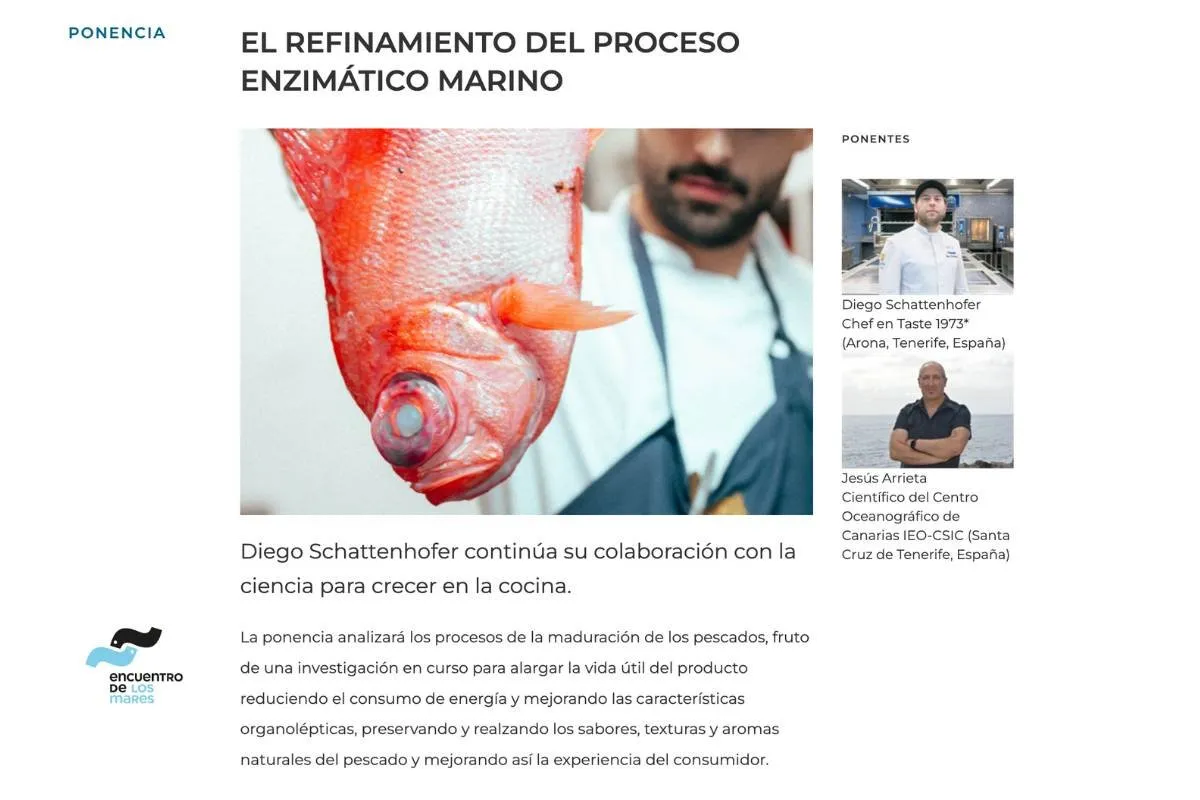
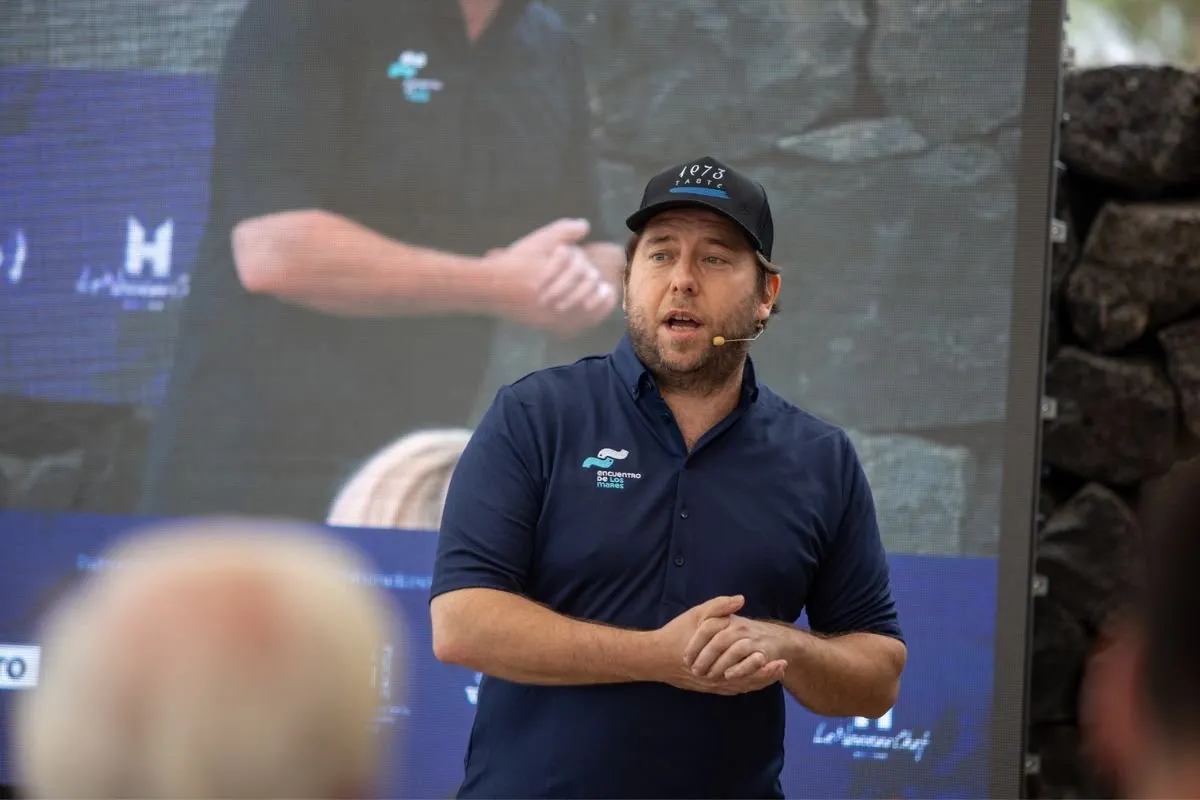
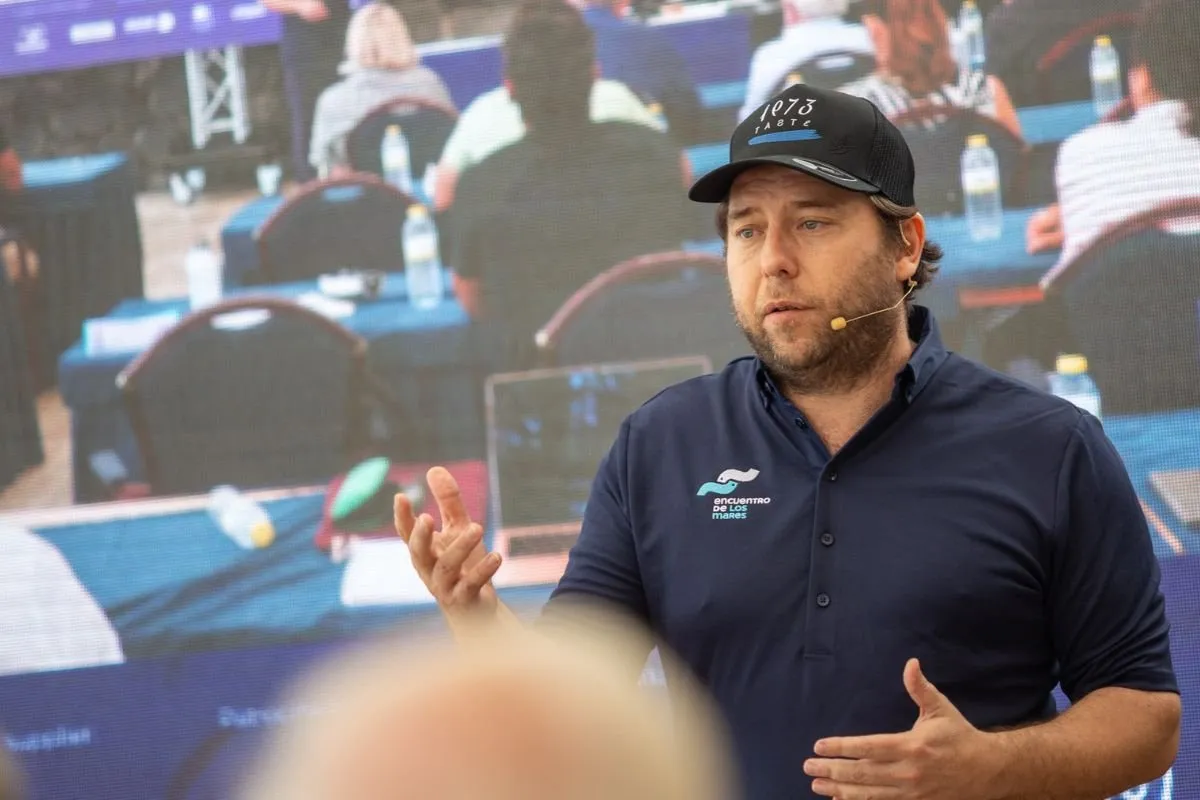
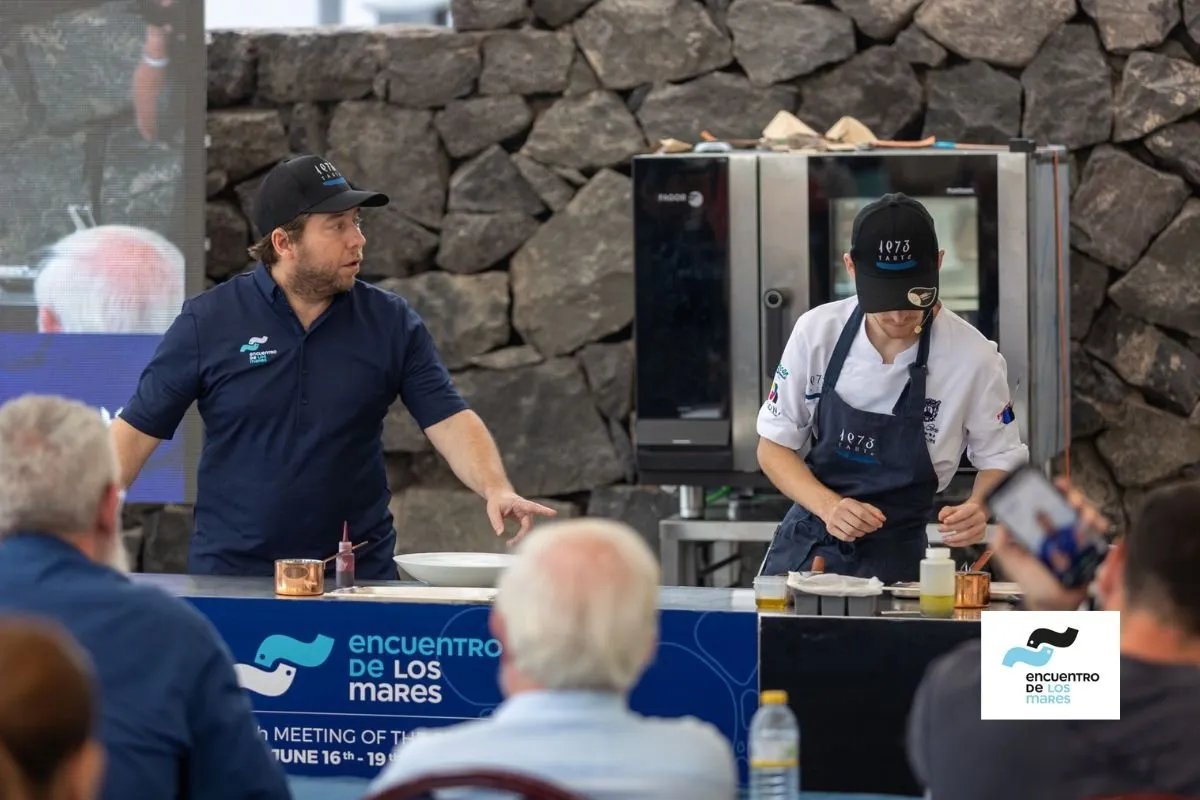
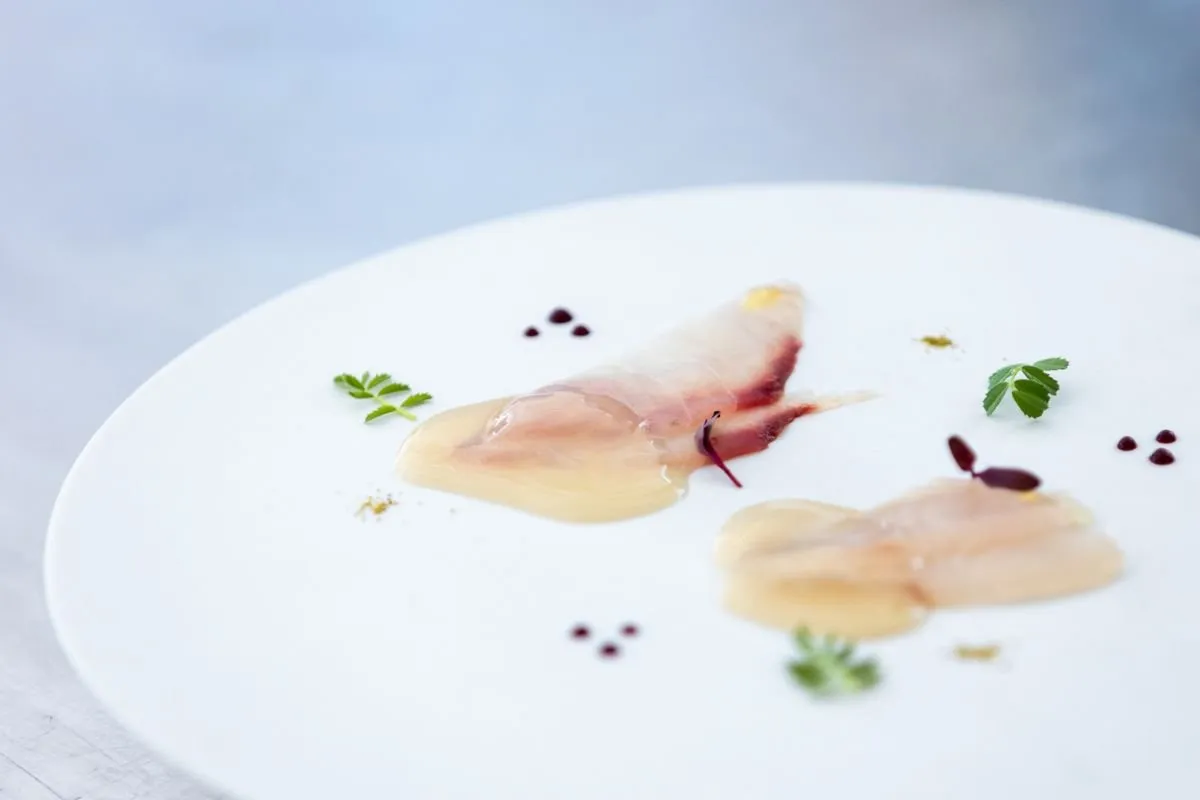
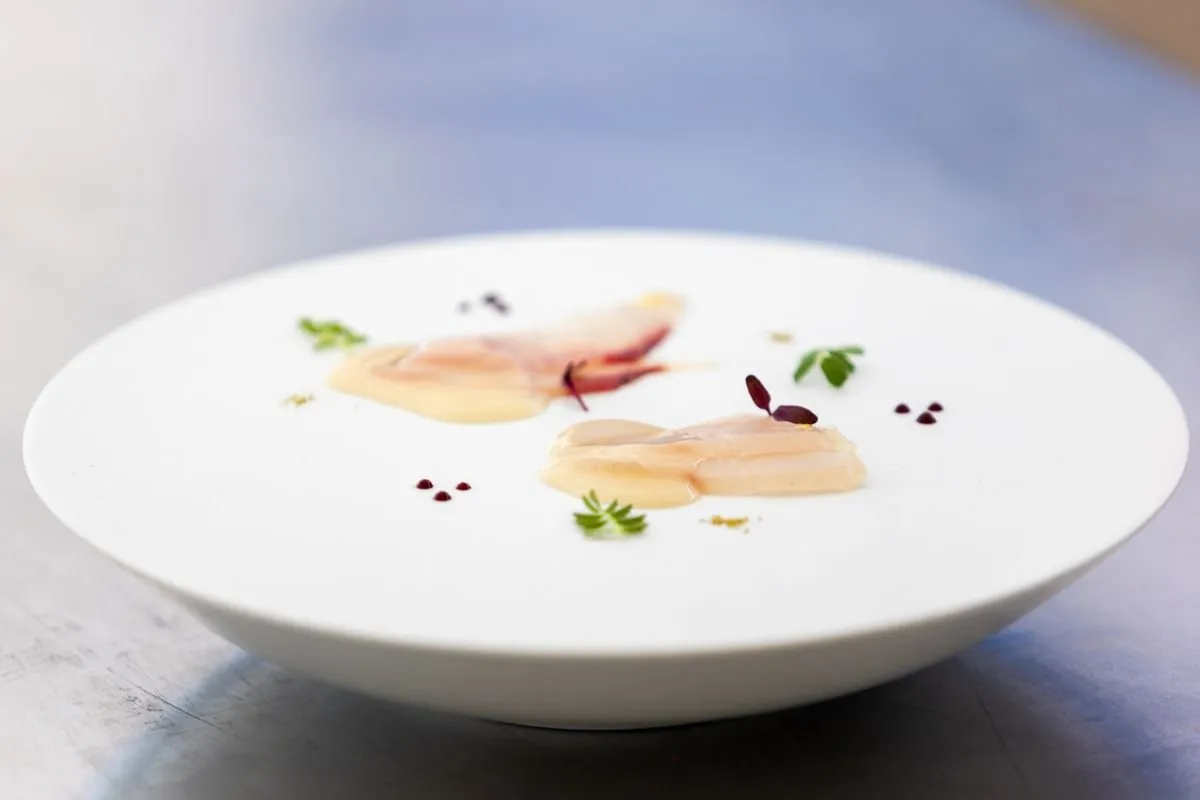
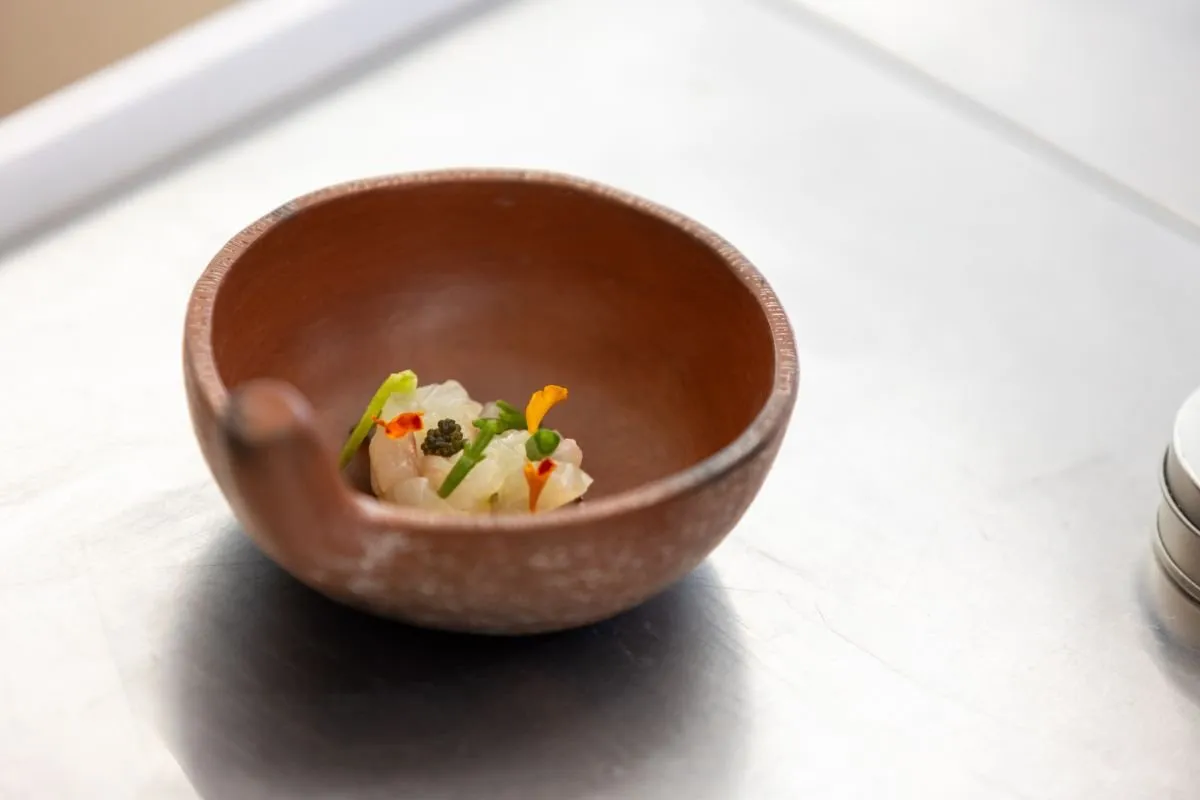
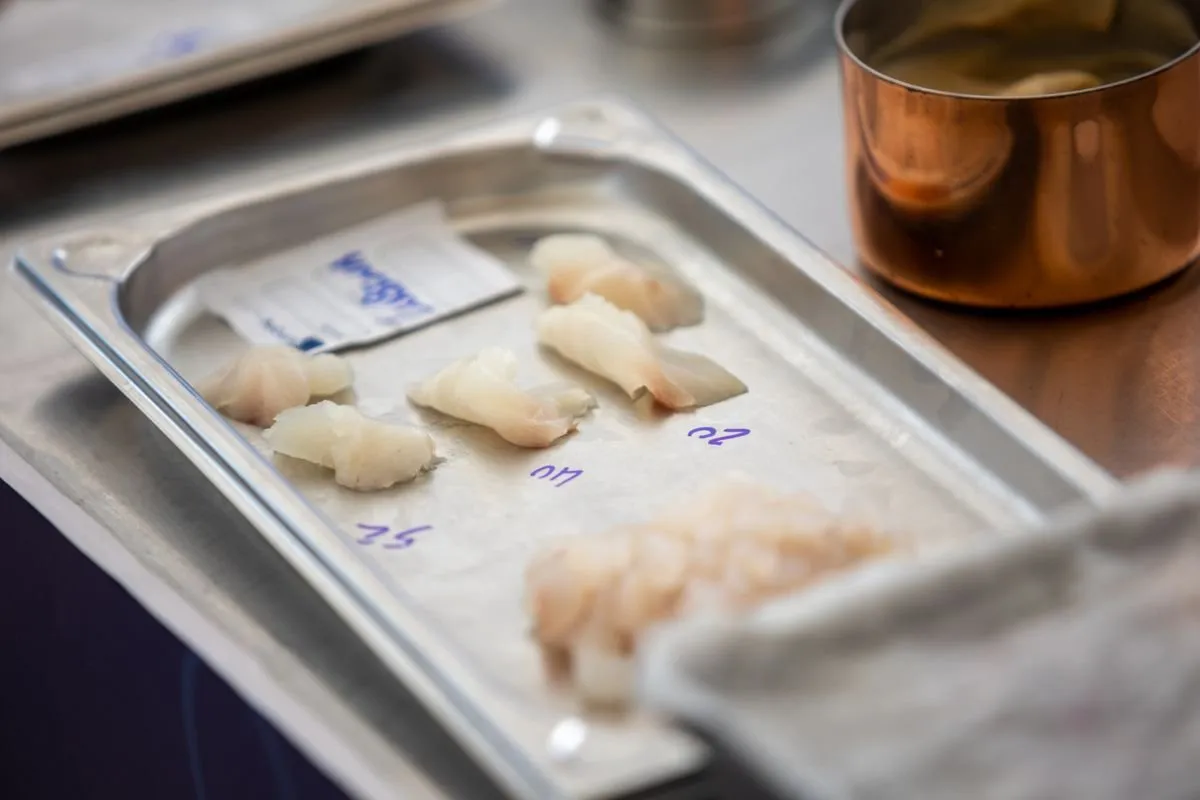
Another of the interdisciplinary projects highlighted at this edition is the one led by Argentine-Canarian chef Diego Schattenhofer, of Restaurante Taste 1973 in Playa de las Américas, Arona. One of his lines of work focuses on finding scientific solutions applied to the world of gastronomy, such as extreme fish maturation.
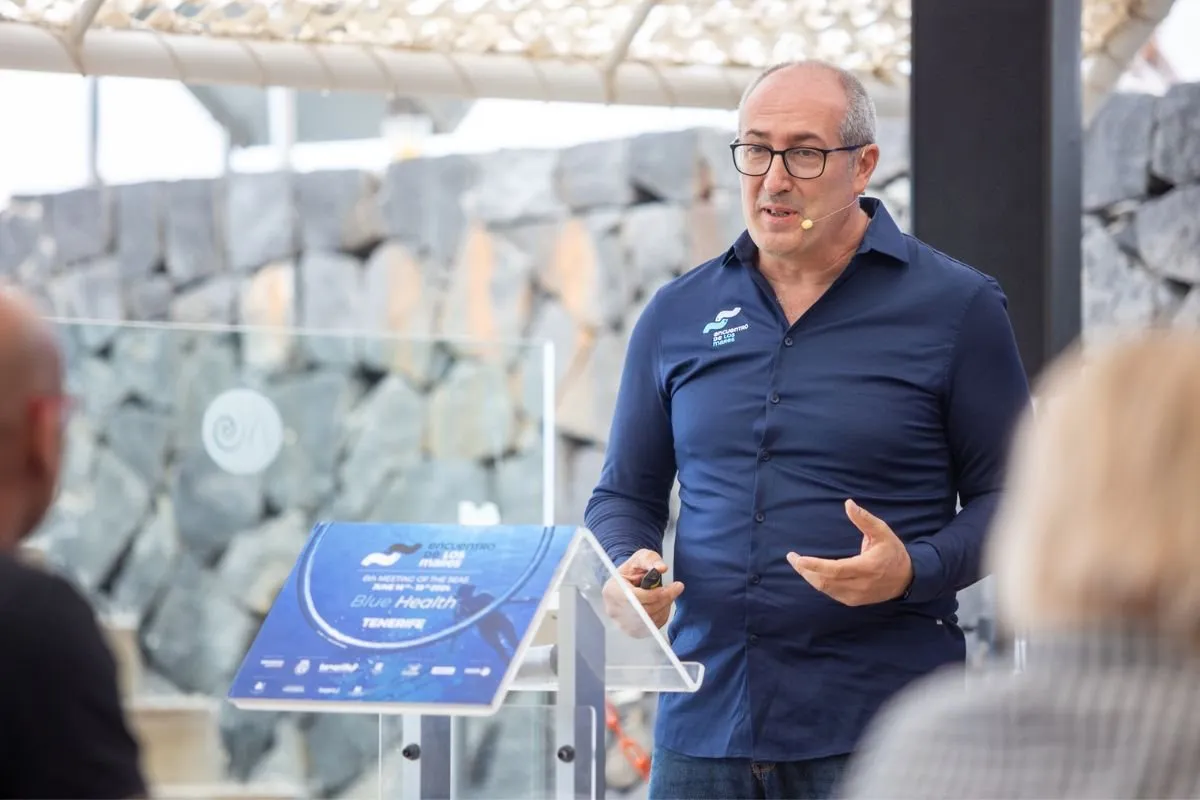
During the Encuentro de los Mares, Schattenhofer spoke about the refinement of the marine enzymatic process together with Jesús Arrieta, a scientist at the Centro Oceanográfico de Canarias IEO-CSIC, with whom he collaborates on several projects.
These initiatives and collaborations underline the VI Encuentro de los Mares’ commitment to innovation and sustainability, promoting practices that not only improve the quality of the marine produce used in gastronomy, but also ensure the protection and preservation of marine ecosystems for future generations.
Challenges and Solutions in Fish Consumption
The VI Encuentro de los Mares also addressed in depth the current challenges related to fish consumption in Spain, as well as the proposed solutions for overcoming these obstacles.
The Current State of Fish Consumption in Spain
Current Statistics and Trends
Fish consumption in Spain has experienced a significant stagnation in recent years. Currently, only one in four Spaniards regularly consumes fresh, frozen or tinned fishery and aquaculture products. In Spanish households, fish consumption has fallen to a historic low of 18.5 kilos per person per year, a third less than ten years ago and far below the 40 kilos at the start of the century.
Causes of the Stagnation in Consumption
The causes of this stagnation include the perception of fish as an expensive product that is difficult to prepare, as well as competition from other protein sources seen as more convenient and affordable. In addition, a lack of awareness of the nutritional benefits of fish and the importance of a balanced diet has also contributed to the decline in consumption.
Round Table on Fish Consumption
During the event, a round table was held with the participation of food distribution professionals, chefs and representatives of Pesca España, an association of producer organisations seeking to encourage the consumption of Spanish wild-caught fishery products. The participants included:
| Participant | Role/Organisation | Topic Covered |
|---|---|---|
| Chema León | Marketing Director, Makro España | Marketing strategies to promote fish consumption |
| Ignacio Solana | Chef, La Bien Aparecida* (Cantabria) | Culinary techniques to make fish more accessible and appealing |
| José Álvarez | Chef, La Costa* (El Ejido, Almería) | Innovation in fish cookery to attract more consumers |
| Antonio Nieto | Manager, Pesca España | Policies and measures to support producers and distributors |
Proposals to Increase Consumption of Fishery Products
The proposals discussed during the round table included:
- Educational Campaigns: Raising public awareness of the nutritional benefits of fish and how to incorporate it into the daily diet simply.
- Promotions and Offers: Implementing marketing strategies and promotions to make fish more affordable.
- Innovation in Presentation and Preparation: Developing new ways of preparing and presenting fish that are more appealing and convenient for modern consumers.
- Support for Sustainable Fishing: Encouraging sustainable fishing practices and ensuring product traceability to build consumer trust.
These initiatives and discussions provided a comprehensive view of the challenges and solutions in fish consumption, underlining the importance of collaboration between producers, distributors and chefs to promote a healthy, sustainable diet.
Conclusion
The VI Encuentro de los Mares in Tenerife has proven to be a crucial event for the exchange of knowledge and the promotion of sustainable practices in gastronomy and marine conservation. Speakers highlighted the importance of the oceans for human health and the need for sustainable innovations in the kitchen.
The focus on “Blue Health” has reinforced understanding of how protecting marine ecosystems is essential for our health and wellbeing. Collaborations between chefs and scientists have shown how combining knowledge can lead to practical solutions that benefit both the restaurant industry and the environment.
Discussions and presentations have underlined the urgency of adopting sustainable practices in fishing and aquaculture. The proposals for increasing fish consumption and the innovative strategies in the kitchen have been particularly inspiring, offering clear paths for addressing current challenges.
The event has strengthened the network of professionals committed to sustainability, creating a space for ongoing collaboration and the exchange of ideas. This commitment is essential for advancing the protection of the oceans and the promotion of healthy eating.
The Revolution of Rural Cuisine: Trends and Technologies at the II International TERRAE Gathering
Culinary Scientific Study on Matured Goat Meat by Chef Diego Schattenhofer and Dr Marichu Fresno
We invite all professionals in the culinary and scientific sectors to join future gatherings, continuing the work towards more sustainable gastronomy and greater protection of our marine resources. Active participation and commitment to sustainable practices are crucial to ensuring that future generations can enjoy the benefits of the oceans.
The VI Encuentro de los Mares has made clear that sustainability is not just a trend, but a pressing necessity. Adopting responsible practices in fishing, aquaculture and gastronomy must be a priority for all stakeholders involved.
By promoting greater awareness and action towards protecting the oceans and human health, the Encuentro de los Mares remains a vital platform for positive change in the restaurant industry and beyond.
Frequently asked questions
What is the VI Encuentro de los Mares?
What was this year's central theme of the event?
Who were some of the featured speakers?
Ángel León: Chef at Aponiente restaurant.
Carrie Ruxton: UK nutritionist.
Rafa Zafra: Chef at Estimar, Barcelona.
Daniel Pauly: Principal investigator of the Sea Around Us initiative.
Chele González: Chef at Gallery By Chele, Manila.
What is the GastroBio project?
What were some of the topics covered in the round tables?
Who organised the VI Encuentro de los Mares?
What was the expected impact of the VI Encuentro de los Mares?
You may also like
Diego Schattenhofer at the VIII Encuentro de los Mares: new horizons for seafaring cuisine
Congresses
The Revolution of Rural Cuisine: Trends and Technologies at the II International TERRAE Gathering
Congresses
Reinventing the hot buffet: Diego Schattenhofer at the VI Congreso Nacional CLAVE F&B
Congresses