The Revolution of Rural Cuisine: Trends and Technologies at the II International TERRAE Gathering
- Published
- Section
- Congresses
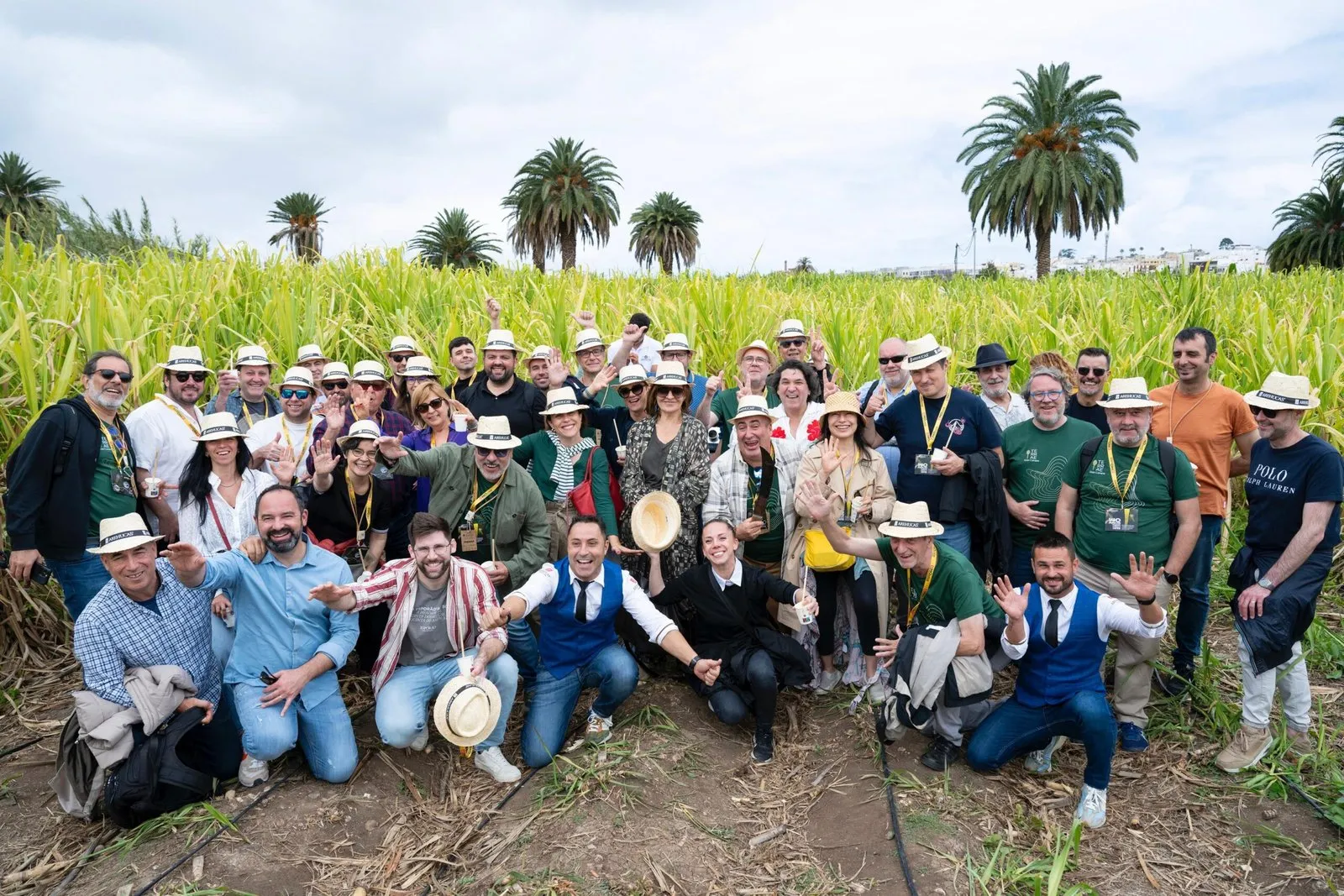
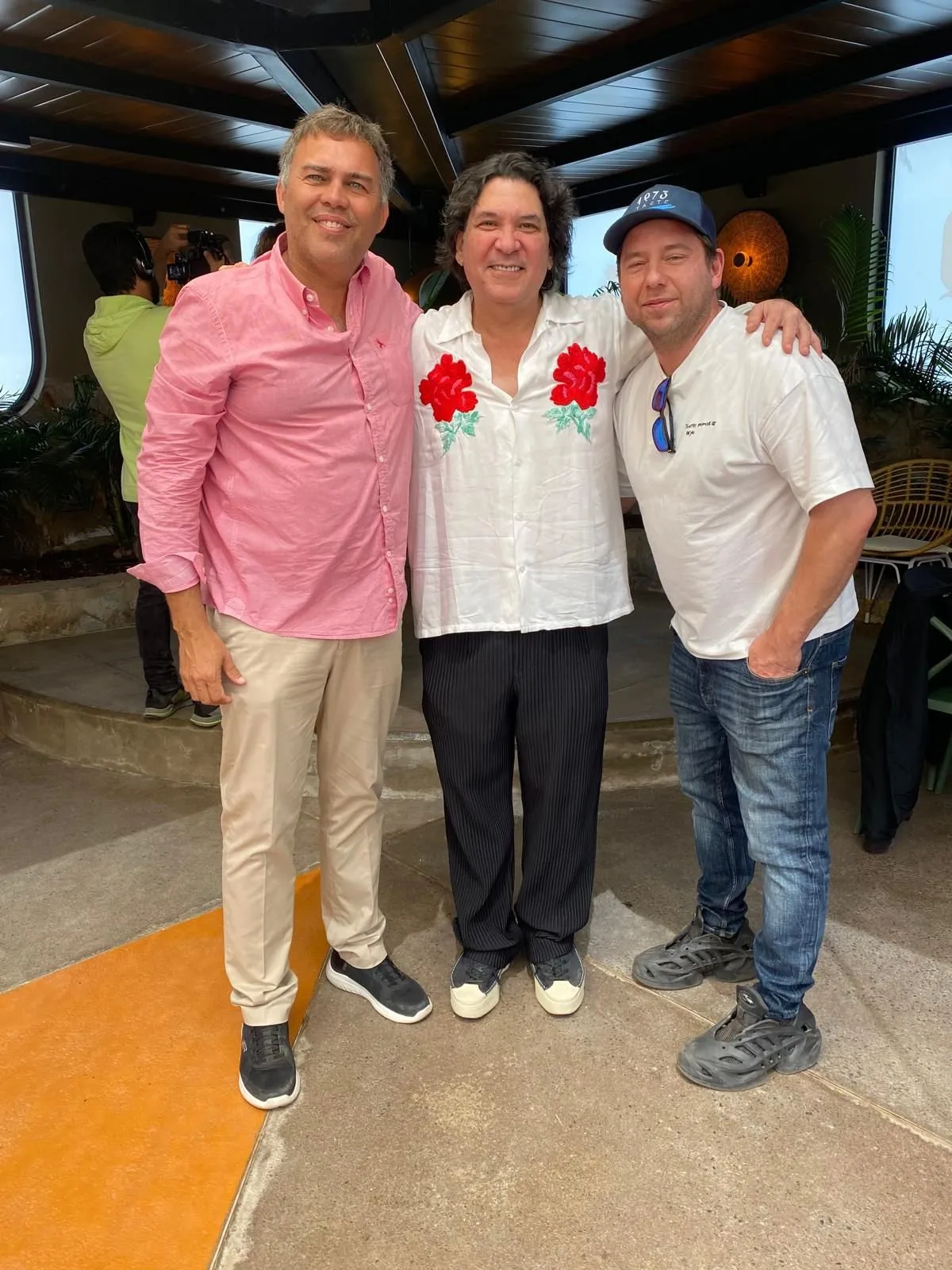
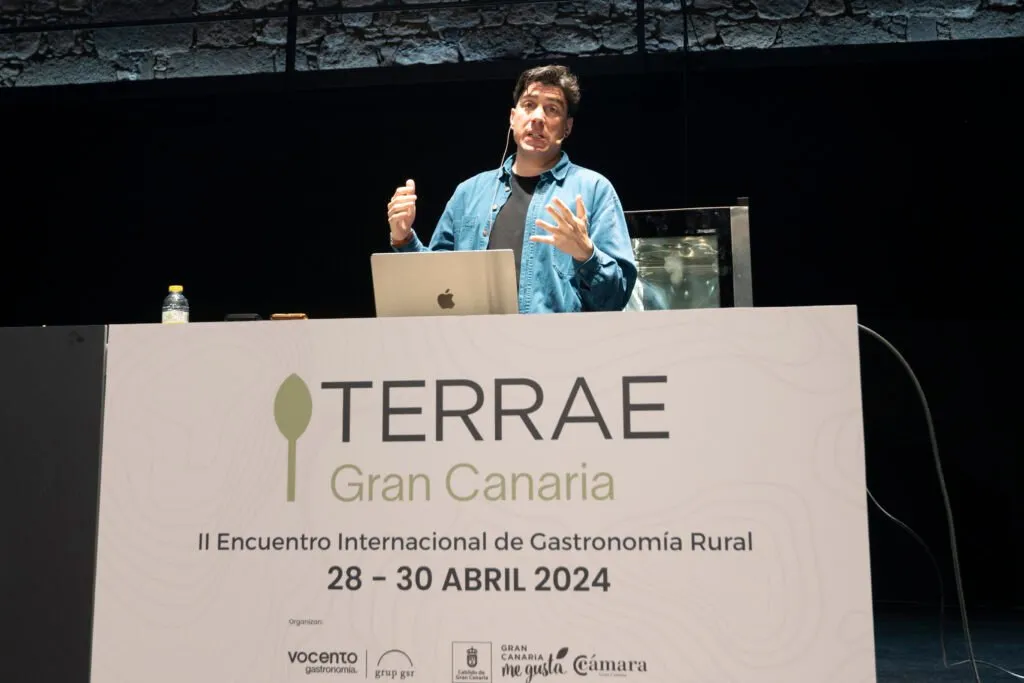
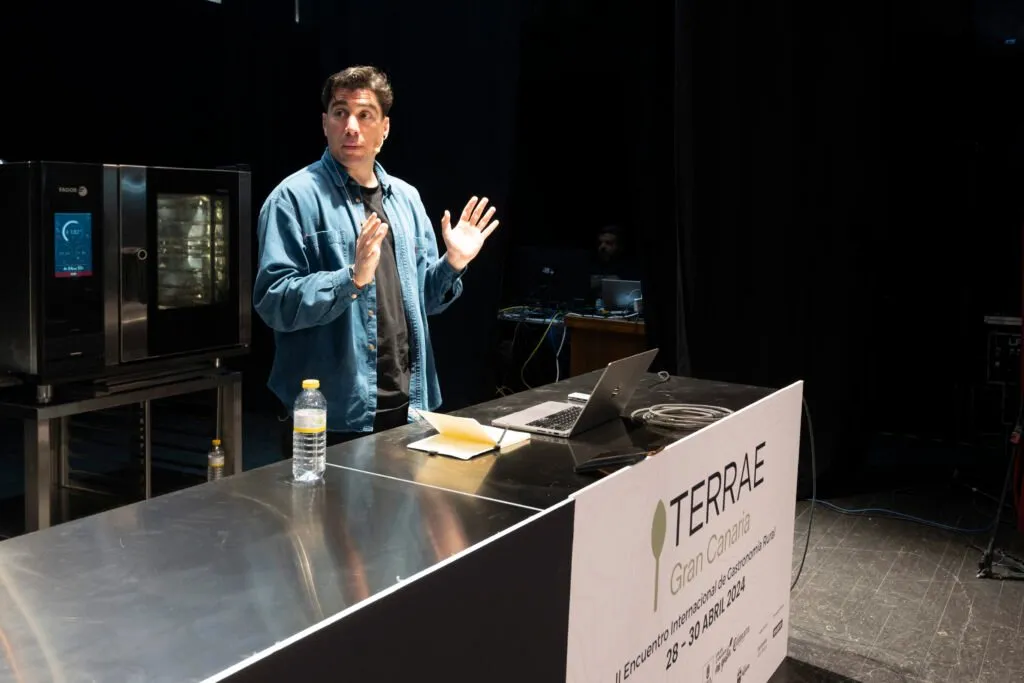
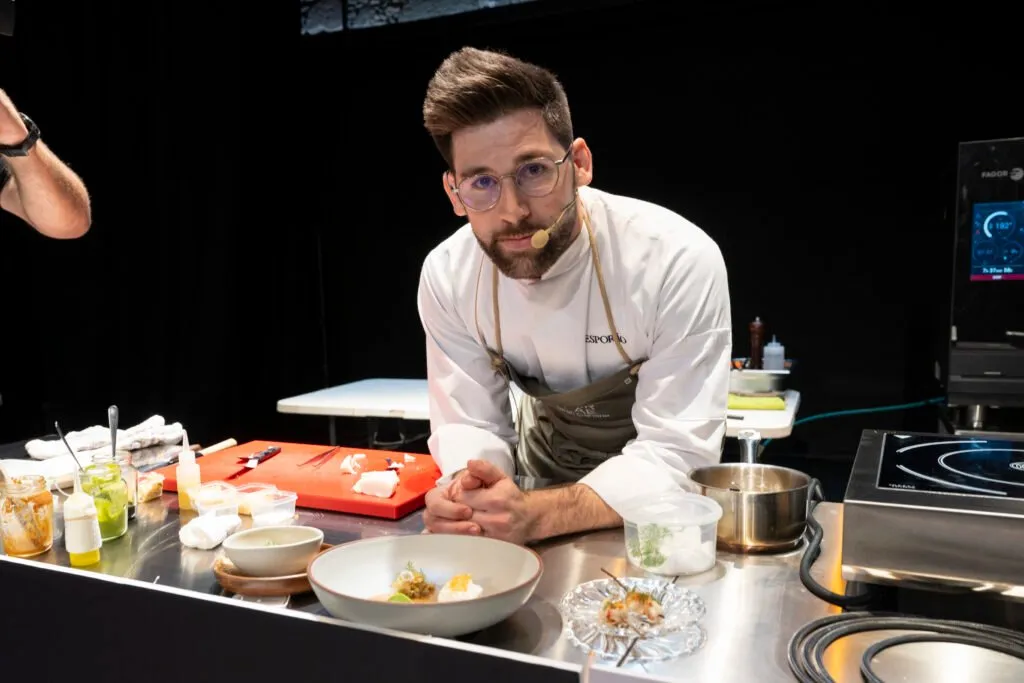
The recent II International Rural Gastronomy Gathering TERRAE brought together leading figures from national and international cuisine. Among the guests was Chef Diego Schattenhofer, who holds a Michelin star and a Repsol Sun.
The event was a space for enriching debates and discussions that charted the direction of the future of rural cuisine.
Below is a summary of the emerging trends and technologies shaping this new gastronomic era, alongside the chef’s own experience and contributions to the congress.
Technological Advances in Rural Gastronomy
The II International Rural Gastronomy Gathering TERRAE served as an essential forum for exploring how the integration of advanced technologies is redefining the landscape of rural gastronomy.
The use of drones and digital devices to monitor and manage livestock and crops is radically transforming traditional farming practices.
These advances allow for more precise and efficient oversight, resulting in better resource management and increased productivity.
Artificial intelligence (AI) is also beginning to play a revolutionary role across the entire food production and service cycle.
From the automation of tractors and irrigation systems that respond in real time to environmental conditions, to algorithms that design recipes tailored to local tastes and available resources, AI is enabling a new era of efficiency and personalisation in rural cuisine.
This synergy between technology and tradition not only optimises existing operations but also helps preserve culinary traditions. Adapting these ancestral practices to the demands of the modern world ensures that rural gastronomic heritage not only survives, but thrives.
Technology allows these traditions to be passed on to new generations in ways that are sustainable and relevant to the current context, blending the best of the past with the possibilities of the future.
Sustainability and the Circular Economy in the World of Rural Gastronomy
During the congress, emphasis was placed on the importance of sustainability and the circular economy, principles that Chef Schattenhofer has deeply embedded in his kitchen. Smart technologies applied to minimise waste and optimise the use of natural resources define the new identity of rural cuisine, which seeks to minimise its environmental impact while maximising efficiency.
| Technology | Application in Rural Gastronomy | Potential Benefits |
|---|---|---|
| Drones and Sensors | Monitoring and optimising livestock and crops | Cost reduction and greater efficiency |
| Artificial Intelligence | Resource optimisation and recipe development | Culinary innovation and sustainability |
| Digital Tools | Improved traceability and quality | Increased food safety |
The Importance of Gastronomy in Keeping Rural Populations in Place
The event also addressed how gastronomy plays a fundamental role in keeping populations in rural areas. The direct connection with local producers and the added value of native produce not only attract tourism, but also strengthen local economies.
The Dialogue on the Advance of Rural Cuisine
At the II International Rural Gastronomy Gathering TERRAE 2024, several leading chefs made significant contributions across different areas of debate and collaboration. Here are the most notable contributions from some of these chefs during the event:
Carlos Teixeira (Chef at Rest. Herdade do Esporao**, Portugal): Gave a presentation focused on Portugal’s Alentejo region, highlighting the importance of seasonal and local produce. His contribution underlined how local gastronomy can be a pillar of rural identity and sustainability.
Miguel Warren (Chef and Owner of Gesto Campo y Cocina, Medellín, Colombia): Spoke about “GESTO; the food once shaped by the land and the gesture of the hand that touches it”, focusing on direct and respectful interaction with natural ingredients and how these gestures can transform rural cuisine.
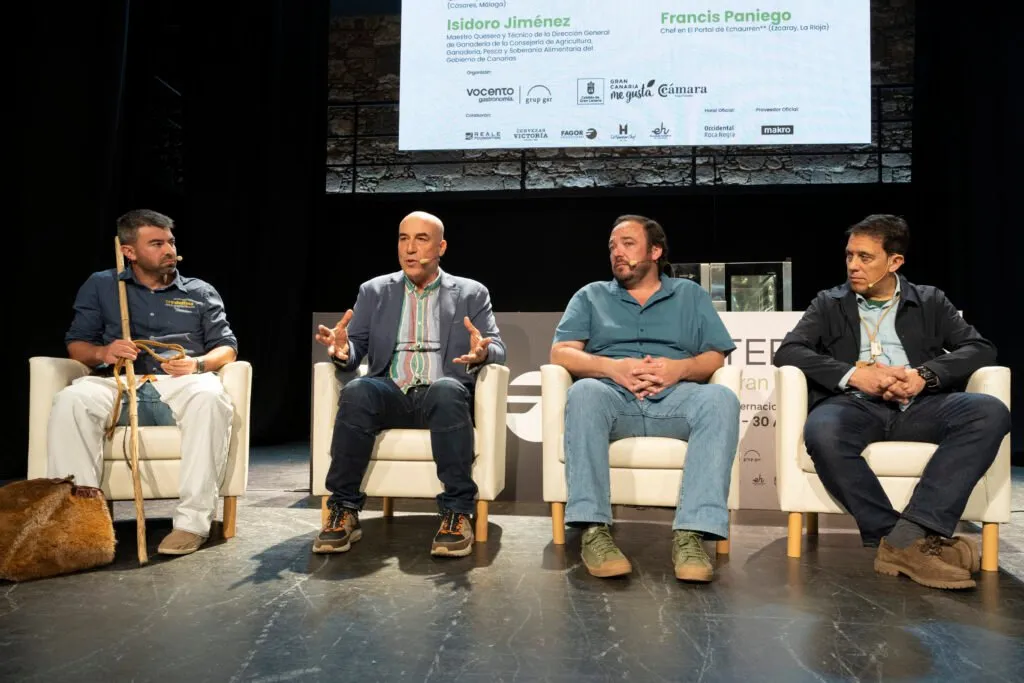
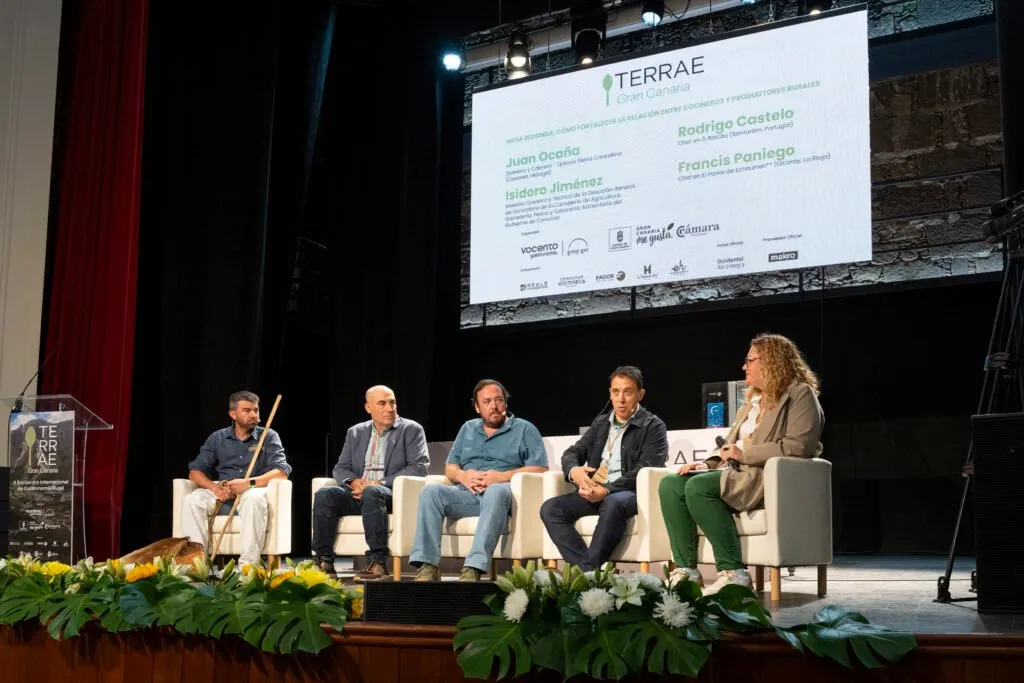
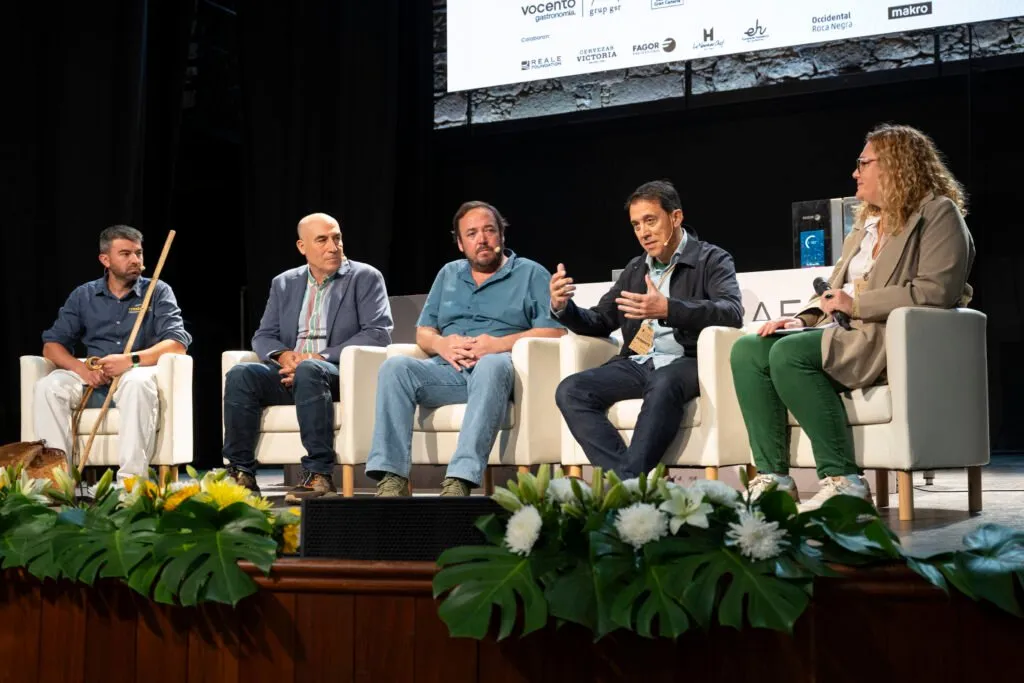
Round Table on How to Strengthen the Relationship Between Chefs and Rural Producers
This round table featured:
-
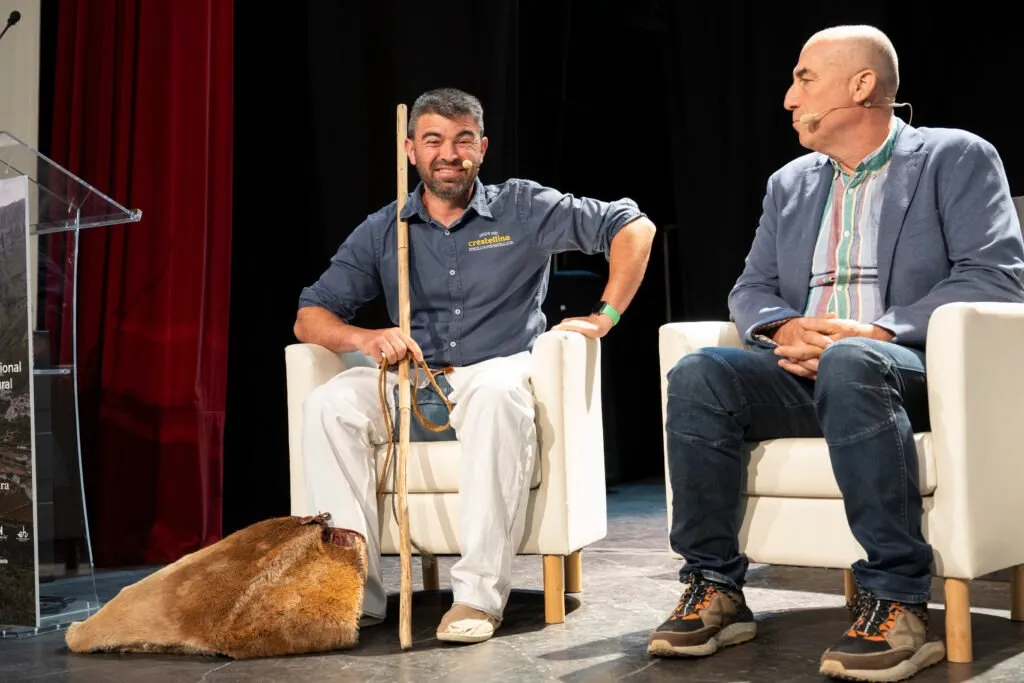
Juan Ocaña (Cheesemaker and Goatherd, Quesos Sierra Crestellina, Casares, Málaga)
-
Isidoro Jiménez (Master Cheesemaker and Technician, Directorate-General for Livestock at the Regional Ministry of Agriculture, Livestock, Fisheries and Food Sovereignty of the Government of the Canary Islands)
-
Rodrigo Castelo (Chef at Taberna Ó Balcão, Santarém, Portugal)
-
Francis Paniego (Chef at El Portal de Echaurren**, Ezcaray, La Rioja)
This round table discussed strategies for improving cooperation between chefs and producers, a crucial aspect for the sustainability and authenticity of rural gastronomy.
Round Table on the Role of Gastronomy in the New Rurality
Notable participants included:
-
Nandu Jubany (Chef and owner of Can Jubany*, Calldetenes, Catalonia)
-
Luis Alberto Lera (Chef and owner of Restaurante Lera*, Castroverde de Campos, Zamora)
-
Víctor Lugo (Owner of Finca la Laja and Bodega Los Berrazales, Agaete, Gran Canaria)
-
Maria Solivellas (Chef and owner of Ca Na Toneta*, Caimari, Mallorca)
This discussion focused on how gastronomy can be a tool for social and economic transformation in rural areas, highlighting the importance of connection with the land and local culture.
Gastón Acurio (Rest. Astrid & Gastón, Lima, Peru): Gave a talk on “Cuisine as an Instrument of Transformation”, showing how gastronomy can influence and lead social and cultural change, not only in Peru but globally.
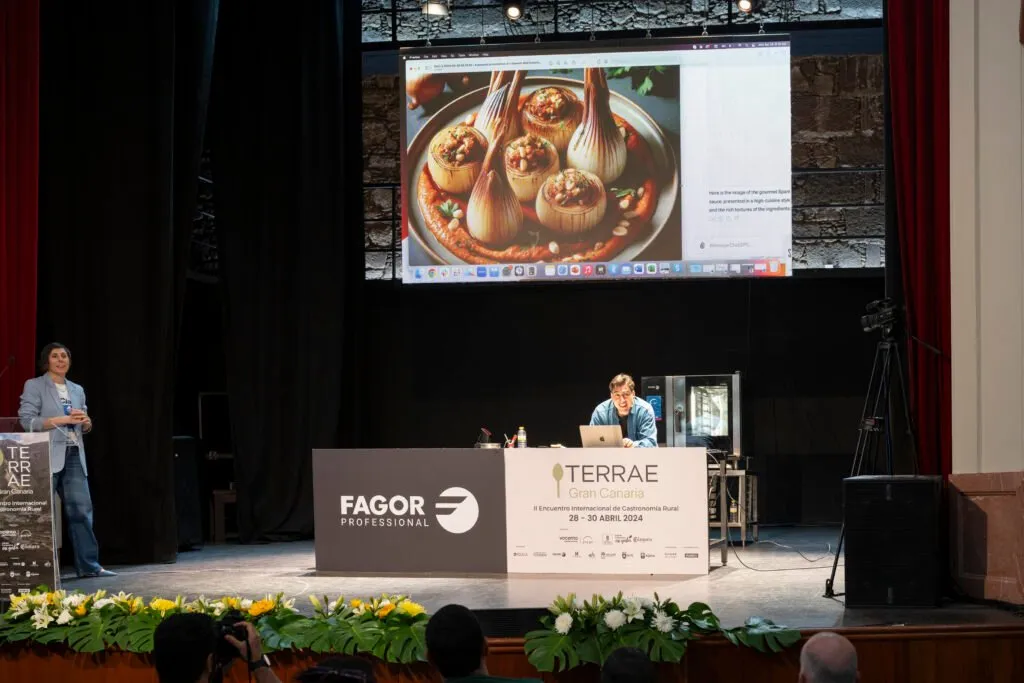
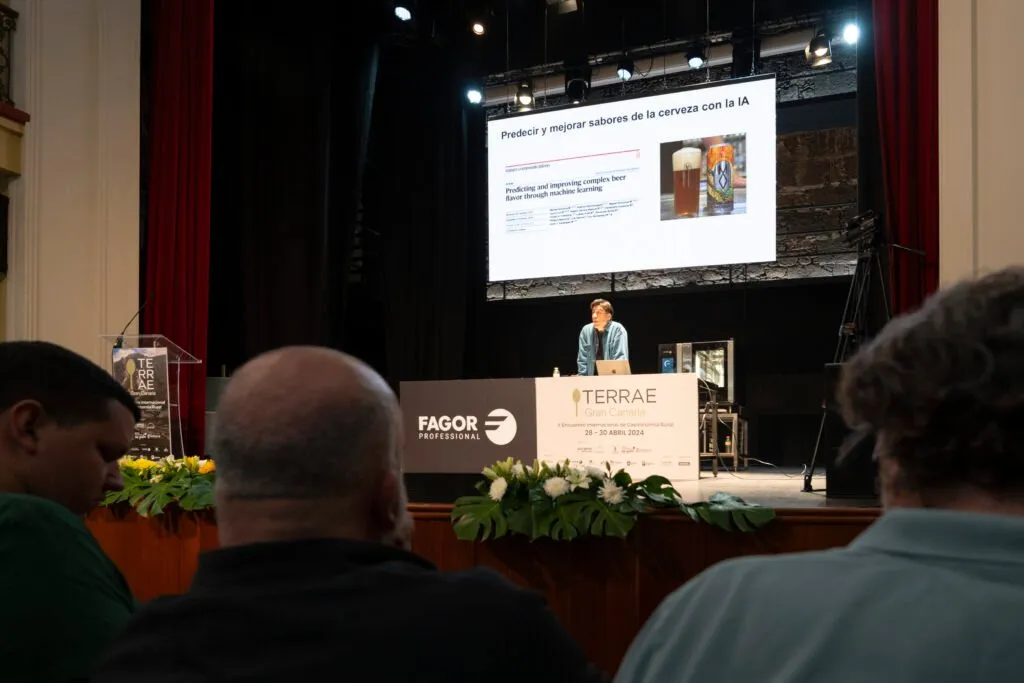
Eneko Axpe (Physicist and NASA adviser): Gave a presentation on “The Potential of Artificial Intelligence in Rural Gastronomy”, exploring how advanced technologies can be integrated into rural cuisine to improve efficiency and innovation.
Eneko Axpe – Enhancing Images with AI – Terrae 2024
These chefs and their discussions underlined the role of gastronomy not merely as a means of nourishment, but as a fundamental pillar of identity, sustainability and development in rural communities.
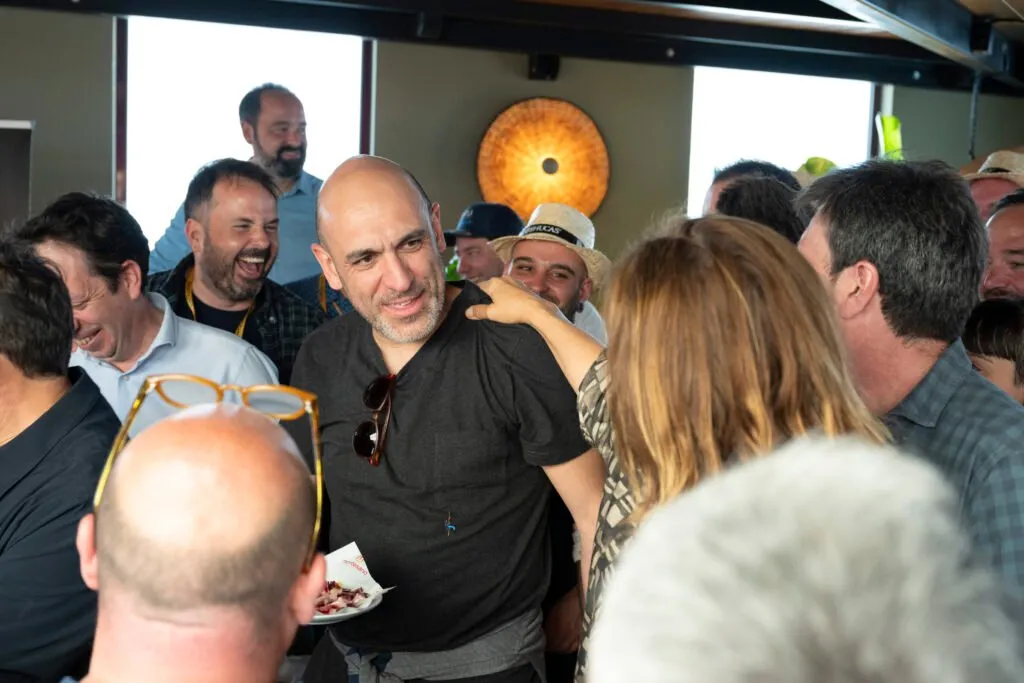
Luis Alberto Lera Chosen as Leader of the Rural Chefs
In a significant moment for rural gastronomy, Luis Alberto Lera was named nothing less than the first Mayor of the Rural Chefs during the second edition of Terrae, an international congress that celebrates and delves into the cuisine of rural areas. This event serves not only as a platform for sharing culinary knowledge and techniques, but also as a space for recognising and fostering local gastronomic culture.
Terrae 2024
Lera’s election, carried out by the chefs attending the congress, was a process notable for its inclusiveness and broad participation, with more than forty candidates in the running. Even so, Lera stood out among his peers, winning an absolute majority thanks to his deep focus and dedication to the preservation and promotion of rural cuisine.
On taking up this new role, Lera has committed to implementing significant changes that will benefit not only rural chefs, but also the communities they represent. His agenda includes initiatives to promote rural cuisine and preserve local traditions, ensuring that rural culinary heritage not only survives, but thrives.
The warm reception and strong support Lera received from his colleagues reflect the unity and commitment of the rural chefs’ community towards a common goal: revitalising and elevating their communities through gastronomy. Lera’s election represents not only recognition of his outstanding work to date, but also a clear mandate to lead and defend the interests of rural cuisine in the future.
Photo Galleries from the II International Rural Gastronomy Gathering TERRAE
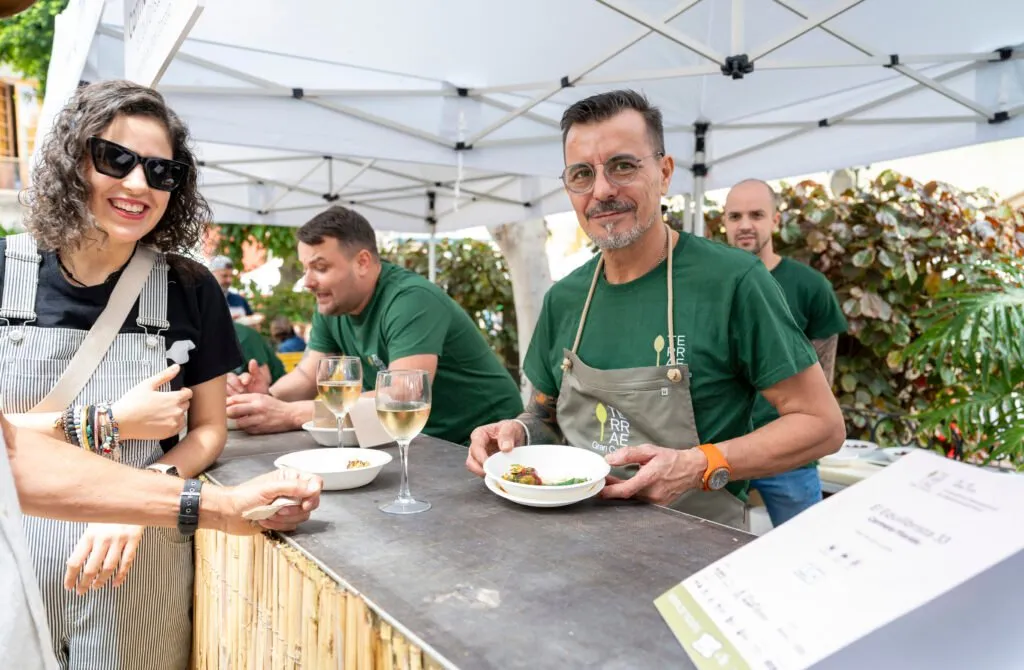
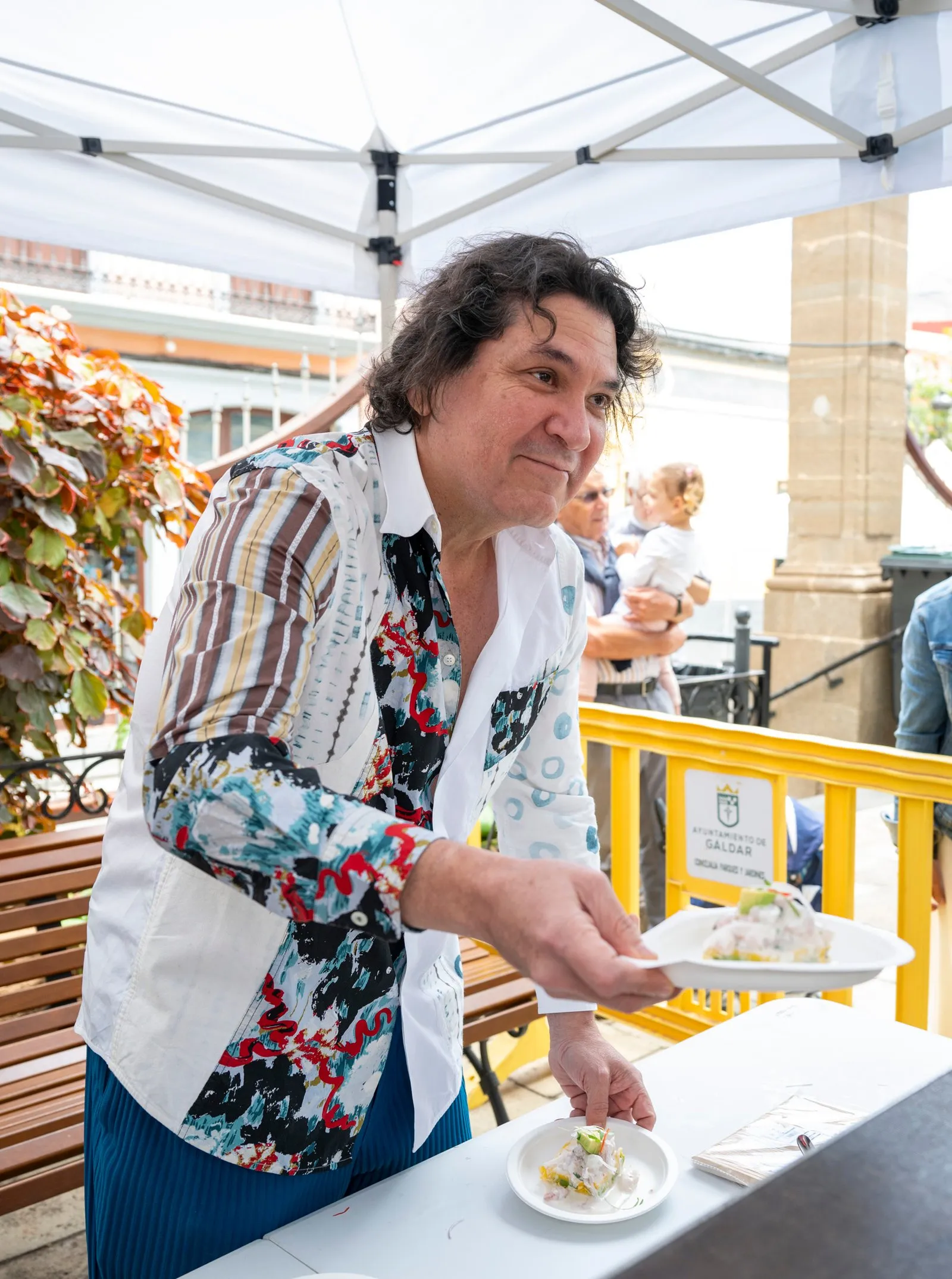
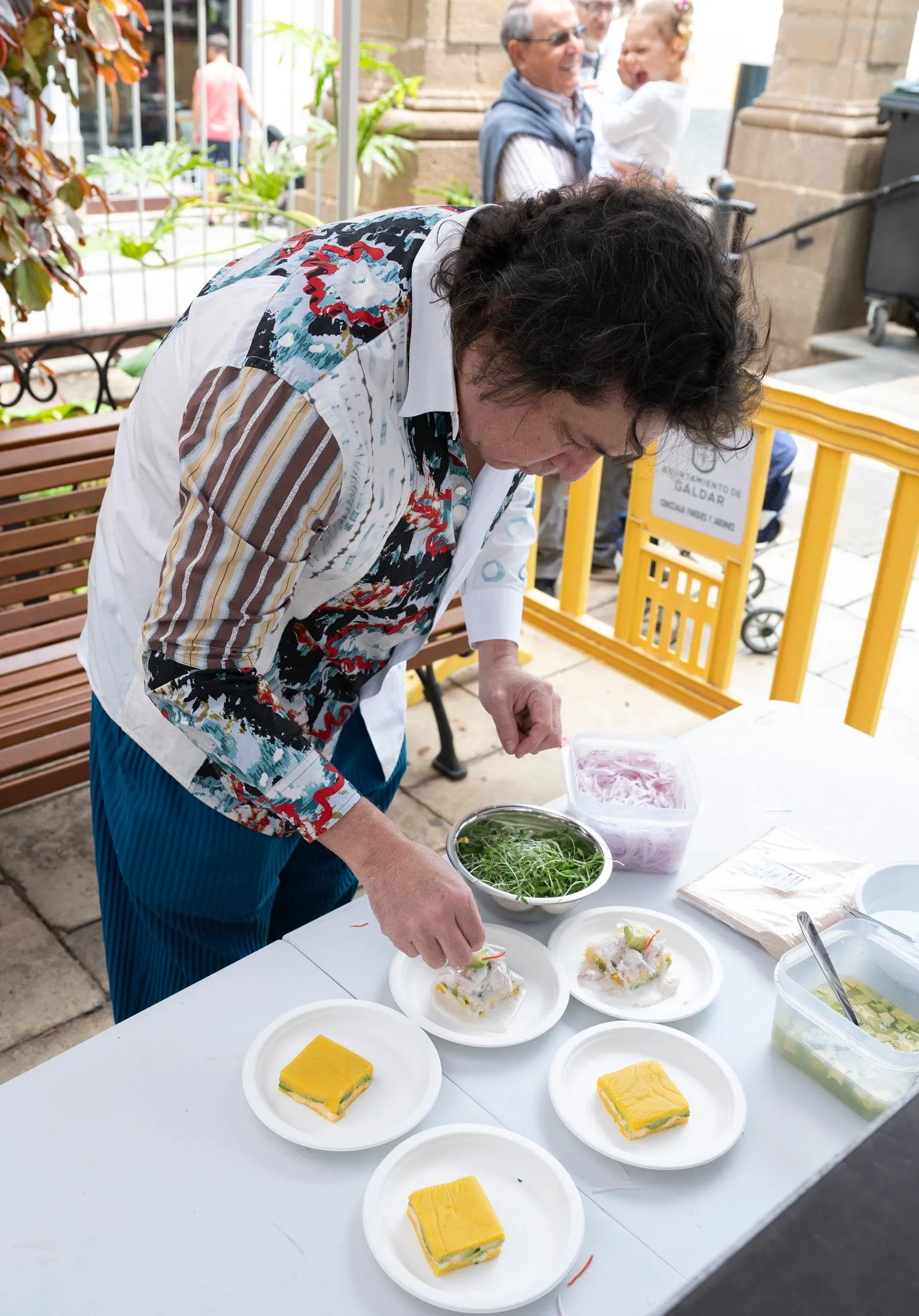
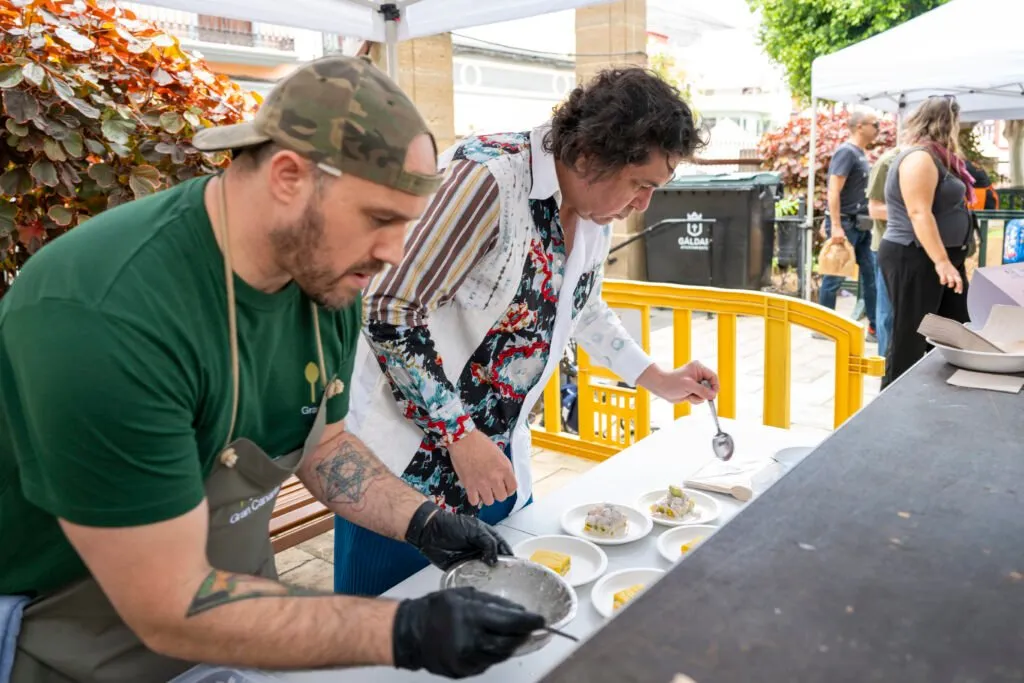
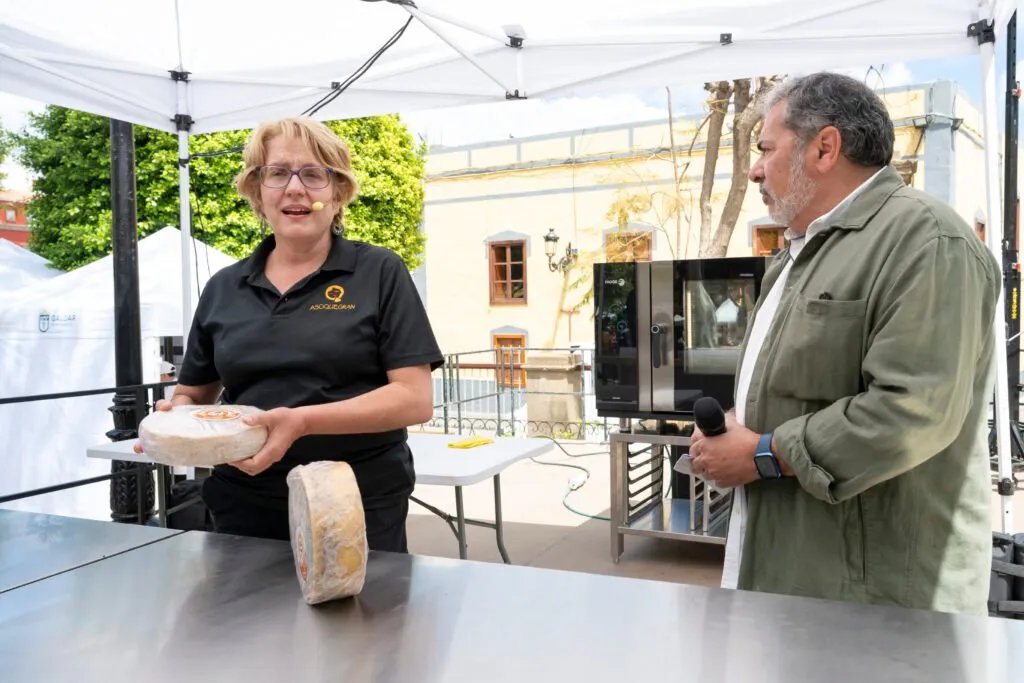
Comida Popular in Gáldar, Rural Gastronomy
Gáldar is a small town in the northwest of the island of Gran Canaria, in the Canary Islands, Spain. It is known for its rich history, having been one of the island’s two pre-Hispanic kingdoms and the seat of the court of the Guanarteme, one of the aboriginal kings.
Gáldar is famous for its archaeological heritage, including the Cueva Pintada, one of the most important archaeological sites in the Canary Islands.
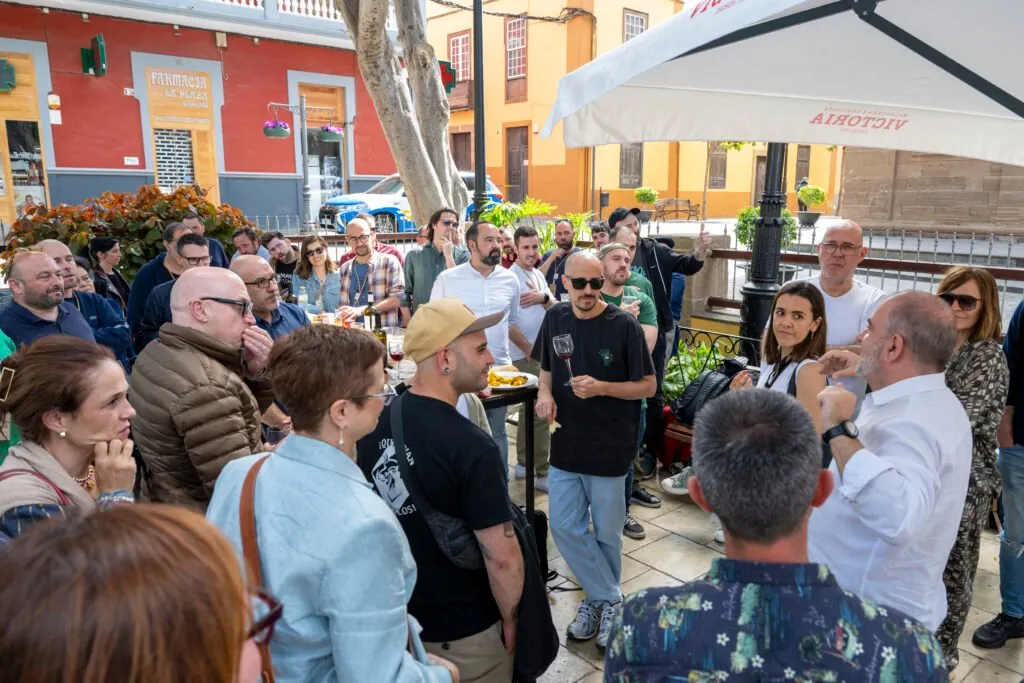
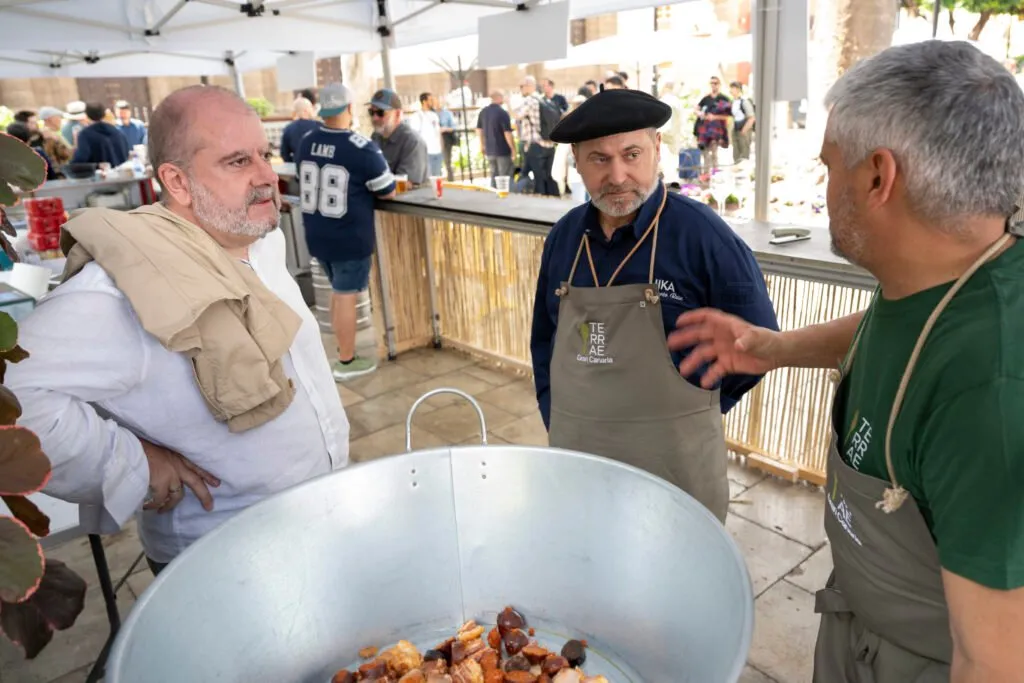
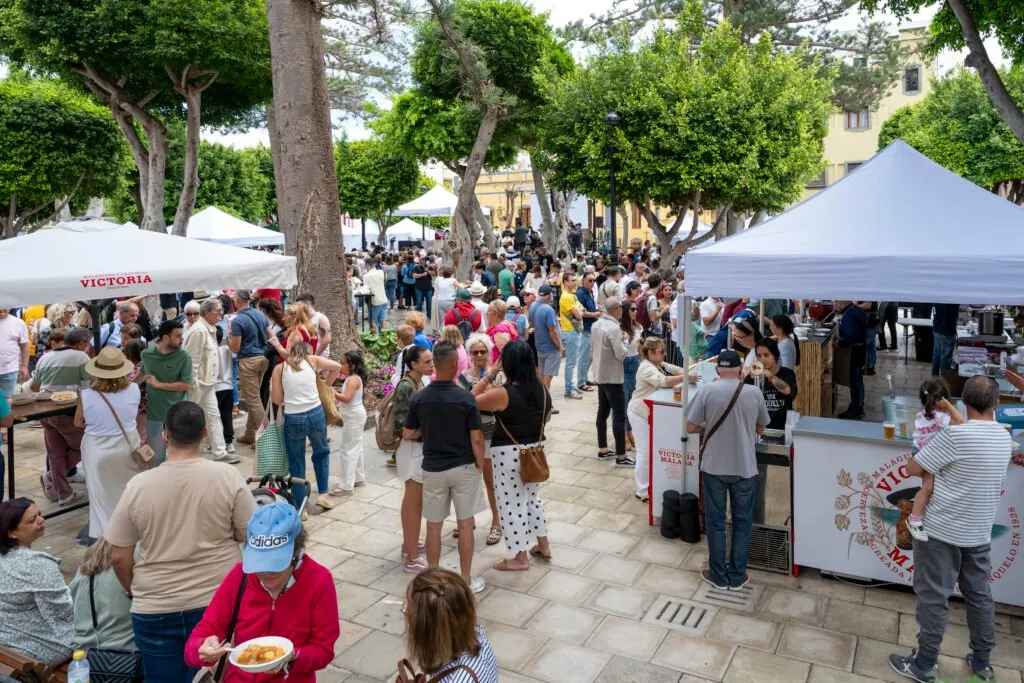
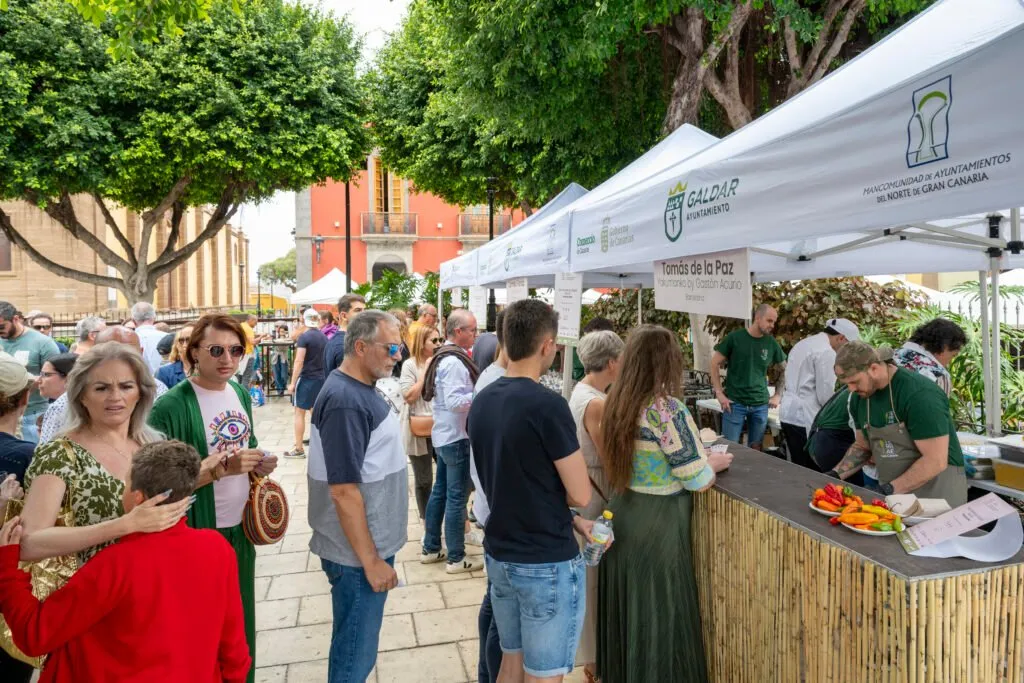
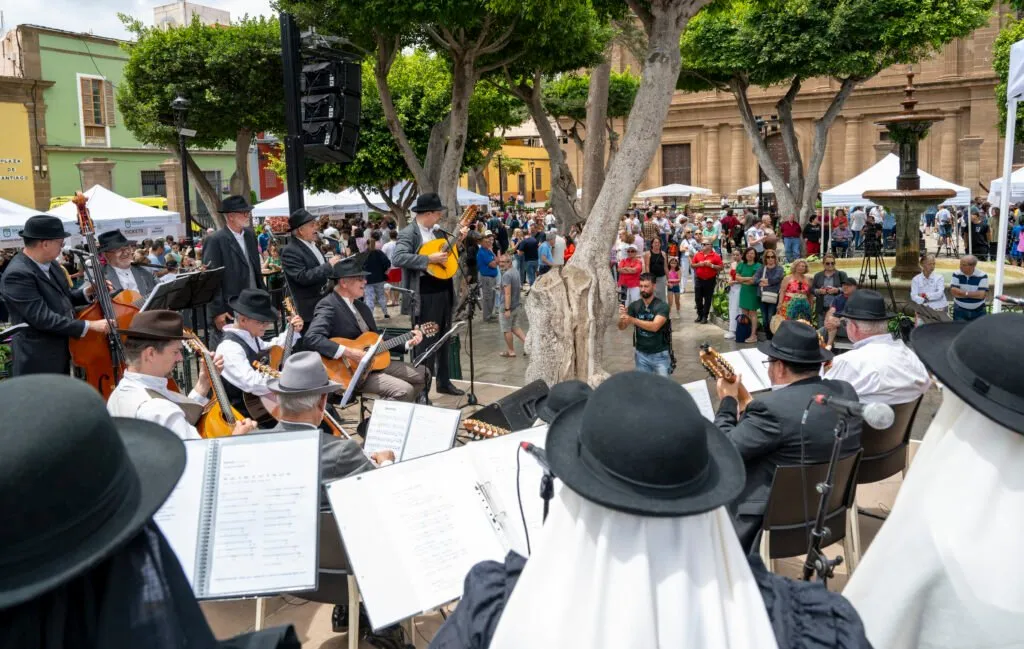
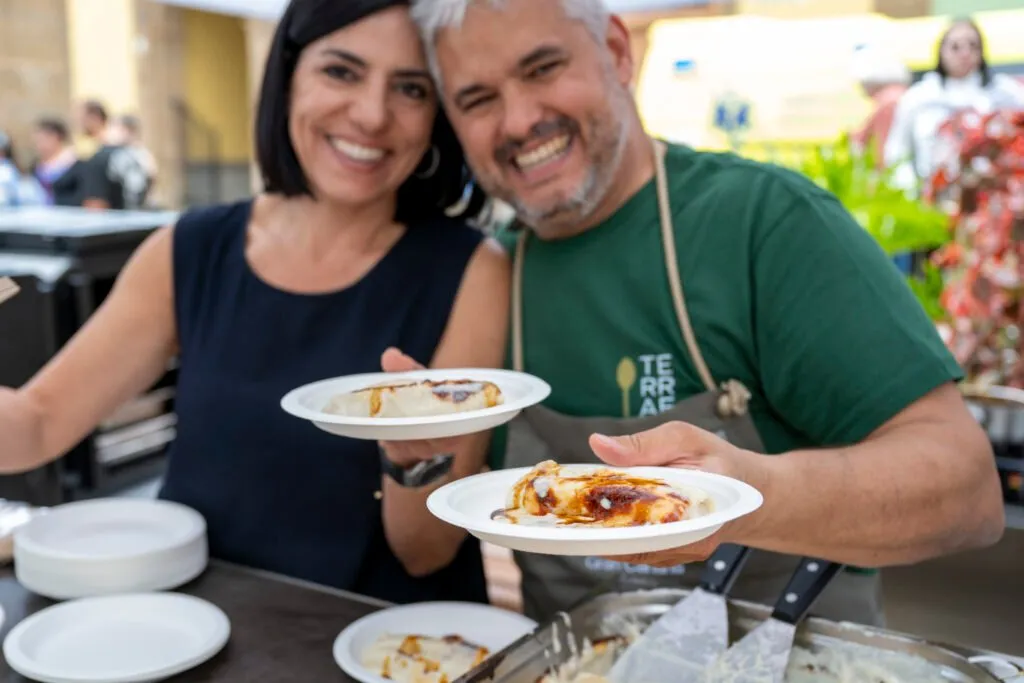
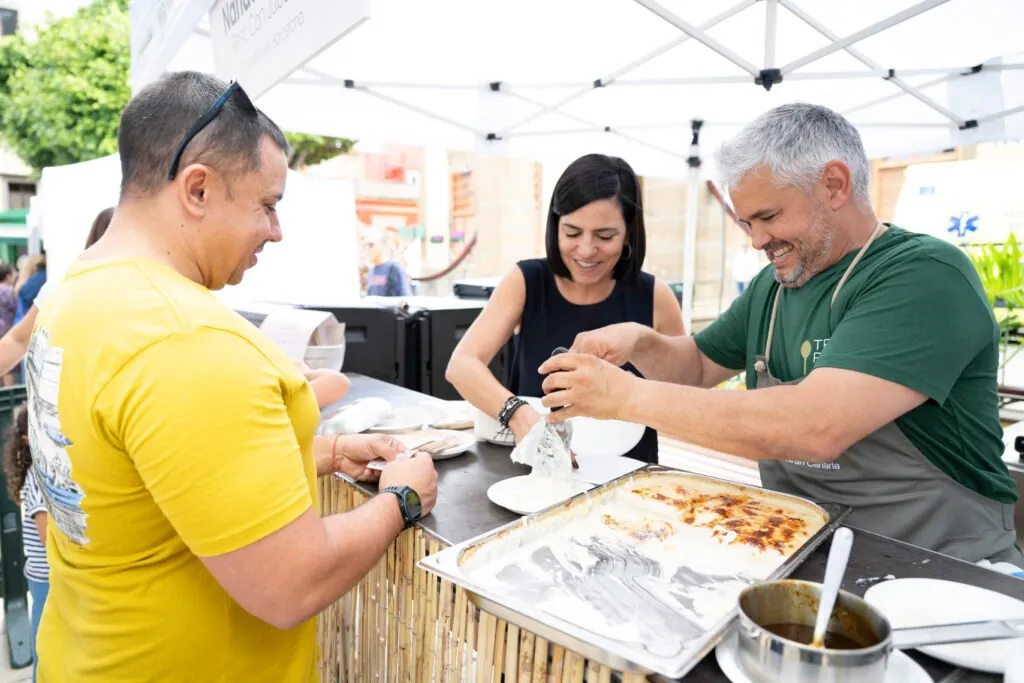
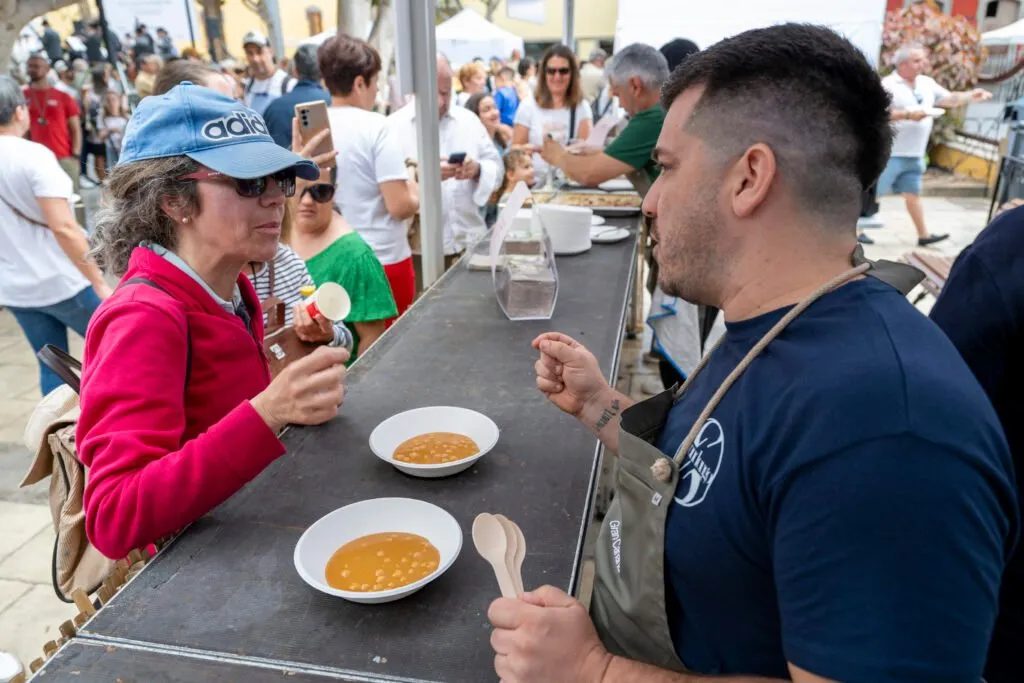
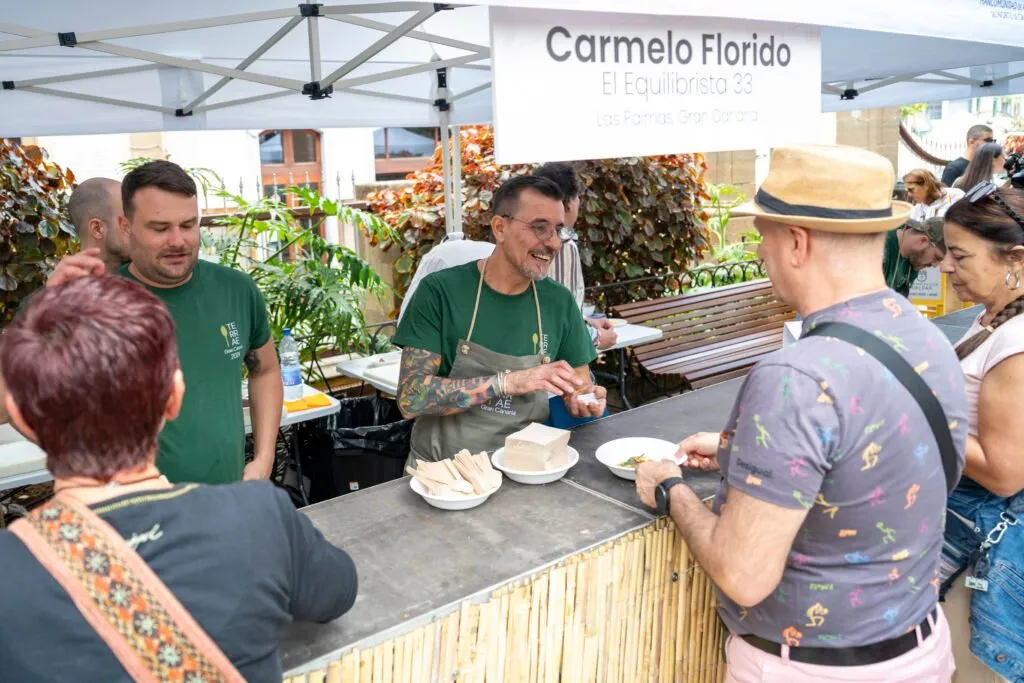
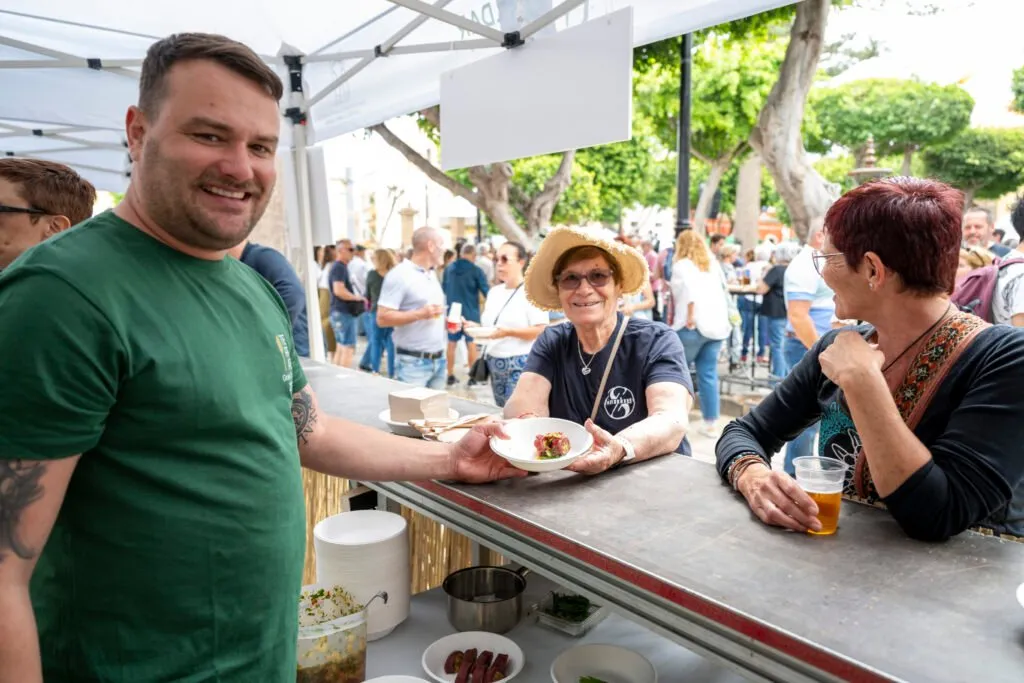
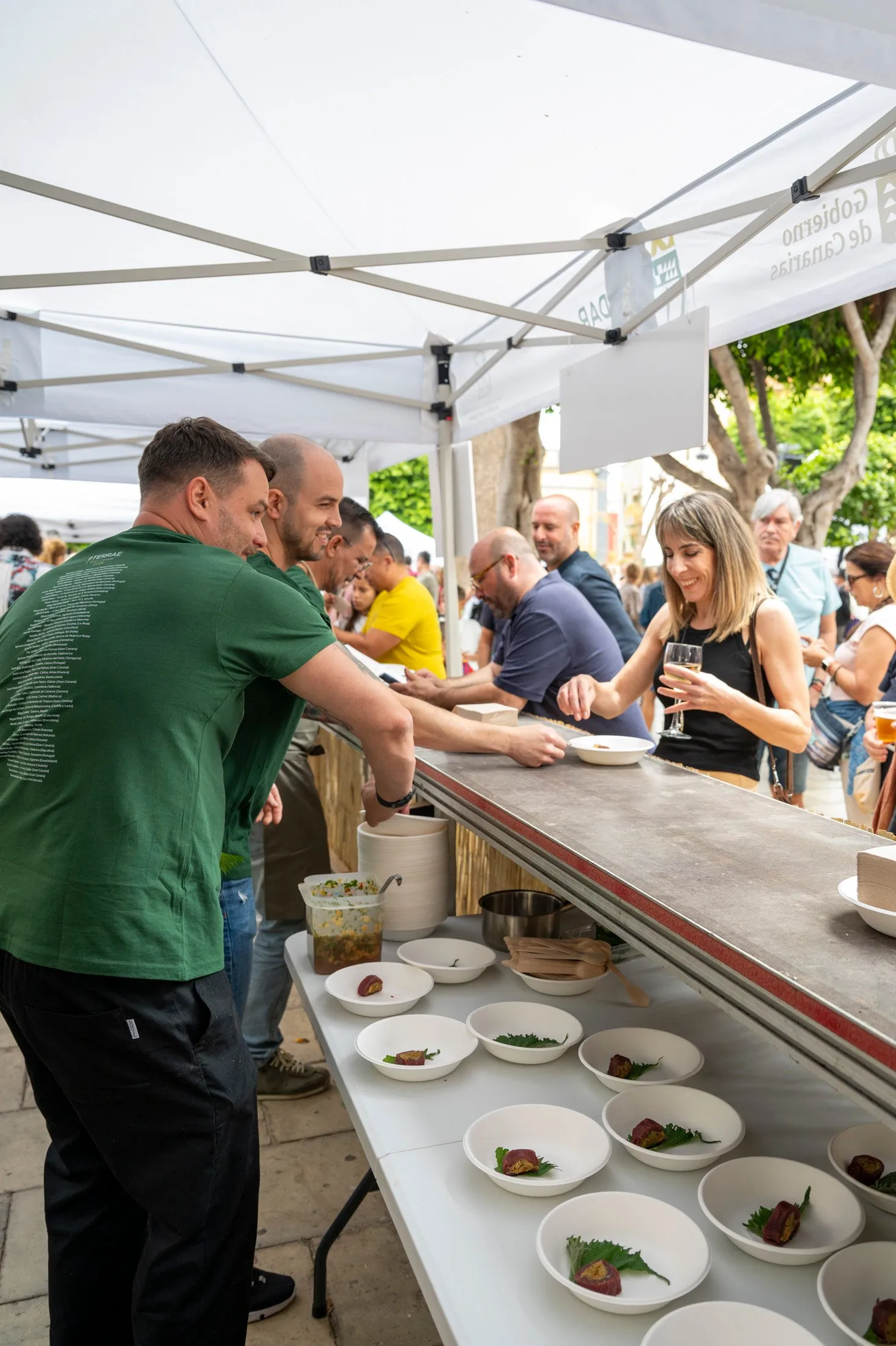
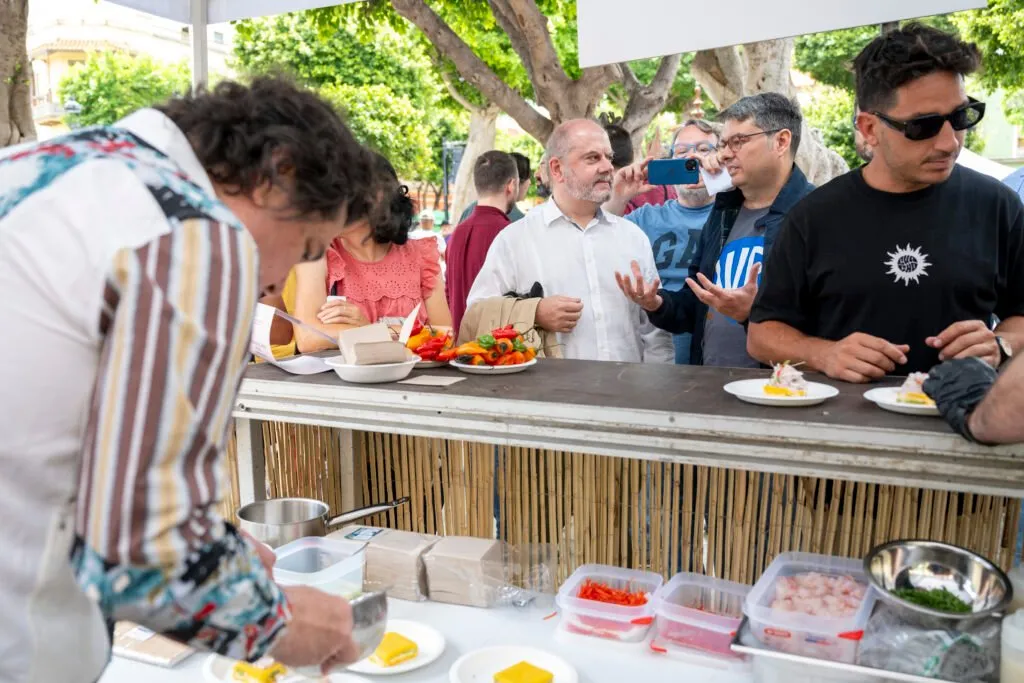
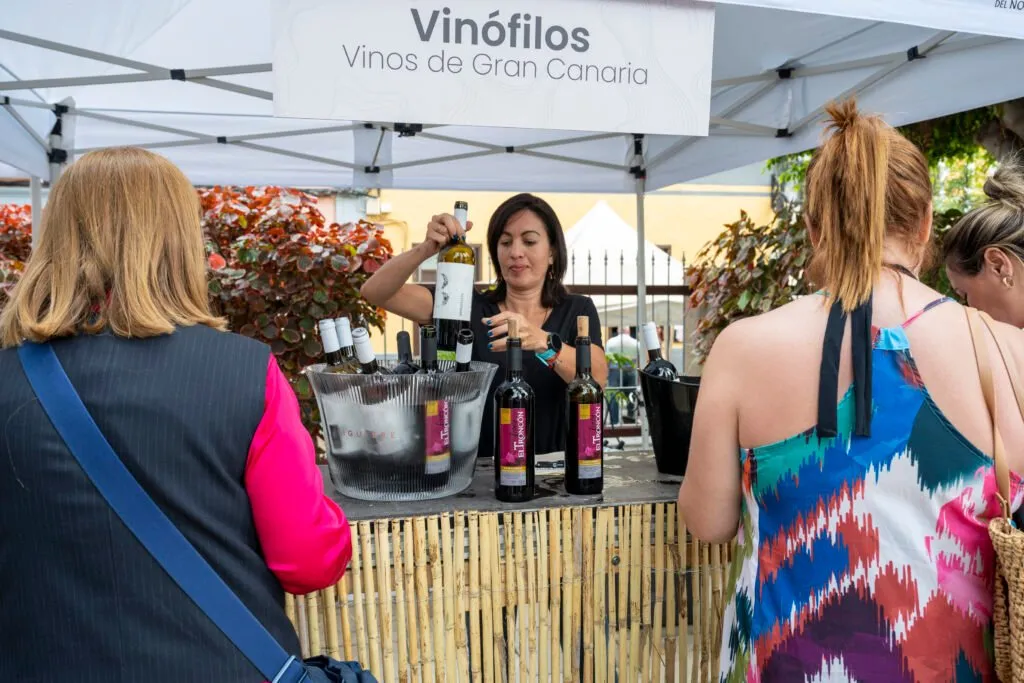
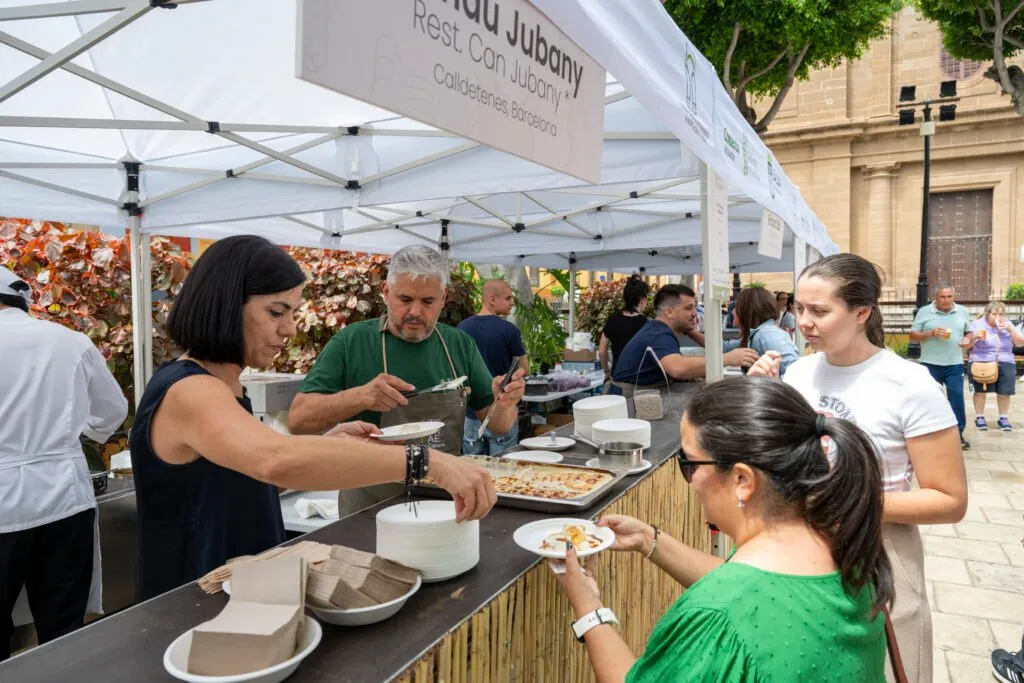
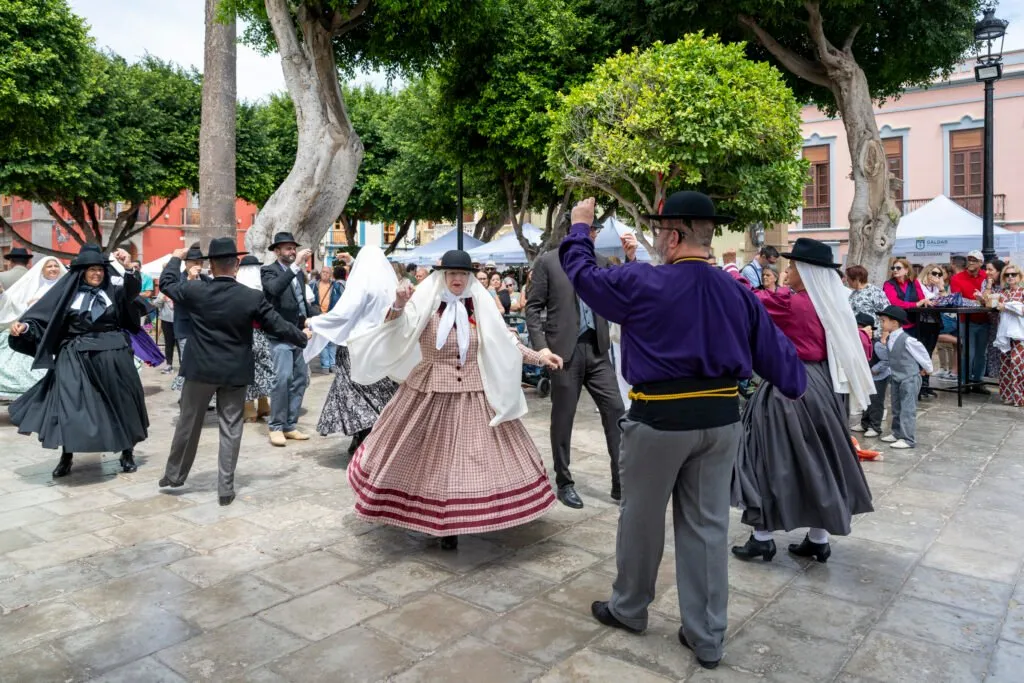
The town is also notable for its beautiful rural and coastal landscape, which includes farmland and volcanic countryside. The local economy has traditionally been tied to agriculture, particularly banana and tomato growing, although tourism has grown in importance in recent decades.
Gáldar has a rich cultural and festive calendar, with events celebrating both its aboriginal roots and elements of modern Spanish and Canarian culture.
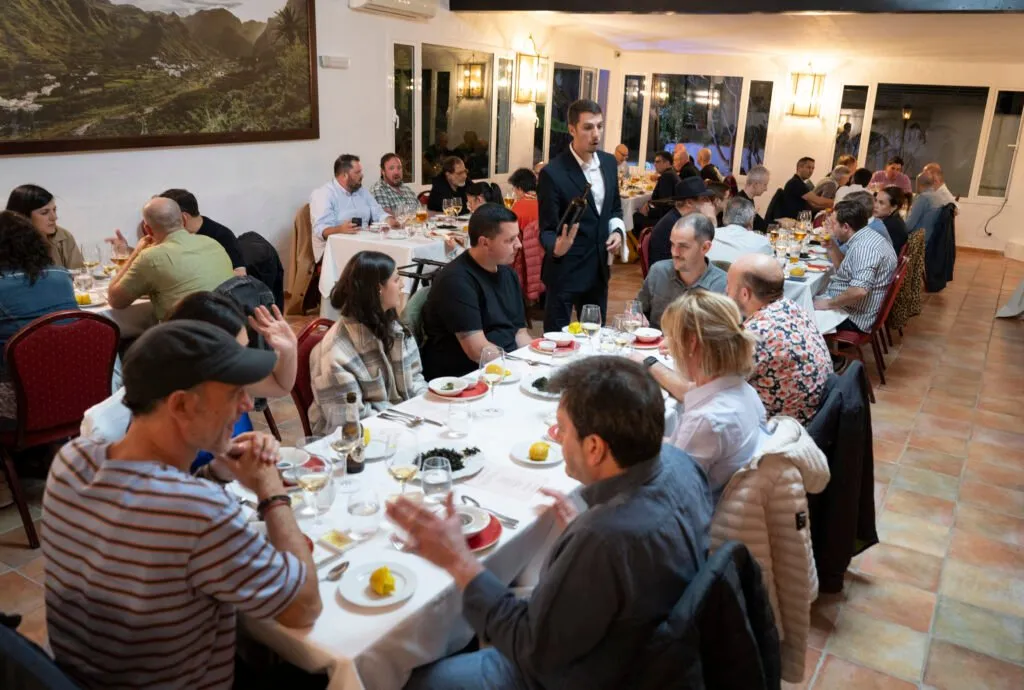
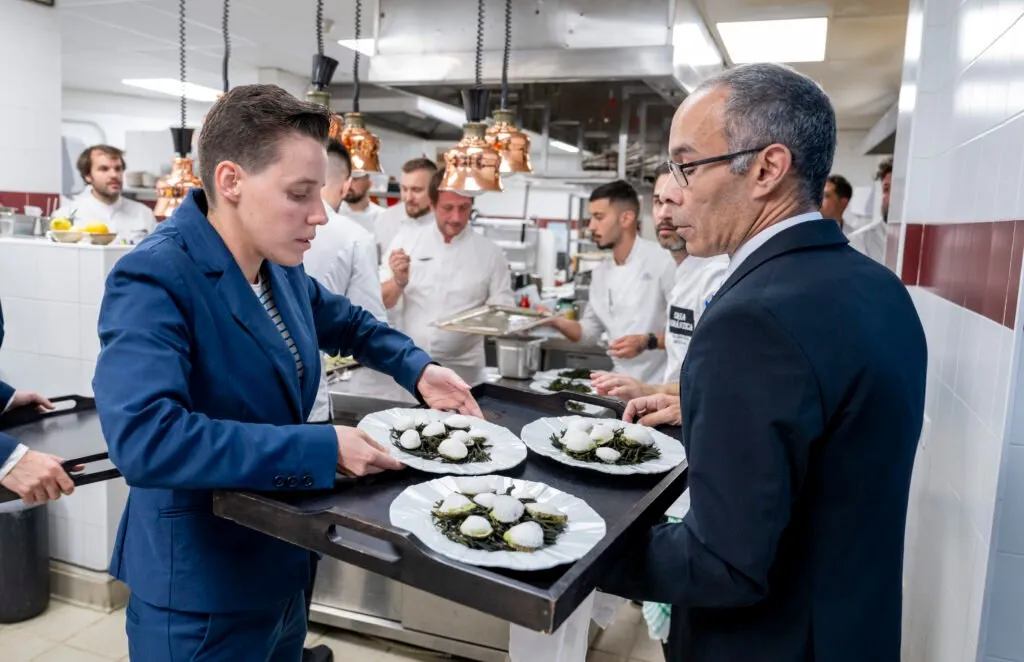
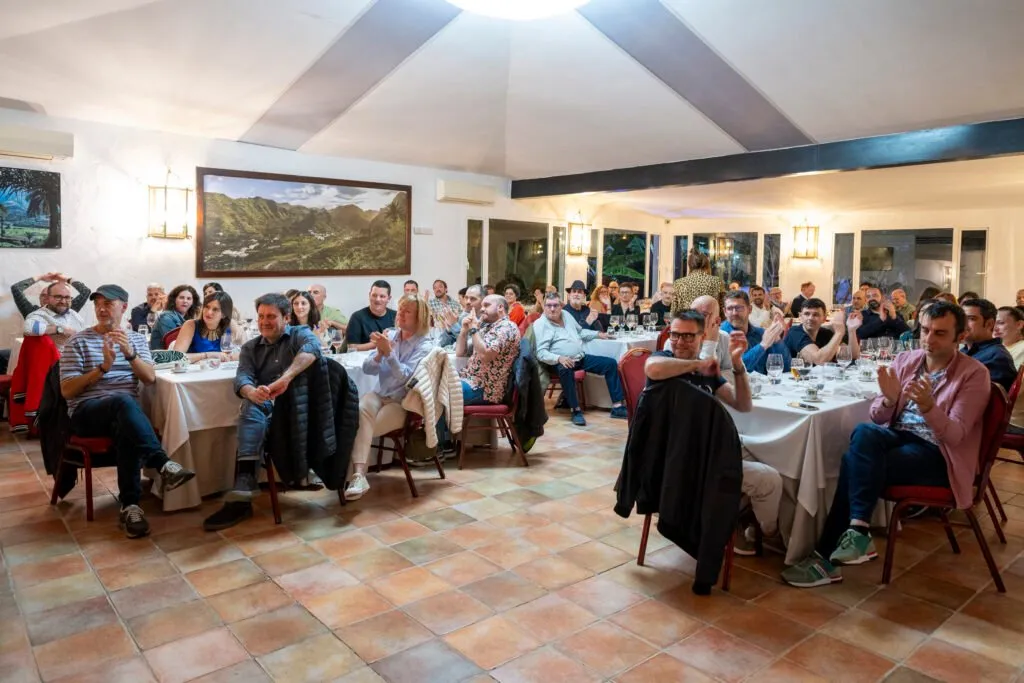
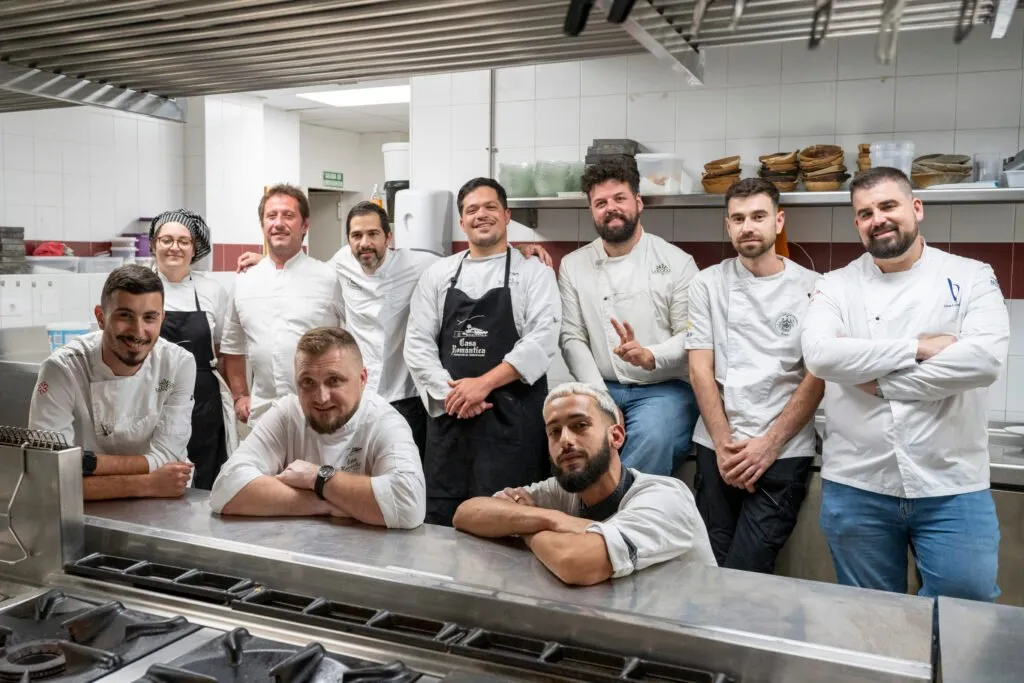
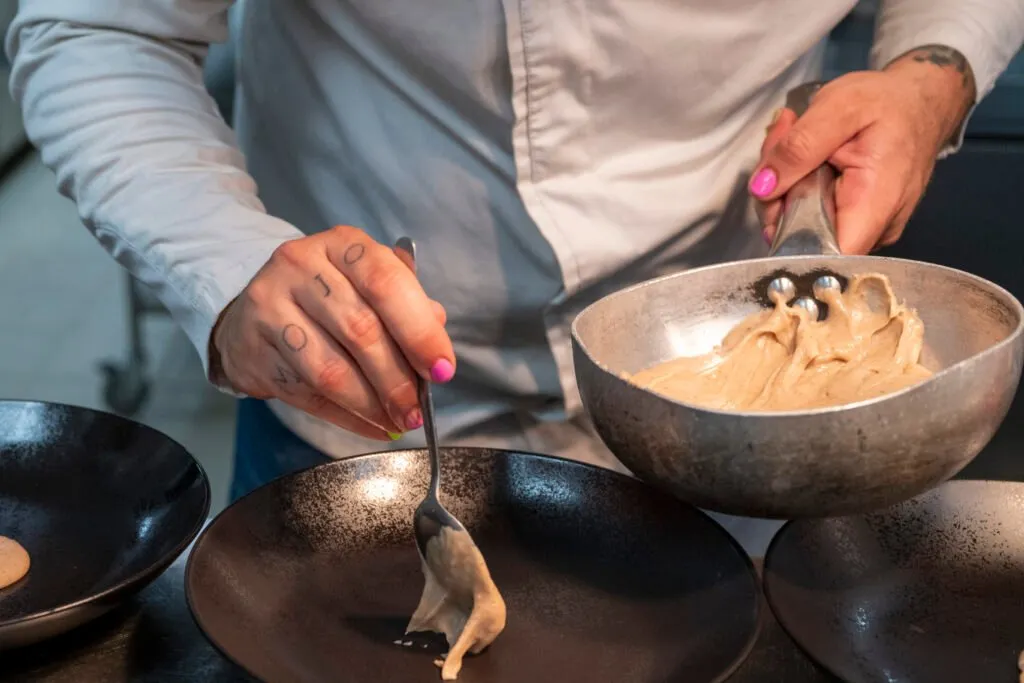
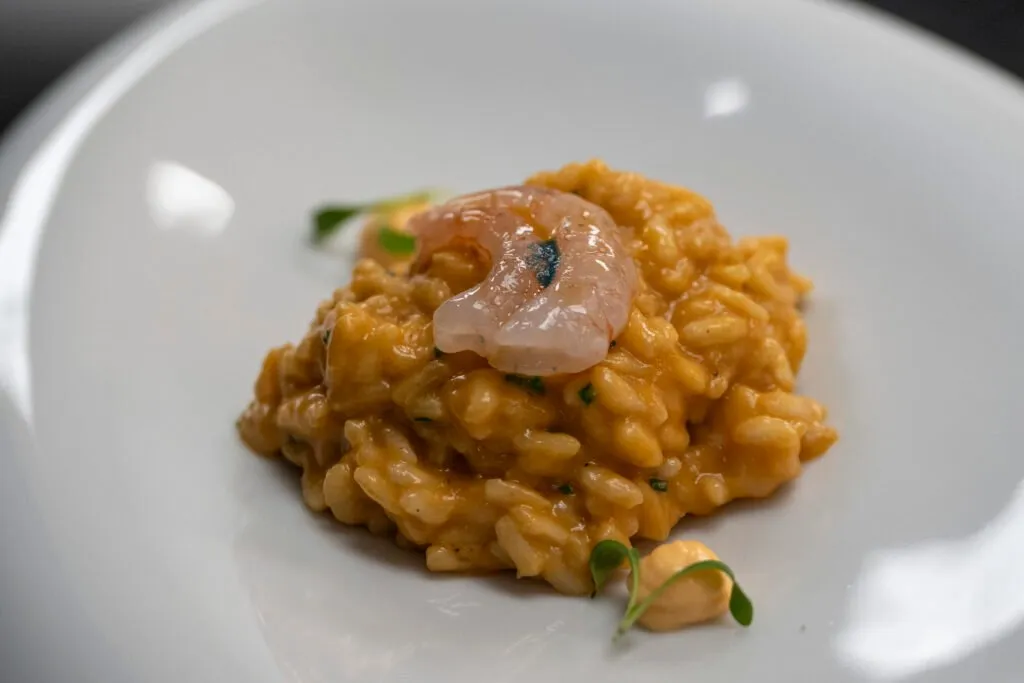
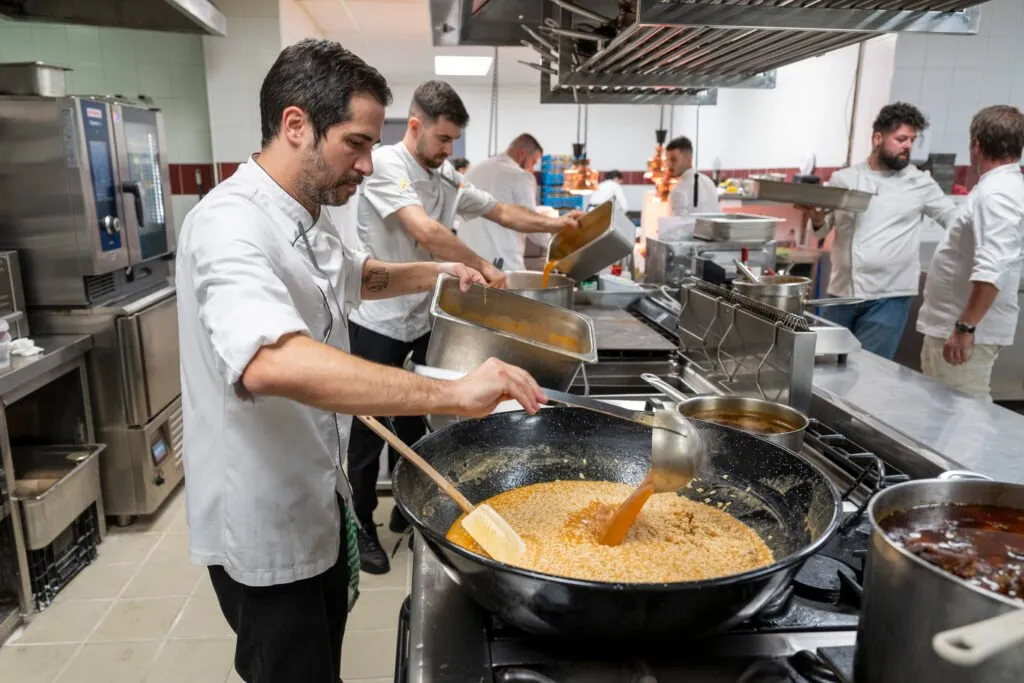
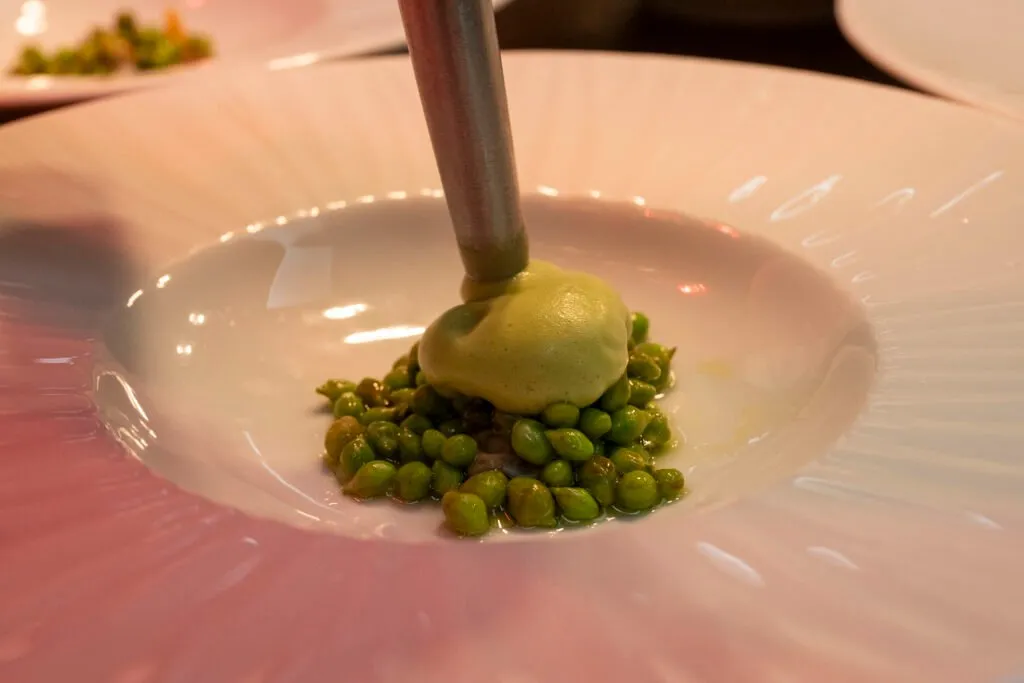
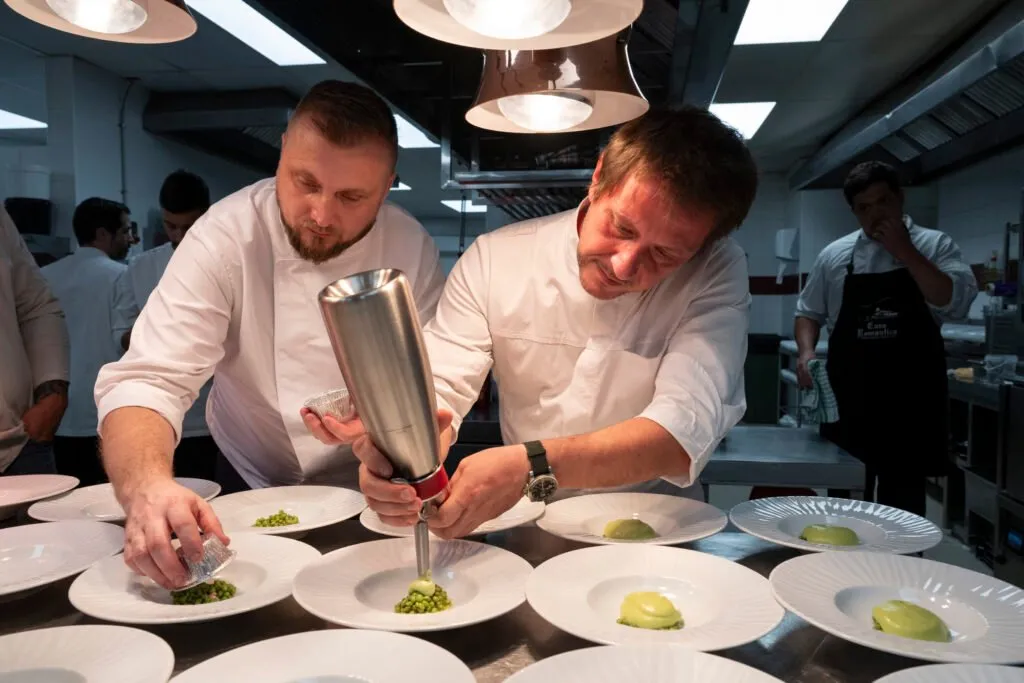
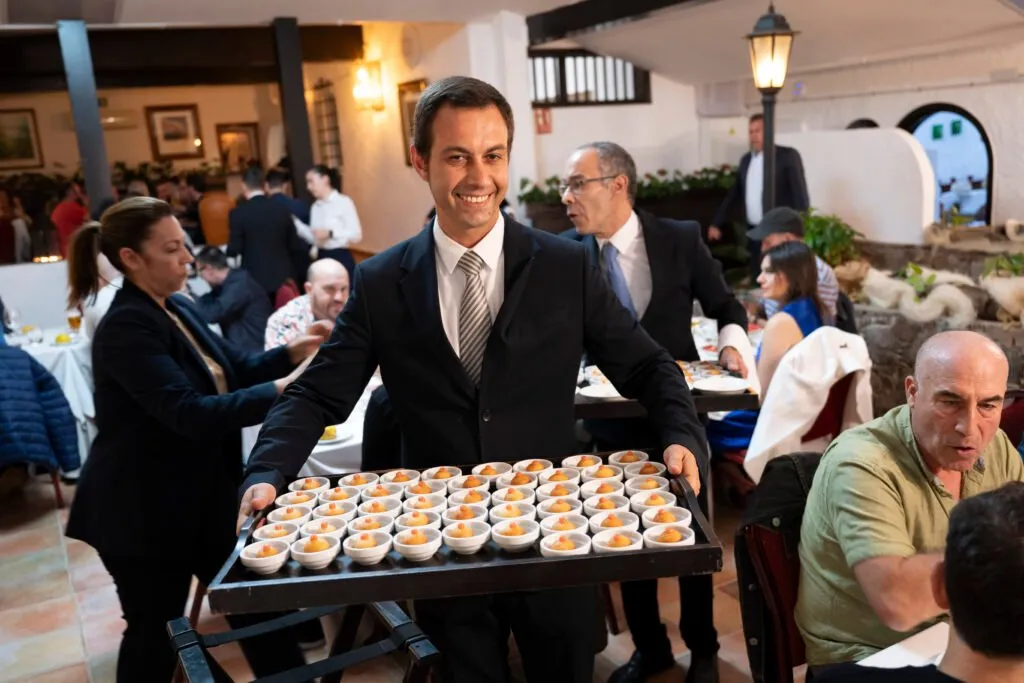
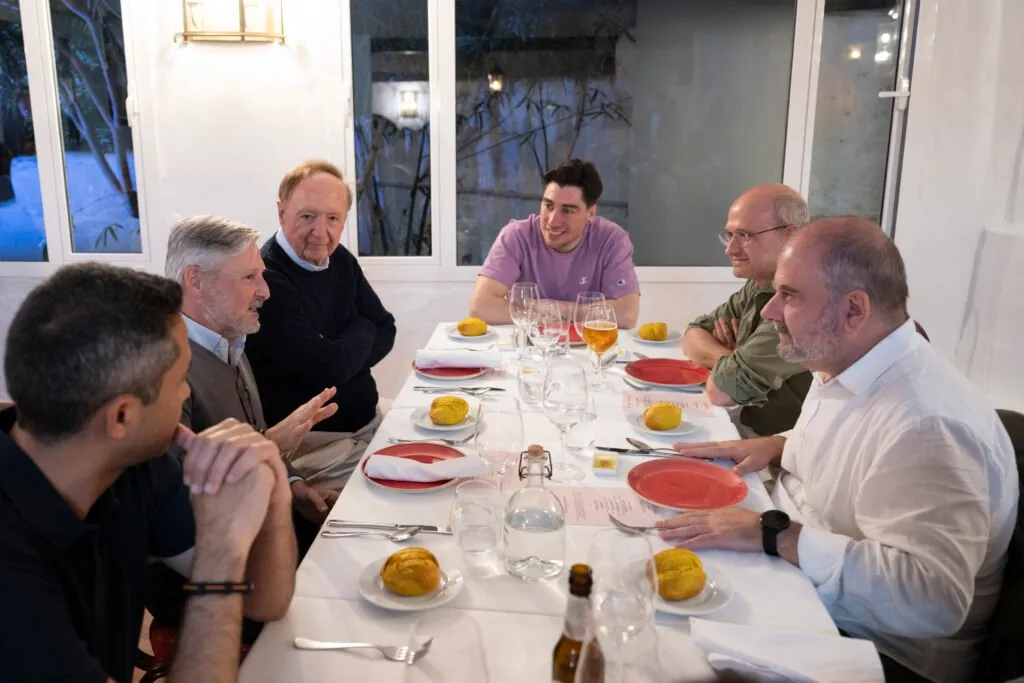
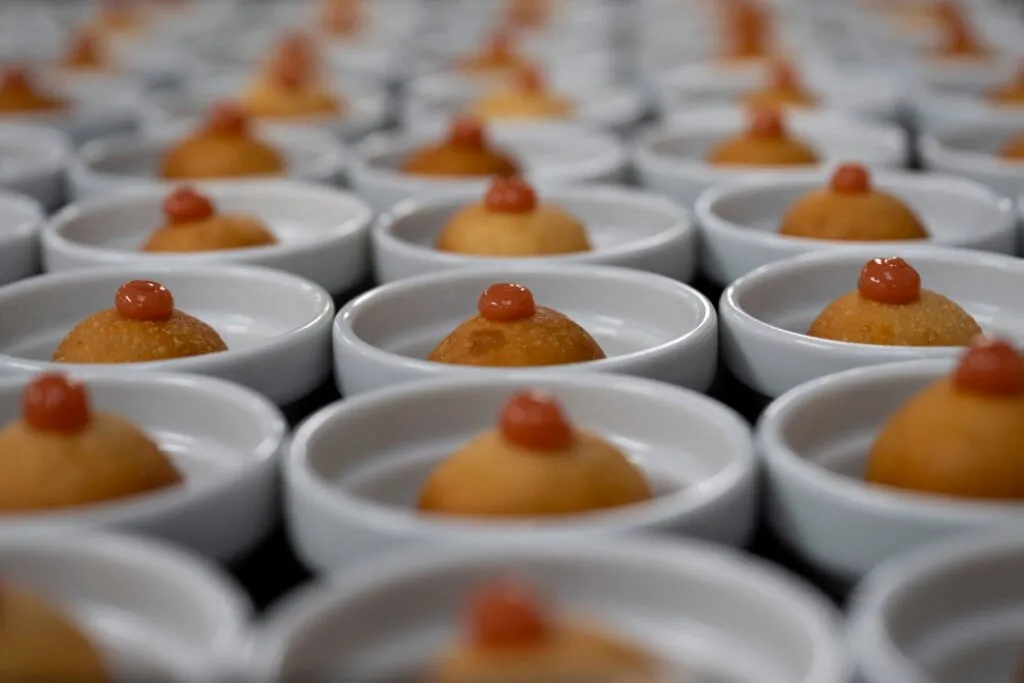
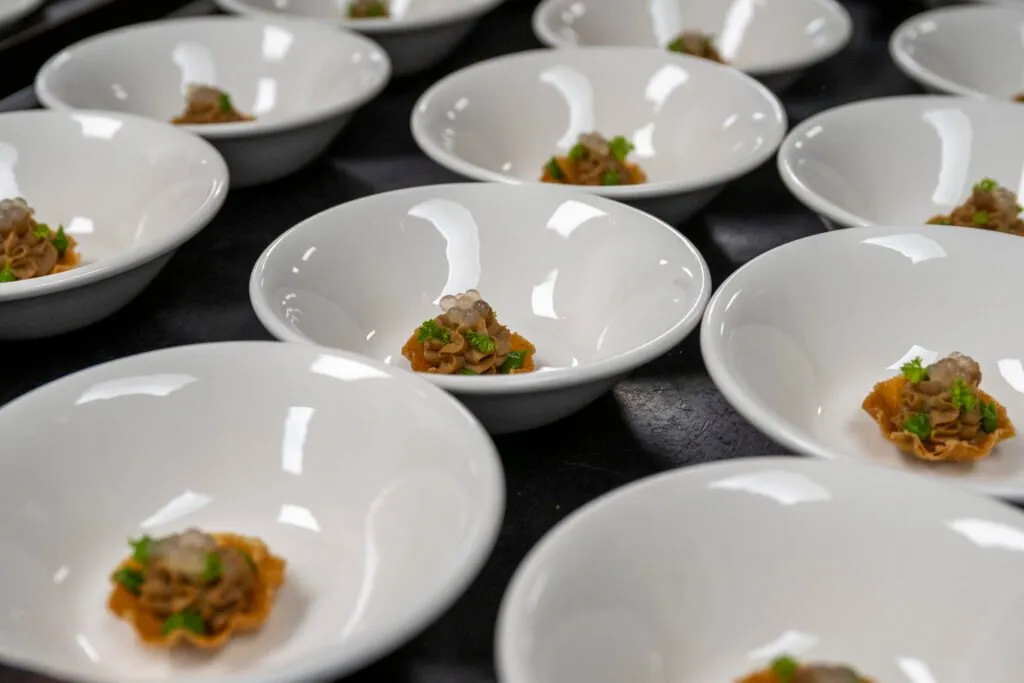
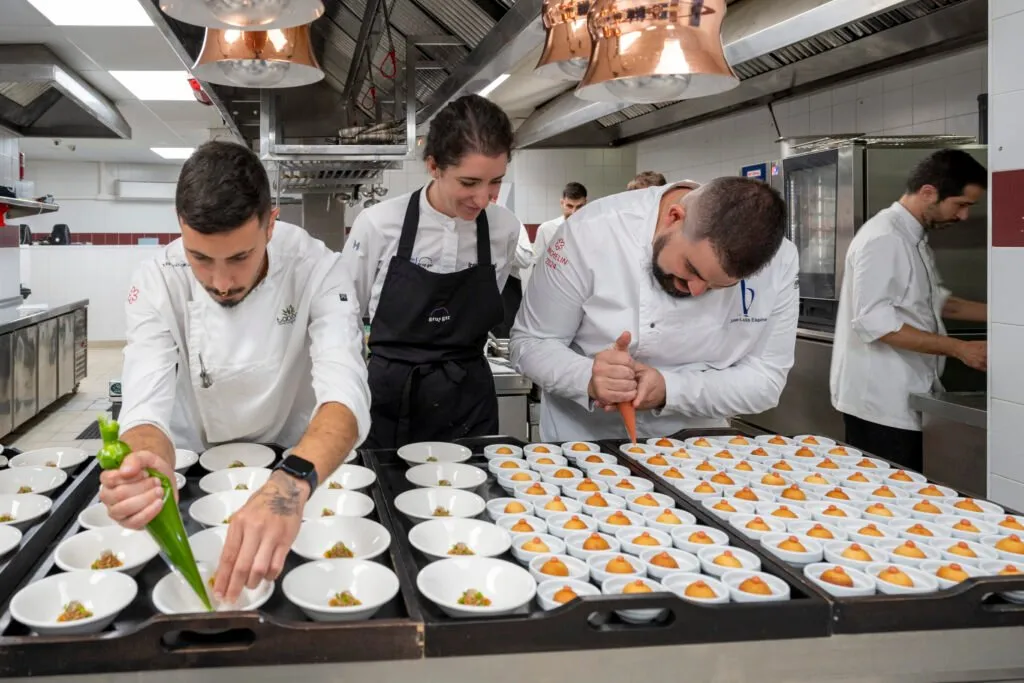
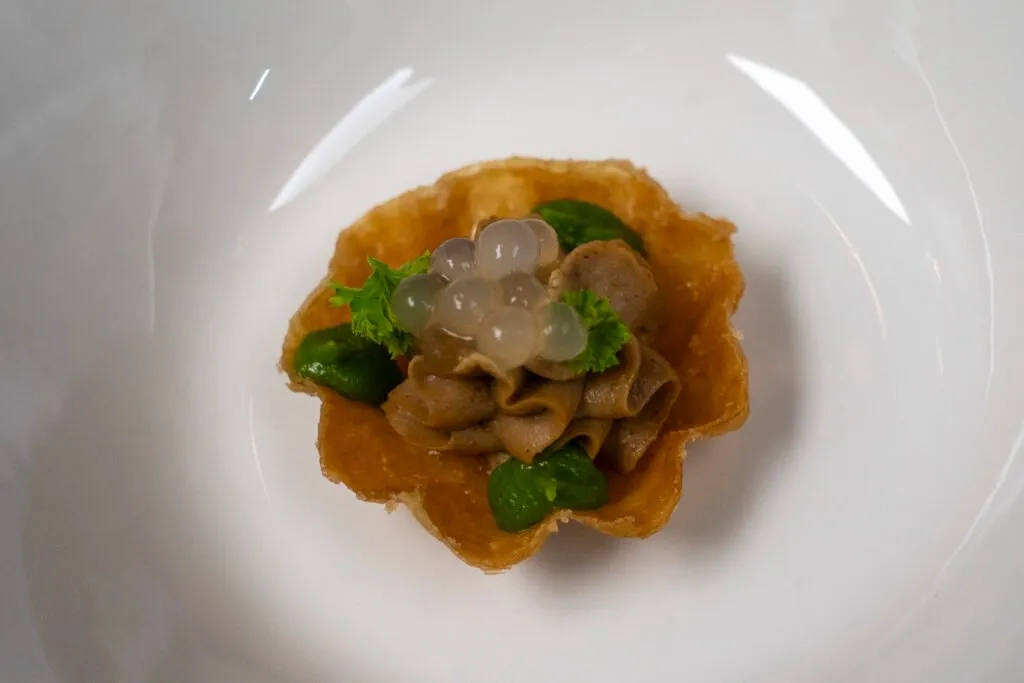
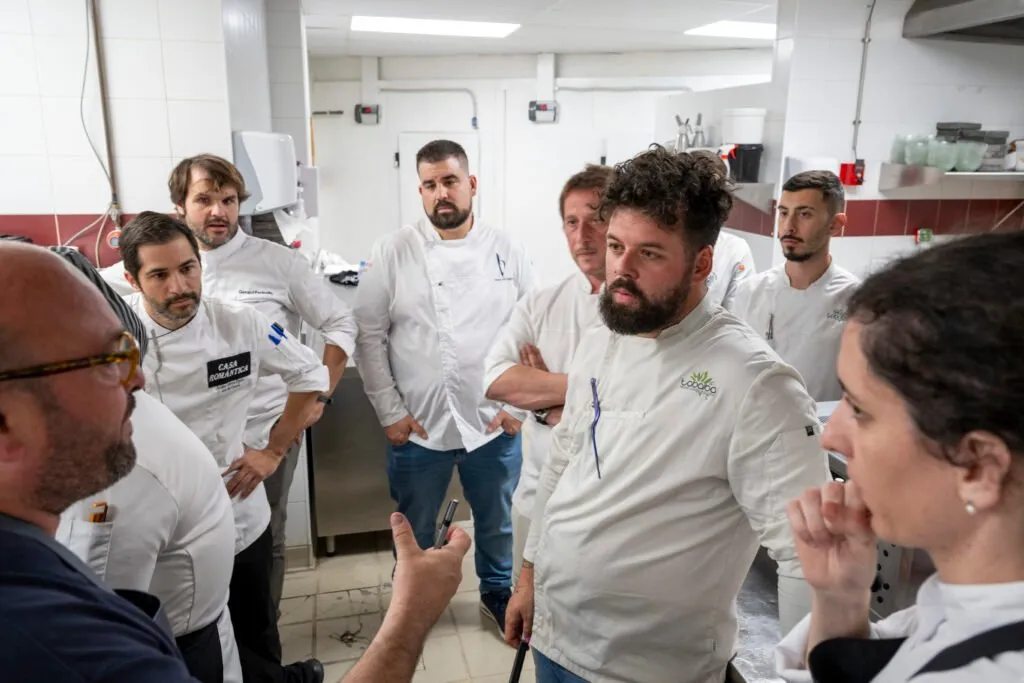
Welcome Dinner at Restaurante Casa Romántica
An evening of flavours from the land at the wonderful setting of Restaurante Casa Romántica, in the company of leading figures from local, national and international rural gastronomy, Terrae 2024.
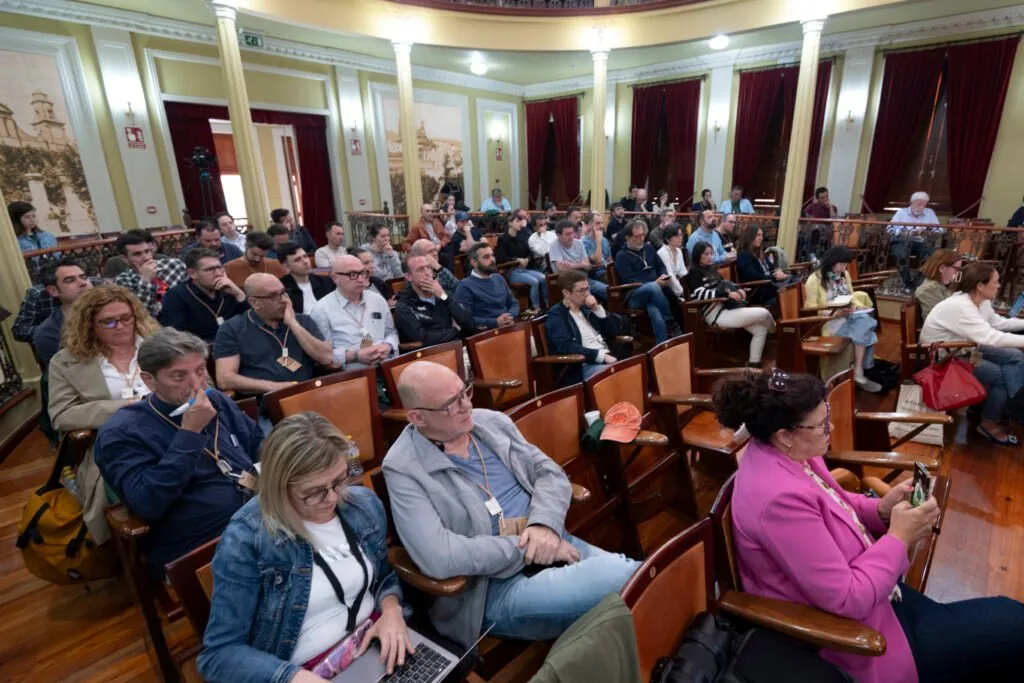
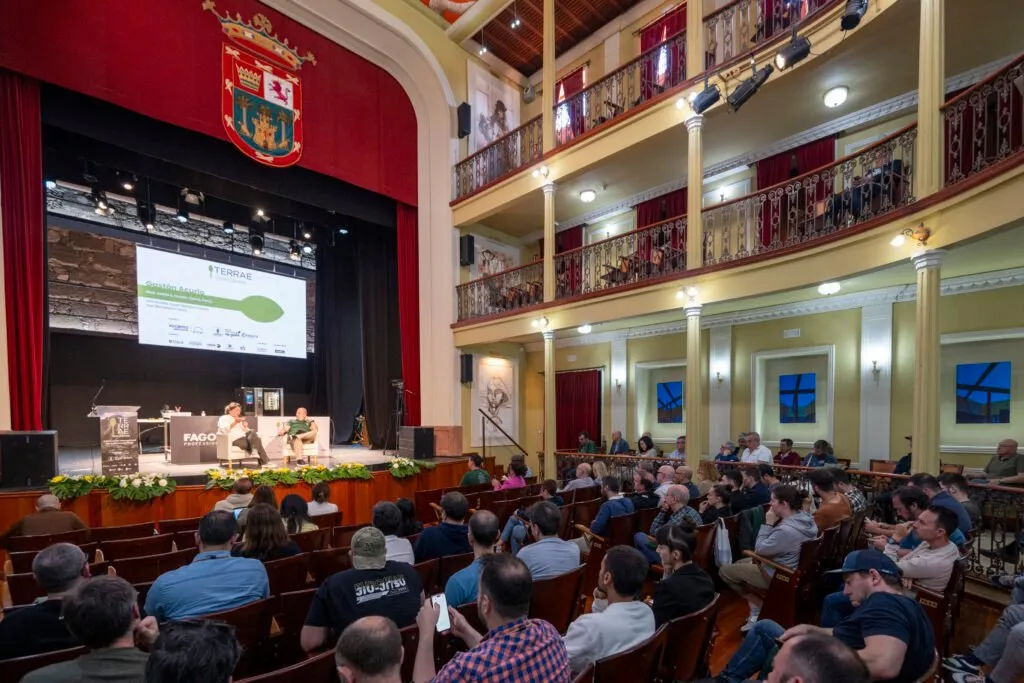
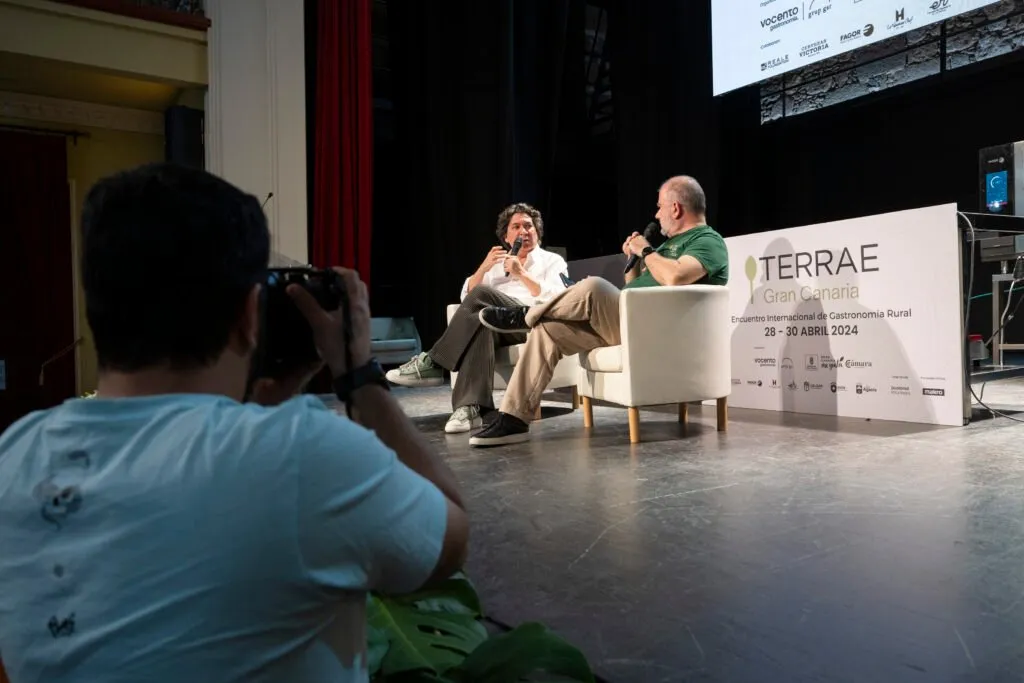
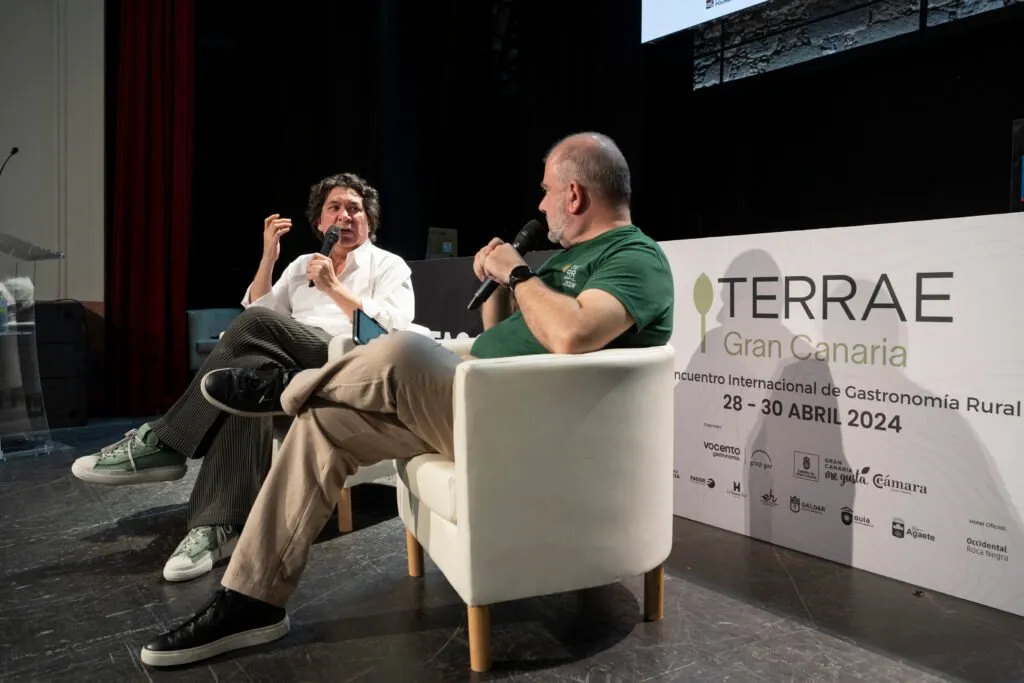
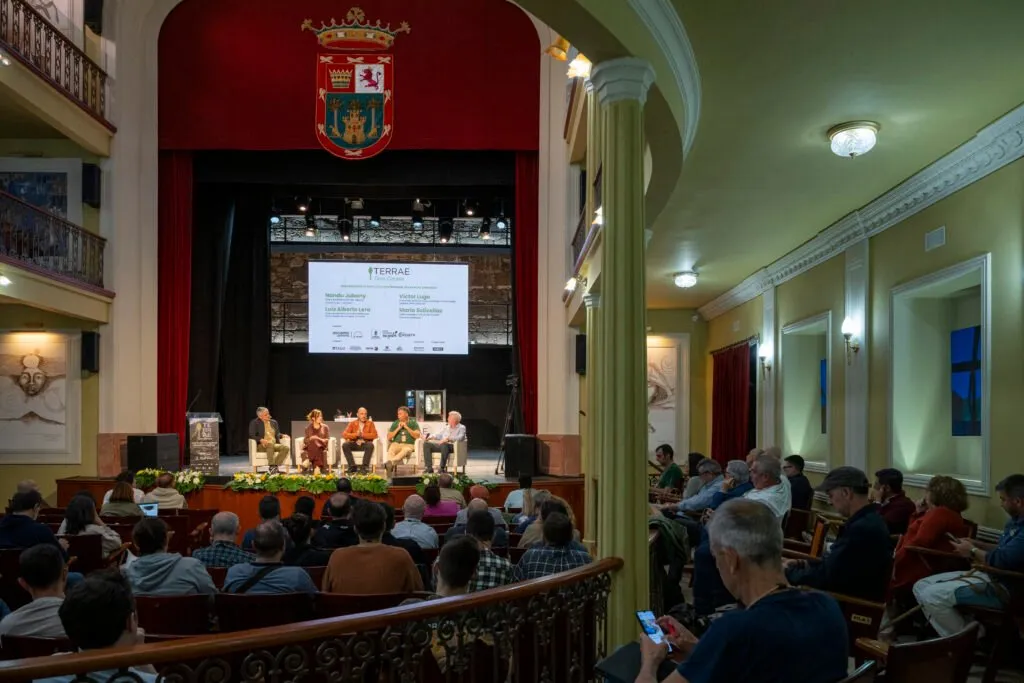
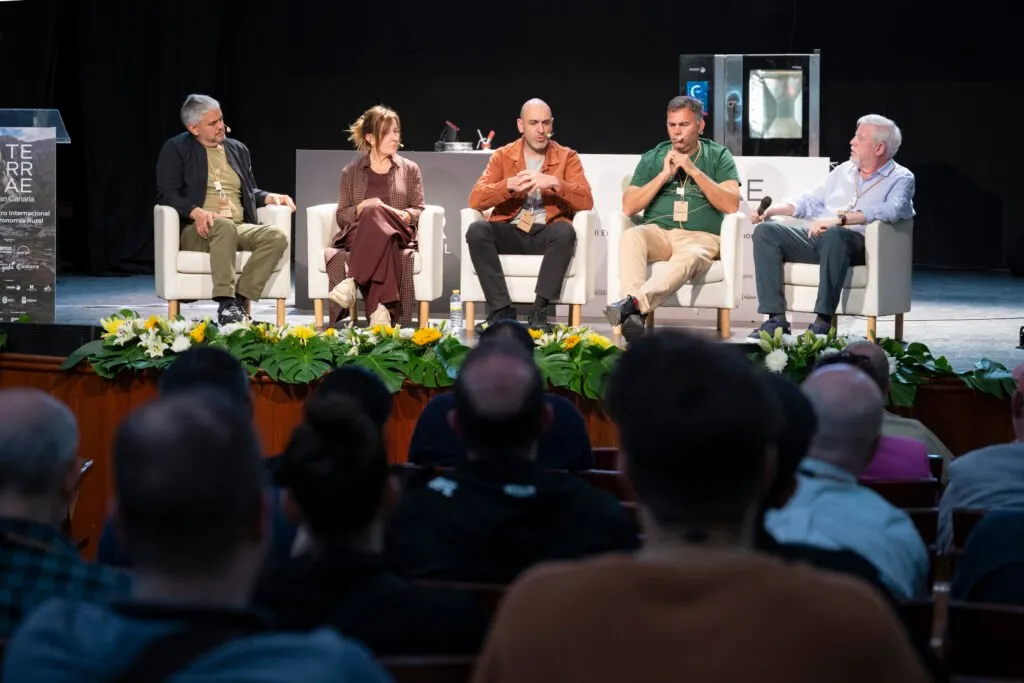
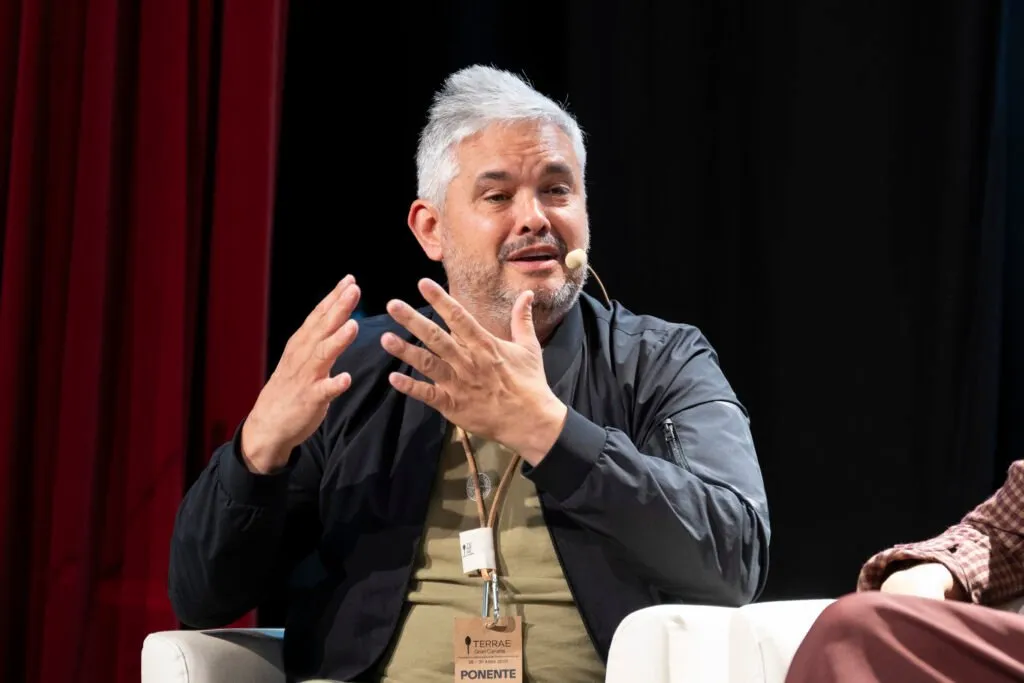
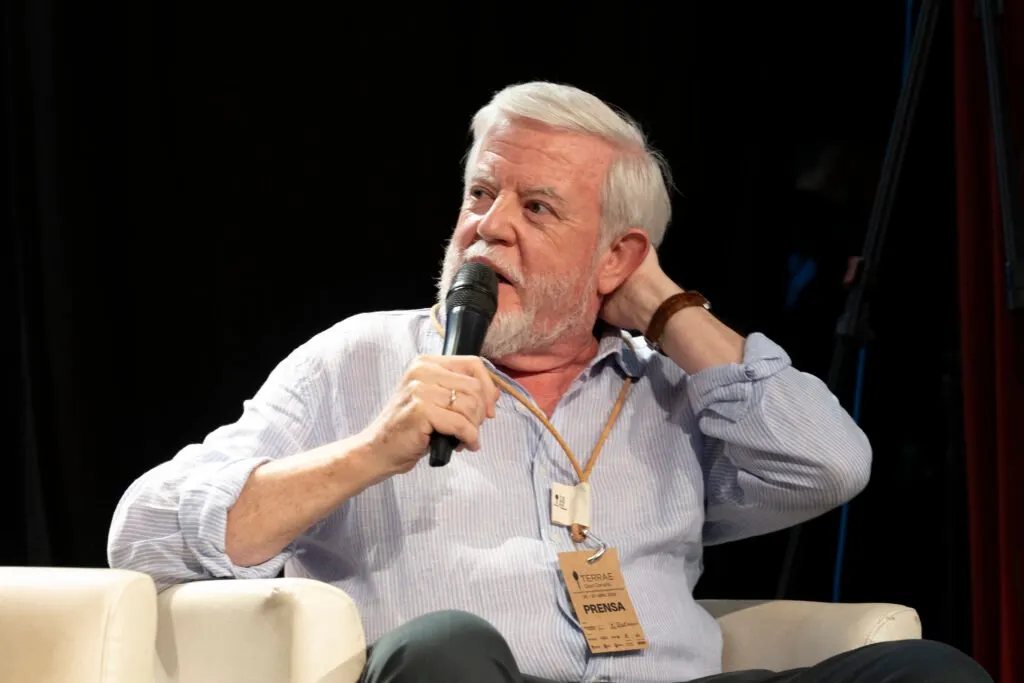
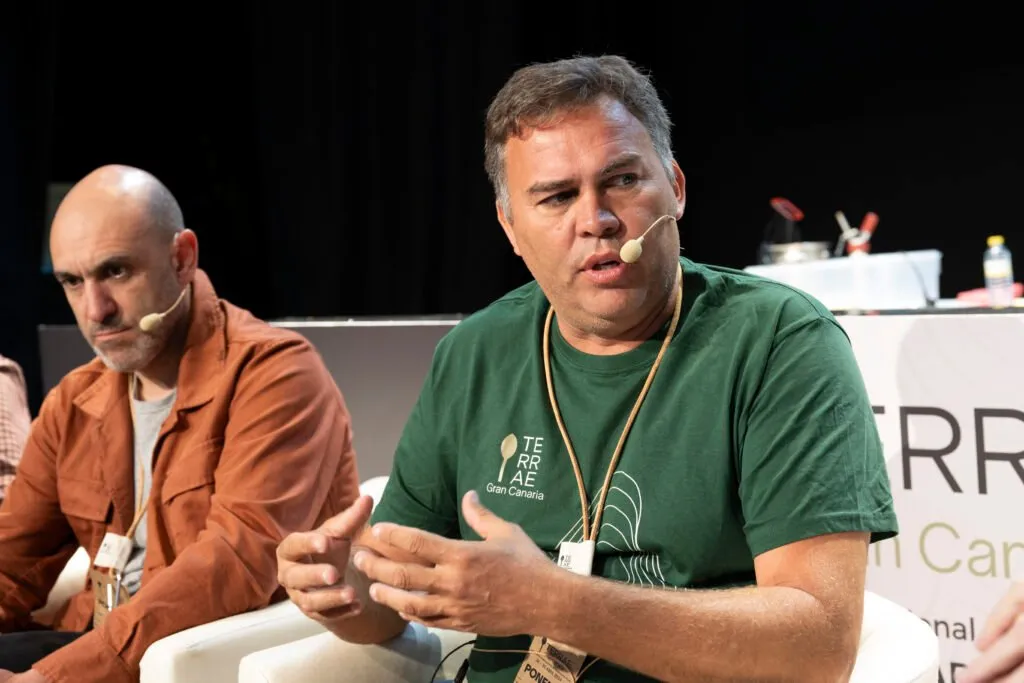
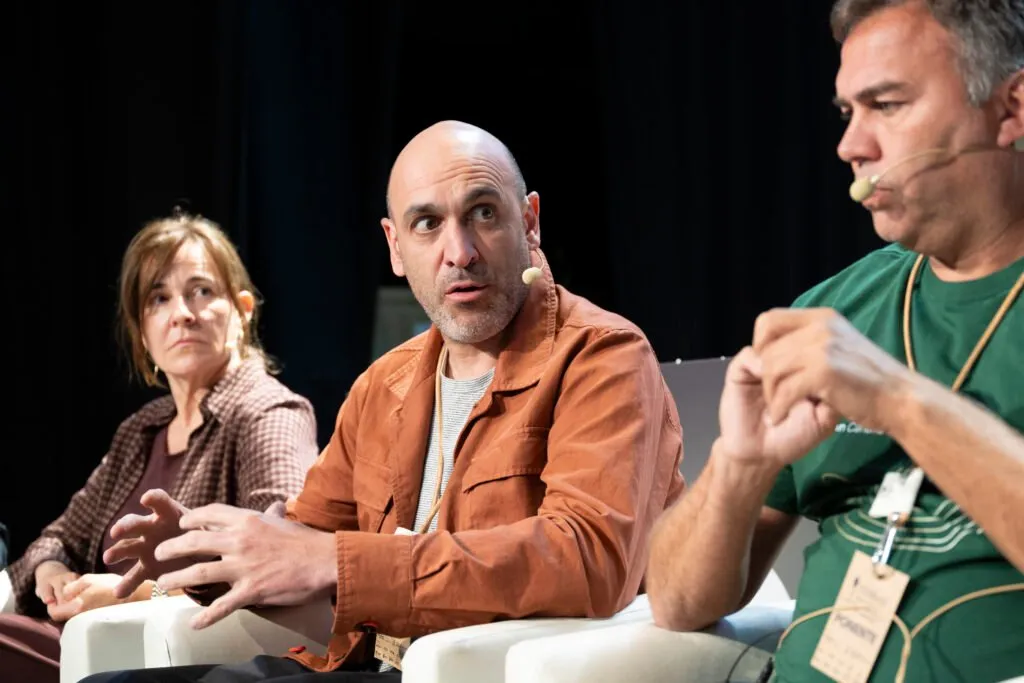
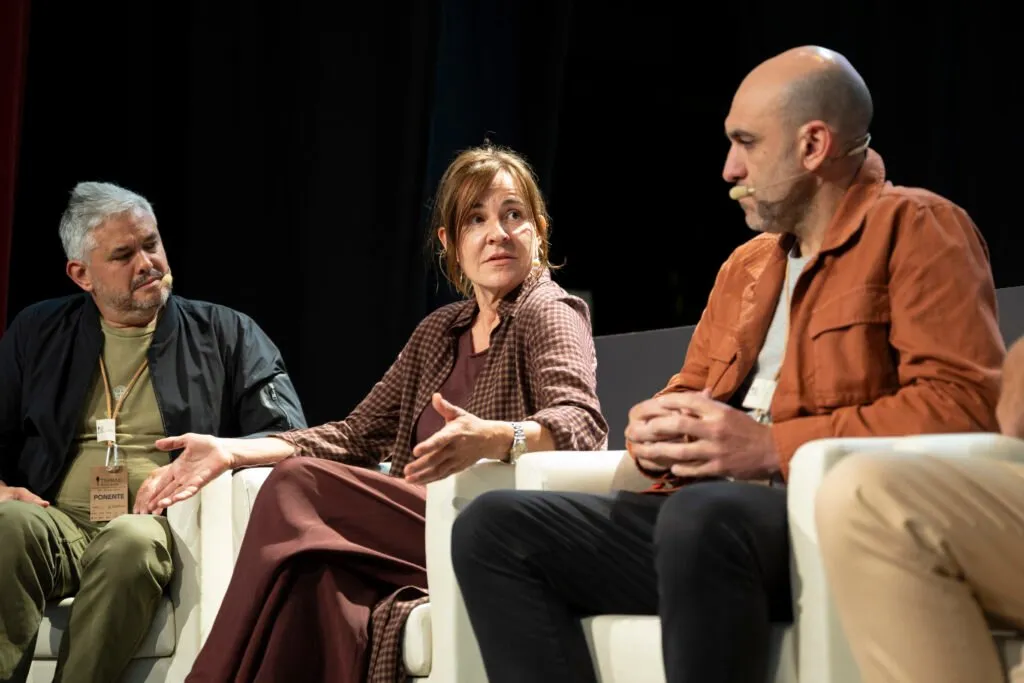
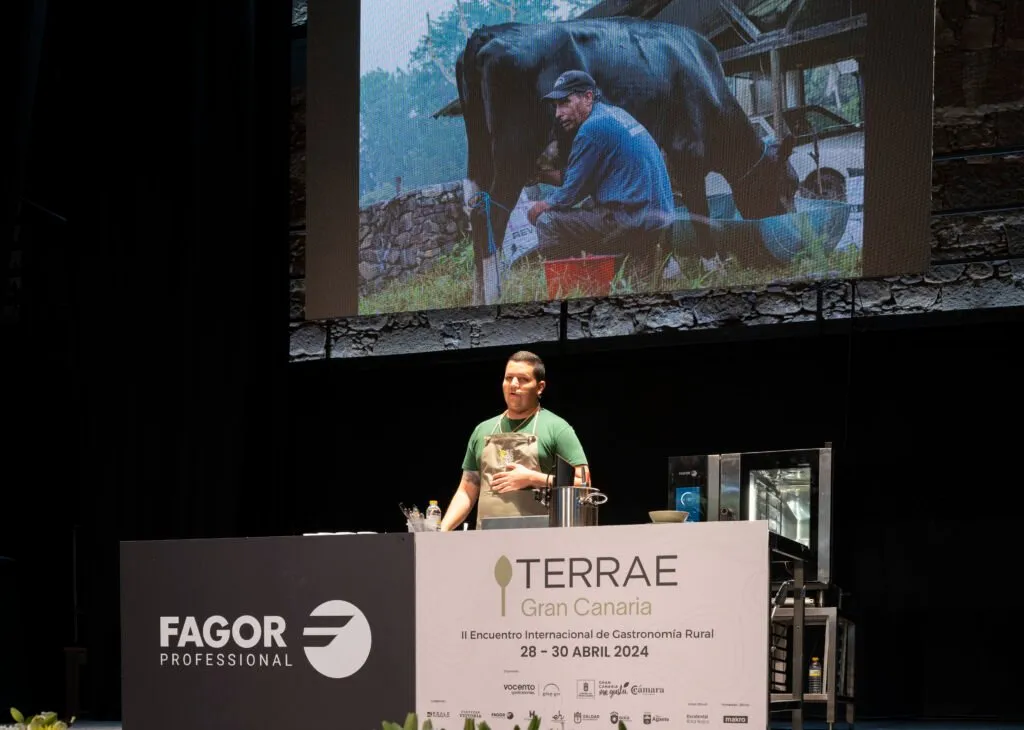
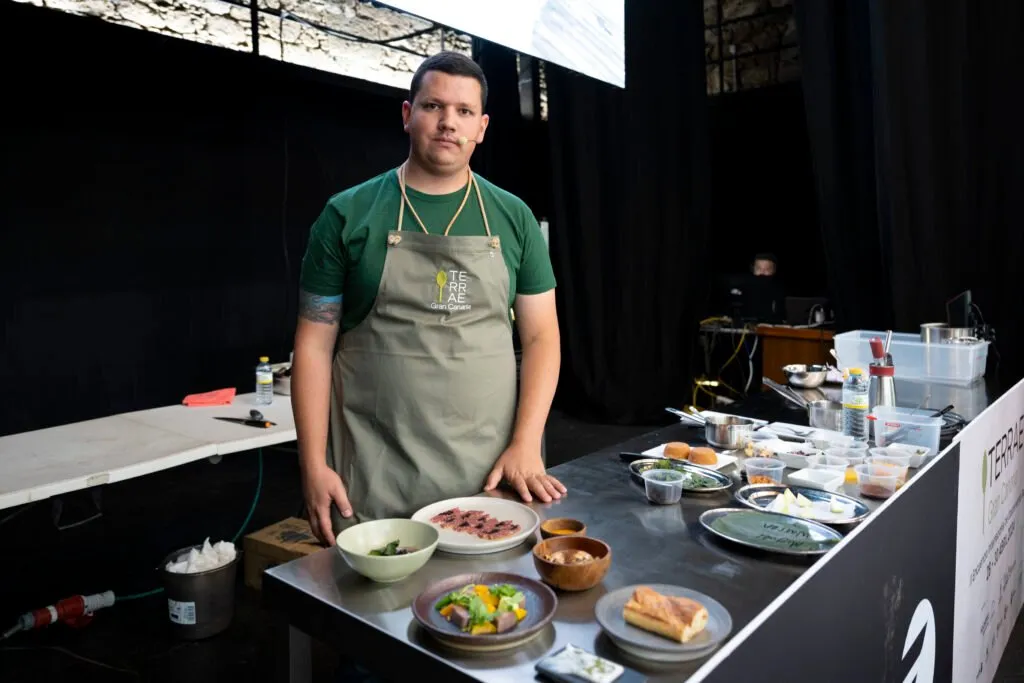
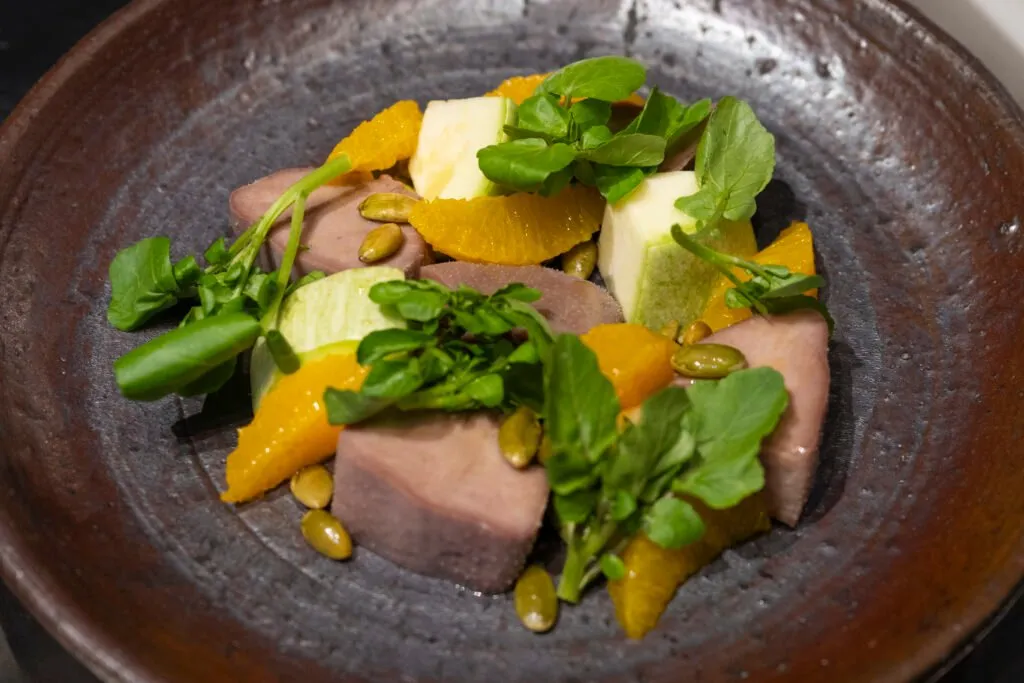
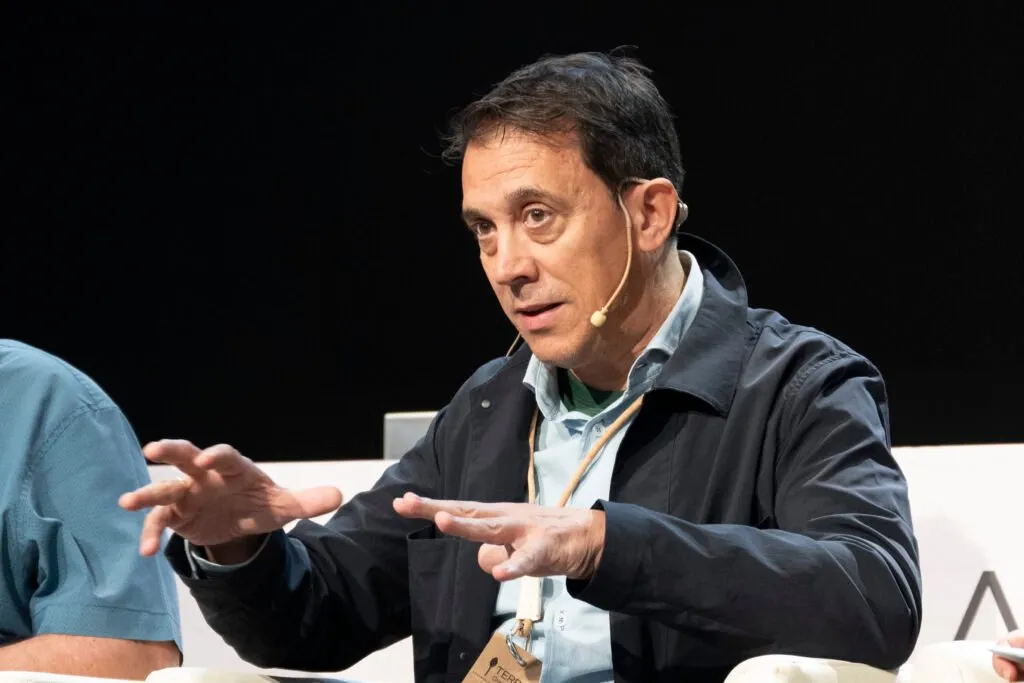
Presentations at the Teatro de Gáldar
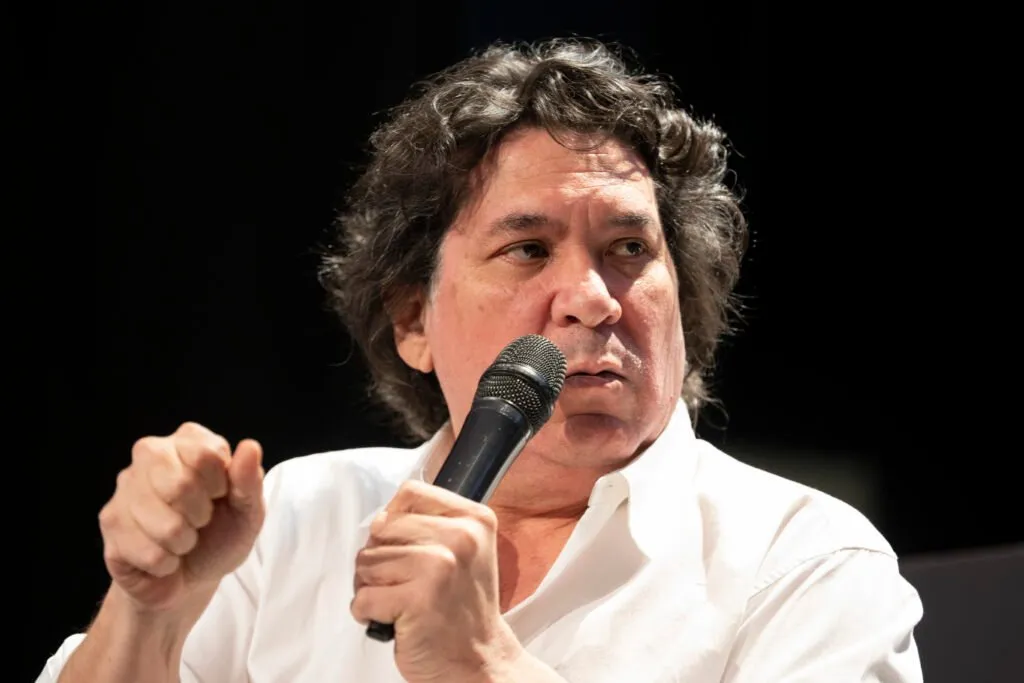
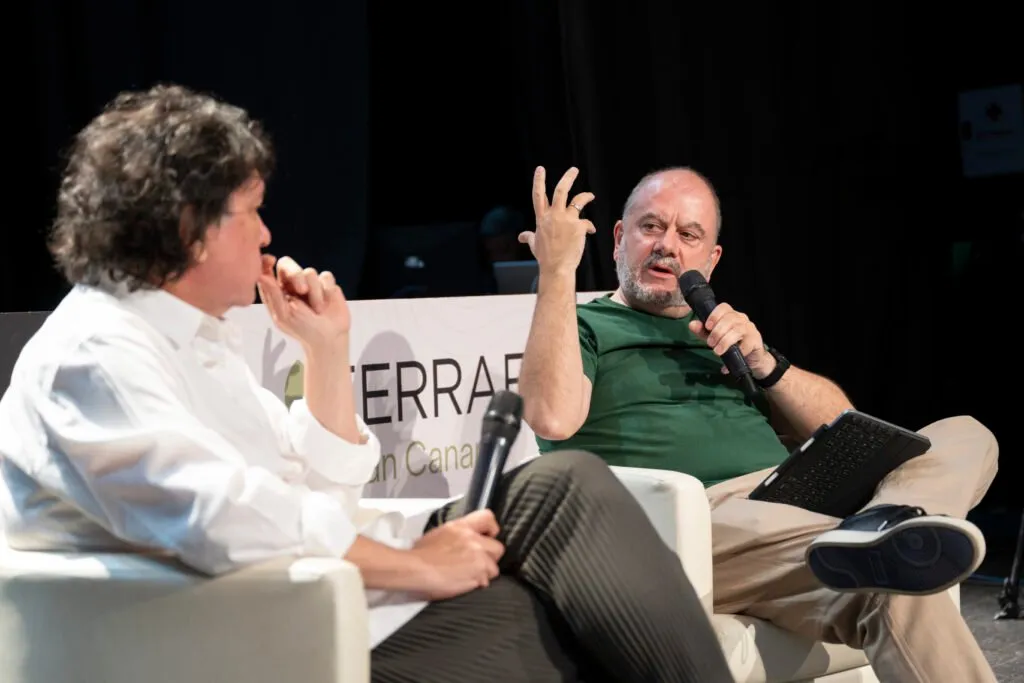
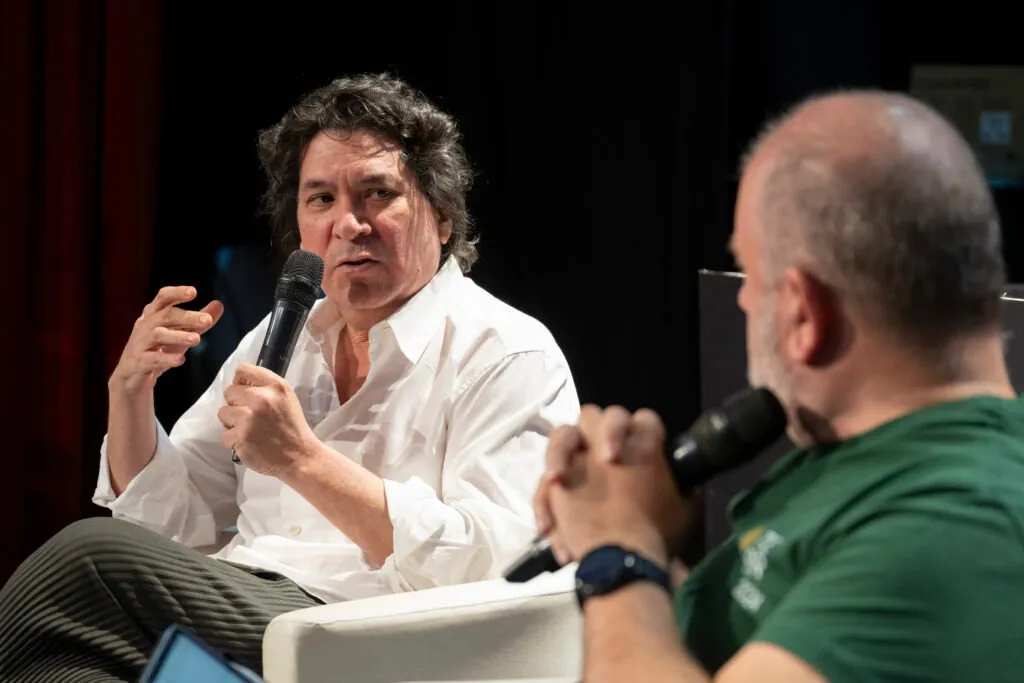
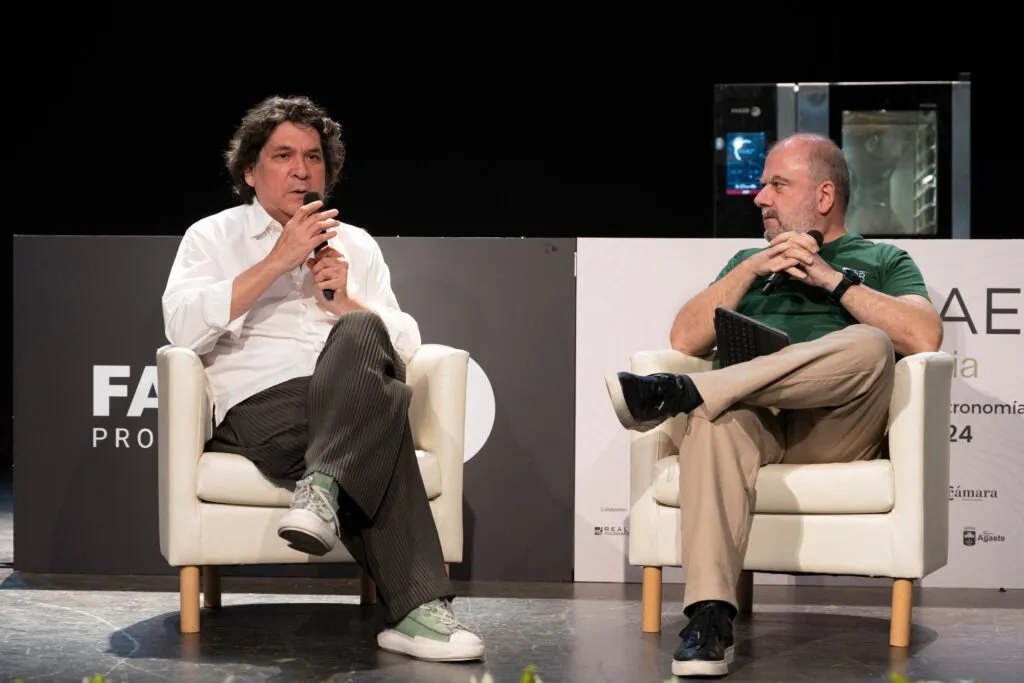
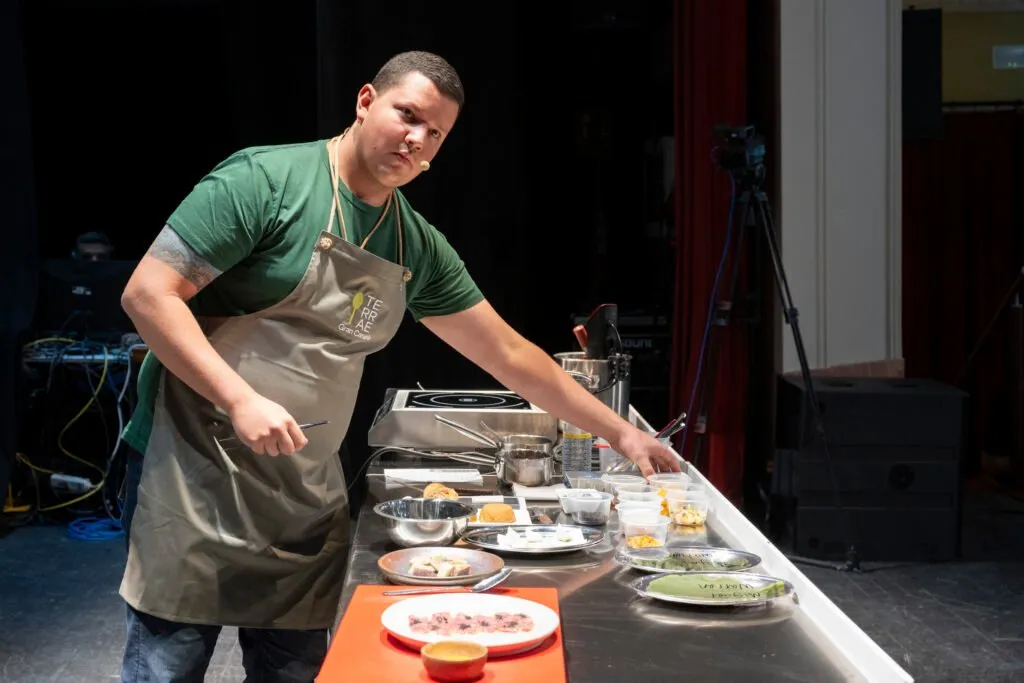
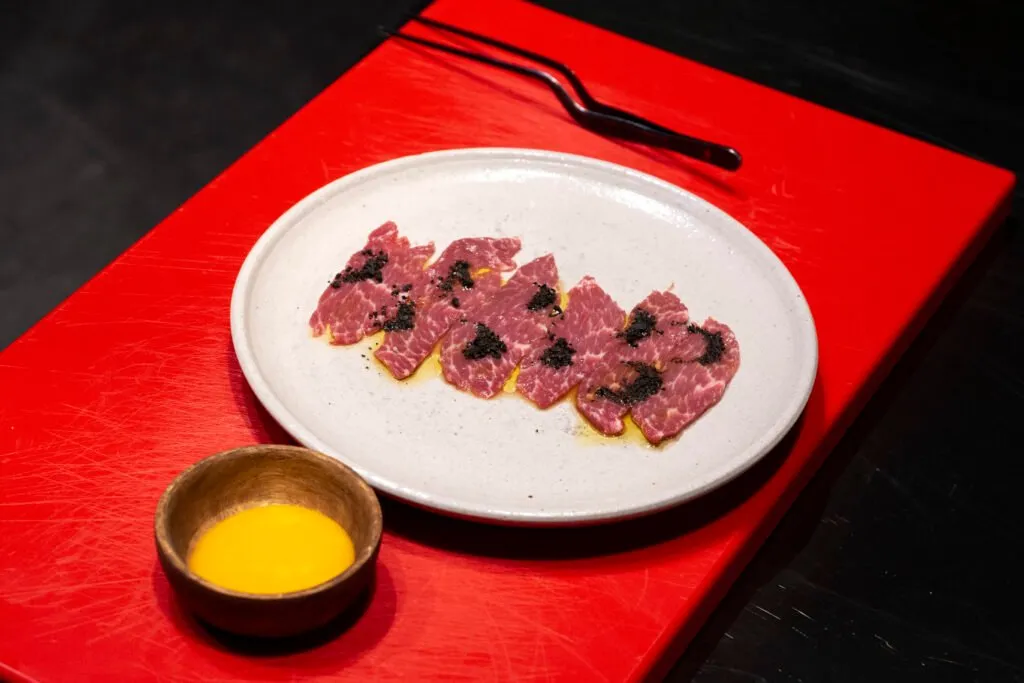
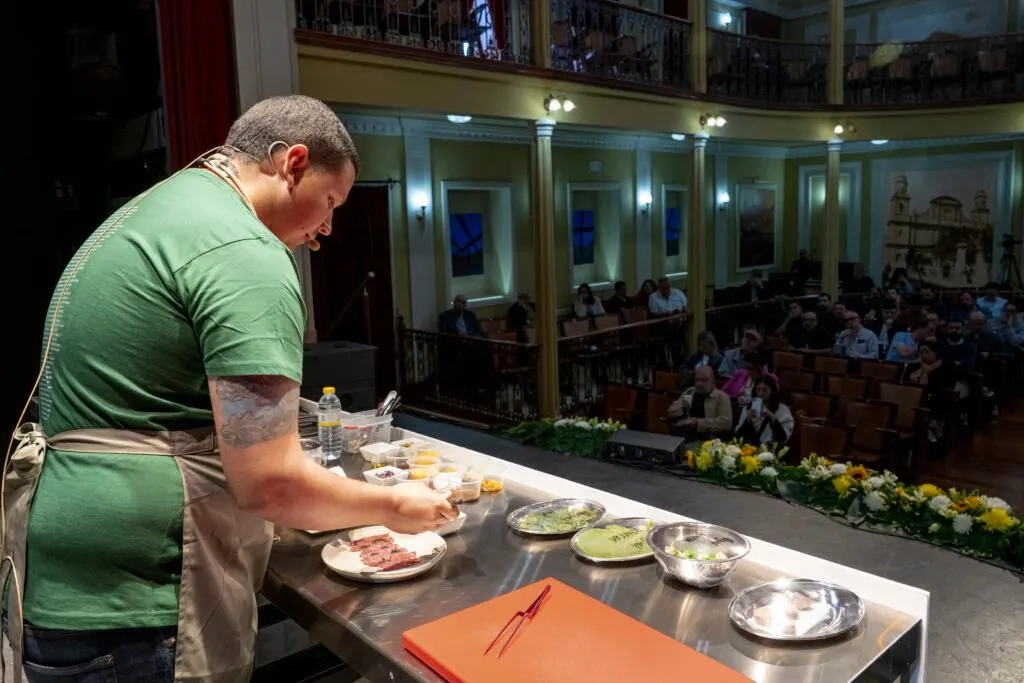
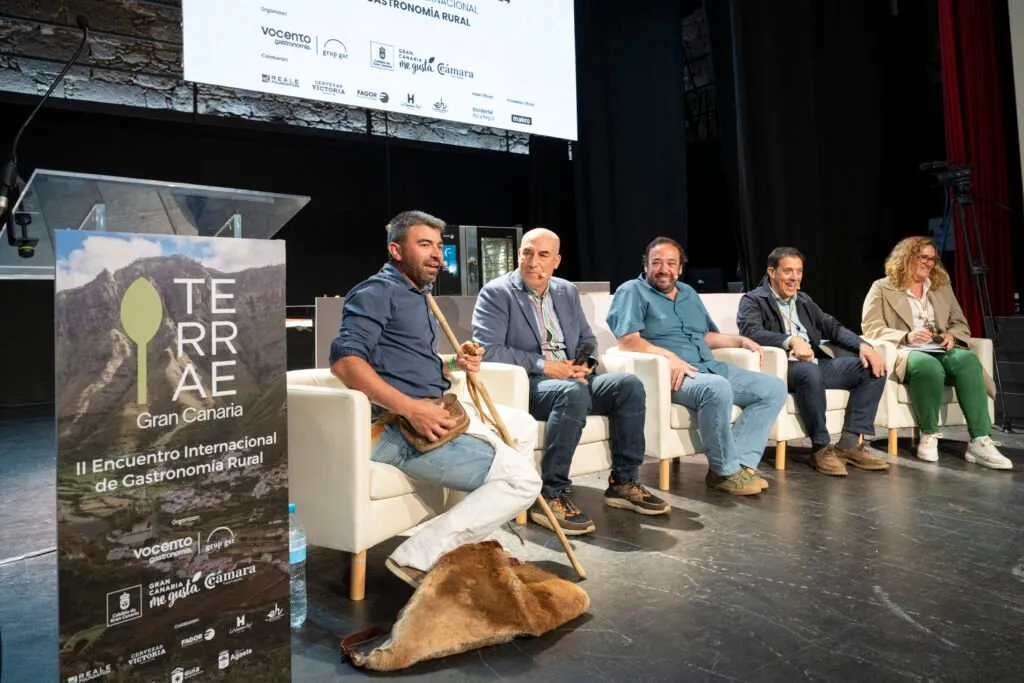
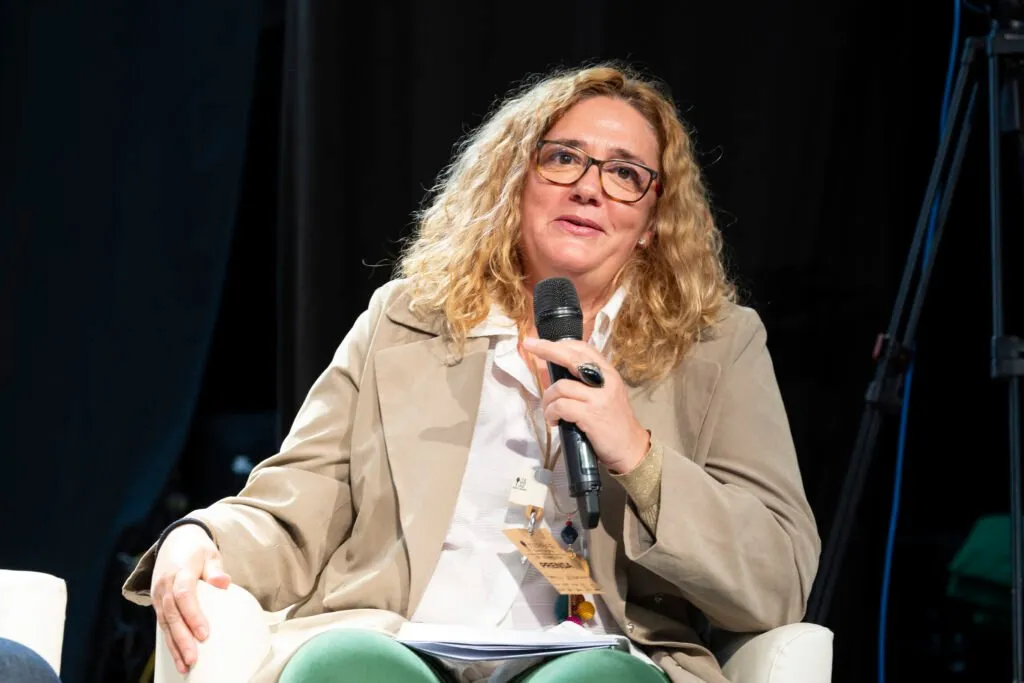
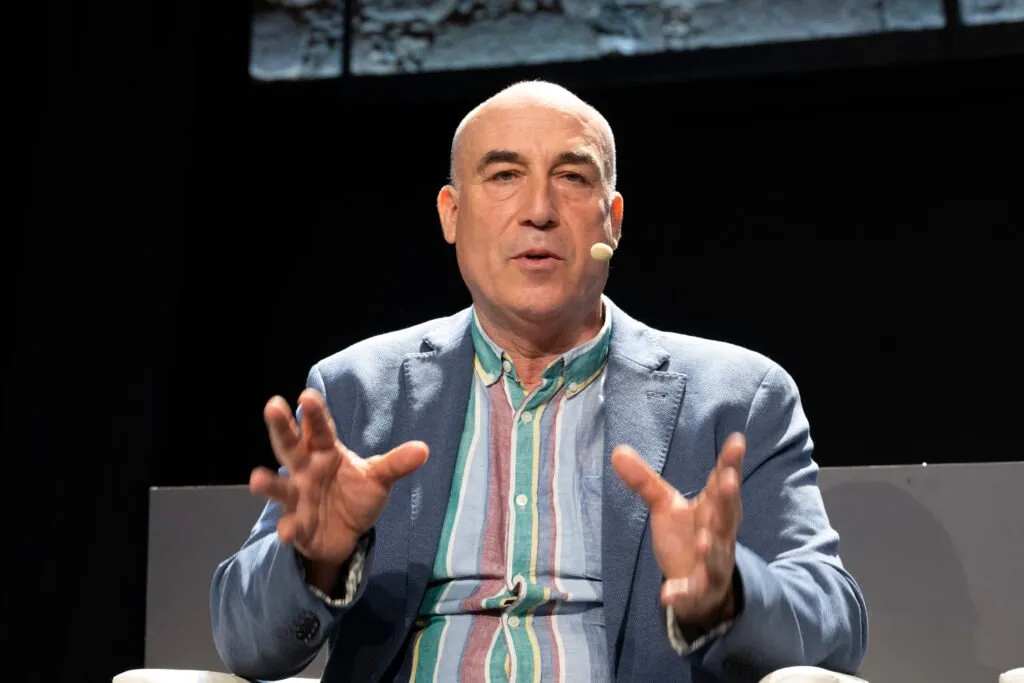
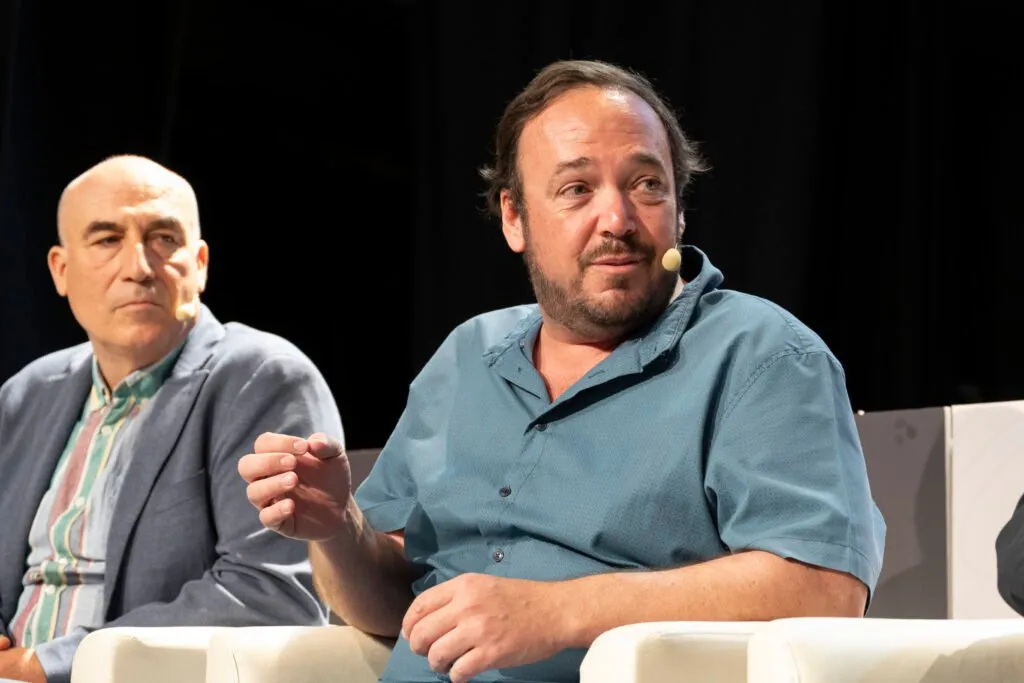
A selection of images from the presentations held at the Teatro de Gáldar.
Declaration of Gran Canaria Terrae 2024
In the “Declaration of Gran Canaria”, the rural chefs affirm their commitment to the culinary traditions and cultures of their territories, underlining gastronomy as a fundamental cultural and economic pillar.
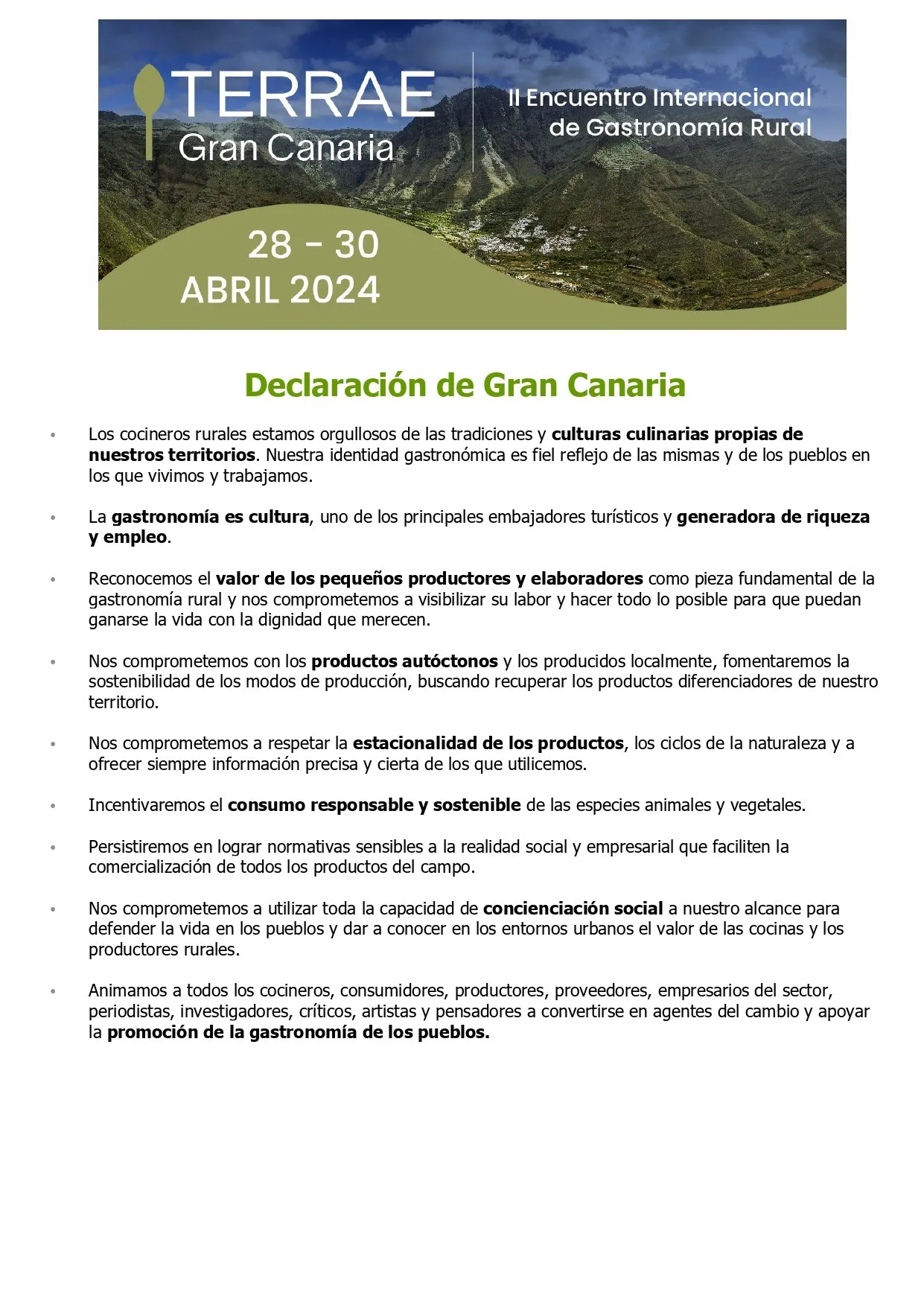

This group of chefs commits to defending rural life and using its influence to raise awareness of the value of village gastronomy, inviting a range of players across the sector to join as agents of change in support of this noble cause.
The importance of small producers and local production is emphasised, promoting sustainable practices and respect for the seasonality of produce.
Conclusion: A Promising Future for Rural Cuisine
Chef Diego Schattenhofer expressed his enthusiasm at taking part in this gathering, which gave him a platform to collaborate and share knowledge with some of the most prominent figures in rural cuisine.
The experience at TERRAE reinforces his commitment to championing the cuisine and produce of Tenerife through scientific and interdisciplinary approaches, showing that rural cuisine is not a passing trend, but a necessary evolution towards more conscious practices rooted in local culture.
Summary
- Election of Luis Alberto Lera: At the second edition of Terrae, an international congress on rural cuisine, Luis Alberto Lera was elected mayor of the rural chefs by an absolute majority. More than forty chefs were eligible for the post.
- The importance of rural gastronomy: Terrae has shown that gastronomy plays an essential role in sustaining and developing rural environments. Lera, recognised for his defence of rural cuisine and local tradition, has committed to driving significant change in rural areas.
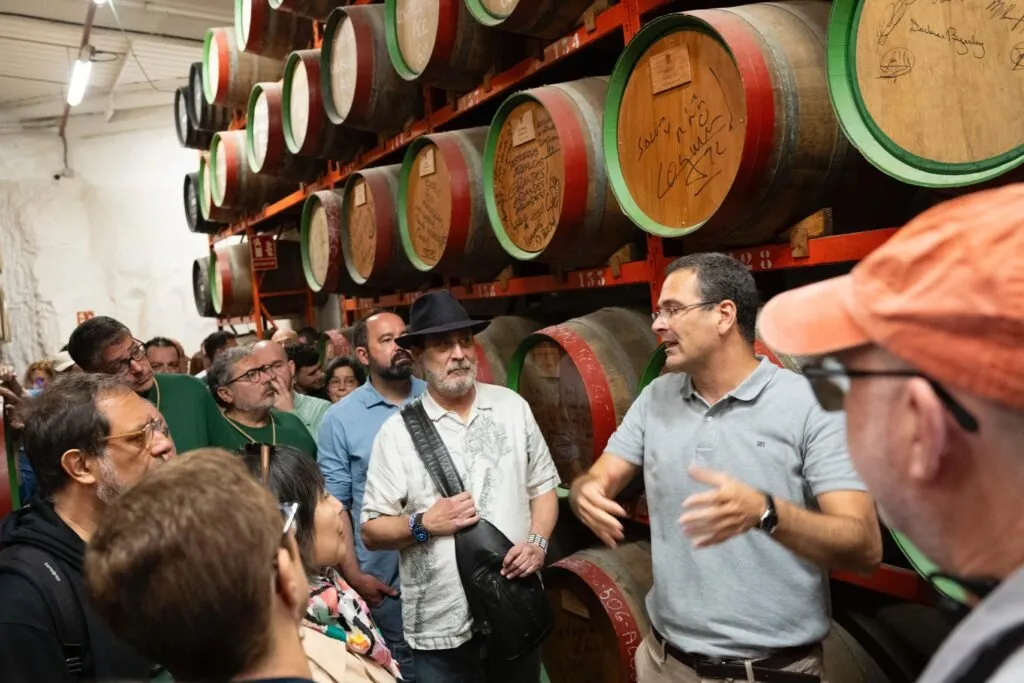
- Congress activities: During Terrae, activities included visits to local producers in Gran Canaria, tastings of Canarian products such as bananas and rum, and presentations on rural innovations such as the use of drones and digital devices in livestock farming.
- Recognition and awards: Gastón Acurio received an award recognising his contribution to popular cuisine and to producers on the closing day of the event. The gathering also closed with the presentation of the Declaration of Gran Canaria, which renews the commitment to rural areas expressed in the Manifesto of Zafra five years earlier.
- Future editions and outlook: It was announced that Gran Canaria is ready to host the next edition of Terrae, reinforcing the island’s commitment to championing local produce and rural cuisine.
- Cultural and educational exchange: During the congress, round tables and debates were held on the relationship between chefs, producers and public administration, underlining the importance of empathetic and responsible dialogue for the future of rural areas.
Multidisciplinary Scientific Gastronomic Glossary
A Culinary Journey That Transcends Through the Humble Egg: My Thanks to Benjamín Lana
Edible Perfumes of Pine Forest and Mid-Altitude Lands: the new venture from Chef Diego Schattenhofer
Frequently asked questions
What is the II International Rural Gastronomy Gathering TERRAE?
What topics were discussed at the gathering?
What was Diego Schattenhofer's contribution to the congress?
What benefits were highlighted from applying technology to rural gastronomy?
How does rural gastronomy contribute to keeping rural populations in place?
What is the future of rural cuisine according to the gathering's conclusions?
You may also like
Diego Schattenhofer at the VIII Encuentro de los Mares: new horizons for seafaring cuisine
Congresses
Everything About the VI Encuentro de los Mares in Tenerife: A Current and Future Approach Between the Ocean and Health
Congresses
Reinventing the hot buffet: Diego Schattenhofer at the VI Congreso Nacional CLAVE F&B
Congresses