Innovation with Guanche Roots: Chef Diego Schattenhofer and Doctor Marichu Fresno of the ICIA Work Together to Rediscover Aboriginal Canarian Cheese
- Published
- Updated
- Section
- Multidisciplinary
Innovation and Tradition: The Resurgence of the Aboriginal Canarian “Cheese” Dairy Derivative
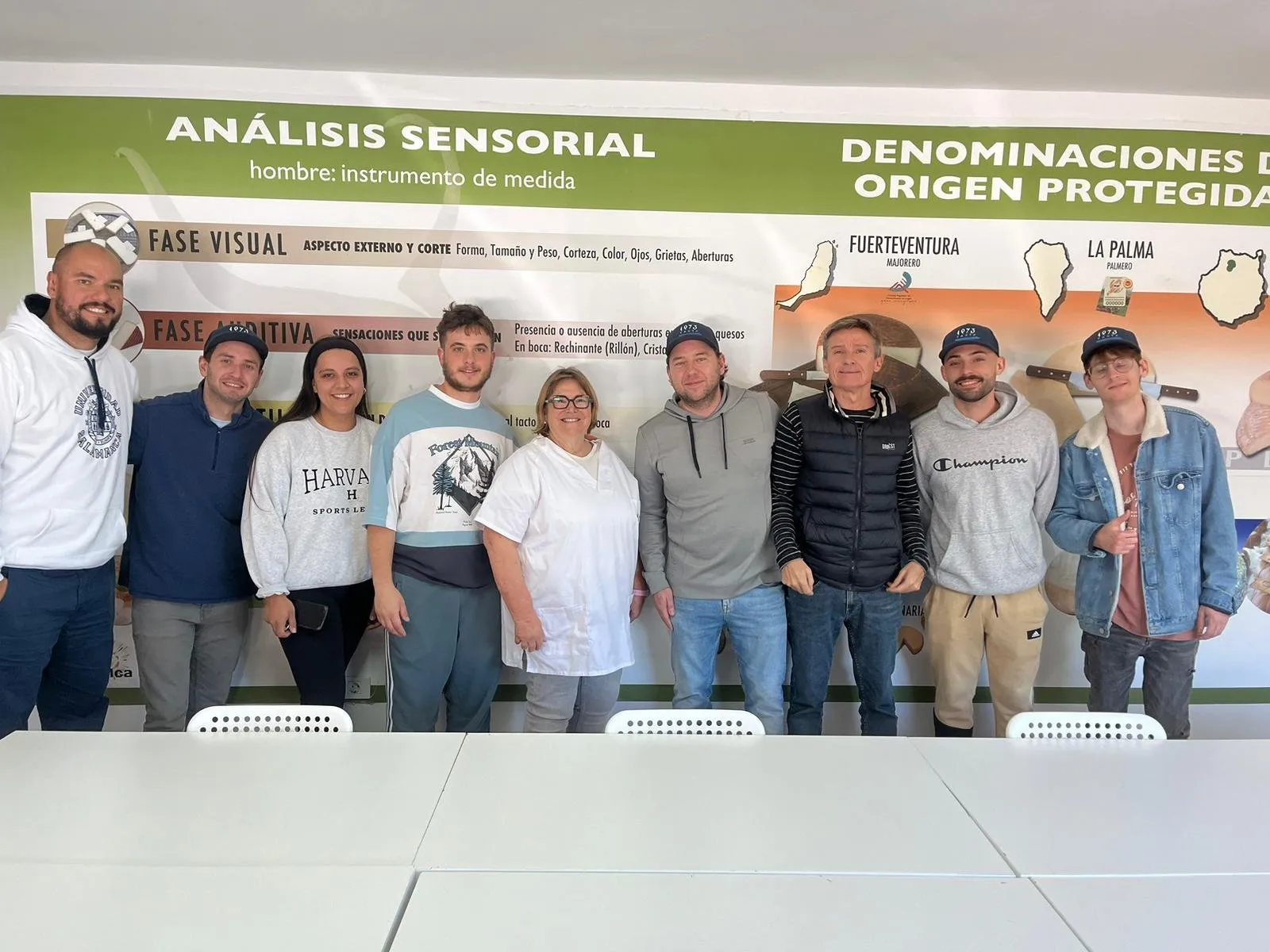
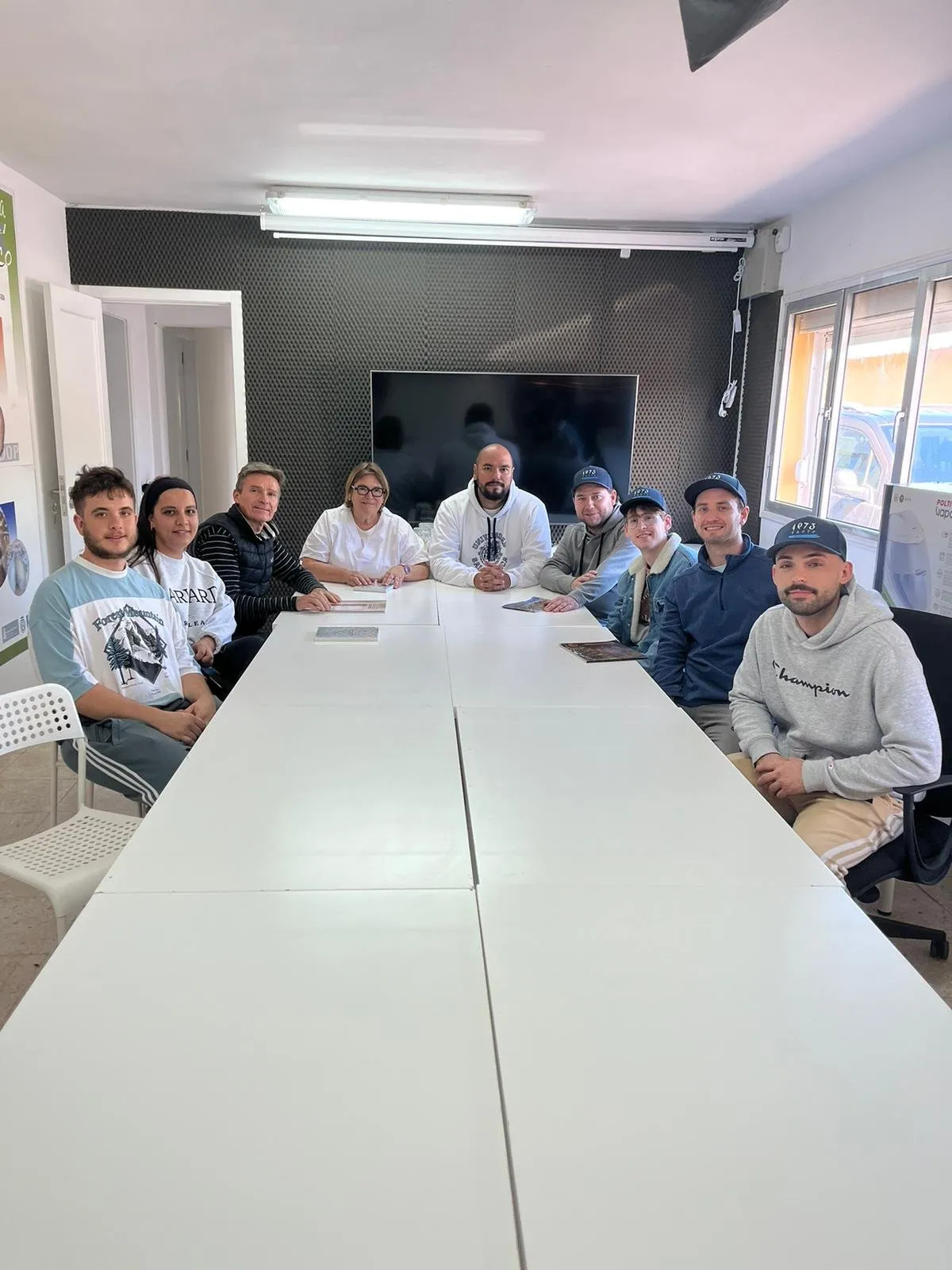
The ongoing, unprecedented collaboration between the Instituto Canario de Investigaciones Agrarias ICIA and the Restaurant Taste 1973 (Hotel Villa Cortés) builds a bridge between science and Canarian gastronomy, led by Chef Diego Schattenhofer and Doctor Marichu Fresno. Together, they have embarked on an exciting journey to revive the culinary traditions of the aboriginal Canarians.
Rediscovering Ancestral Techniques
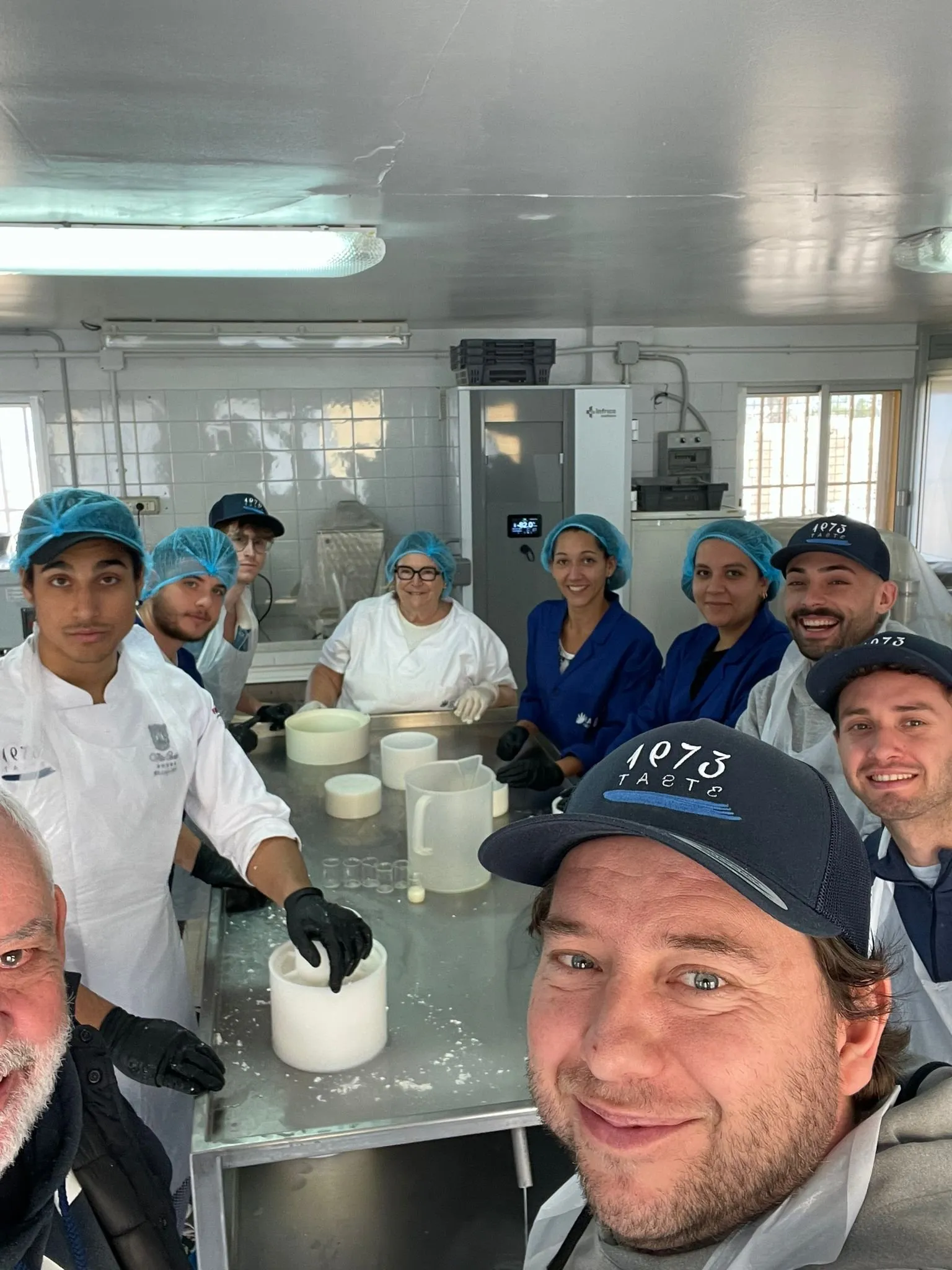
This project centres on the study and reinterpretation of the “Cheese (Aboriginal Canarian Dairy Derivative)”, an effort to understand and honour the food-making methods of the ancient Canarians, according to personal communication from Dr Diego Cuscoy many years ago.
A Modern Approach to the Traditional Making of Aboriginal Canarian “Cheese”
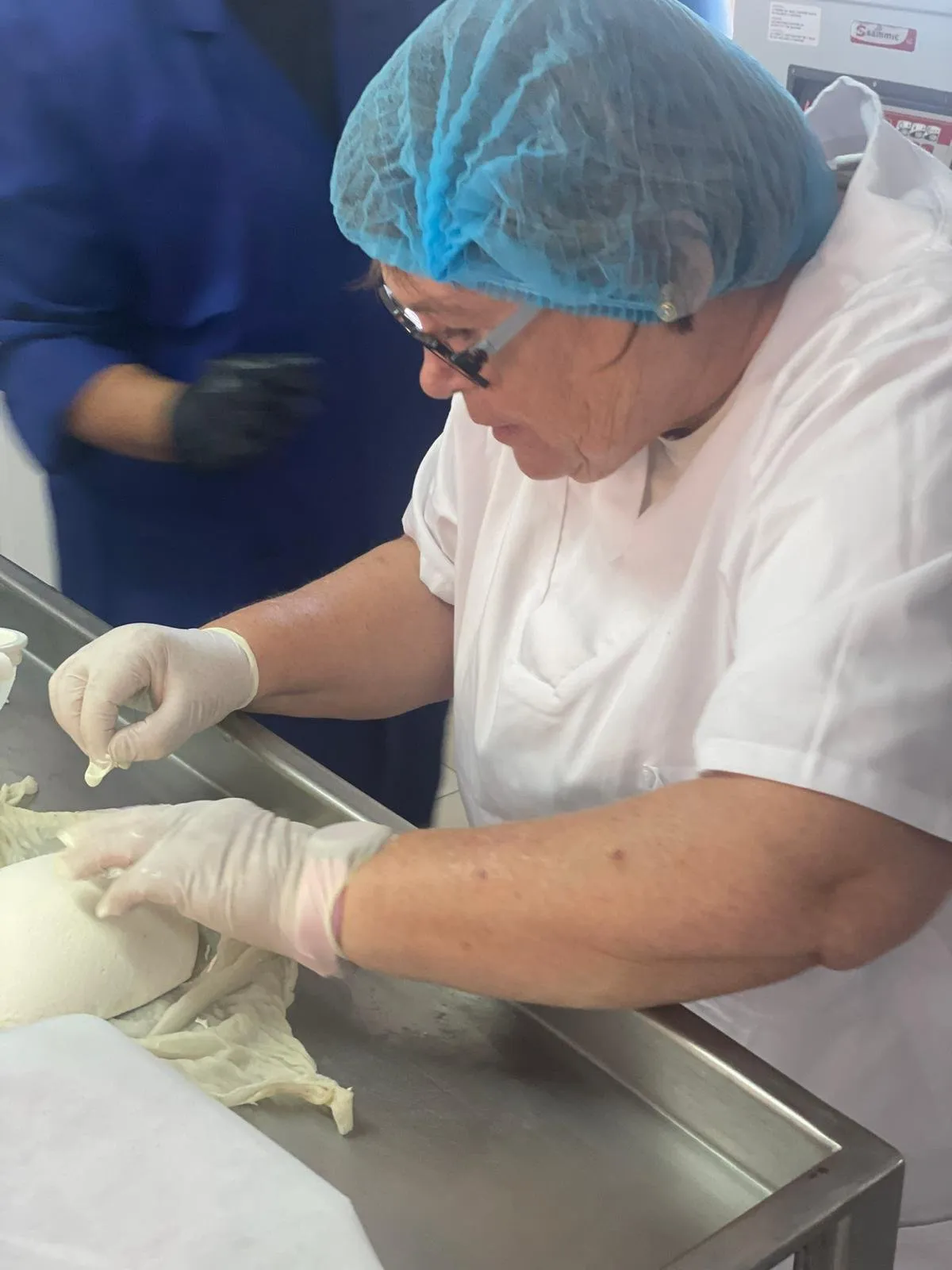
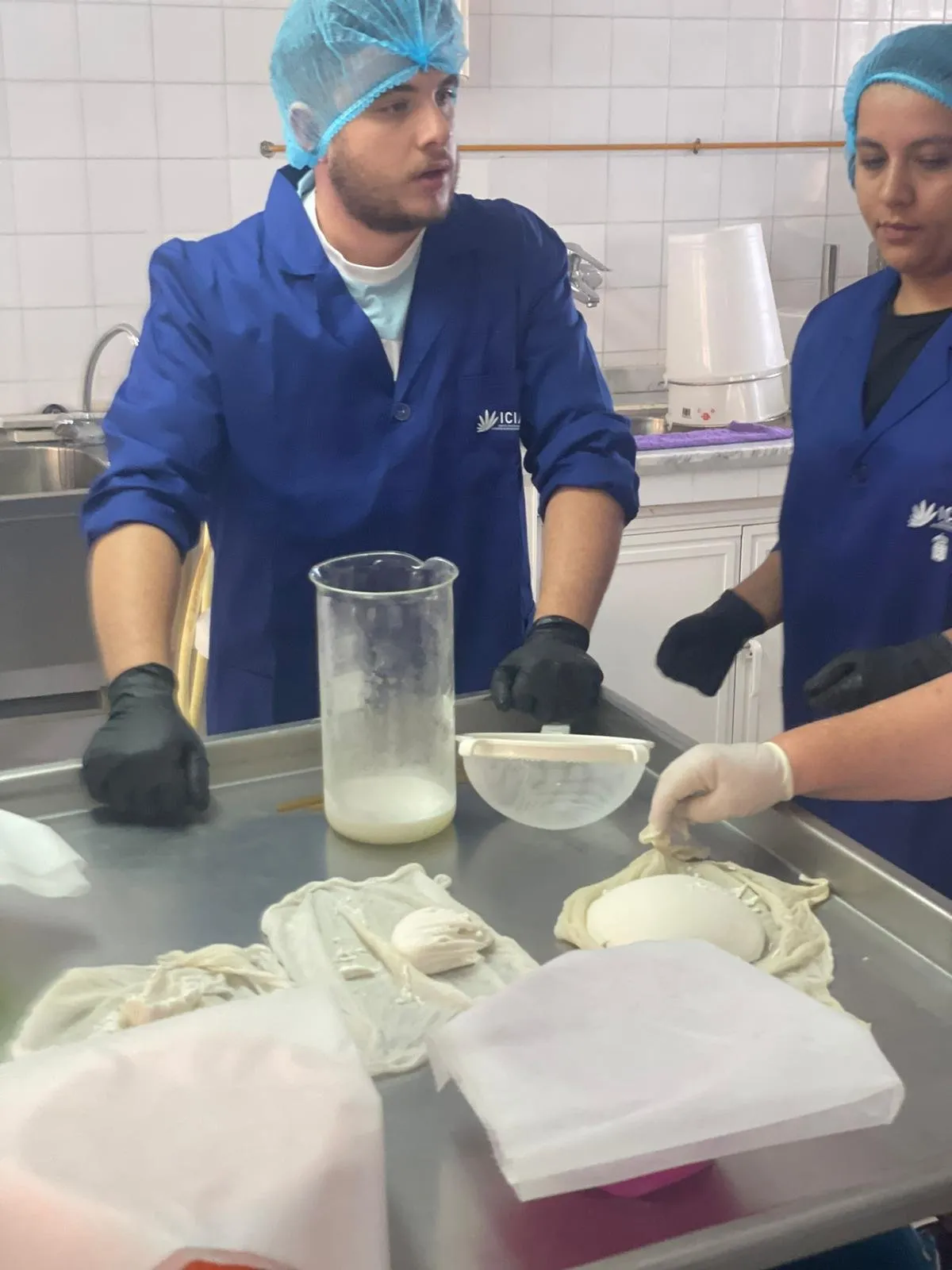
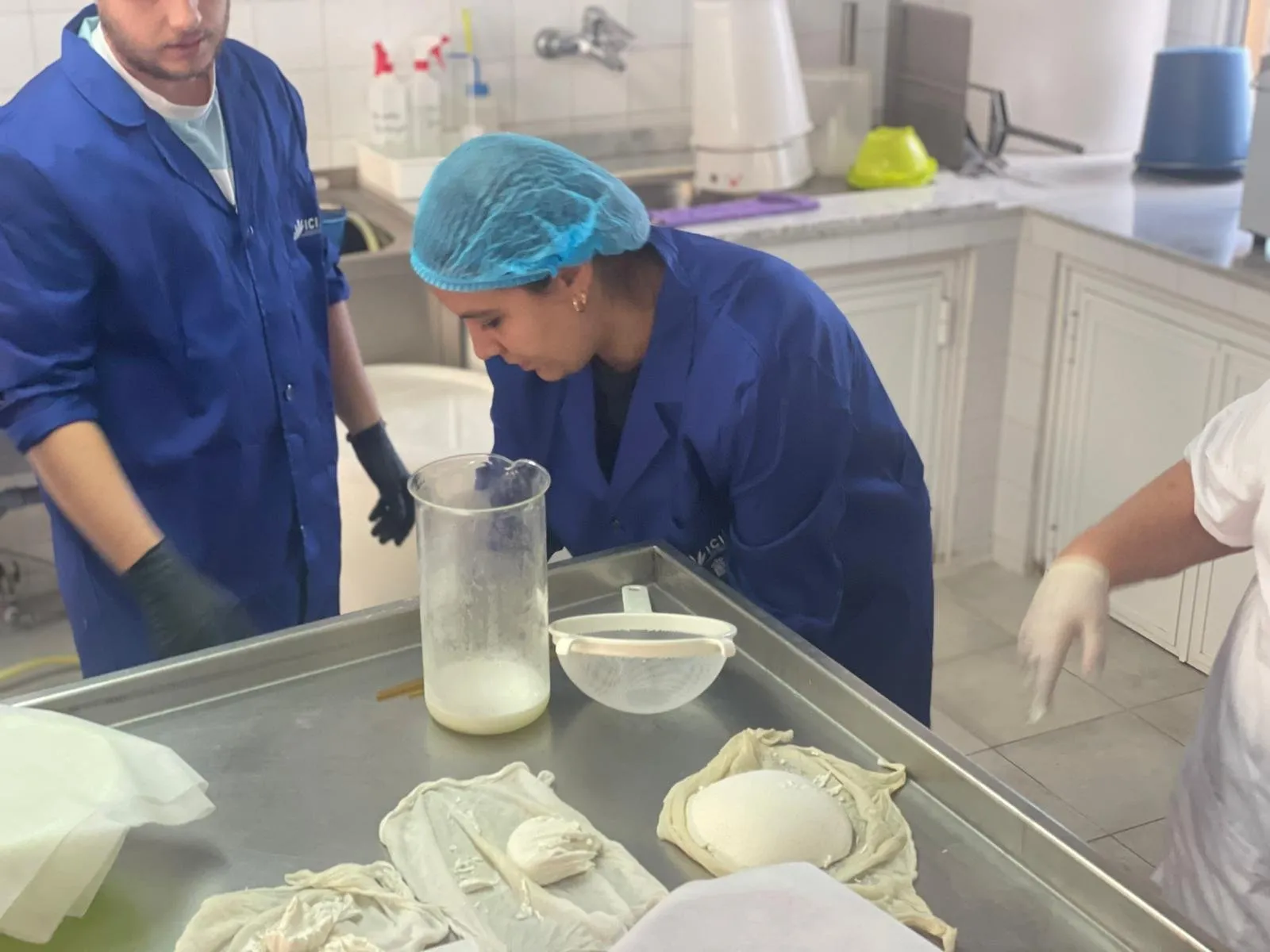
The modern approach to making “Aboriginal Canarian Cheese” revived by Chef Diego Schattenhofer and Doctor Marichu Fresno centres on a traditional technique that sets this product apart from conventional cheeses.
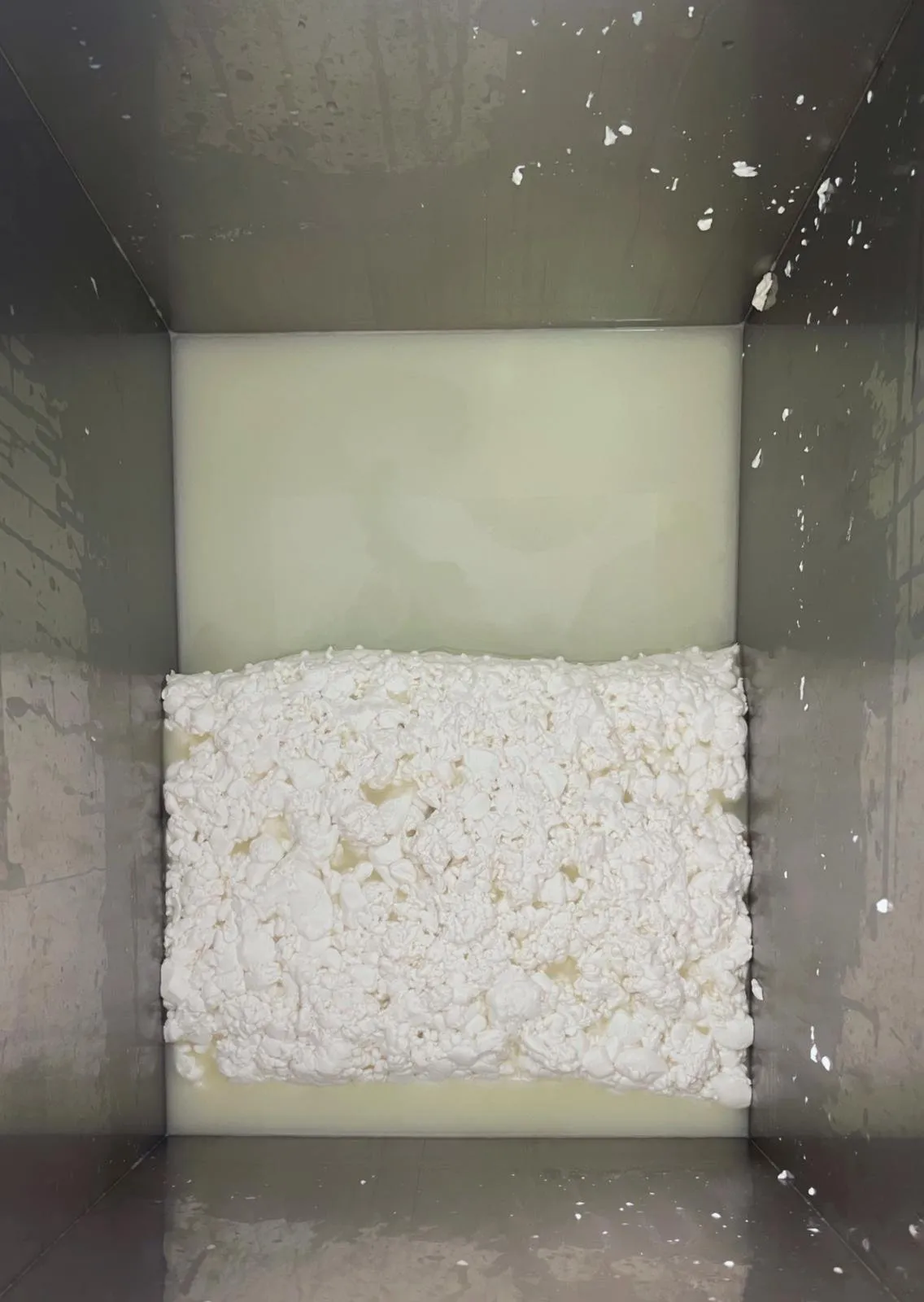
This dairy derivative is characterised by its natural lactic fermentation process, a method that dispenses with animal rennet, a coagulating agent commonly used in cheesemaking.
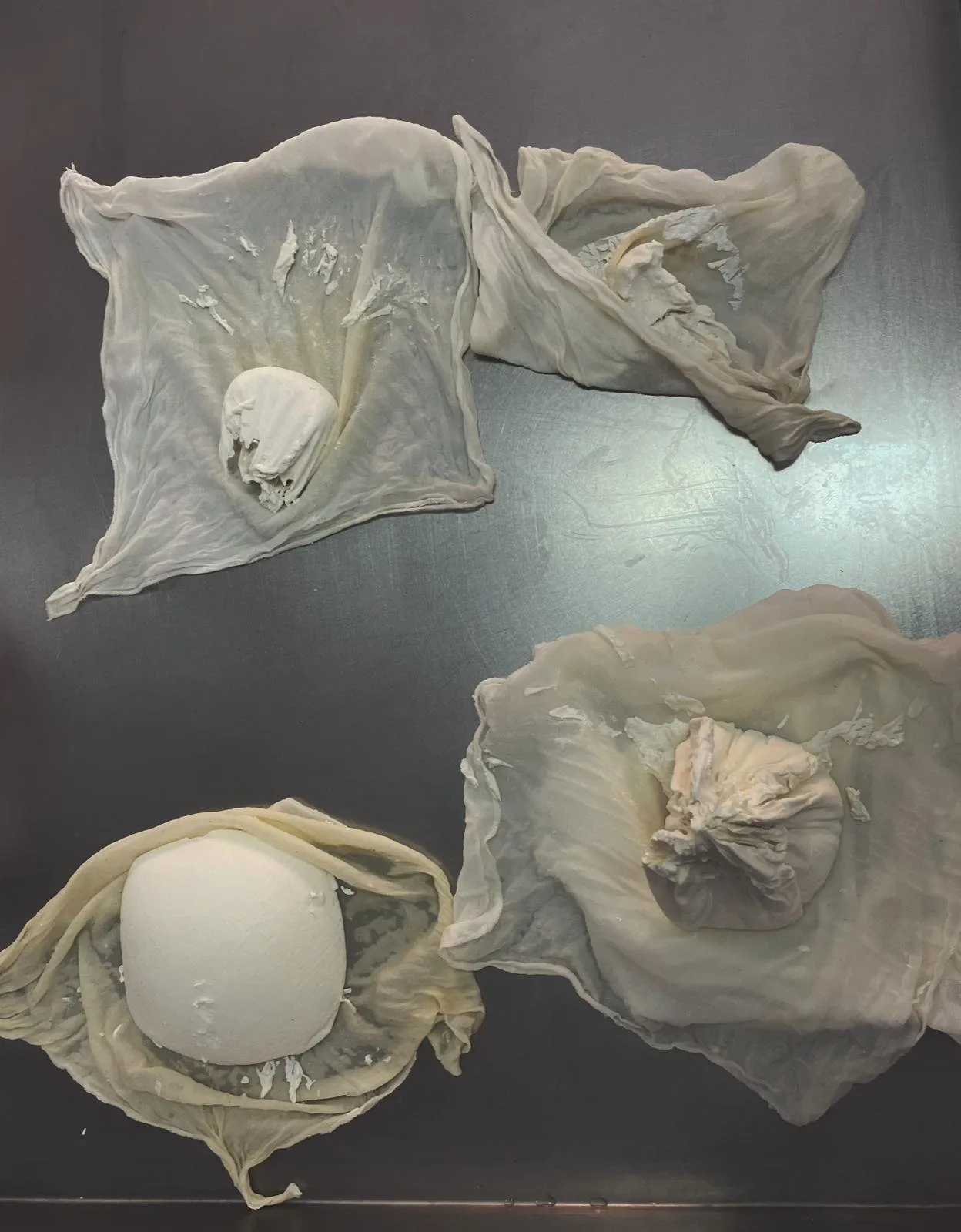
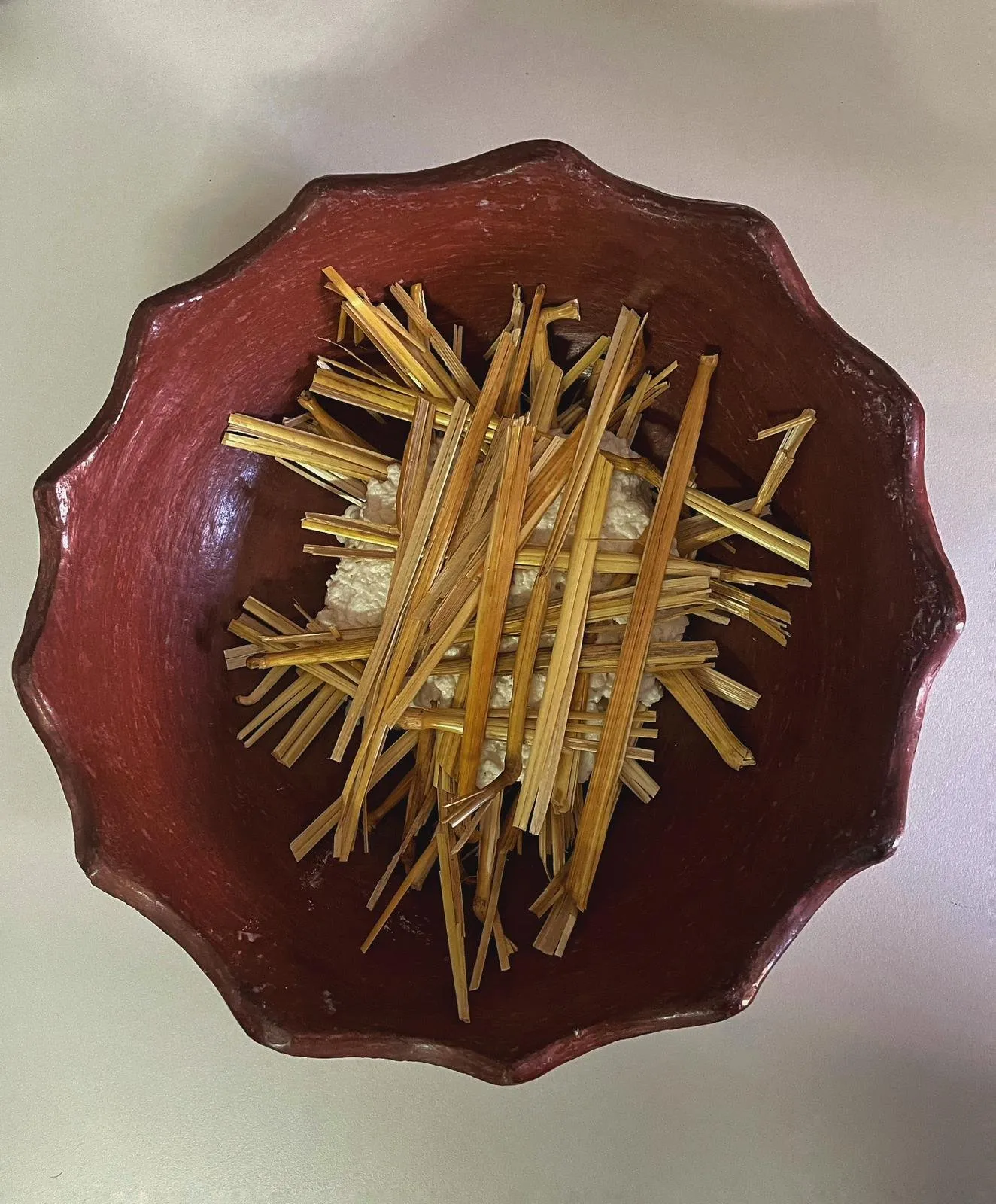
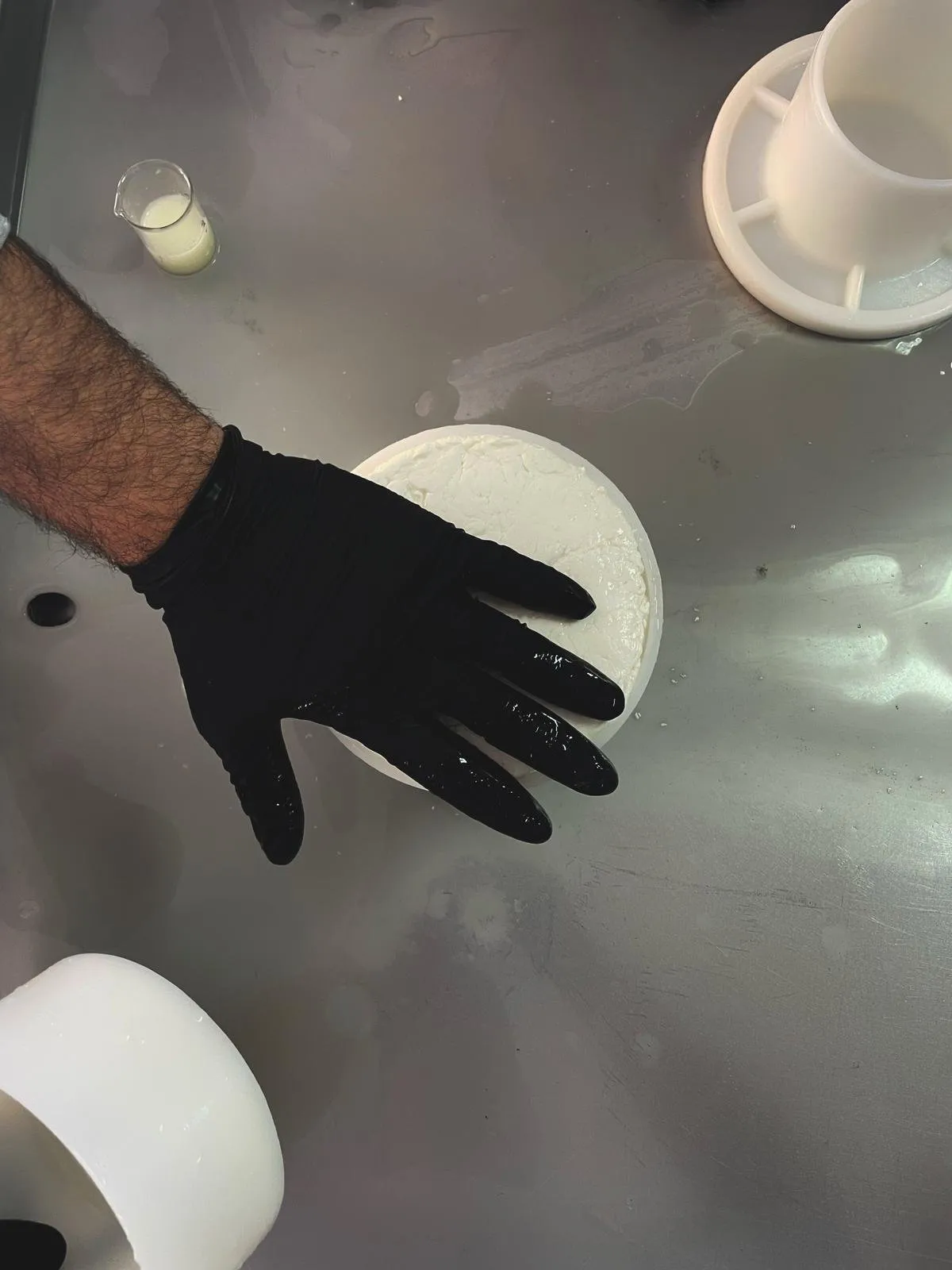
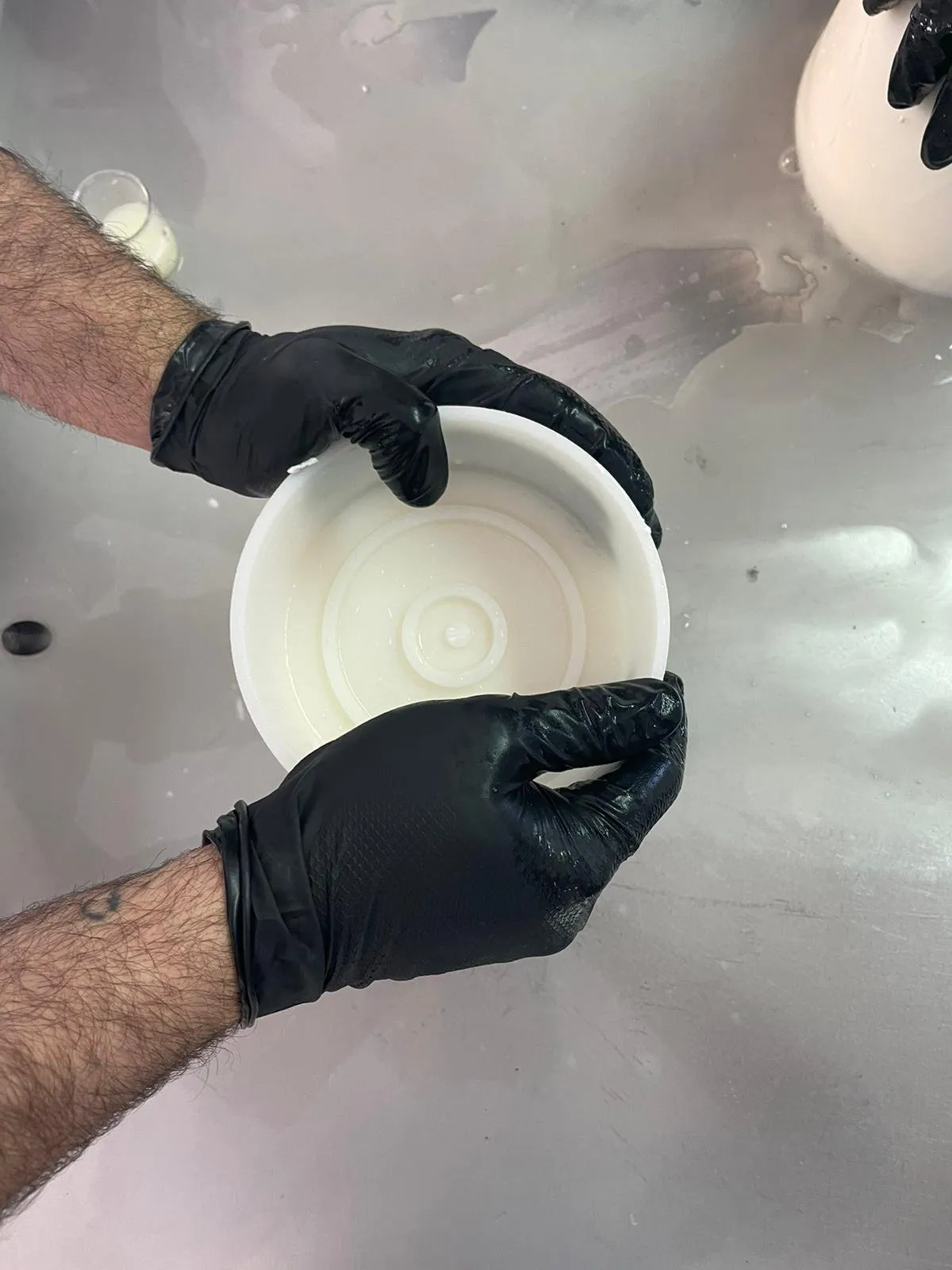
The resulting curd is pressed and ferments, which gives it a unique texture and flavour in the finished product. What makes this cheese even more special is that it is pressed between layers of local herbs, bringing the biodiversity of the Canary Islands into its aromatic profile.
This practice not only reflects a singular food-preservation technique inherited from the ancient Canarians, but also underlines a deep connection with the region’s natural surroundings, showing how tradition and innovation can intertwine to revive and enrich Canarian culinary heritage.
Innovations and Experimentation
The project led by Chef Diego Schattenhofer and Doctor Marichu Fresno of the ICIA marks a turning point for Canarian gastronomy, fusing the islands’ rich culinary history with scientific approaches grounded in historical references.
By focusing on “Aboriginal Canarian Cheese”, the project seeks not only to rediscover and honour the ancestral food-making techniques of the aboriginal Canarians, but also to broaden the horizon of regional gastronomy through bold, novel experimentation.
Plant Coagulants and the Team’s Own Penicillium
Another key area of innovation is experimentation with plant-based coagulants, an alternative to the animal rennet traditionally used in cheesemaking. This search for plant-derived coagulants is not only a gesture towards more sustainable and ethical food-production practices, but also opens new possibilities in terms of flavours and textures, aligning with global trends towards more plant-based diets.
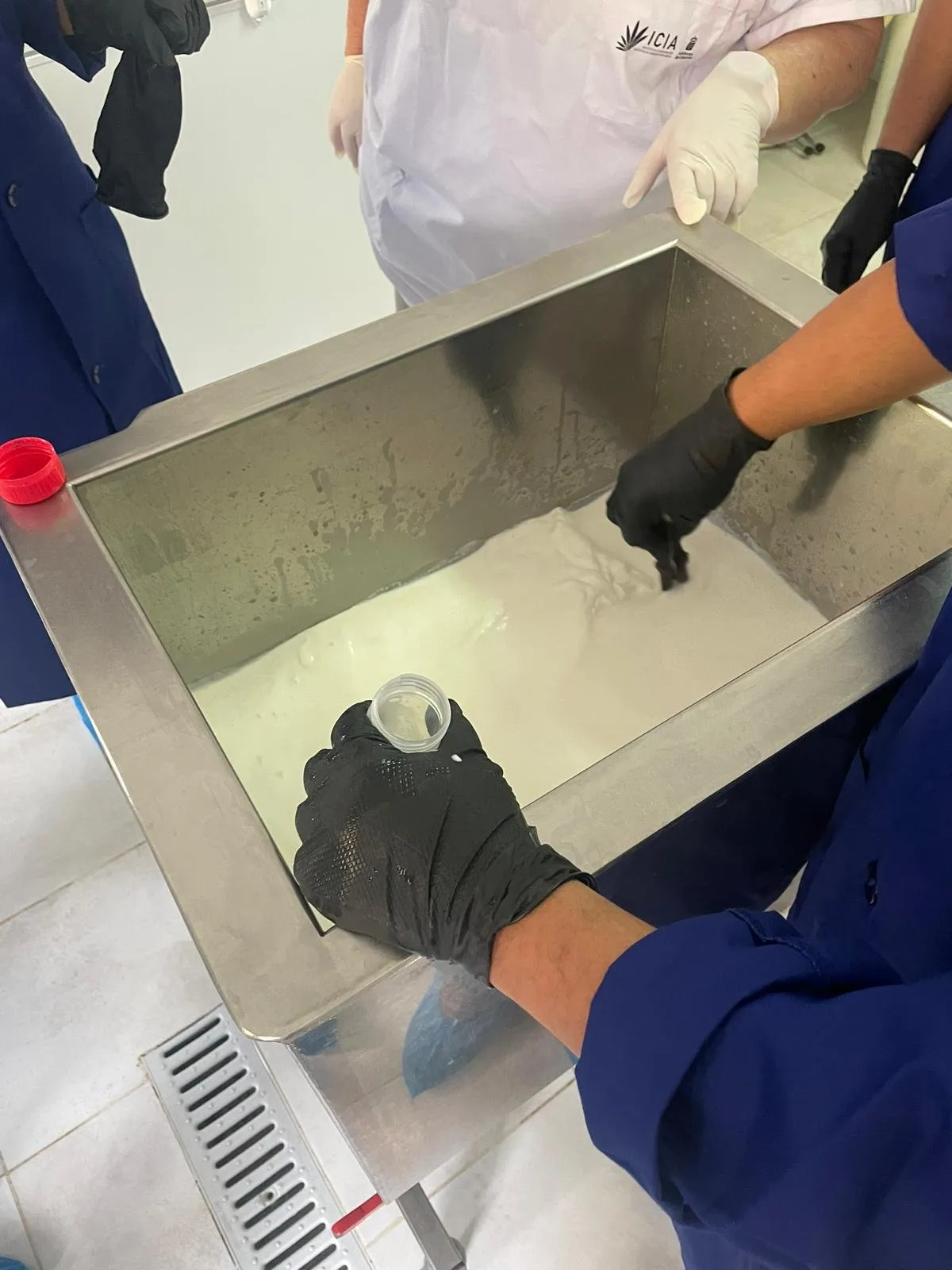
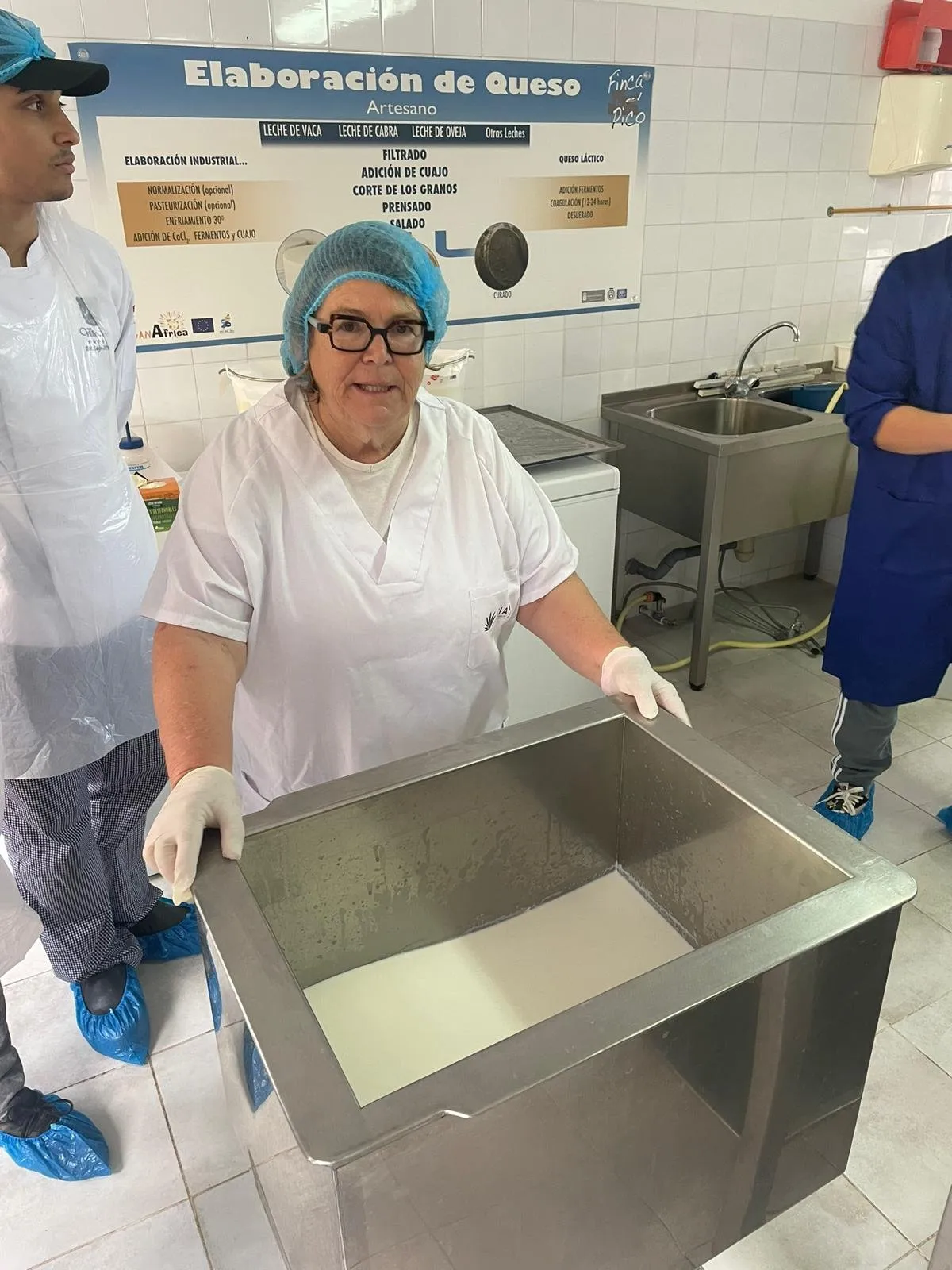
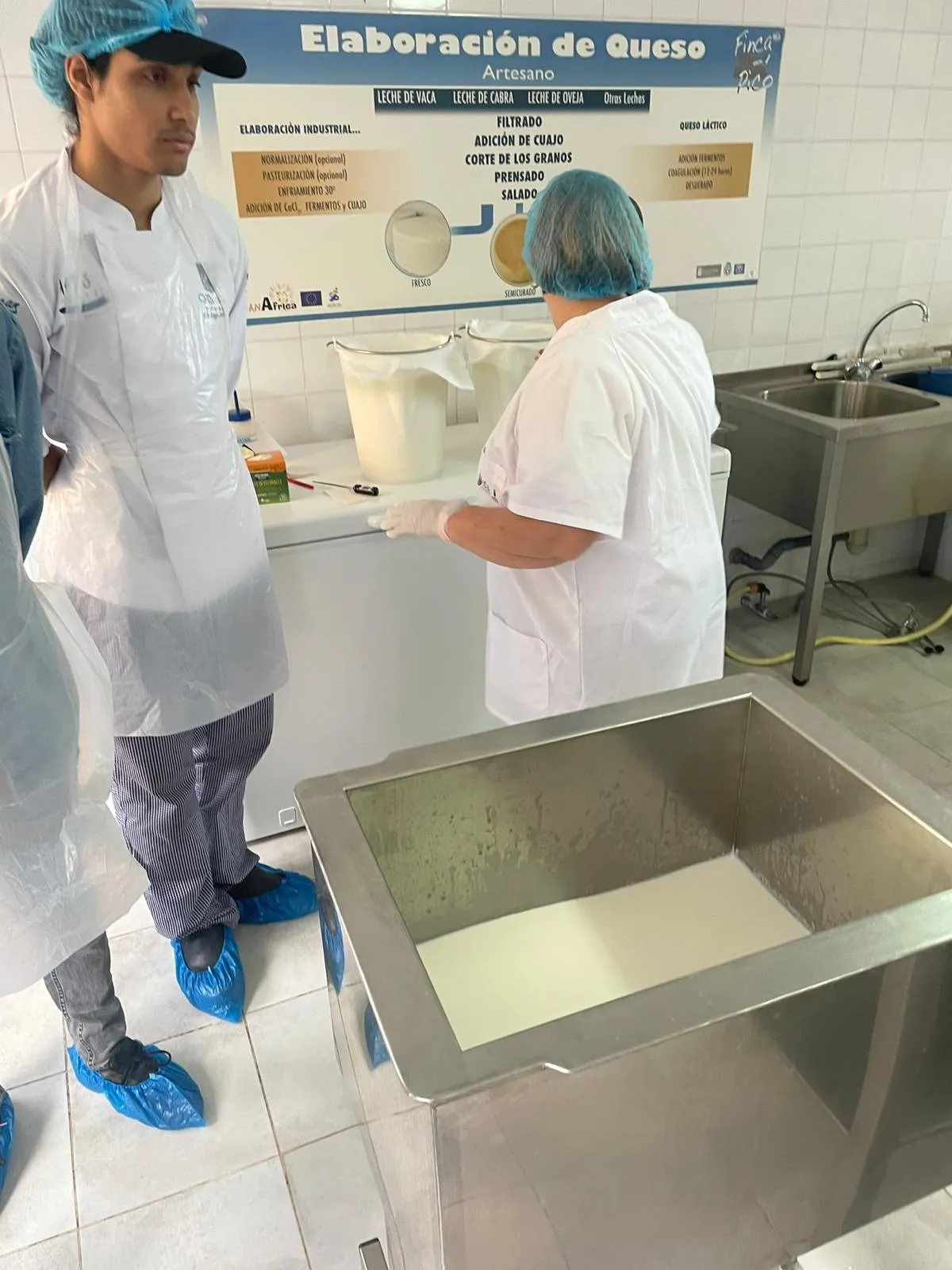
In this vein, a cheese has been made from fig-tree latex following processes described by the ancient Greeks and Romans, yielding — in these preliminary trials — distinctive cheeses with vegetal notes of ripe fig; to complete this experience, and following the example of Media Flor cheese (coagulated with both cardoon flower and animal rennet), the plant coagulant from the latex was combined with rennet, with very interesting results; this experience opens up a promising scenario for producing distinctive, personalised cheeses. In every case, milk from the Canary Islands’ exceptional native goat breeds was used.
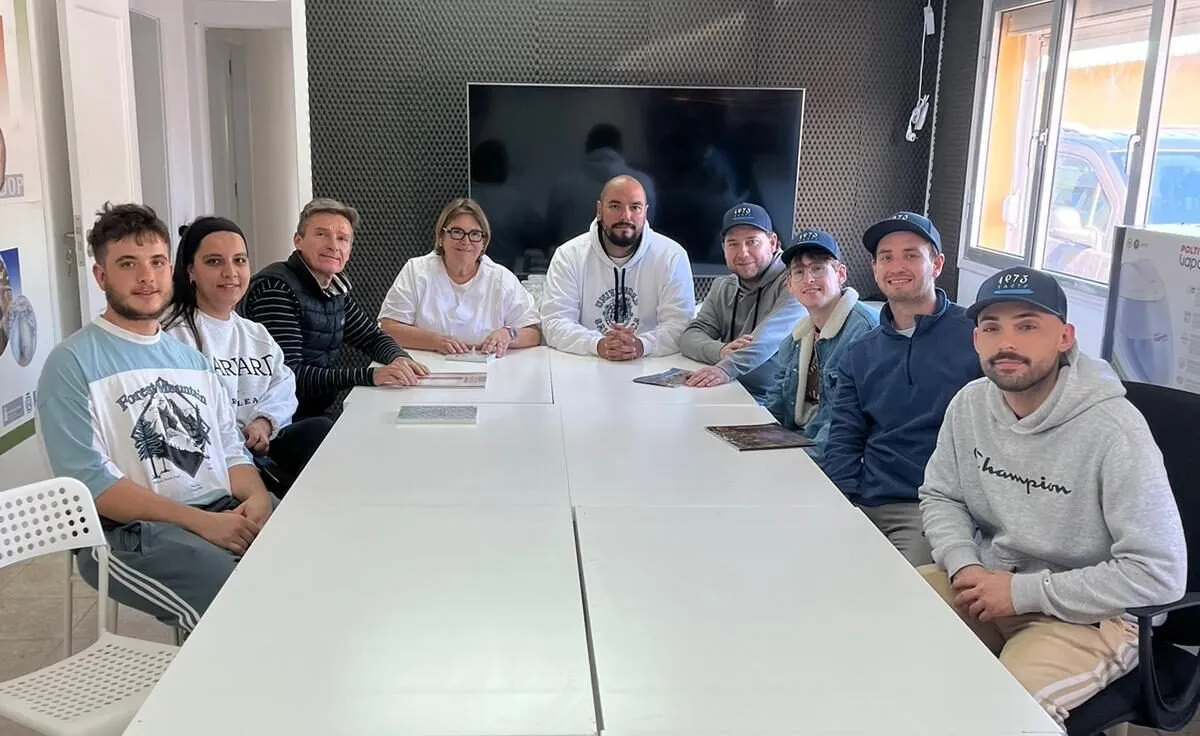
These trials have also been rounded out with the development of the team’s own penicillium strains for maturing the cheeses, another innovative facet of the project. By cultivating and using their own mould strains, the team can better control the flavour profiles and quality of the finished product, while also ensuring a distinctiveness that sets their cheese apart as a different option for consumers. This customisation of the fermentation process allows for the creation of truly unique products, reflecting the specific characteristics of Canarian terroir.
These initiatives are not only a testament to the fusion of science and gastronomy, but also demonstrate a commitment to preserving culinary heritage through innovation. In doing so, the project offers a model for how gastronomy can evolve while respecting its roots and embracing the future, and suggests a path forward for other regions and cultures seeking to revitalise their culinary traditions in a changing world.
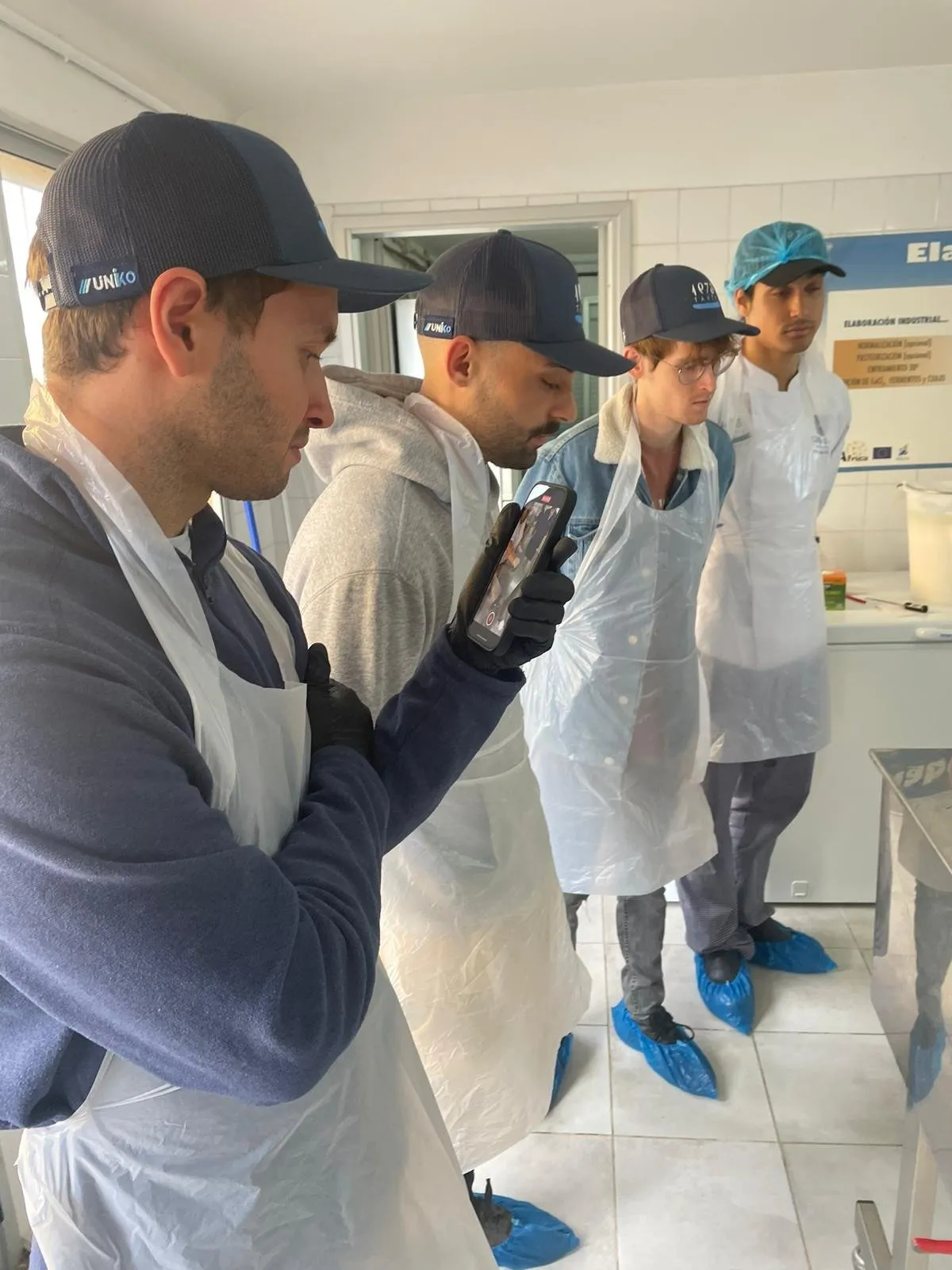
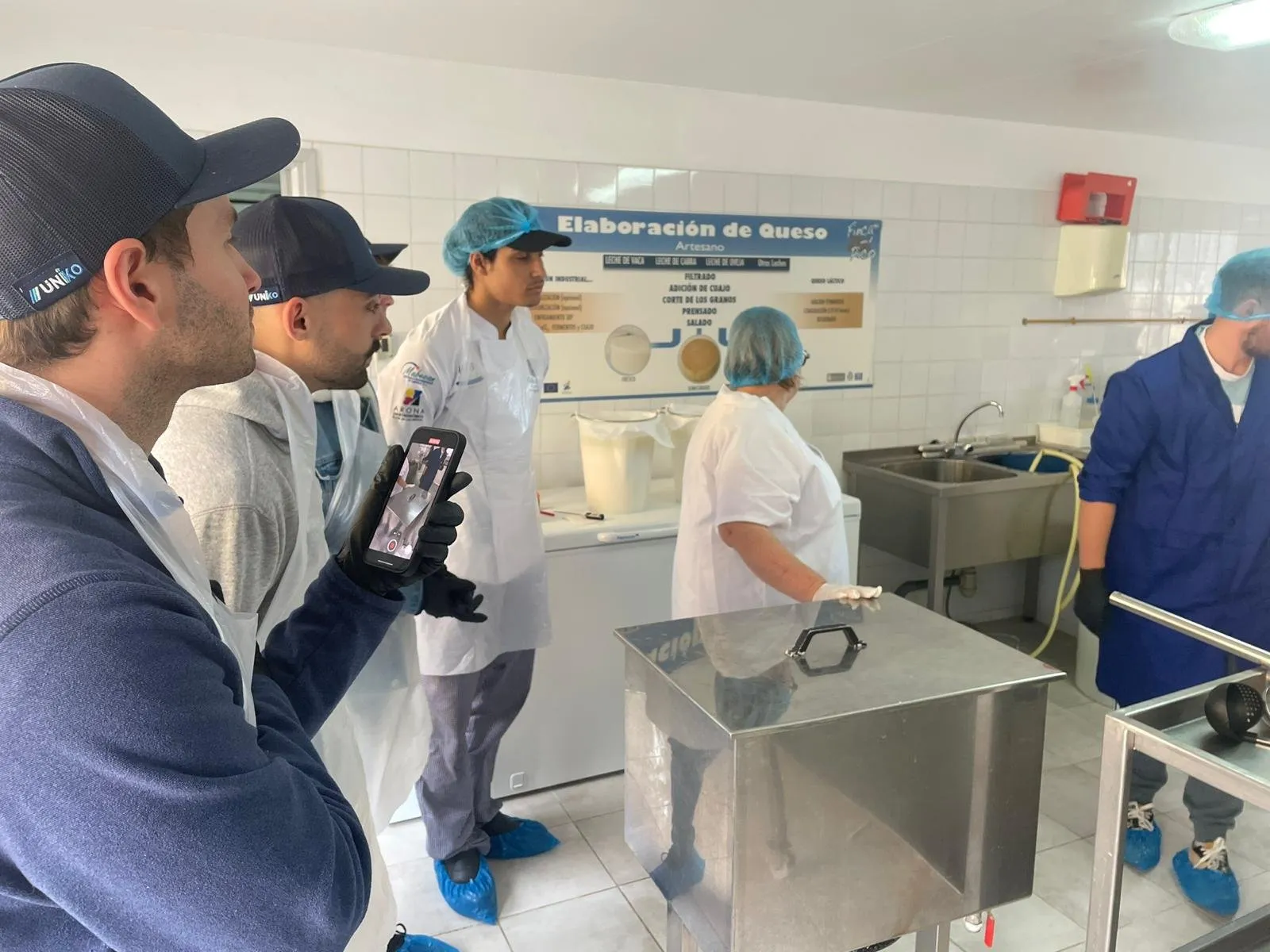
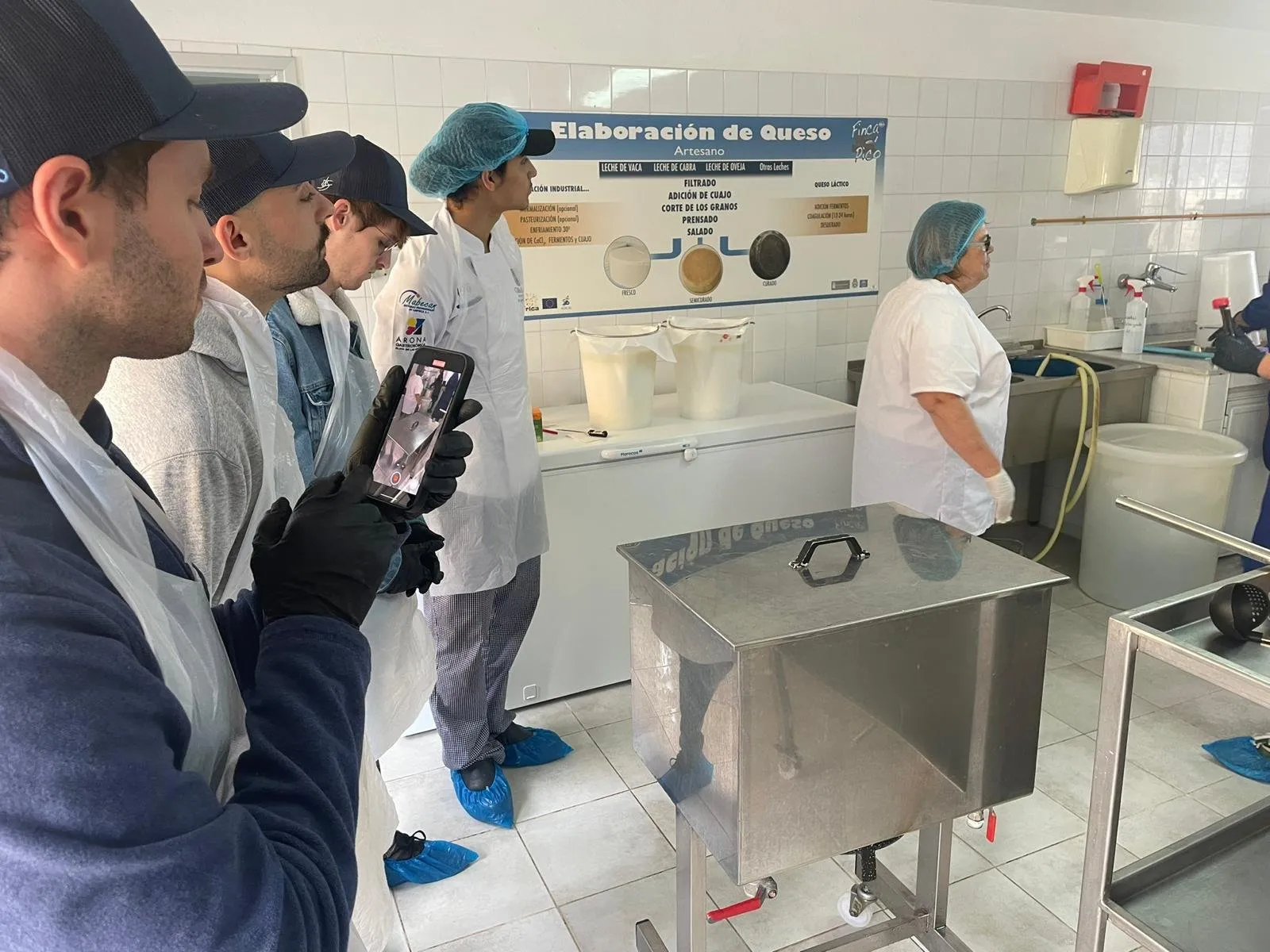
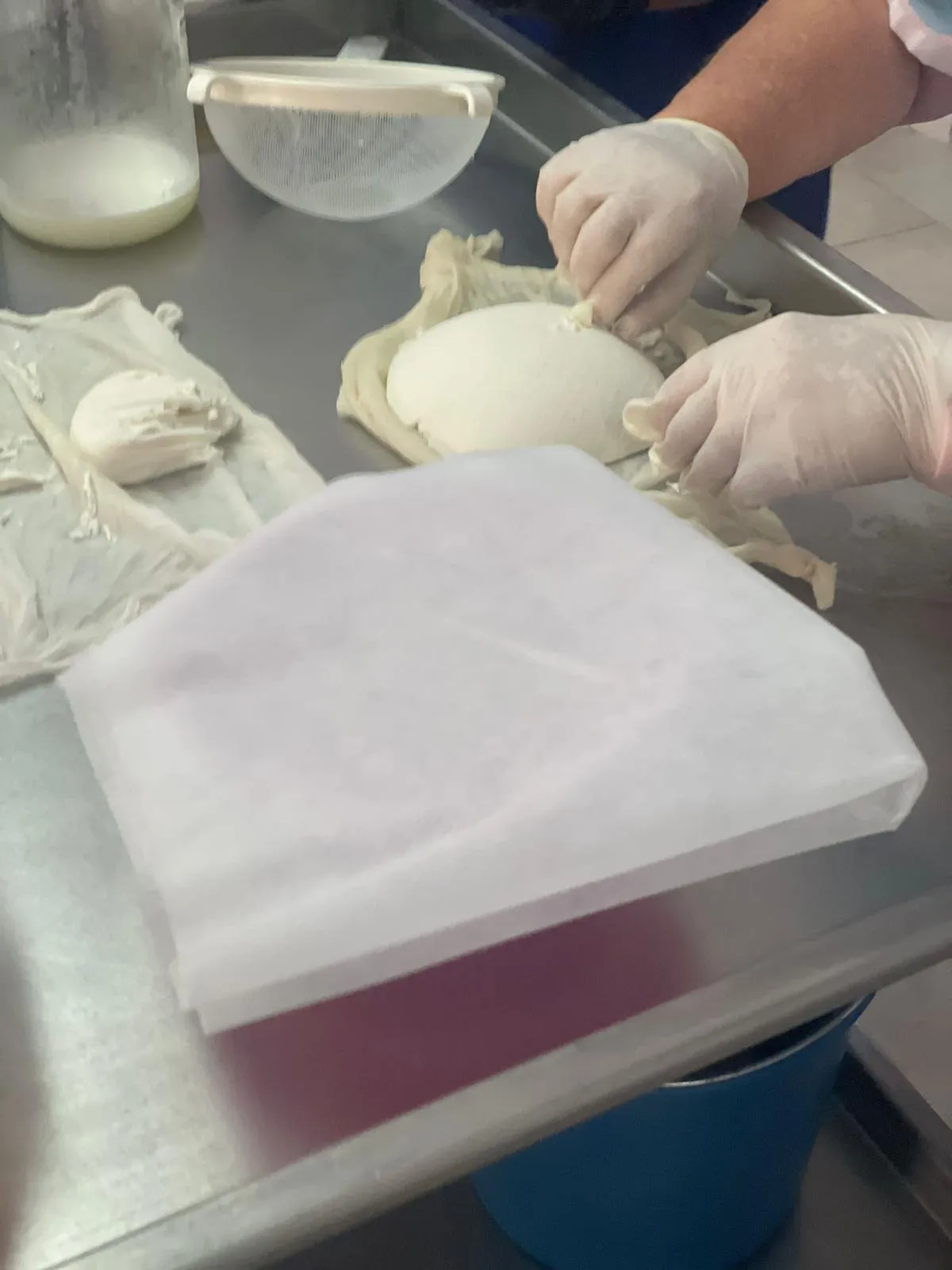
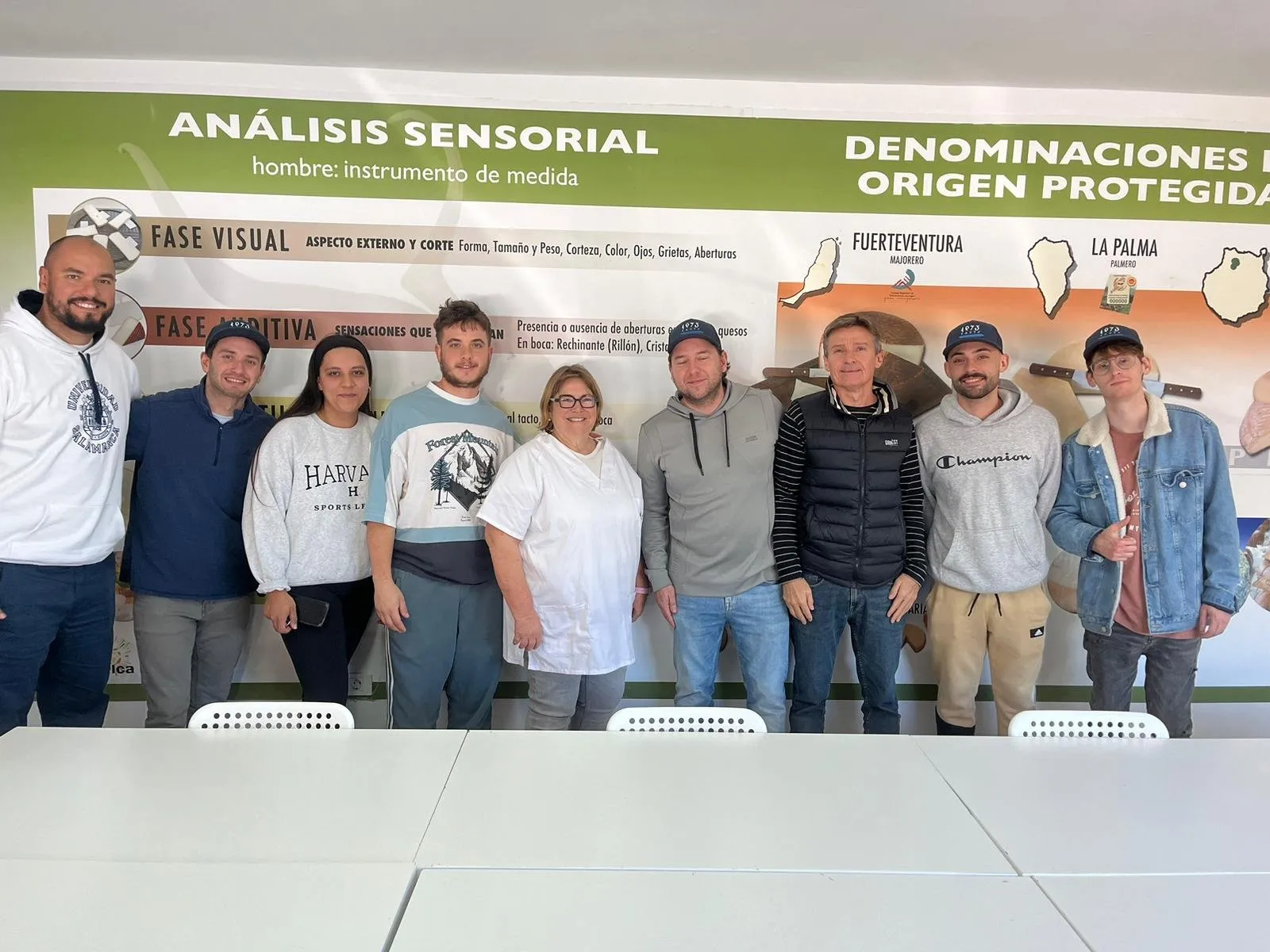
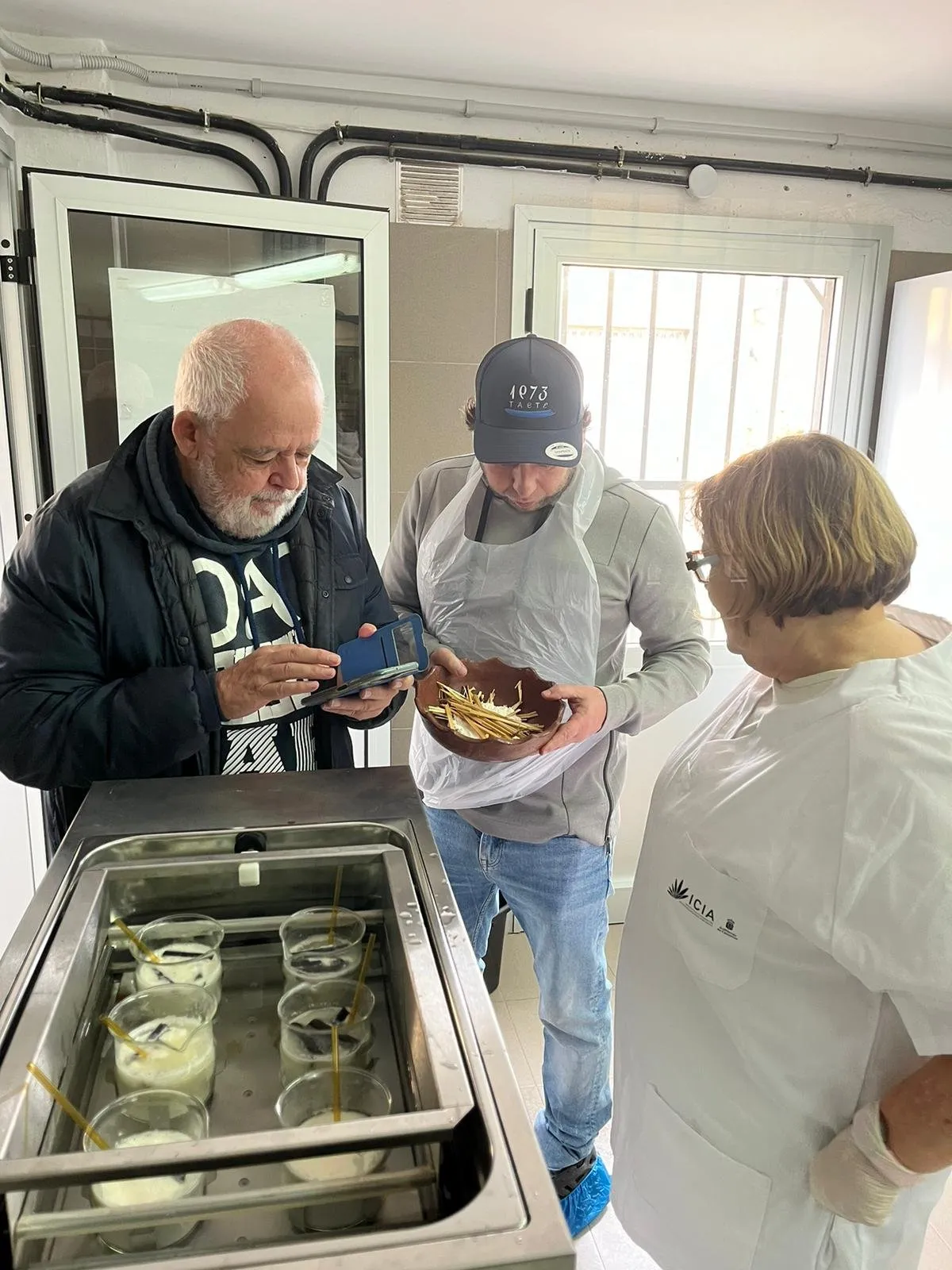
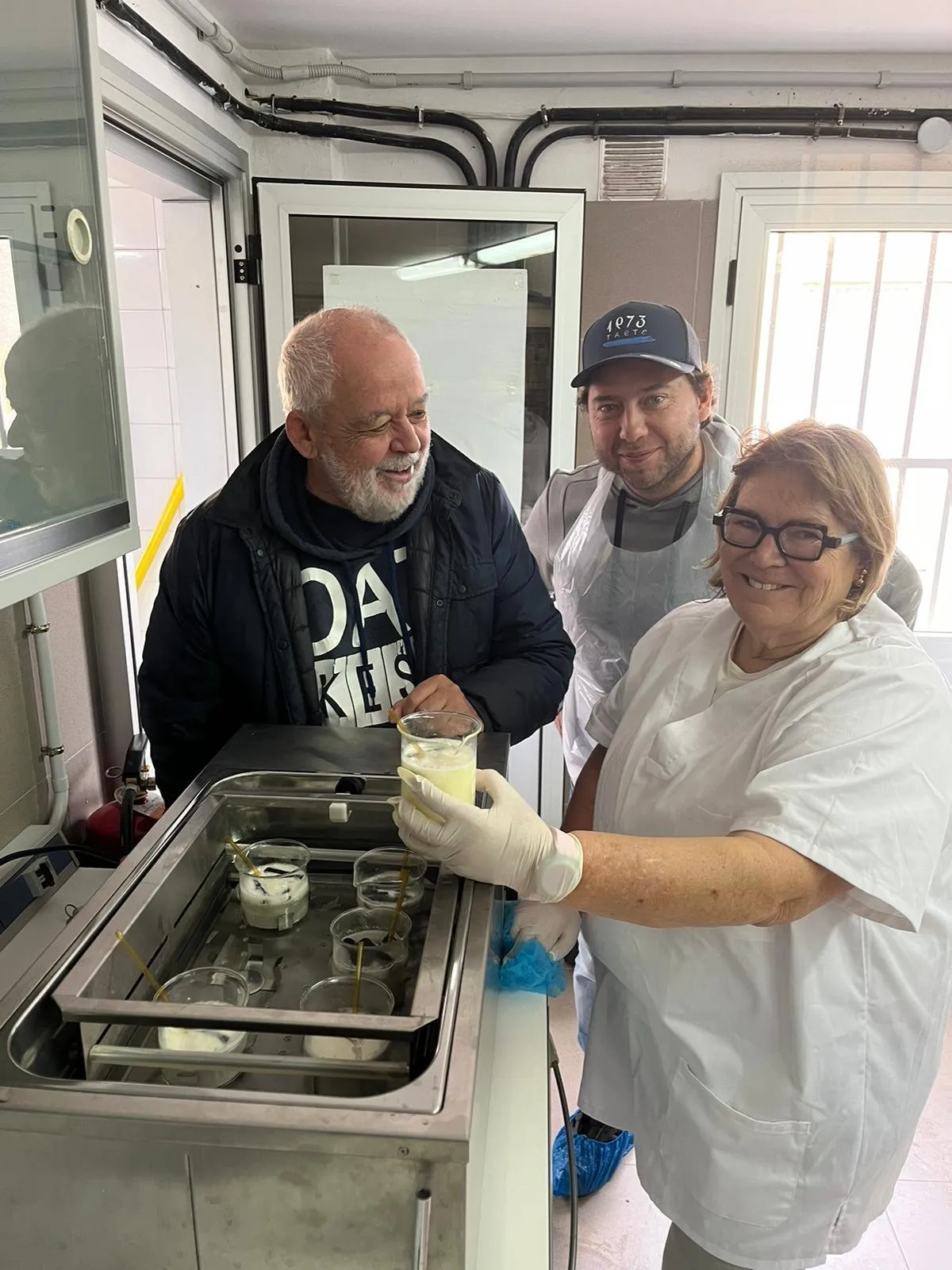
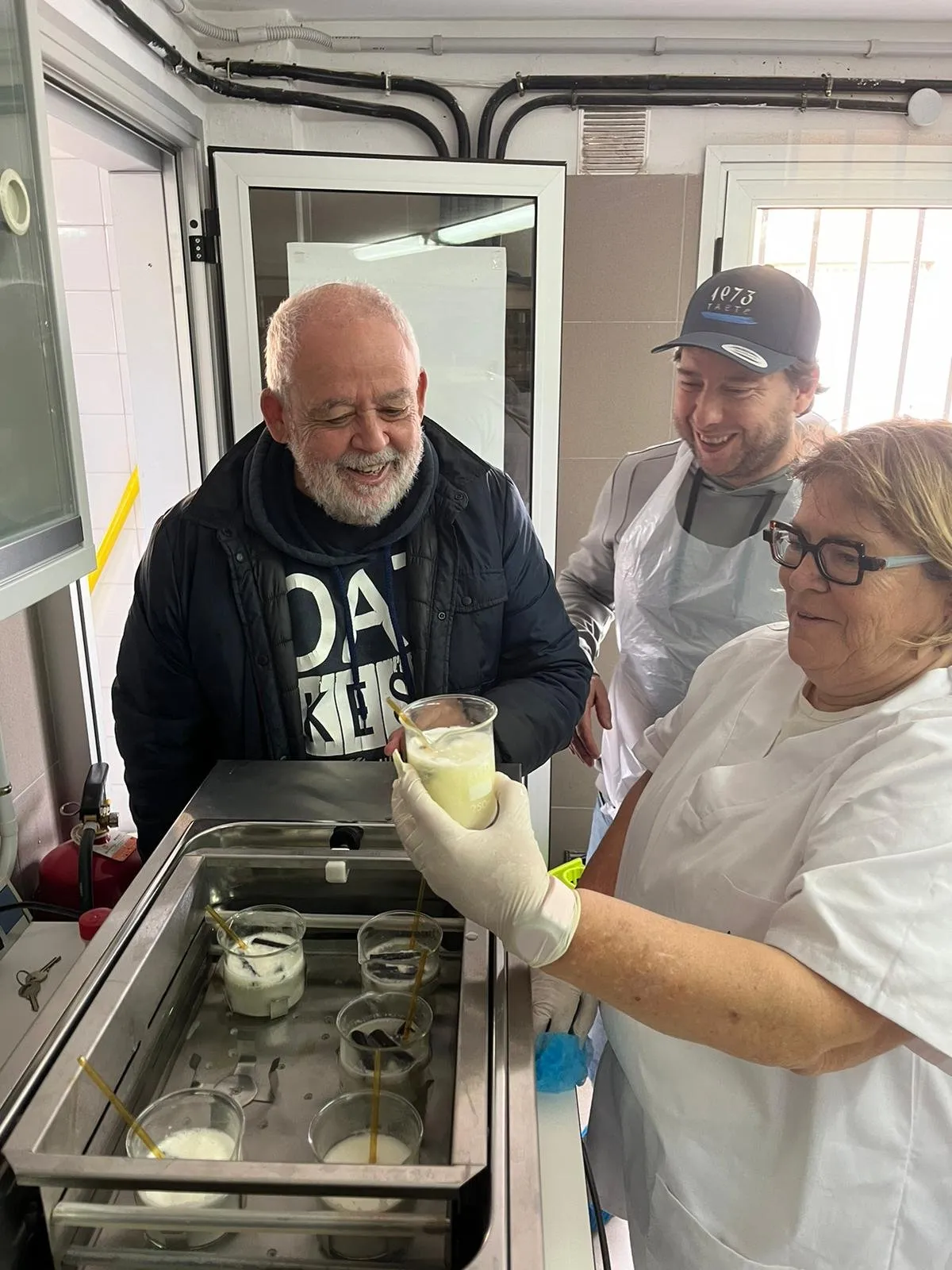
A Tribute to Canarian Heritage
More than a simple recreation of food-making techniques, this project is a tribute to the rich culinary history of the Canary Islands and a vision for its gastronomic future. This effort aims to celebrate the role of the goatherd in aboriginal society and recognise today’s goatherds as heirs to this legacy and heritage, not only a food heritage but a cultural one too.
Multidisciplinary Collaboration
The union of chefs and scientists underlines the importance of interdisciplinary collaboration in preserving and innovating culinary heritage, offering a model for future explorations in the field of gastronomy.