Discovering Canarian Gastronomy: Tradition, Innovation and Flavour
Canarian cuisine stands out as a culinary treasure where multiple cultures, traditions and a broad range of local produce come together to give it a unique identity and an incomparable flavour. The richness of this gastronomic heritage comes from the blend of indigenous, European and Latin American influences, fused together across centuries of history and maritime trade.
Introduction: A Journey Through the Cuisine of the Canary Islands
Local produce — heritage potatoes of almost forgotten varieties, gofio ground from toasted cereals, exotic fruit and fish caught in its crystal-clear waters — forms the backbone of its cuisine. These ingredients, together with a culinary tradition that has known how to adapt and reinvent itself, produce dishes that are a genuine journey through the history and geography of the islands.
Pillars of Canarian Gastronomy
Native and Assimilated Ingredients
We will look at the essential produce that forms the basis of Canarian cuisine, from ancestral potato varieties and versatile gofio to tropical fruit and fresh fish, each contributing a unique flavour to traditional dishes.
Cheese and Wine: the Islands' Pride
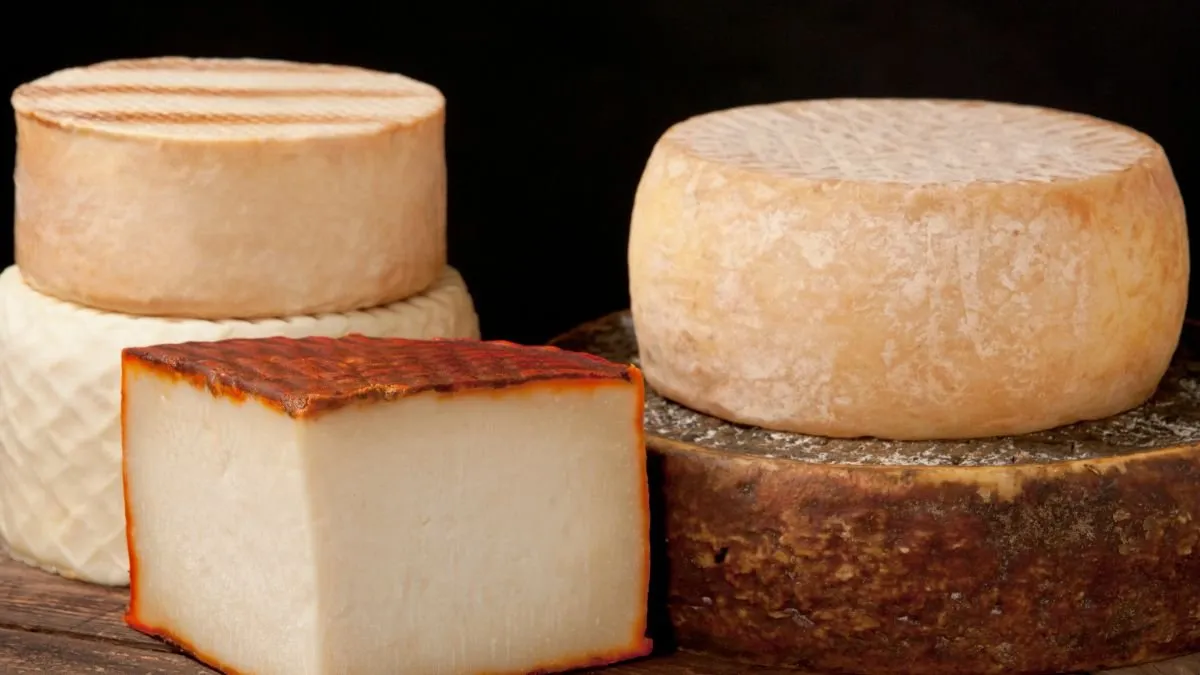
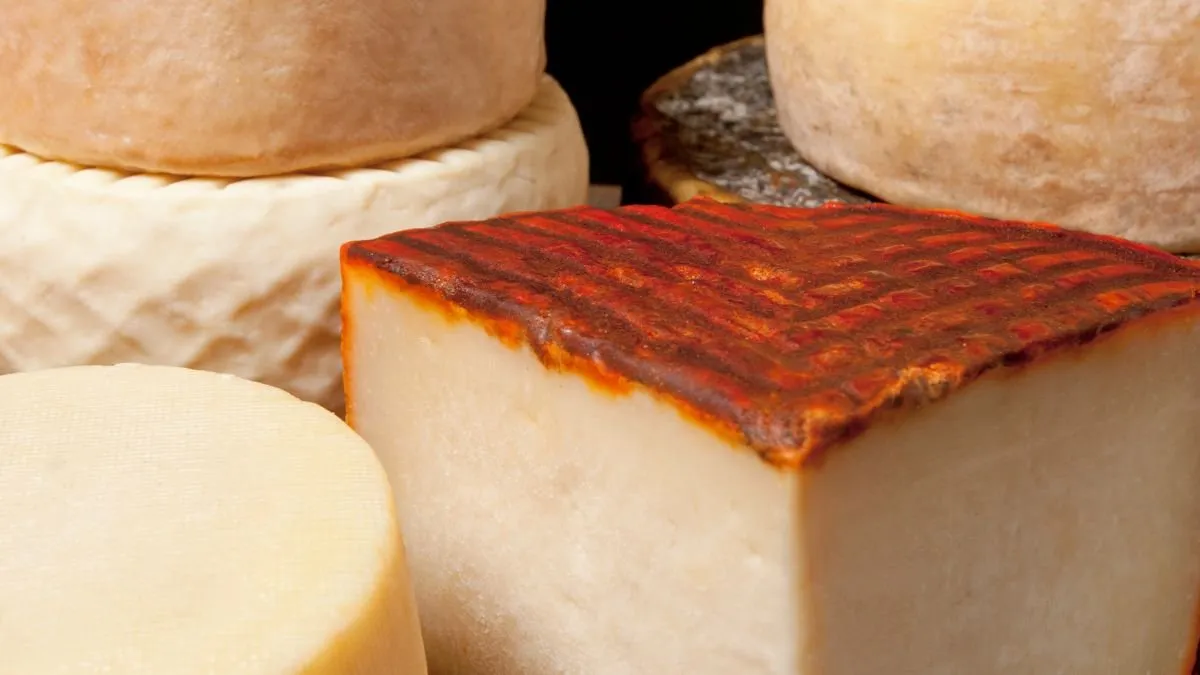
Pride of place also goes to exquisite Canarian cheeses, such as Flor de Guía and goat's cheese, and to the Denominación de Origen wines that have earned international recognition. We will look at how these delicacies complement the islands' gastronomy and enrich its culinary culture.
Signature Dishes of Canarian Cuisine
The Central Role of Mojo and Other Sauces
Mojo picón, with its perfect blend of chilli, garlic and spices, is more than a sauce; it is an expression of Canarian identity. We will look at how this sauce and others like it lift the dishes and connect today's recipes with centuries-old traditions.
Traditional and Contemporary Delights
From papas arrugadas (potatoes boiled in heavily salted water) to sancocho canario (salted fish with potatoes), by way of the innovative cooking that fuses modern techniques with inherited recipes. We will highlight how Canarian chefs are reinterpreting tradition to create memorable culinary experiences.
The Influence of Farming and Fishing
Sustainable fishing and farming on the islands not only feed local people but also inspire Canarian cuisine, striking a balance between tradition and the need to preserve their unique environment.
Gastronomic Celebrations: Living Canarian Culture
Food festivals and events in the Canary Islands are a window onto the archipelago's cultural and culinary richness. These celebrations are an invitation to experience the hospitality and flavour of local cooking first-hand.
Conclusion: Canarian Gastronomy as an Expression of Identity
We close our journey by recognising how the gastronomy of the Canary Islands, with its respect for local ingredients, its rich cultural heritage and its constant innovation, is not only a pleasure for the palate but also a profound expression of Canarian identity.
This piece sets out not only to celebrate the best-known aspects of Canarian cuisine but also to shed light on elements, such as local cheeses and wines, that deserve a prominent place on the global gastronomic stage.
In the journal
21 posts · The whole journal
Taste 1973 welcomes the crew of "Ecos del Mar", the Prime Video documentary about Spain's coastline
The crew of "Ecos del Mar", the Prime Video documentary series about Spain's coastline, filmed at Taste 1973, in the Hotel Villa Cortés, on 25 June 2026.
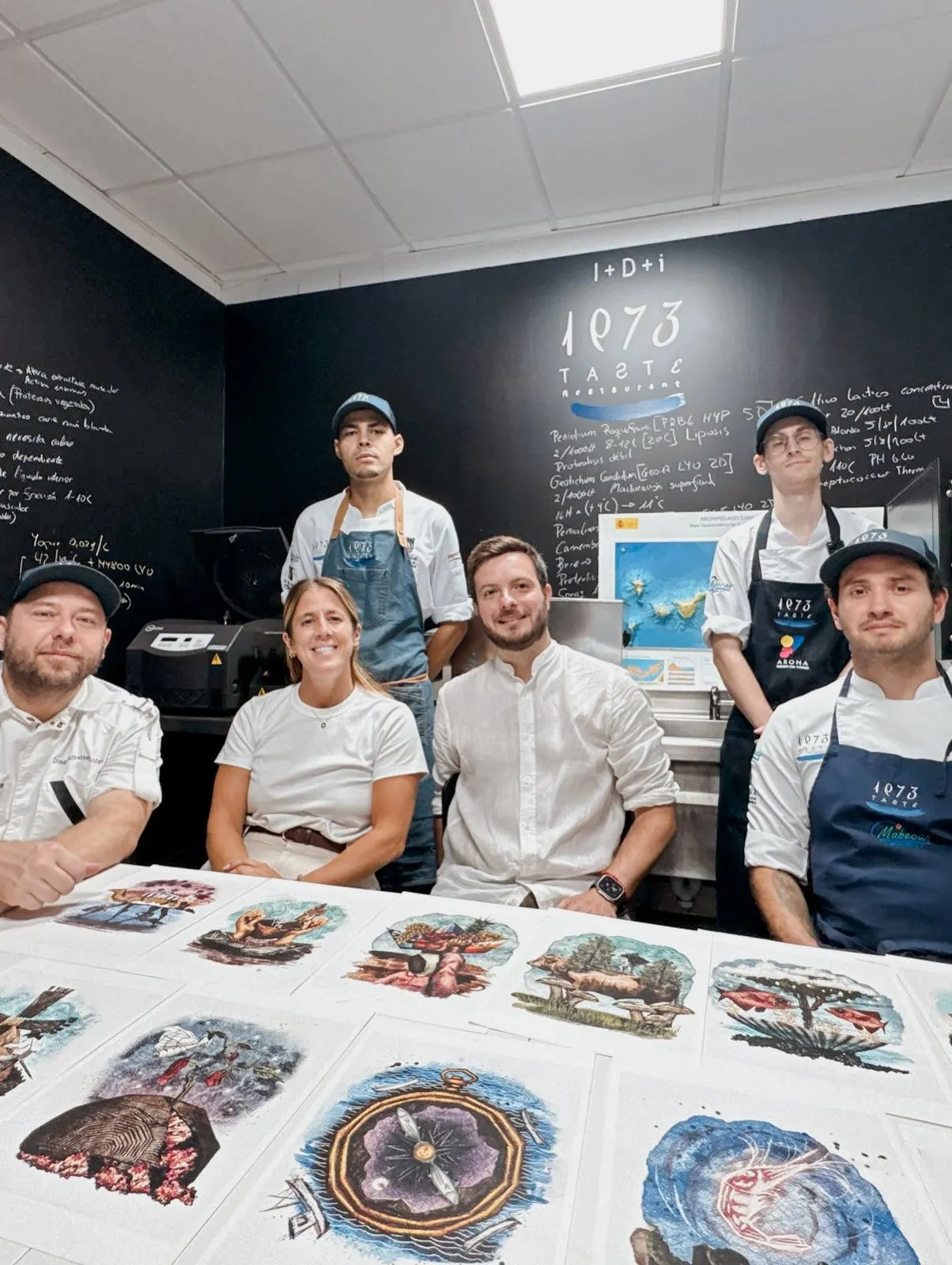
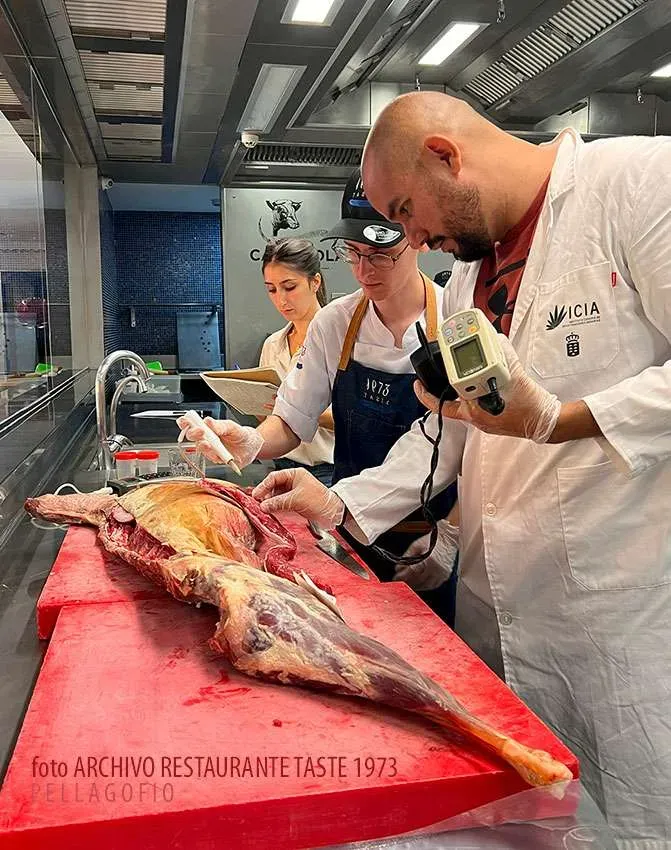
Science in the kitchen: the University of La Laguna researches Canary Islands marine resources with Taste 1973
Professor Enrique Lozano Bilbao (ULL) and Diego Schattenhofer's team study metals, histamines and anisakis in Canarian fish, in Taste 1973's R&D&i room.
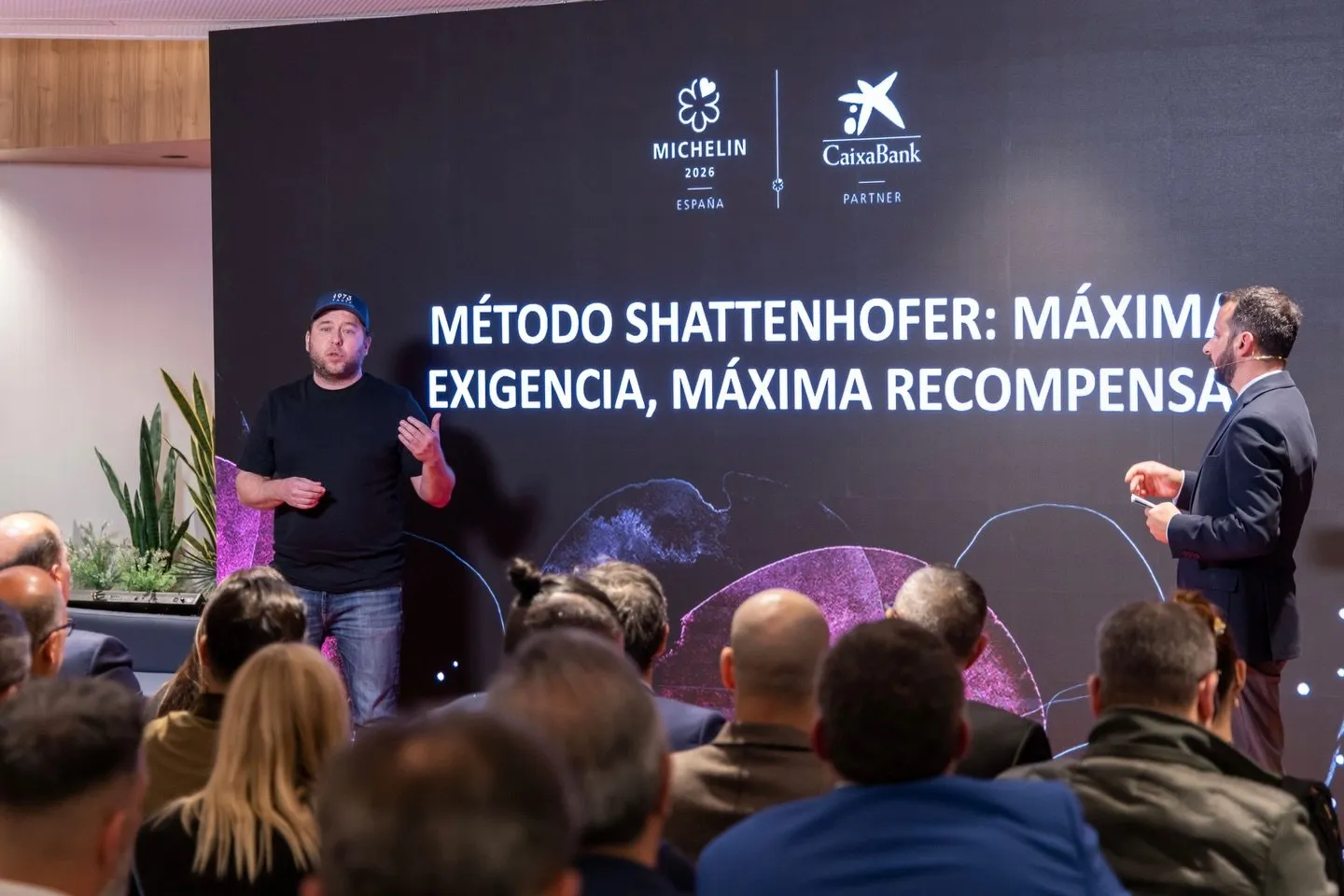
Diego Schattenhofer, speaker at the CaixaBank Michelin Canarias 2026 plaque ceremony
Diego Schattenhofer, invited by CaixaBank and the MICHELIN Guide to speak on rigour and mental health in the kitchen, alongside psychologist José Barroso, in Gran Canaria.
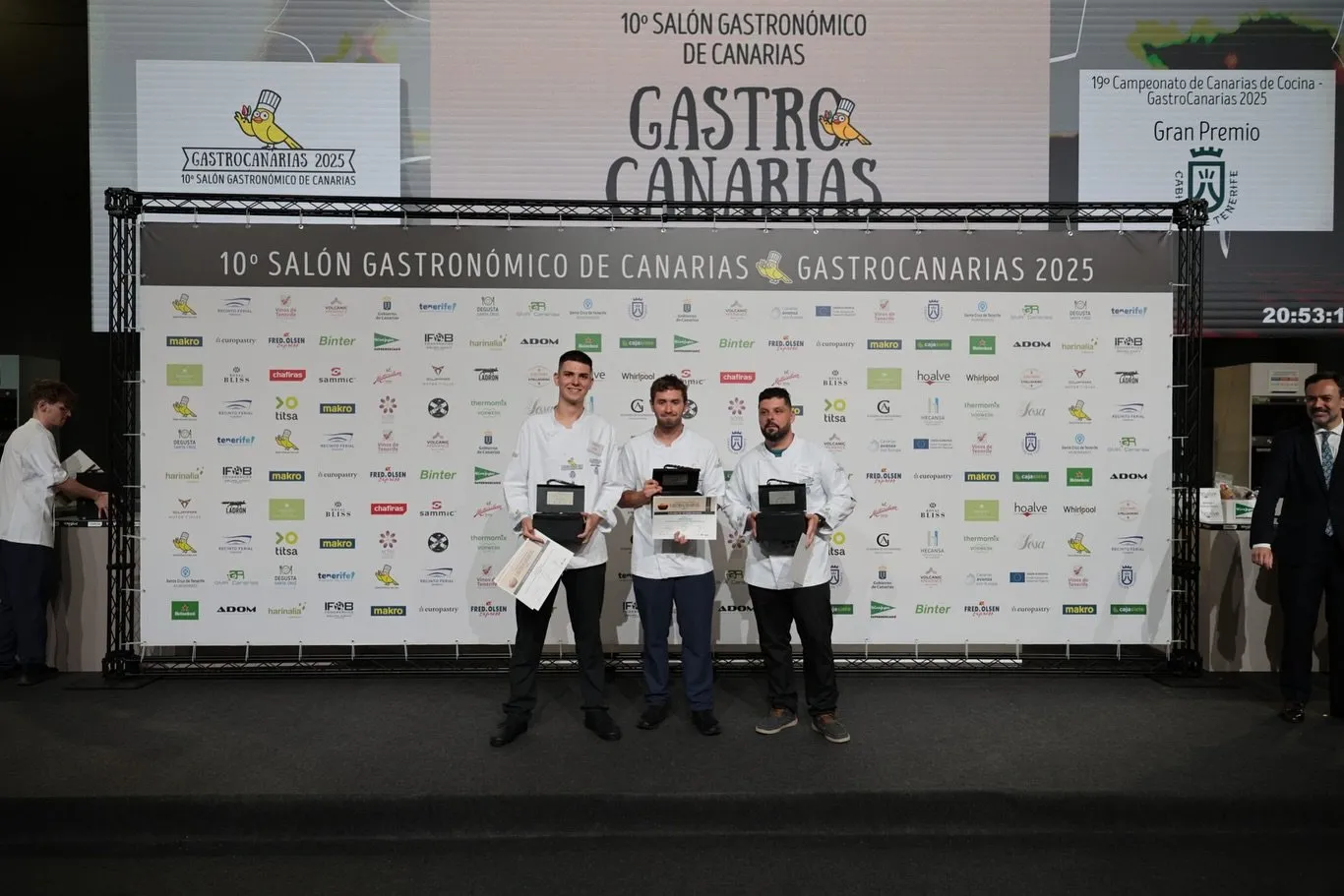
Taste 1973 at GastroCanarias 2025: two awards for the team and the "Sabores del Atlántico" presentation
Nahuel Campos Núñez, best chef in the Canary Islands, and Iván Alfaro, best assistant: the Taste 1973 team took the podium at the 19th Championship at GastroCanarias 2025.
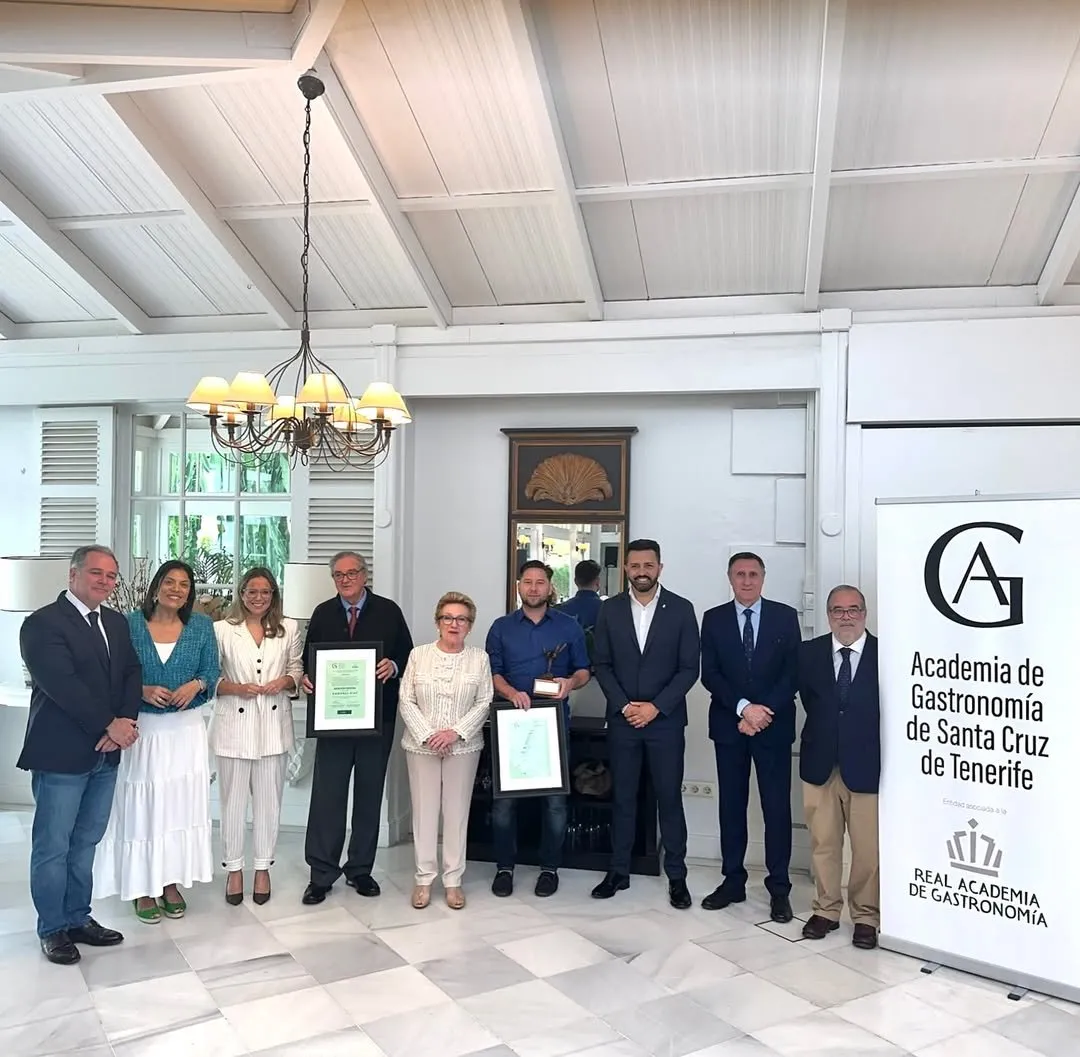
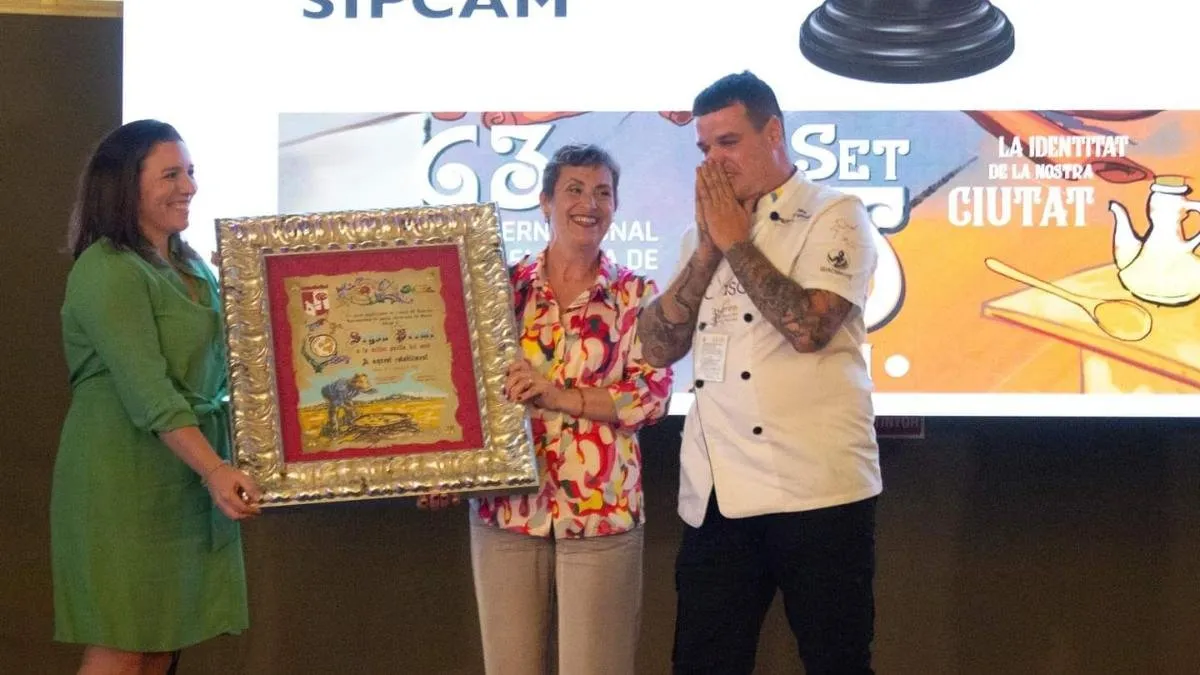
Taste 1973 Receives the 2024 Annual Award from the Academia de Gastronomía de Santa Cruz de Tenerife
The Taste 1973 team receives the 2024 Annual Award from the Academia de Gastronomía de Santa Cruz de Tenerife.
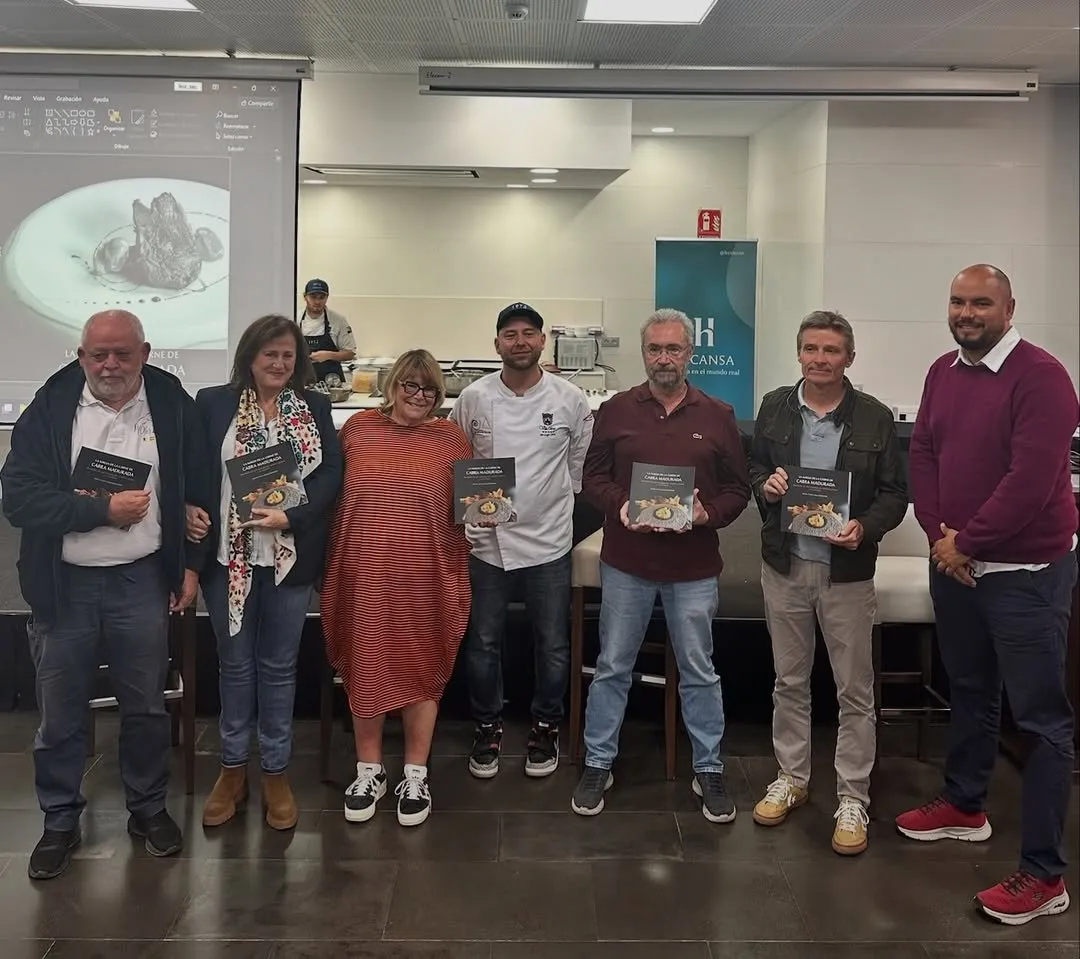
Launch of the Book "La Magia de la Carne de Cabra Madurada": A Canarian Gastronomic Revolution
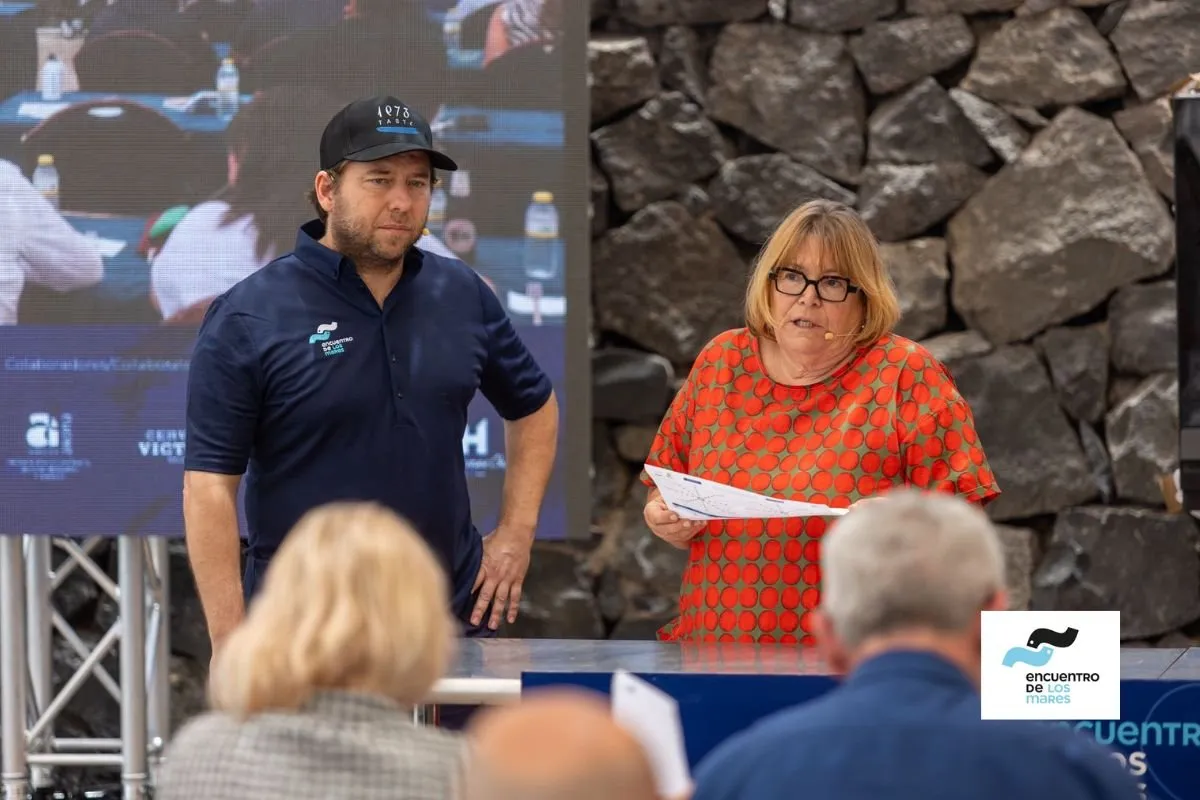
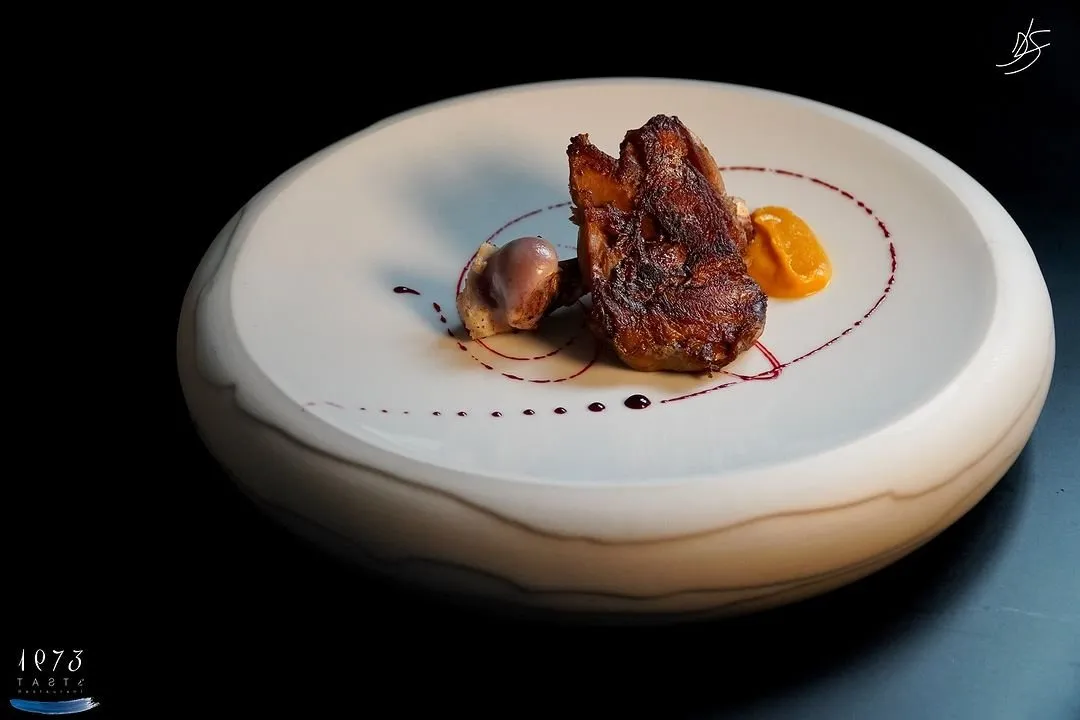
On 29 April, "La Magia de la Carne de Cabra Madurada" was launched, the book by Dr Marichu Fresno and chef Diego Schattenhofer, with thirteen recipes.
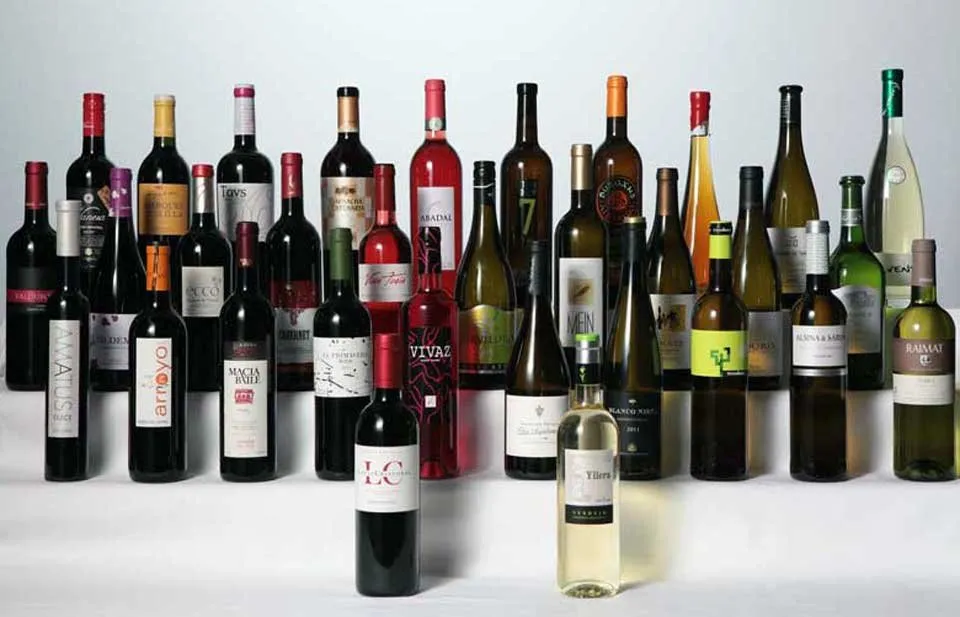
Wine Pairing with Matured Goat Meat: A Canarian Gastronomic Experience
Pairing Canarian wines with matured goat meat: how to create harmony between the meat's intensity and the diversity of the islands' wines.
Sustainable Innovations in Goat Farming: Towards an Eco-Friendly Future in the Canary Islands
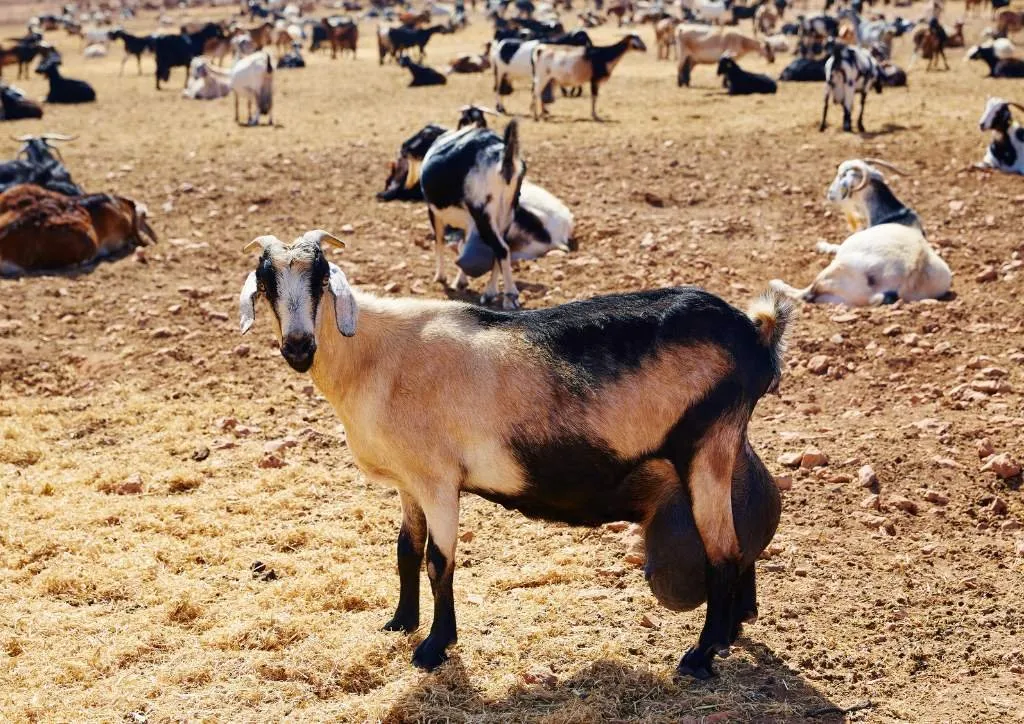
Goat farming in the Canary Islands faces the sustainability challenge: innovations in feed, water, waste, genetics and animal welfare.
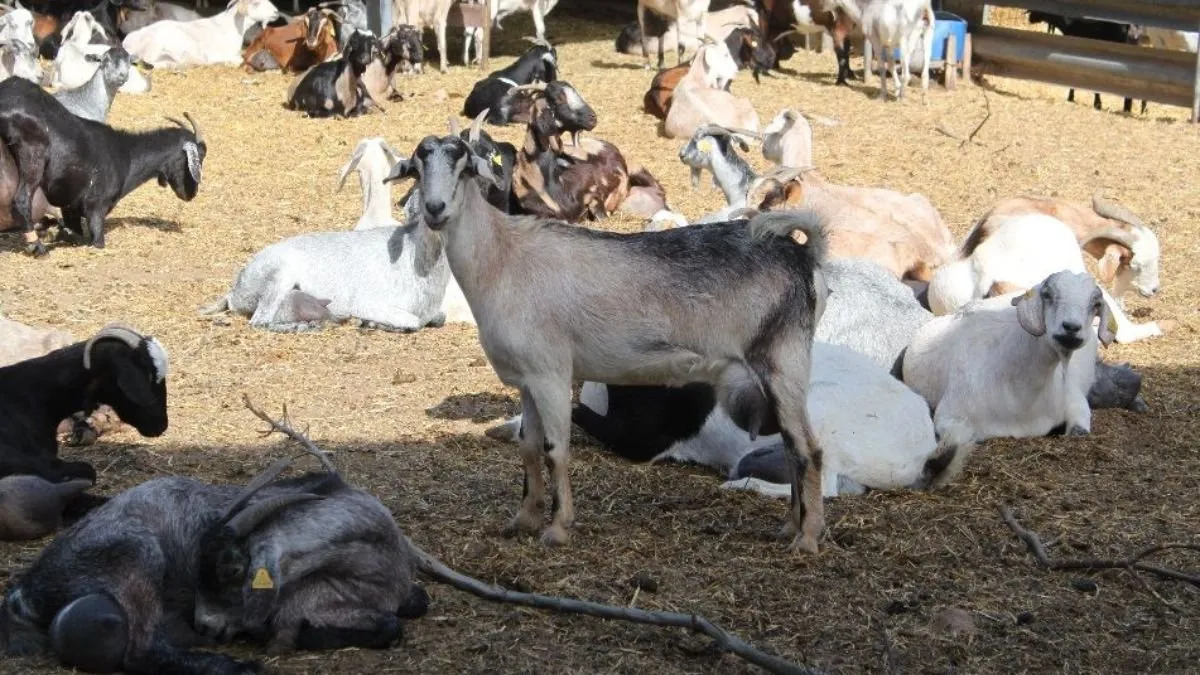
History of Goat Farming in the Canary Islands: A Thousand-Year Legacy
Goat farming in the Canary Islands, from the Guanches to today: a thousand-year history that underpins the islands' economy, culture and gastronomy.
Aday Martín: The Canarian Master of Paellas and Rice Dishes Who Conquered Valencia
Aday Martín, a young master paella chef from La Laguna, has established himself as one of the world's leading names in paellas and rice dishes.
Artisan Goat's Milk Cheeses: Unique Flavours from the Canary Islands
Discover the exquisite Canarian goat cheeses: PDO varieties, artisan production, pairings and recipes from Michelin-starred chef Diego Schattenhofer.
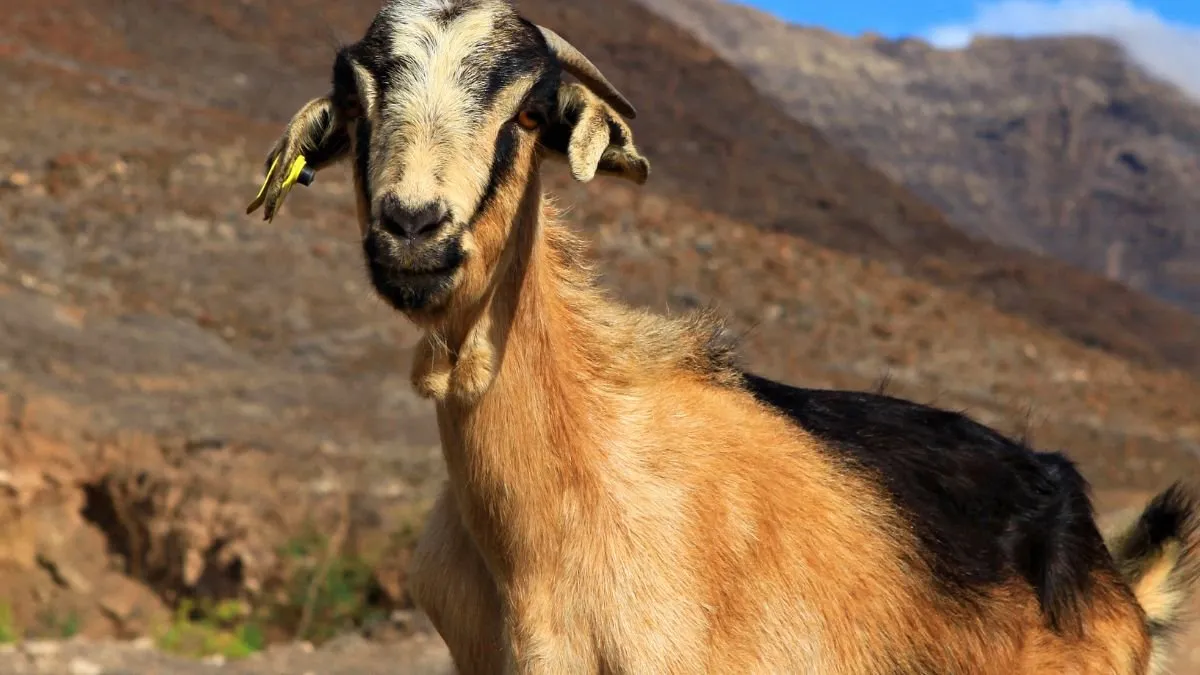
Whole-Animal Use of the Canarian Goat: Resources, Uses and Sustainable Development
How the whole-animal use of the Canarian goat is revolutionising sustainable gastronomy: innovation, nutrition and recipes.
Multidisciplinary Collaboration in Canarian Gastronomy: Driving Culinary Innovation
Multidisciplinary collaboration in Canarian gastronomy goes beyond cooperation: it is a fusion of knowledge and passions that redefines cuisine.
Gastronomic Innovation in Goat Products: The Evolution of Goat in Canarian Cuisine
Gastronomic innovation in goat products is revolutionising Canarian cuisine: avant-garde techniques and unique flavours.
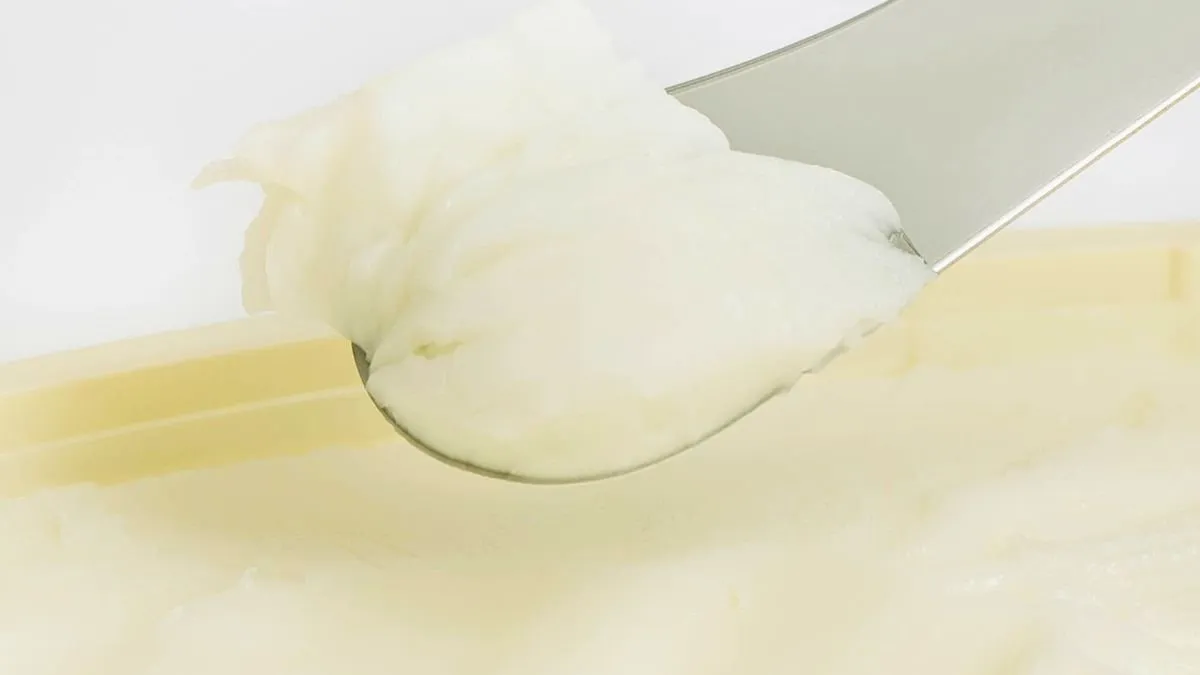
Goat Butter: A Gourmet Product Revolutionising Canarian Cuisine
Discover goat butter: a gourmet product revolutionising Canarian cuisine. Learn about its production, benefits and uses in fine dining.
Nutritional Benefits of Matured Goat Meat: A Canarian Gastronomic Treasure
Discover the nutritional benefits of matured goat meat, a Canarian gastronomic treasure. Learn about its health properties and how to include it in your diet.
Chef Diego Schattenhofer: Behind the Scenes Working on a New Book
Discover how Diego Schattenhofer, Michelin-starred chef, is reinventing Spanish gastronomy with his focus on local ingredients and avant-garde techniques.
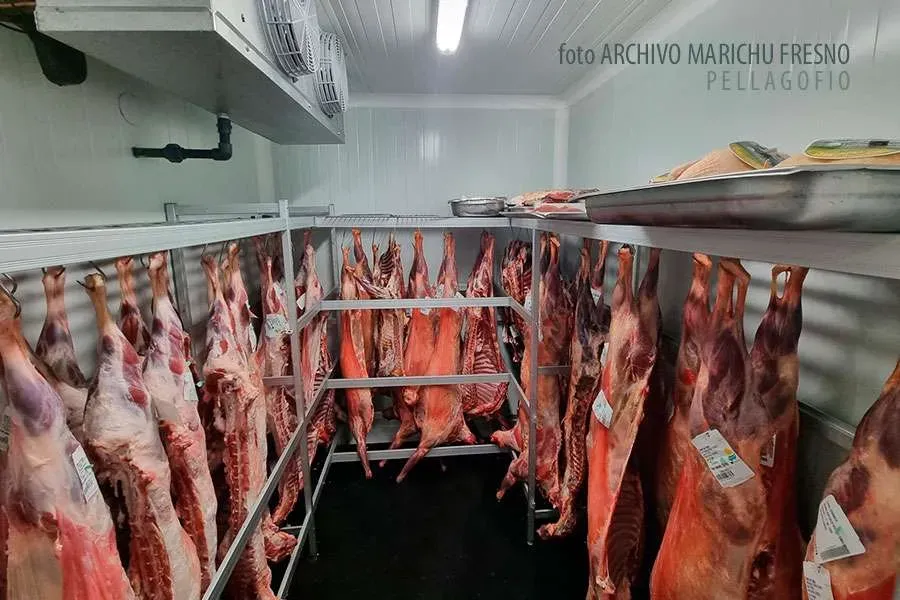
Canarian Goat Meat Maturation Techniques: Canarian Innovation
Maturing goat meat is an art revolutionising Canarian gastronomy: the most innovative techniques to elevate its quality and flavour.
History and Tradition of the Canarian Goat: A Gastronomic Journey Through Time
History and tradition of the Canarian goat: discover its impact on the gastronomy and culture of the Canary Islands.
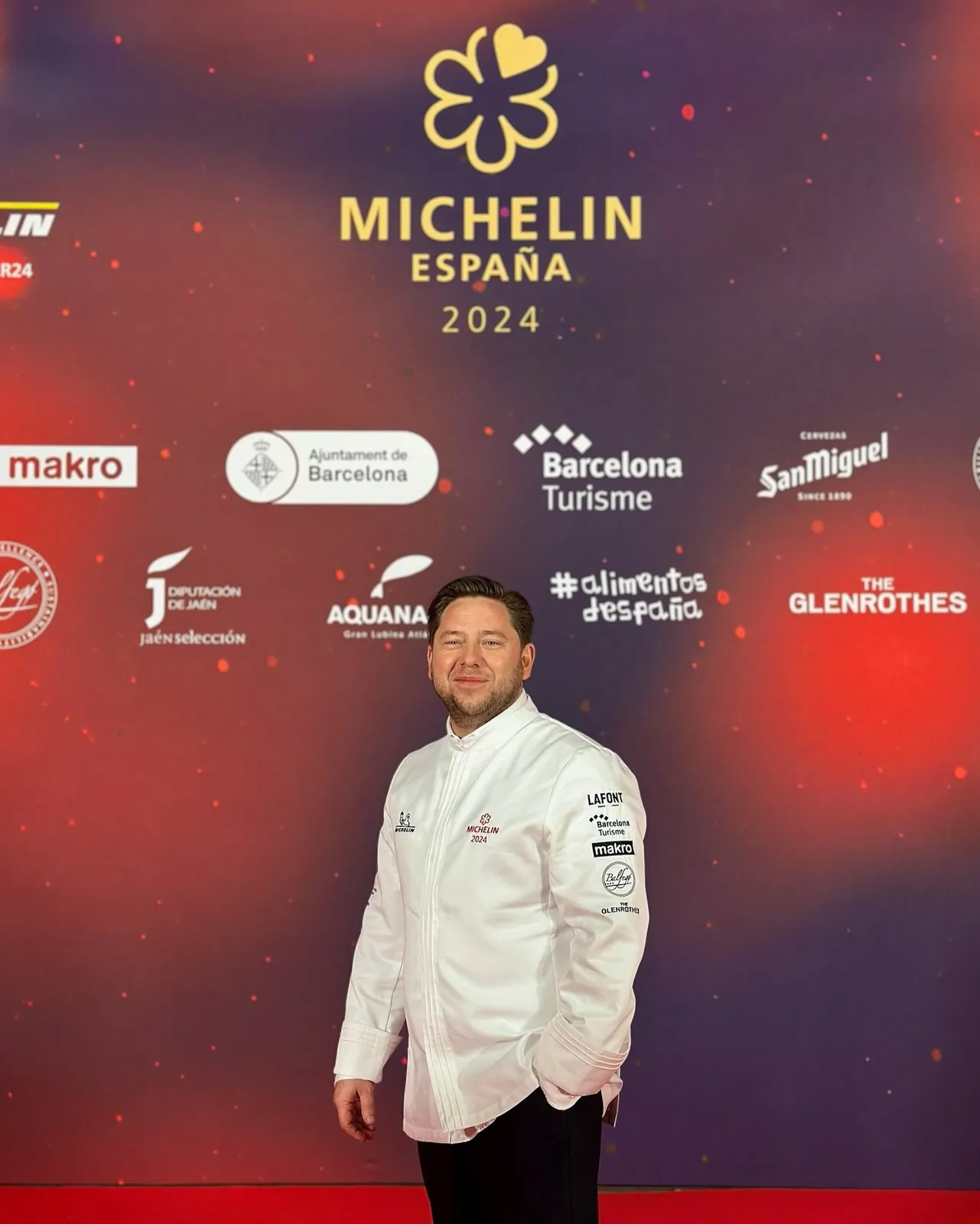
Taste 1973 and Diego Schattenhofer Win Their First Michelin Star (MICHELIN Guide Spain 2024)
Diego Schattenhofer and the whole Taste 1973 team celebrate their first Michelin star on Instagram, awarded at the MICHELIN Guide Spain 2024 gala in Barcelona.
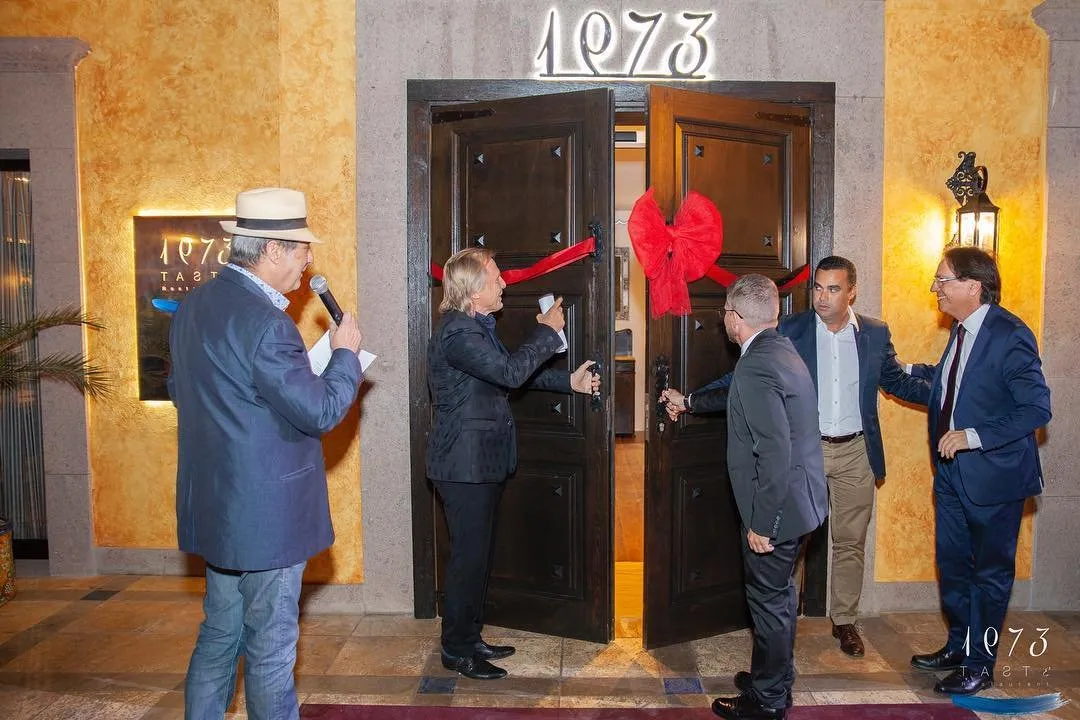
The presentation of Taste 1973, Diego Schattenhofer's restaurant, at the Villa Cortés
In December 2018, Taste 1973 was presented at the Hotel Villa Cortés before opening its doors in January 2019: as Diego Schattenhofer told it on Instagram.

Book a table at Taste 1973
Restaurant bookings are managed by Europe Hotels International.