Multidisciplinary Collaboration in Canarian Gastronomy: Driving Culinary Innovation
- Published
- Section
- Cooking
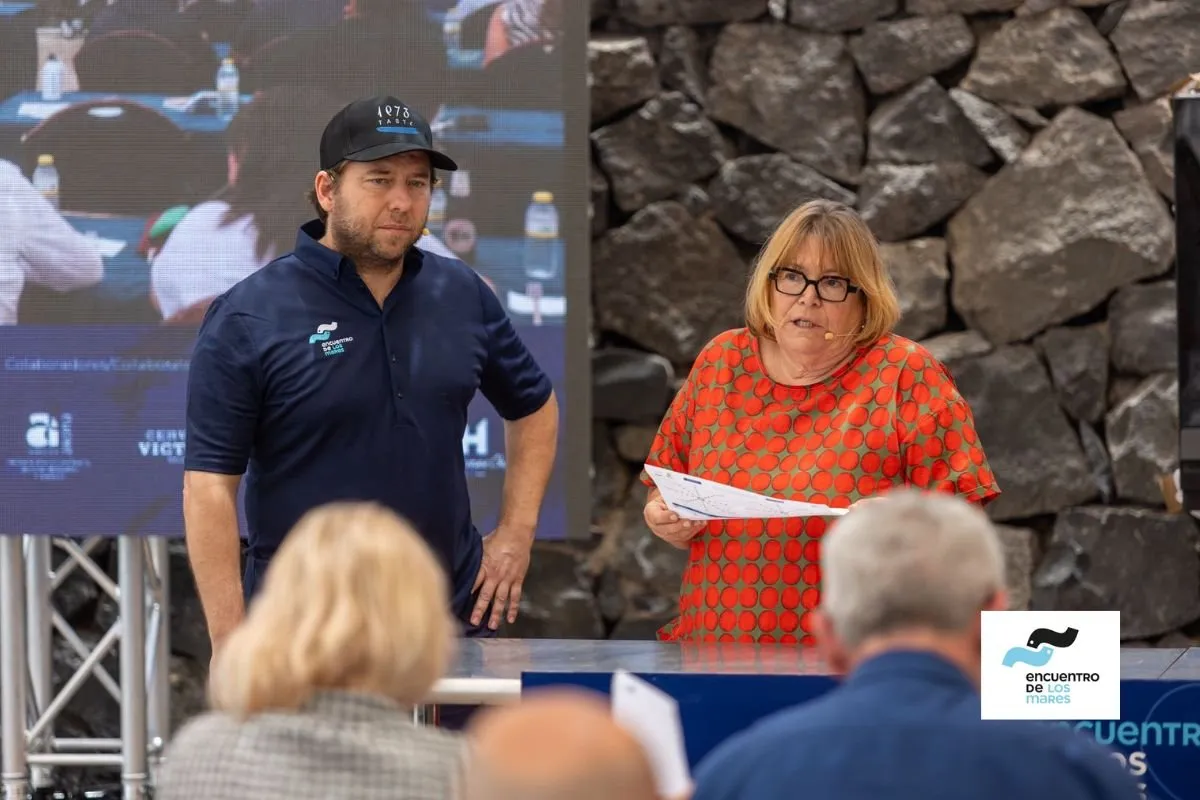
In the vibrant world of Canarian gastronomy, gastronomic collaboration has become the catalyst for an unprecedented culinary revolution. This innovative approach, which brings together scientists, chefs and local producers, is redefining the limits of what is possible in the kitchen, taking the flavours and traditions of the Canary Islands to new heights.
The Science behind Meat Maturation: A Gastronomic and Molecular Journey
The Power of Synergy: Scientists, Chefs and Producers
Multidisciplinary Collaboration in Canarian Gastronomy goes beyond simple cooperation; it is a fusion of knowledge and passions that is transforming the culinary landscape. At the heart of this revolution is chef Diego Schattenhofer, whose innovative vision has been fundamental in driving these collaborations.
| Stakeholders | Role in Gastronomic Collaboration | Impact |
|---|---|---|
| Scientists | Research and analysis of food properties | Discovery of new culinary techniques and applications |
| Chefs | Creative application of scientific knowledge | Creation of innovative dishes and unique gastronomic experiences |
| Producers | Cultivation and supply of high-quality ingredients | Preservation and promotion of local produce |
Innovation Through Collaboration: Case Studies
Case 1: Matured Goat Meat
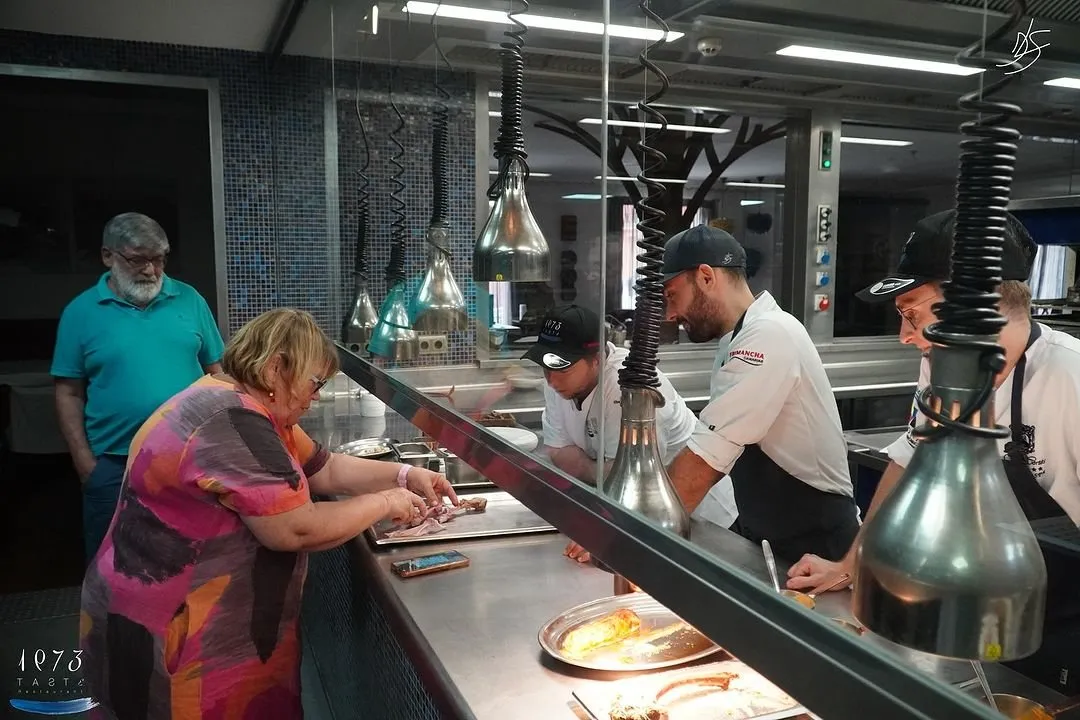
A brilliant example of gastronomic collaboration is the study on matured goat meat. This project, led by Diego Schattenhofer in collaboration with CSIC and local producers, has revolutionised the perception and use of this traditional Canarian ingredient.
- Scientific research into maturation processes
- Development of specific cooking techniques to enhance flavours and textures
- Creation of new dishes that showcase the versatility of goat meat
Case 2: Aboriginal Canarian Cheese
Another fascinating example is the research into aboriginal Canarian cheese. This collaboration between chefs, ICIA and local producers has led to the recovery and reinvention of ancestral cheesemaking techniques.
- Study of traditional cheese production methods
- Scientific analysis of organoleptic properties
- Creation of new cheese varieties inspired by ancestral techniques
GastroSinapsis: A Model of Gastronomic Collaboration
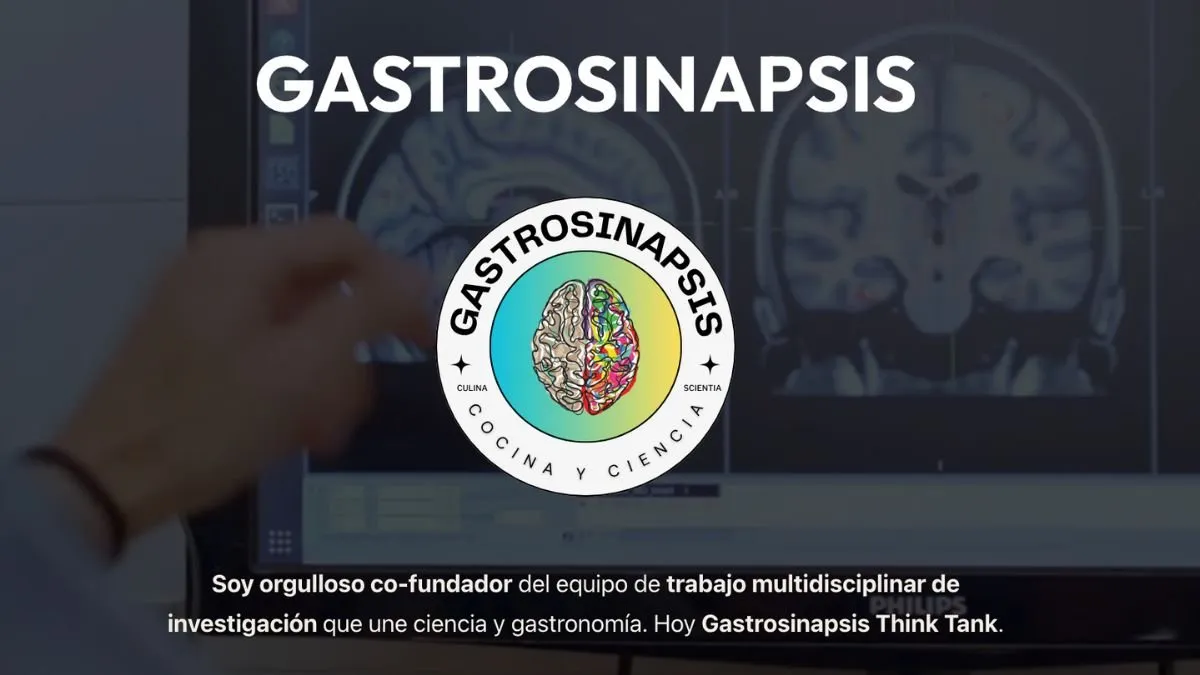
GastroSinapsis, a pioneering initiative led by Diego Schattenhofer, exemplifies the potential of gastronomic collaboration. This culinary think tank brings together experts from various disciplines to explore new frontiers in Canarian gastronomy.
Objectives of GastroSinapsis:
- Fostering culinary innovation through multidisciplinary research
- Preserving and promoting traditional Canarian ingredients and techniques
- Creating a platform for the exchange of knowledge between science and cuisine
The Role of Restaurants in Gastronomic Collaboration
Diego Schattenhofer’s restaurant Taste 1973 has become a true culinary laboratory, where the fruits of these collaborations are transformed into unique gastronomic experiences for diners.
“At Taste 1973, every dish is the result of a synergy between science, tradition and innovation. Our kitchen is a living testament to what gastronomic collaboration can achieve.” – Diego Schattenhofer
Challenges and Opportunities in Gastronomic Collaboration
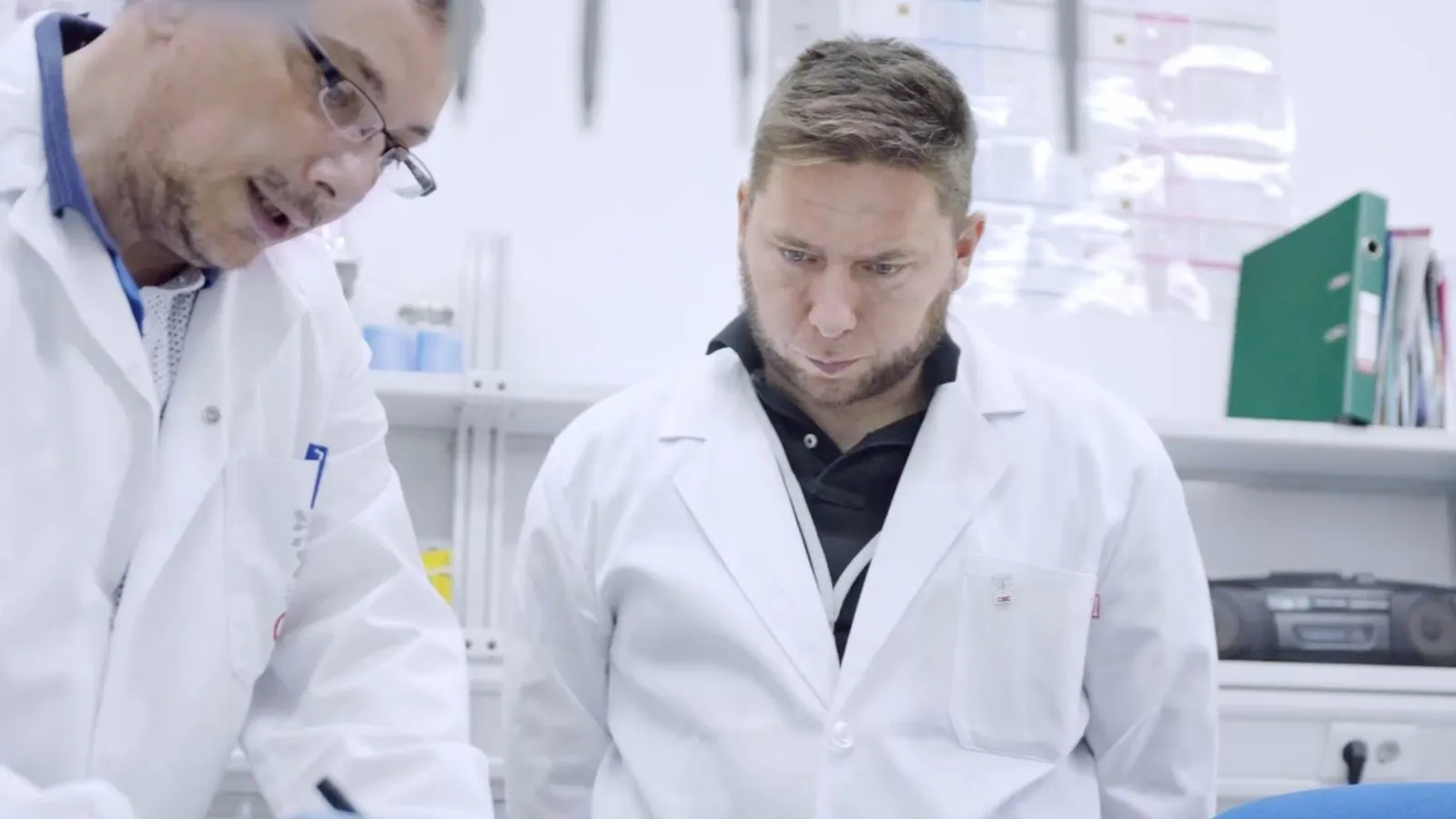
Despite its transformative potential, gastronomic collaboration faces several challenges:
- Communication barriers between different disciplines
- The need for funding for long-term research projects
- Resistance to change in more traditional sectors
However, these difficulties also present unique opportunities for young chefs and scientists passionate about culinary innovation.
The Impact on the Local Economy and Tourism
Gastronomic collaboration is not only transforming the Canarian culinary scene, but is also having a significant impact on the local economy and tourism:
- Promotion of local produce internationally
- Attraction of high-end gastronomic tourism
- Creation of new employment opportunities in the culinary and research sectors
Gastronomic collaboration in the Canary Islands, driven by visionaries such as Diego Schattenhofer, is opening up new horizons in the culinary world. This synergy between science, tradition and innovation is not only elevating Canarian gastronomy to new heights, but is also laying the foundations for a sustainable and exciting future in the food industry.
To keep up to date with the latest innovations and events related to gastronomic collaboration in the Canary Islands, be sure to check our calendar of activities.
Gastronomic Innovation in Goat Products: The Evolution of Goat in Canarian Cuisine