What Is Culinary Innovation: A Leap Forward in 21st-Century Cooking
- Published
- Section
- Gastronomy
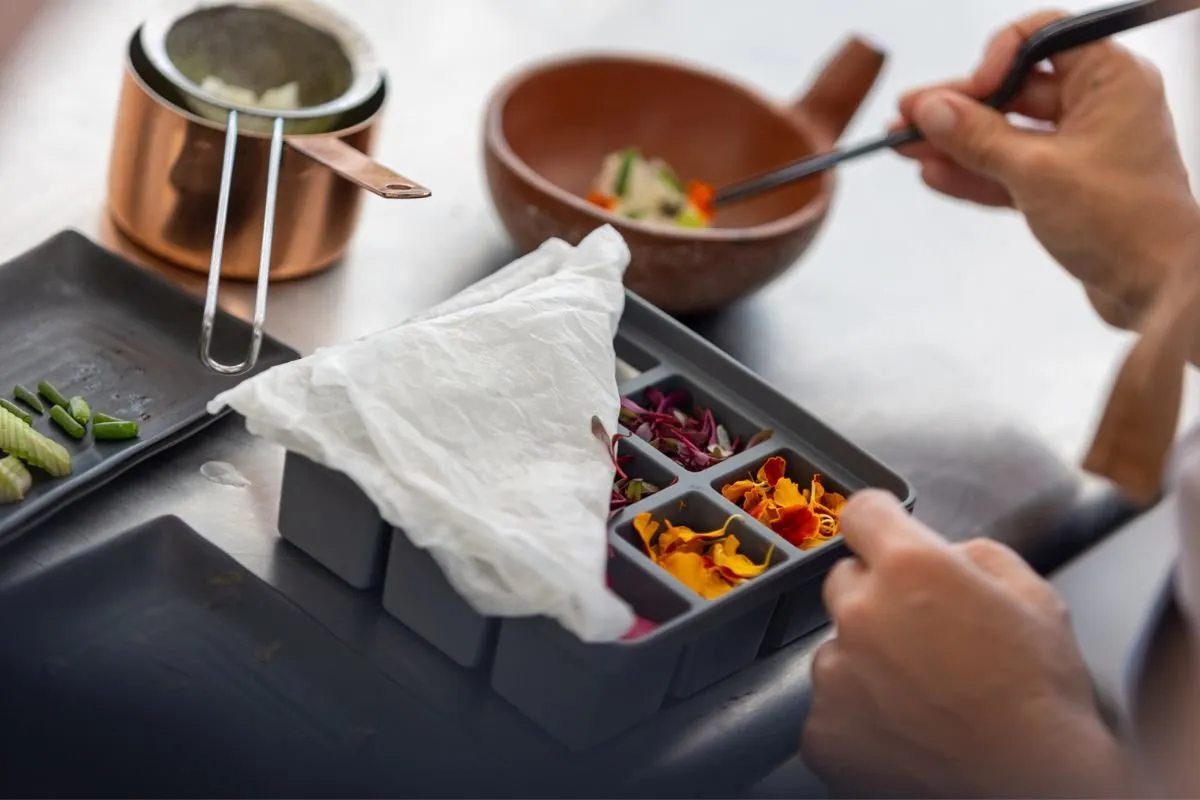
In the fast-moving world of gastronomy, culinary innovation has become the engine driving chefs and restaurants towards new horizons of flavour and experience. But what exactly is culinary innovation, and how is it transforming our dishes and palates?
Short on time? Here’s everything you need to know about culinary innovation:
- What is culinary innovation? It is the process of creating, experimenting with and redefining techniques, ingredients and presentations in the kitchen, combining creativity, science and technology.
- How is it transforming gastronomy? It introduces new techniques such as molecular gastronomy, 3D food printing and extended maturation, creating unique multisensory experiences.
- Who stands out in this field? Chefs such as Diego Schattenhofer are leading the way in innovation with techniques such as goat meat maturation and edible perfumes.
- How does it impact sustainability? It encourages the use of local ingredients, reduces waste and explores more sustainable food alternatives.
This summary offers a concise overview of the key points about culinary innovation. Would you like to go deeper? Keep reading the full article.
The Evolution of Cooking
Culinary innovation is the process of creating, experimenting with and redefining techniques, ingredients and presentations in the kitchen. It goes beyond simply combining flavours; it involves challenging conventions, applying scientific and technological knowledge, and reinterpreting culinary traditions to offer unique, surprising dining experiences.
At the forefront of this culinary revolution we find chefs such as Diego Schattenhofer, whose work at the restaurant Taste 1973 is redefining the boundaries of Canarian and world gastronomy.
History and Tradition of the Canarian Goat: A Gastronomic Journey Through Time
Pillars of Culinary Innovation
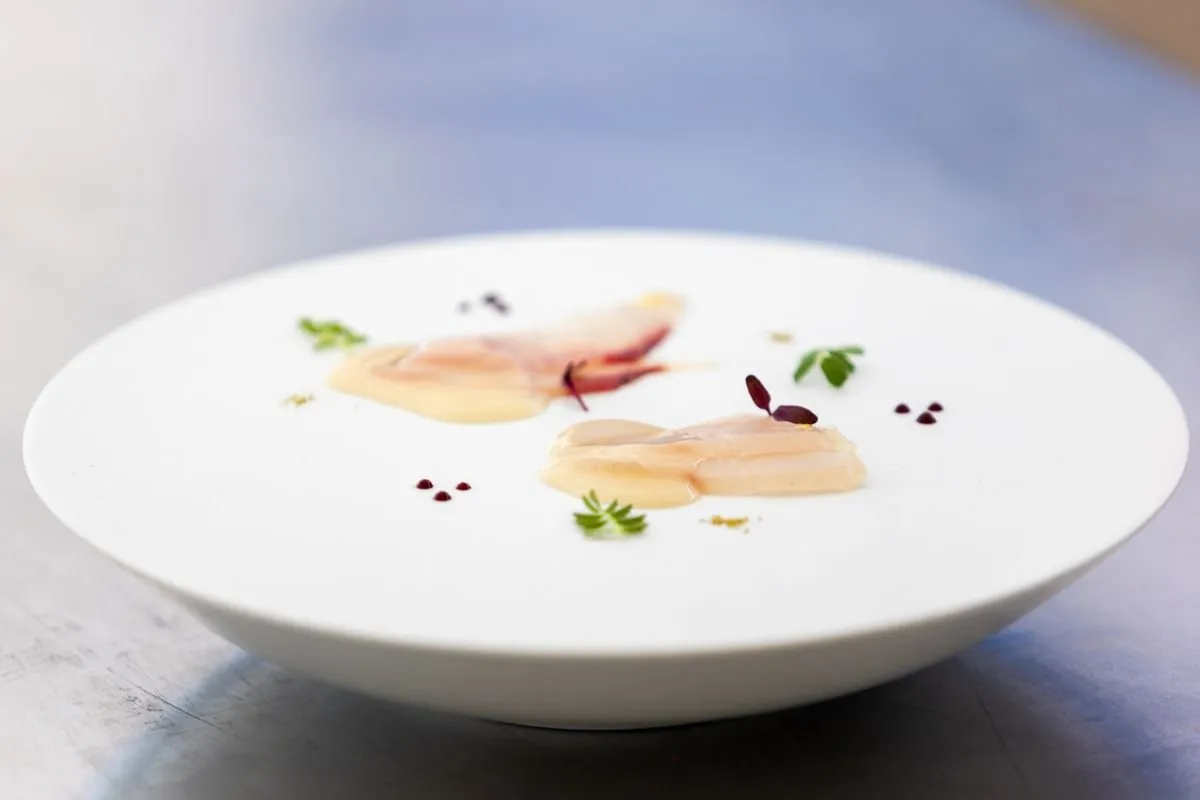
Avant-Garde Techniques
Molecular gastronomy, advanced fermentation and 3D food printing are just some of the techniques revolutionising the way we prepare and consume food. These techniques allow chefs to create textures, flavours and presentations that were once unimaginable.
A Fusion of Tradition and Modernity
True innovation never forgets its roots. The most avant-garde chefs are finding ways to reinterpret traditional dishes using modern techniques and innovative presentations. In Canarian cuisine, for example, we see how native ingredients are transformed into fine-dining dishes that respect tradition while looking to the future.
Sustainability and Environmental Awareness
Twenty-first-century culinary innovation cannot ignore its environmental impact. Km-zero cooking, making full use of ingredients and exploring alternative proteins are trends shaping the sustainable future of gastronomy.
Diego Schattenhofer’s Revolutionary Innovations
Tenerife Eats Through Its Nose: Diego Schattenhofer's Sensory Revolution
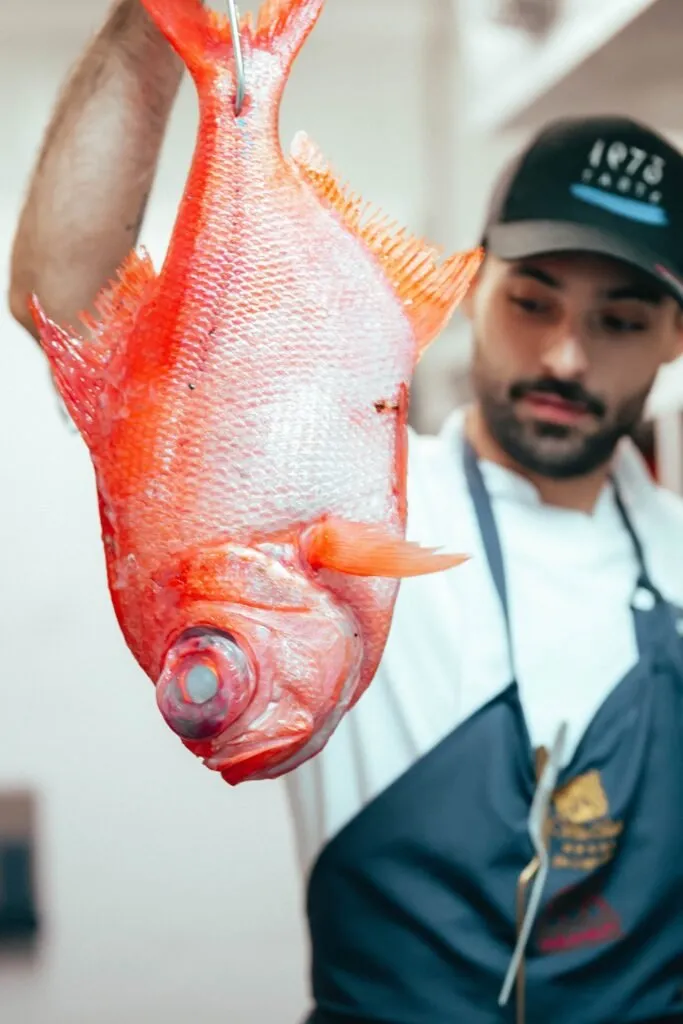
Maturation of Fish and Meat
One of the most revolutionary techniques introduced by Diego Schattenhofer is the extended maturation of fish and meat, especially matured goat meat. This process not only intensifies flavours but also improves the texture and nutritional qualities of the food.
| Maturation Process | Duration | Benefits |
|---|---|---|
| Goat Meat | 30-45 days | Greater tenderness, concentrated flavour, reduced moisture |
| Fish | 7-14 days | Improved texture, intensified umami flavour |
Edible Perfumes
Another fascinating innovation is the creation of edible perfumes, which add a unique olfactory dimension to the dining experience. These perfumes, inspired by the aromas of the pine forest and the Canarian medianías (the islands’ mid-altitude lands), are incorporated into dishes to create a multisensory experience.
Tools and Technologies in Culinary Innovation
Culinary innovation relies on a range of advanced tools and technologies. From precision ovens to culinary design software, these tools allow chefs to bring their ideas from concept to reality with unprecedented precision.
At GastroSinapsis, an initiative led by Diego Schattenhofer, new technologies and their application in the kitchen are explored, fostering collaboration between chefs, scientists and technologists.
Case Studies: Culinary Innovators
Diego Schattenhofer and Taste 1973
The restaurant Taste 1973, under the direction of Diego Schattenhofer, has become a laboratory of culinary innovation. Here, diners can experience dishes that blend avant-garde techniques with traditional Canarian ingredients, creating unique dining experiences.
Other Innovative Chefs Worldwide
Although we focus on the work of Diego Schattenhofer, it is important to recognise other chefs driving culinary innovation on a global scale, such as Albert Adrià, Heston Blumenthal and Grant Achatz, among others.
The Impact of Culinary Innovation
On the Diner’s Experience
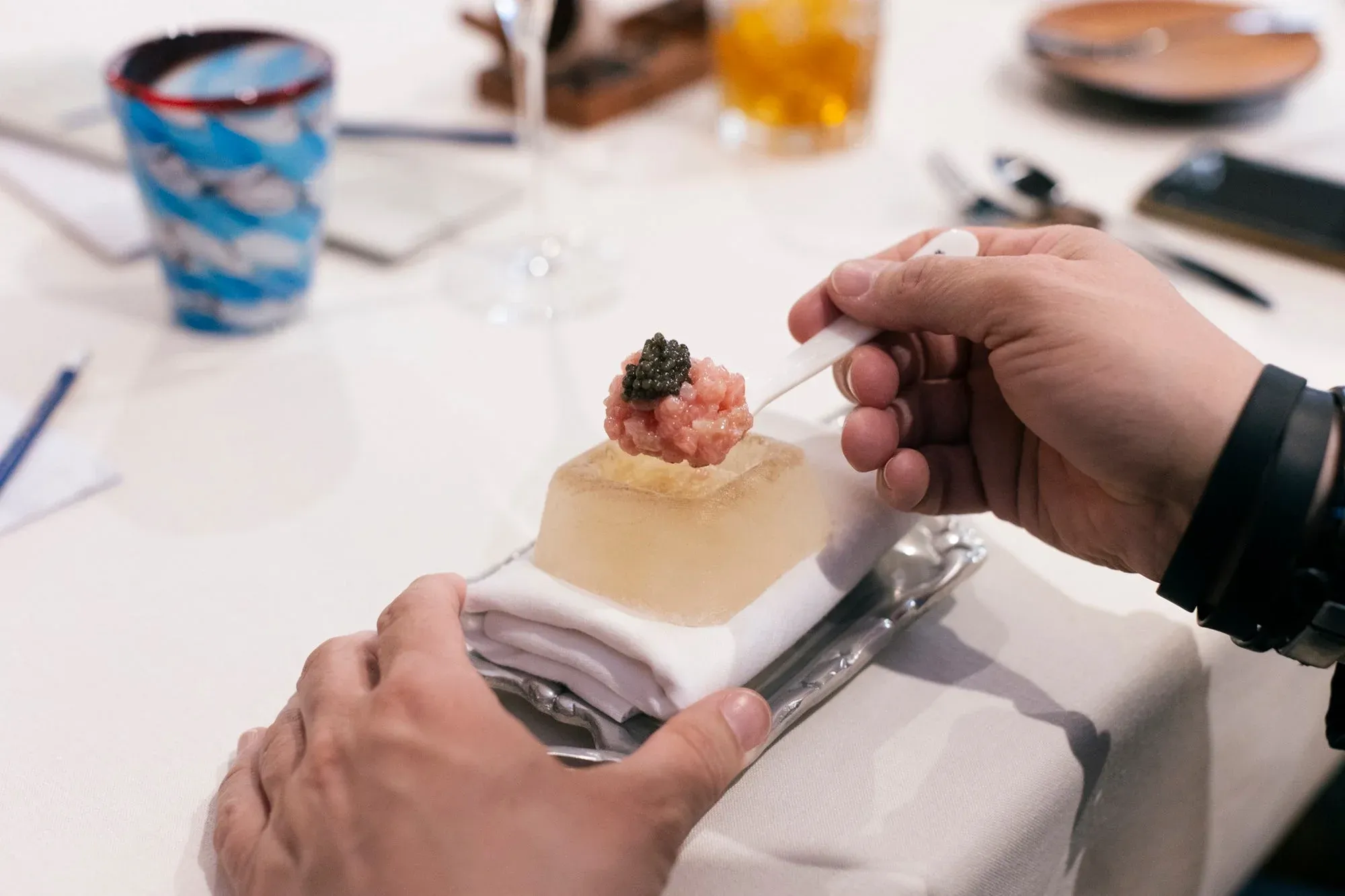
Culinary innovation has radically transformed the diner’s experience. It is no longer just about eating, but about living a multisensory experience that involves sight, smell, taste, touch and even hearing.
On the Restaurant Industry
The restaurant industry has had to evolve to keep up with these innovations. From chef training to restaurant business models, everything is changing. The Canary Islands Chefs’ Championship is an example of how innovation is being encouraged in the training of new talent.
On Society and Culture
Culinary innovation is influencing our eating habits and the way we perceive food. It is also helping to preserve and evolve culinary traditions, as seen in the work with aboriginal Canarian cheese.
Challenges and Criticisms of Culinary Innovation
Not everything is perfect in the world of culinary innovation. There are challenges such as maintaining the balance between innovation and authenticity, addressing food safety concerns around new techniques, and making these innovations accessible to a wider public.
The Future of Culinary Innovation
The future of culinary innovation is exciting and full of possibilities. From the application of artificial intelligence in creating recipes to the exploration of new protein sources, the field is in constant evolution.
Initiatives such as Astrochefs are exploring how gastronomy can adapt even to extreme environments such as space, opening up new frontiers for culinary innovation.
The Magic of Eggs in Tenerife: A Culinary Tribute by Diego Schattenhofer
Conclusion: Innovation as the Engine of Gastronomic Progress
Culinary innovation is far more than a passing trend; it is the engine driving progress in gastronomy. As chefs such as Diego Schattenhofer continue to push the boundaries of what is possible in the kitchen, we can expect increasingly surprising and rewarding culinary experiences.
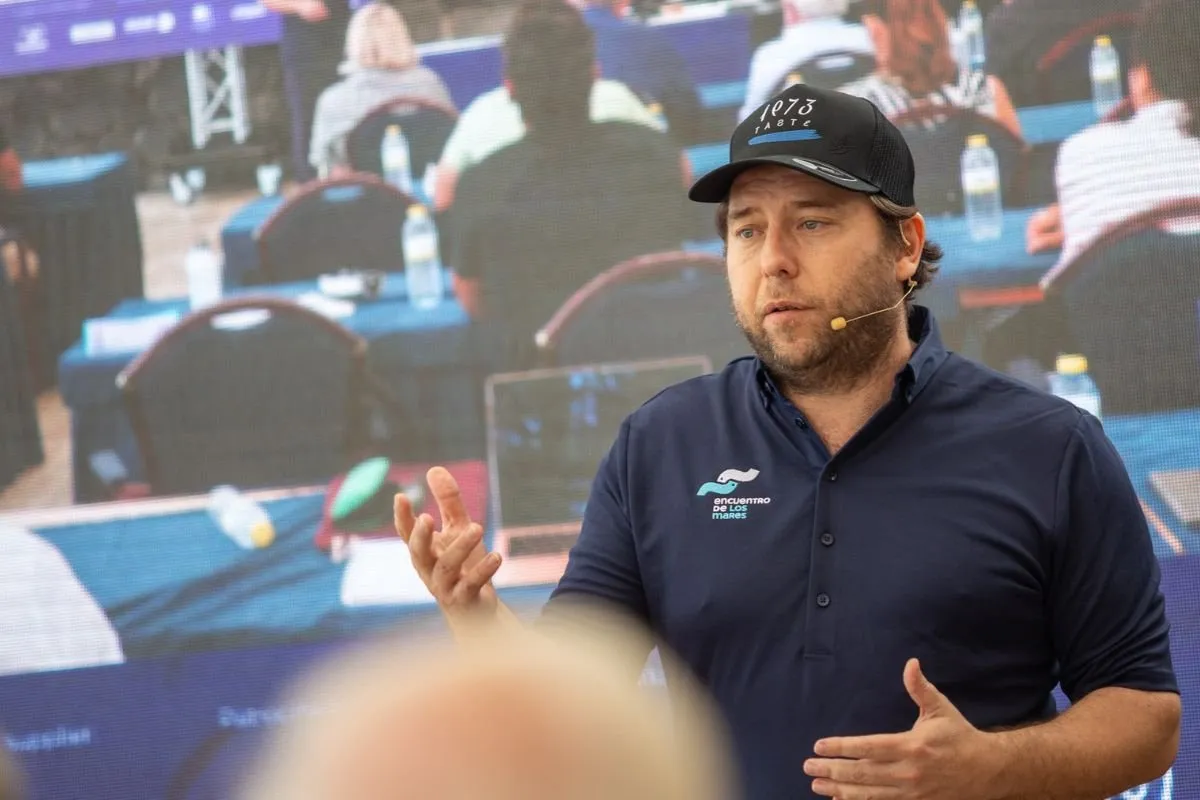
About the Author: Diego Schattenhofer
Diego Schattenhofer is an innovative, visionary chef, recognised for his work reinterpreting Canarian cuisine. His focus on research and experimentation has led him to develop revolutionary techniques such as goat meat maturation and the creation of edible perfumes. Find out more about Diego Schattenhofer and his vision for the future of gastronomy.
We invite you to explore the world of culinary innovation for yourself. Why not start with a visit to Taste 1973 or by taking part in one of the food events listed in our events calendar?
Frequently asked questions
What exactly is culinary innovation?
How is Diego Schattenhofer contributing to culinary innovation?
- The extended maturation of goat meat, which intensifies flavours and improves texture.
- The creation of edible perfumes, which add a unique olfactory dimension to the dining experience.
- The reinterpretation of traditional Canarian dishes with modern techniques at his restaurant Taste 1973.
What are the main culinary innovation techniques?
- Molecular gastronomy: the use of scientific principles to transform the textures and shapes of food.
- Advanced fermentation: creating new flavours and preserving food.
- 3D food printing: designing unique food shapes and structures.
- Extended maturation: improving flavour and texture in meat and fish.
- Low-temperature cooking: precise cooking for perfect textures.
How does culinary innovation affect the diner's experience?
- It creates multisensory experiences that involve sight, smell, taste, touch and even hearing.
- It introduces new textures and unexpected flavour combinations.
- It challenges traditional perceptions of what a dish should be.
- It fosters a greater appreciation of creativity and technique in the kitchen.
- It can evoke emotions and memories through innovative presentations and flavours.
What is the relationship between culinary innovation and sustainability?
- It encourages the use of local, seasonal ingredients (km 0 cuisine).
- It develops techniques to make full use of ingredients, reducing waste.
- It explores plant-based alternatives and sustainable proteins to reduce environmental impact.
- It implements more efficient food preservation and conservation practices.
- It promotes biodiversity by rescuing and giving new value to forgotten native ingredients.
How can I experience culinary innovation in the Canary Islands?
- By visiting Diego Schattenhofer's restaurant Taste 1973, where you can try dishes that blend innovative techniques with traditional Canarian ingredients.
- By taking part in food events and workshops listed in our events calendar.
- By exploring local restaurants that are experimenting with avant-garde Canarian cuisine.
- By attending culinary demonstrations and tastings of innovative products such as edible perfumes or matured goat meat.
You may also like
Tenerife Eats with the Nose: Diego Schattenhofer's Sensory Revolution
In the press
Culinary Scientific Study on Matured Goat Meat by Chef Diego Schattenhofer and Dr Marichu Fresno
Cooking
Innovation with Guanche Roots: Chef Diego Schattenhofer and Doctor Marichu Fresno of the ICIA Work Together to Rediscover Aboriginal Canarian Cheese
Multidisciplinary