Culinary Scientific Study on Matured Goat Meat by Chef Diego Schattenhofer and Dr Marichu Fresno
- Published
- Section
- Cooking
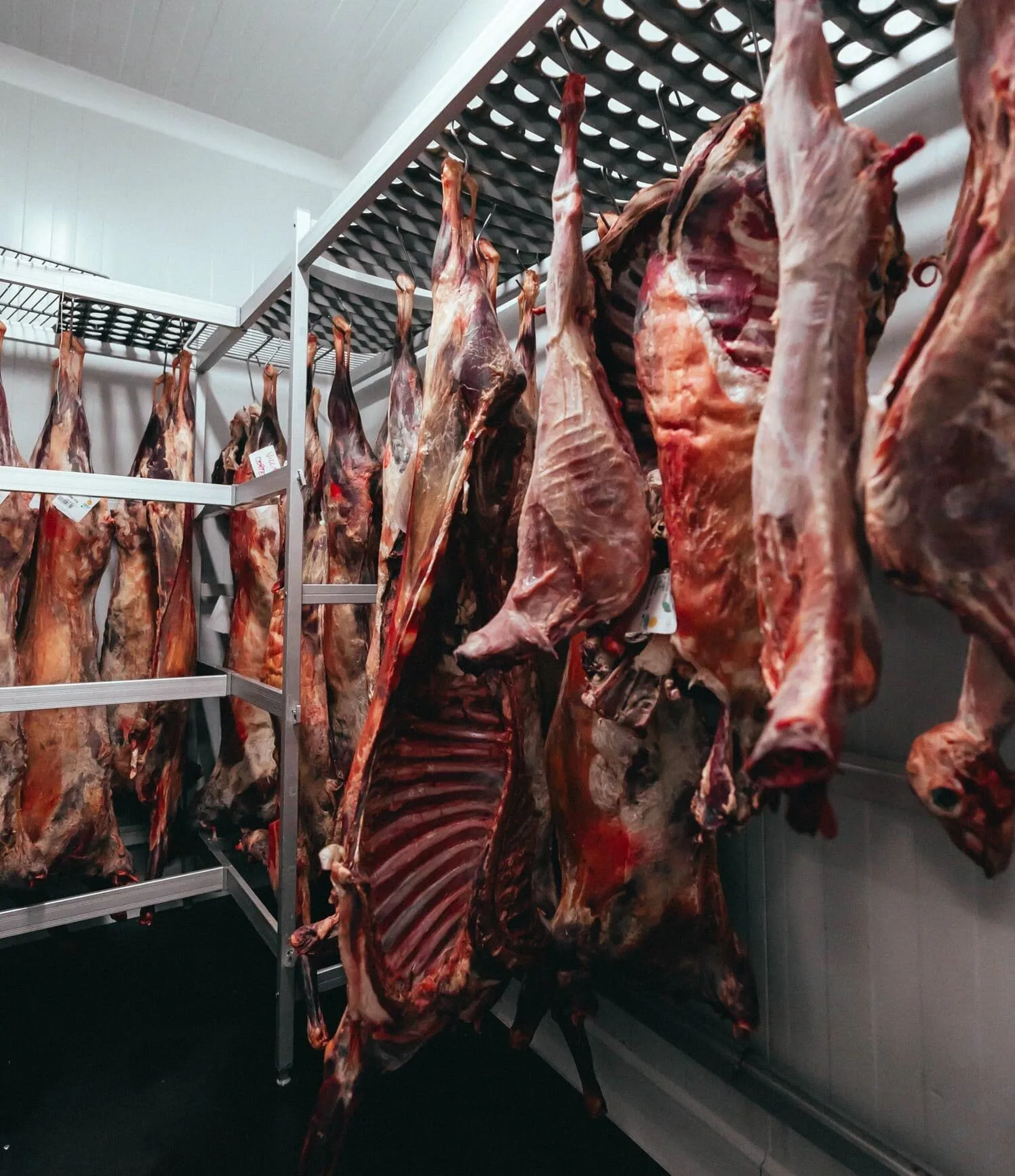
The Canary Islands are undergoing a revolutionary change in their culinary practices, particularly in the preparation and consumption of matured goat meat.
This transformation is driven by the pioneering research of Chef Diego Schattenhofer and Dr Marichu Fresno, who have introduced sophisticated maturation techniques to enhance the flavour and texture of goat meat, traditionally a cornerstone of Canarian cuisine.
The Science Behind Matured Goat Meat
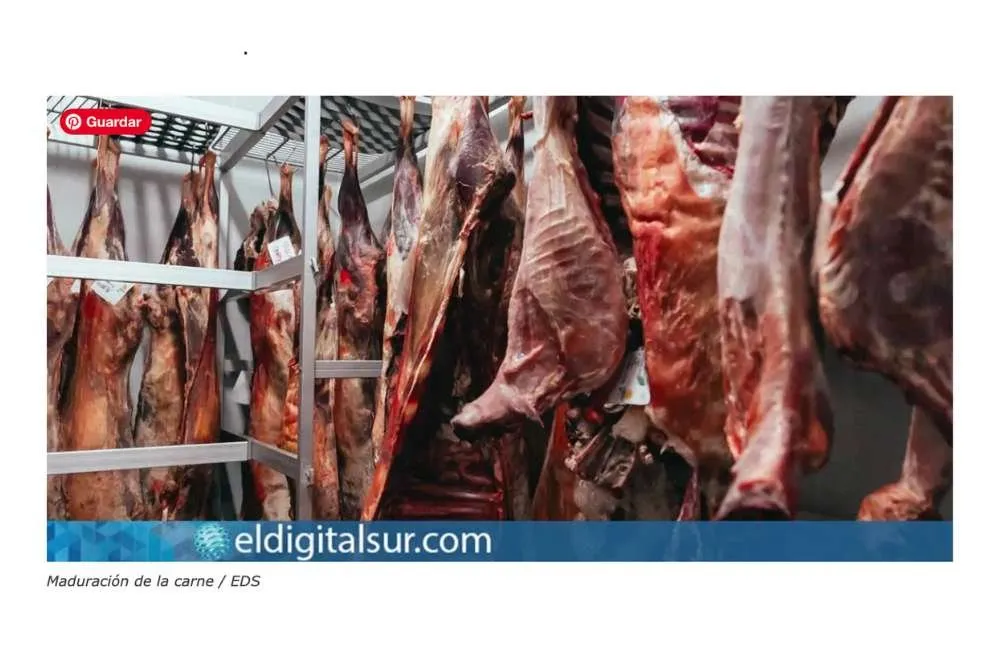
The maturation process, or ageing of the meat, involves a controlled breakdown, which enhances its flavour and tenderises it. This technique, now applied to goat meat in the Canary Islands, results in a product that is not only more tender and juicy but also richer in flavour. Learn more about the process in the article, “Carne de cabra madurada, una revolución en la mesa”, which discusses how matured goat meat is revolutionising Canarian tables.
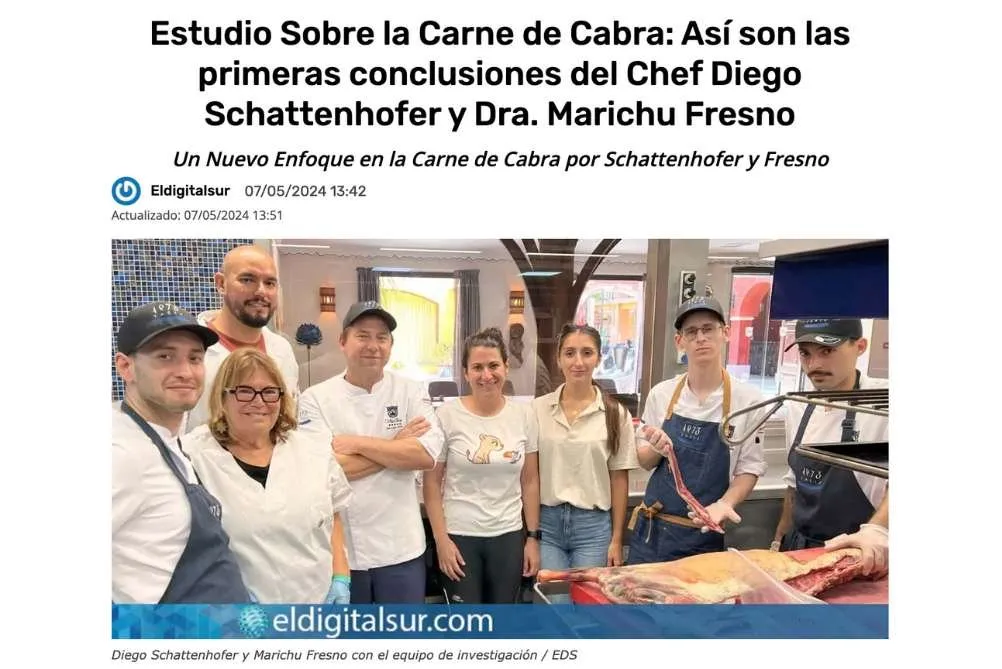
After several months of exhaustive work in the laboratory and in the kitchen, chef Diego Schattenhofer (1973 Taste, Hotel Villa Cortés, Arona – Tenerife) and Dr Marichu Fresno (Instituto Canario de Investigaciones Agrícolas) have revealed the first conclusions of their extensive study on the gastronomy of goat meat.
This study covers everything from the butchery of the animal to its various maturations and cooking techniques, constituting pioneering research worldwide.
Effects of Maturation on the Physicochemical Properties of Goat Meat
Goats are one of the first livestock species domesticated by humans, approximately 9,000 years ago.
In the Canary Islands, various historical and genetic studies have traced the pre-Hispanic origins of the three native goat breeds. Recent research published in the journal Genetics Selection Evolution confirms the North African origins of these animals and further distinguishes the Majorera, Palmera, Tinerfeña Norte and Tinerfeña Sur breeds as genetically unique, with no links to other European goat breeds.
The Role of Tradition and Innovation
Chef Schattenhofer and Dr Fresno have effectively combined traditional and avant-garde Canarian cooking methods with modern scientific research to create a unique culinary experience. This blend of science and tradition enriches regional cuisine and introduces a new layer of complexity to familiar dishes.
Key Figures in the Gastronomic Revolution
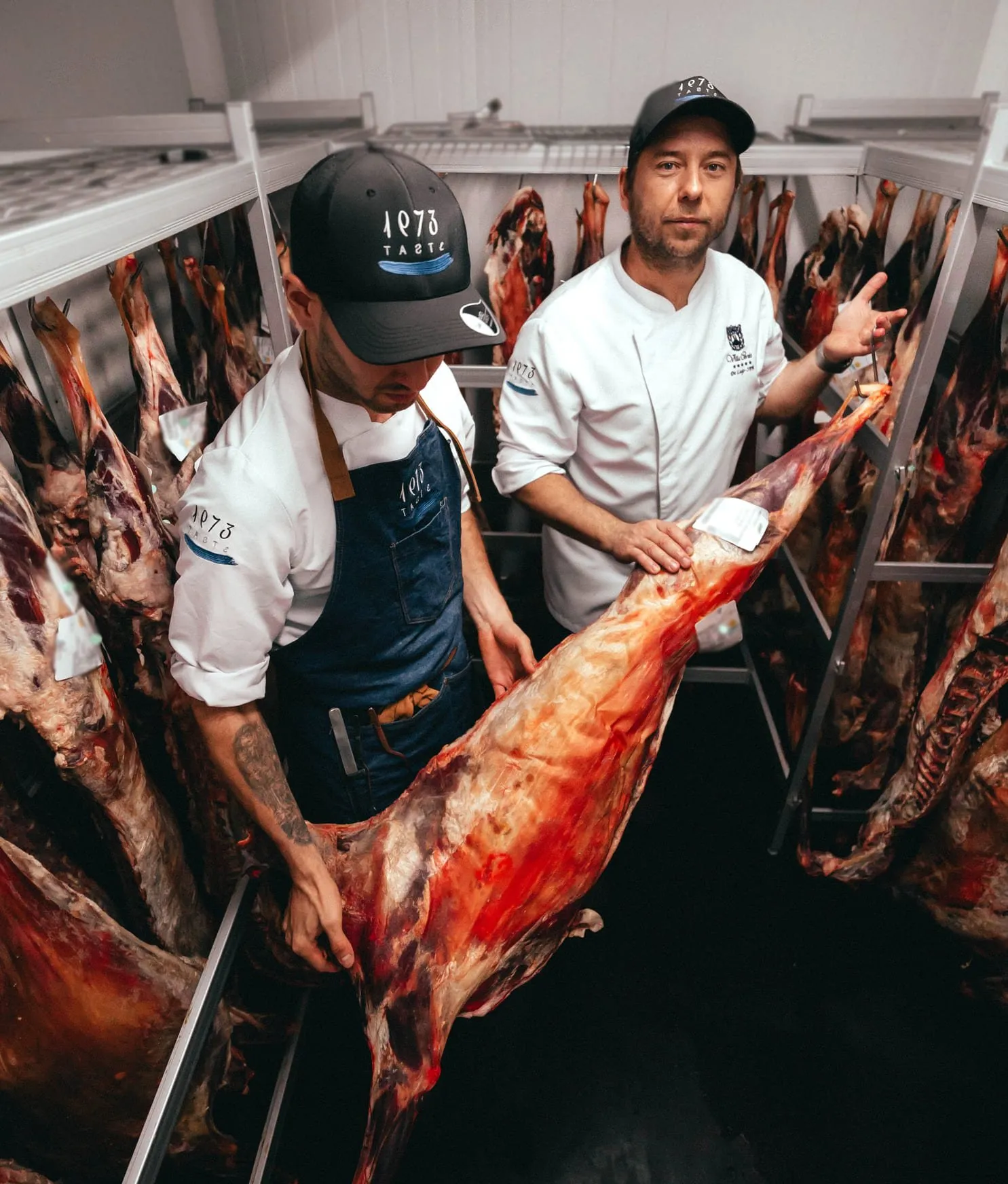
Chef Diego Schattenhofer
A renowned figure in Canarian culinary circles, Chef Schattenhofer has been instrumental in redefining the use of goat meat through his innovative cooking techniques and research initiatives. His work is detailed in the article, “El chef Diego Schattenhofer revoluciona la cocina canaria”.
Dr Marichu Fresno
Dr Fresno, of the Instituto Canario de Investigaciones Agrícolas (ICIA), brings a scientific perspective to culinary practices, focusing on the genetic and nutritional aspects of goat breeds in the Canary Islands. Her collaboration with Chef Schattenhofer has led to significant advances in the culinary applications of goat meat.
Innovative Projects and Research
Reinterpreting Canarian Cheese
Alongside their work with goat meat, Chef Schattenhofer and Dr Fresno have also embarked on a project to reinterpret traditional Canarian cheese, bringing new flavour to an age-old delicacy. This effort is part of a wider initiative to honour and revitalise traditional Canarian gastronomy through modern research and innovative techniques, as discussed in “Recrean por primera vez el queso aborigen canario”.
Gastronomy Meets Academia
The collaboration between the culinary arts and academic research has produced rich insights into the properties of local ingredients and their potential applications in both new and traditional dishes. This synergy is exemplified in their ongoing study of matured goat meat and its culinary potential.
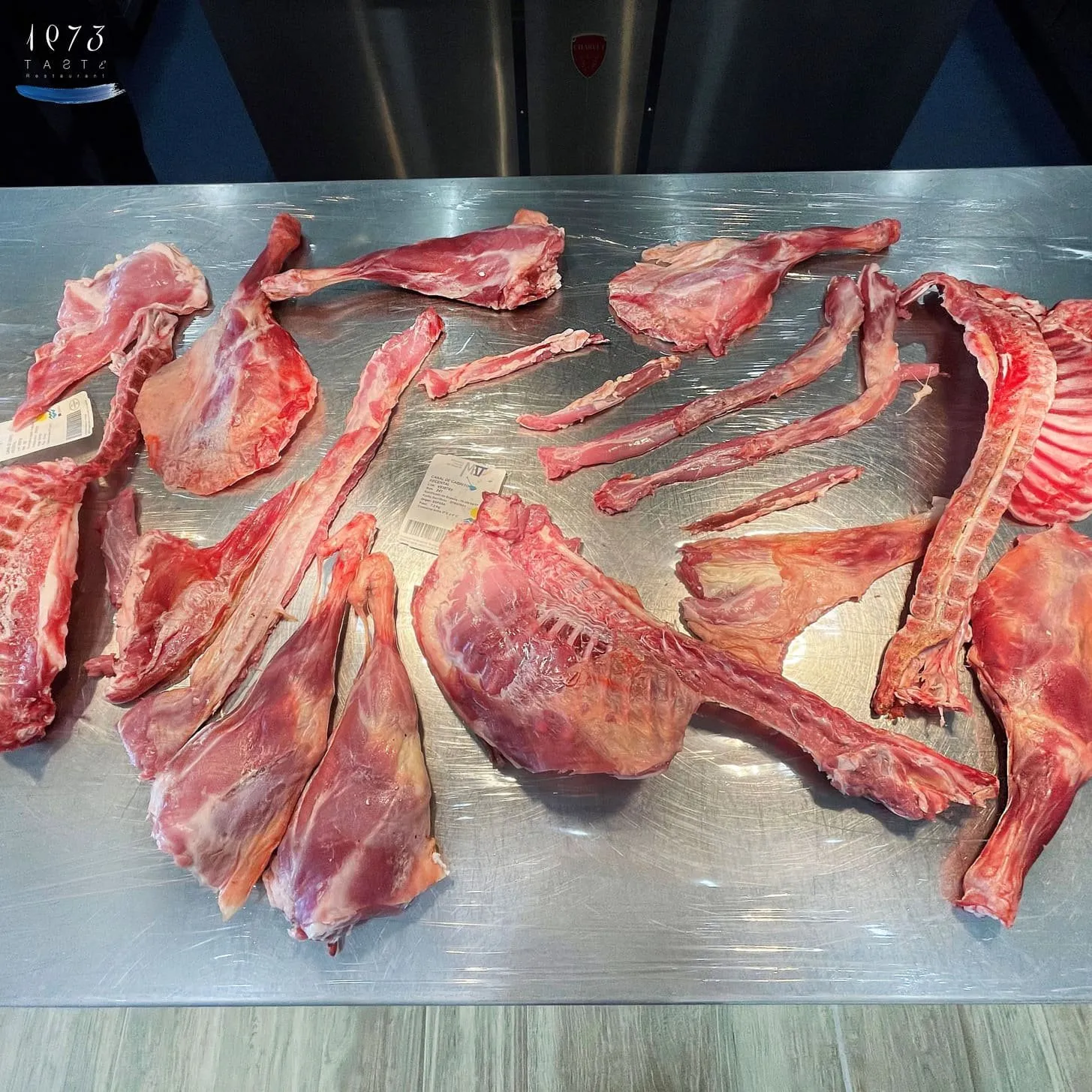
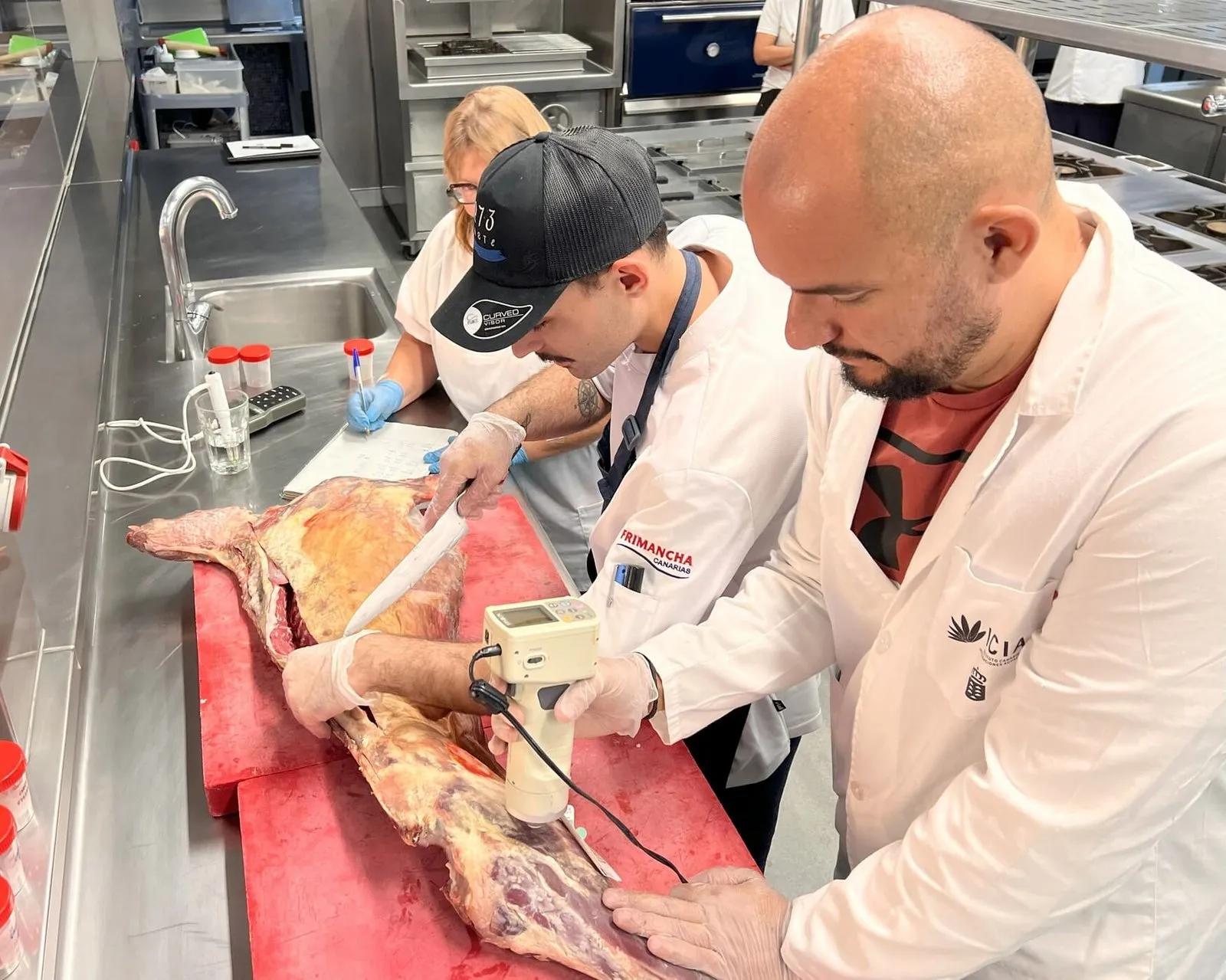
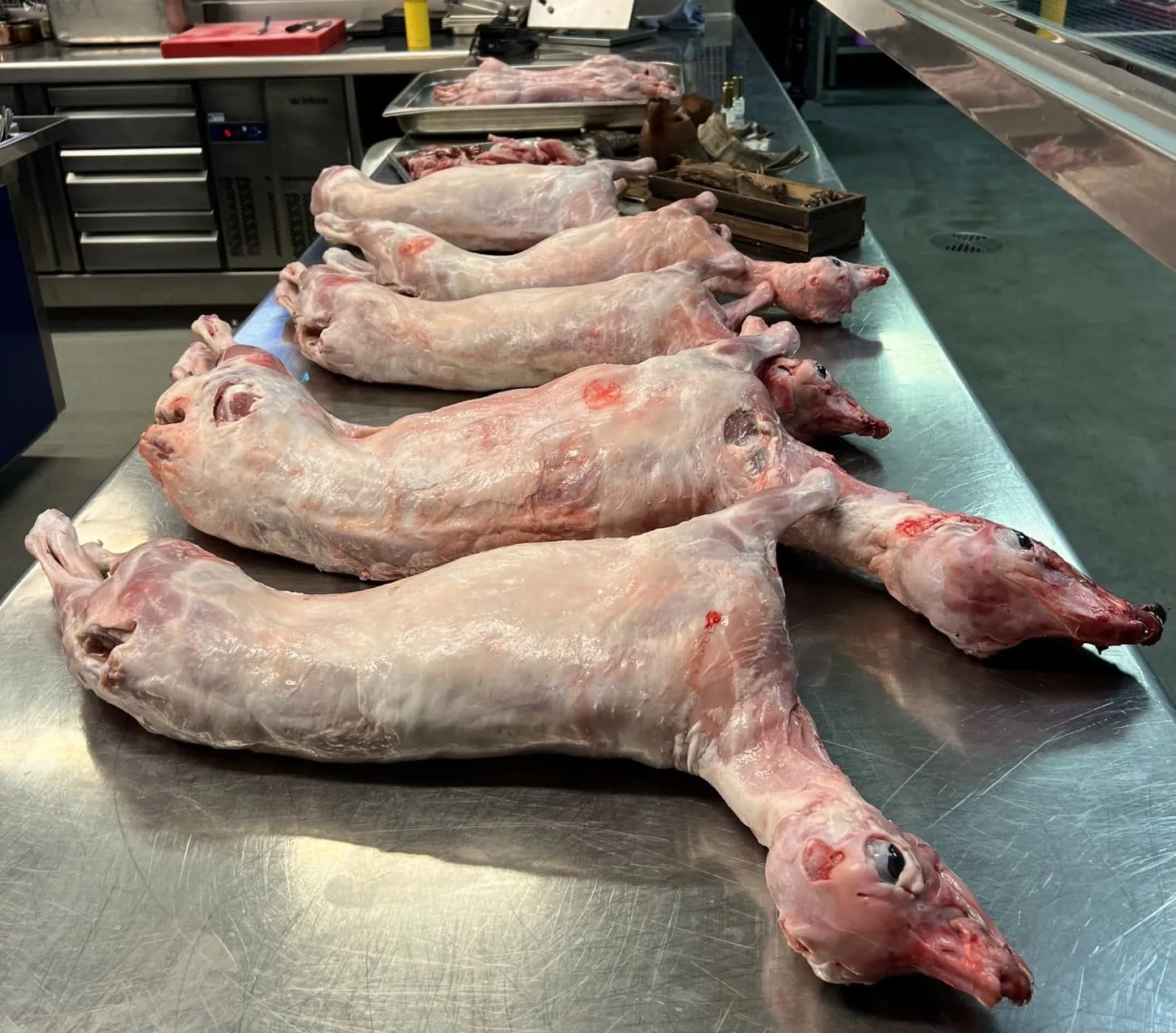
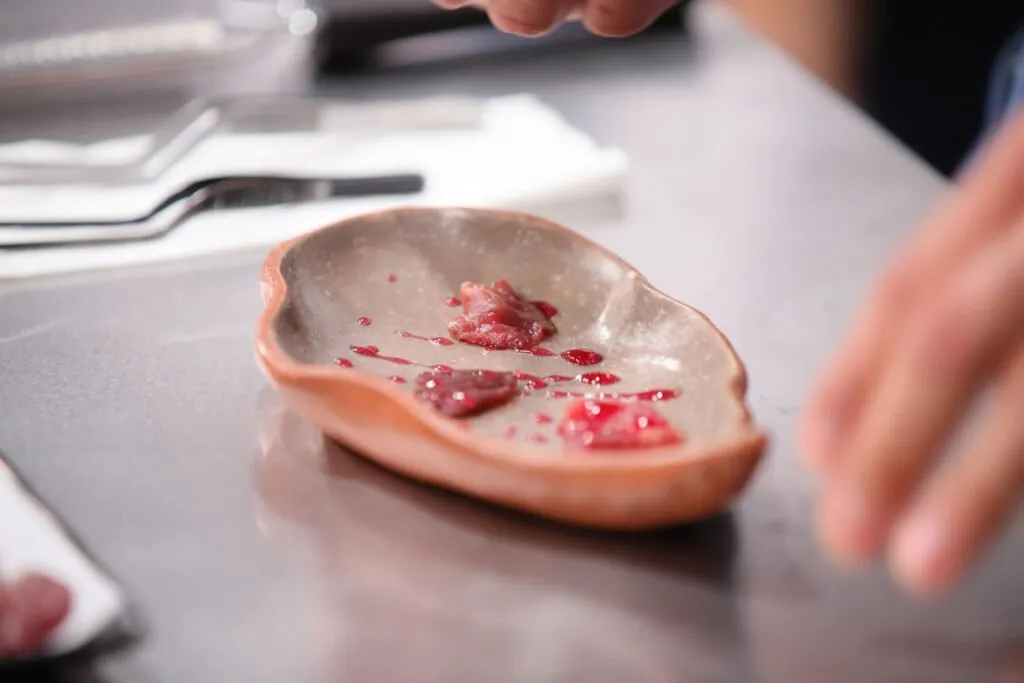
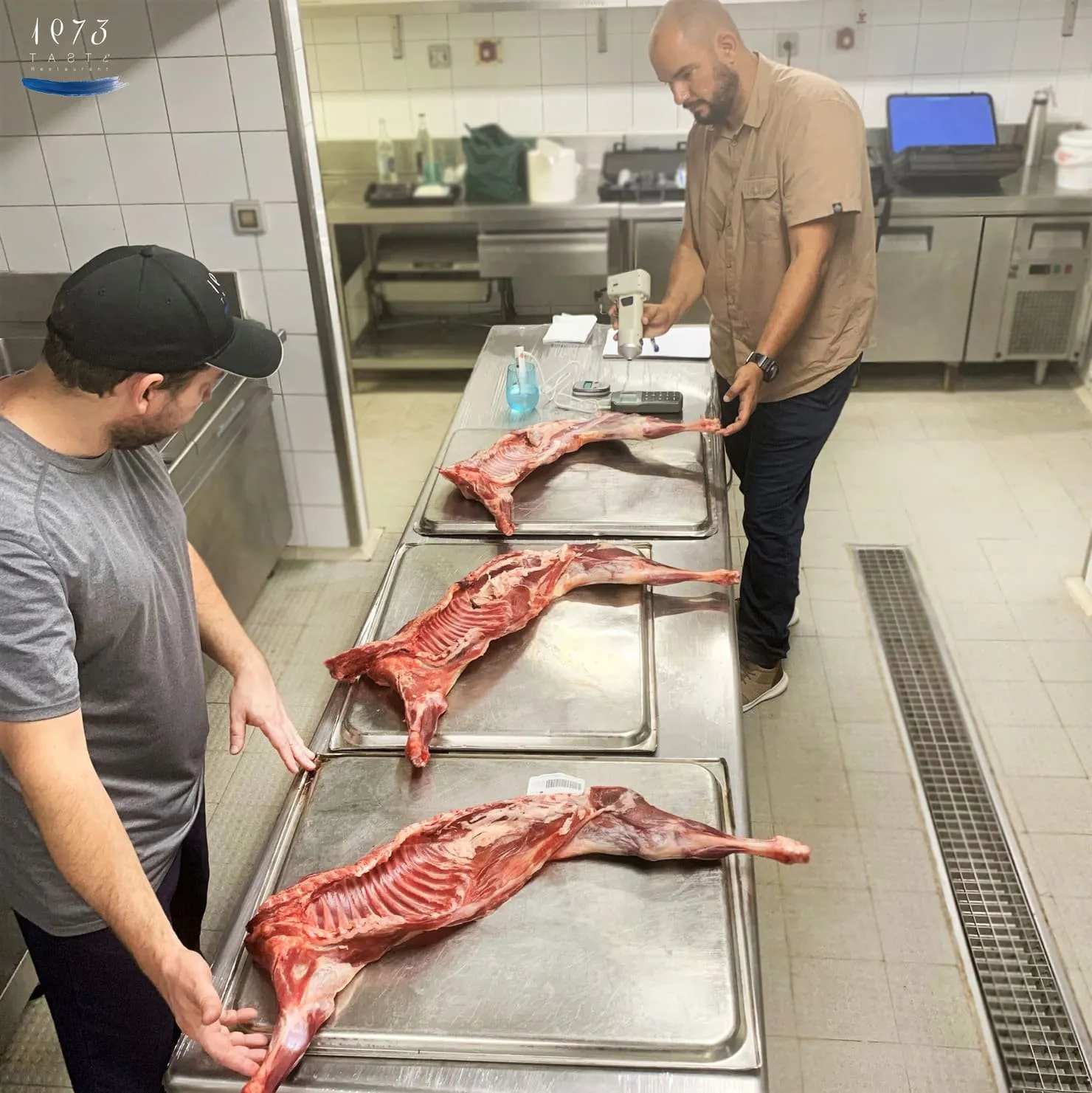
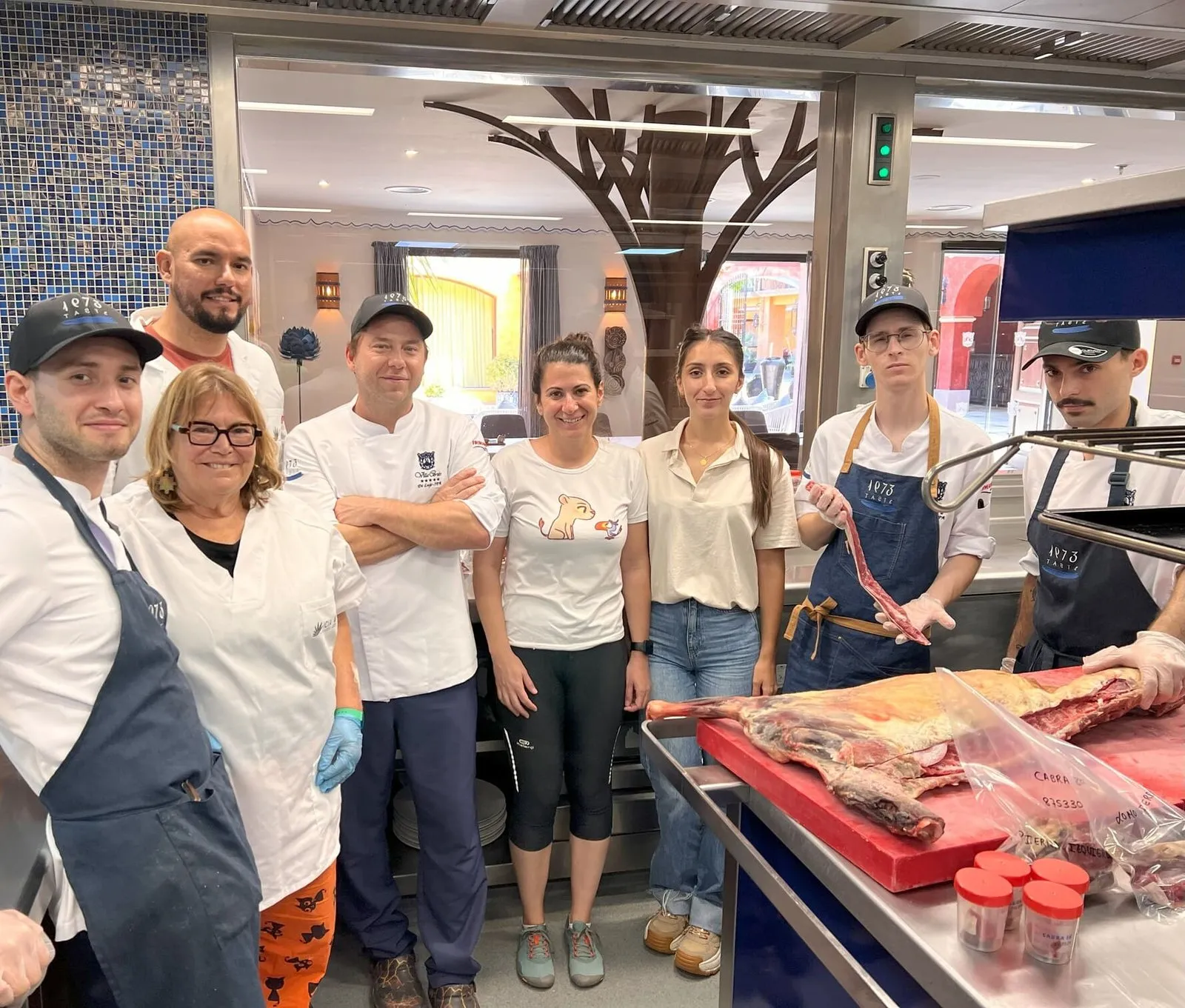
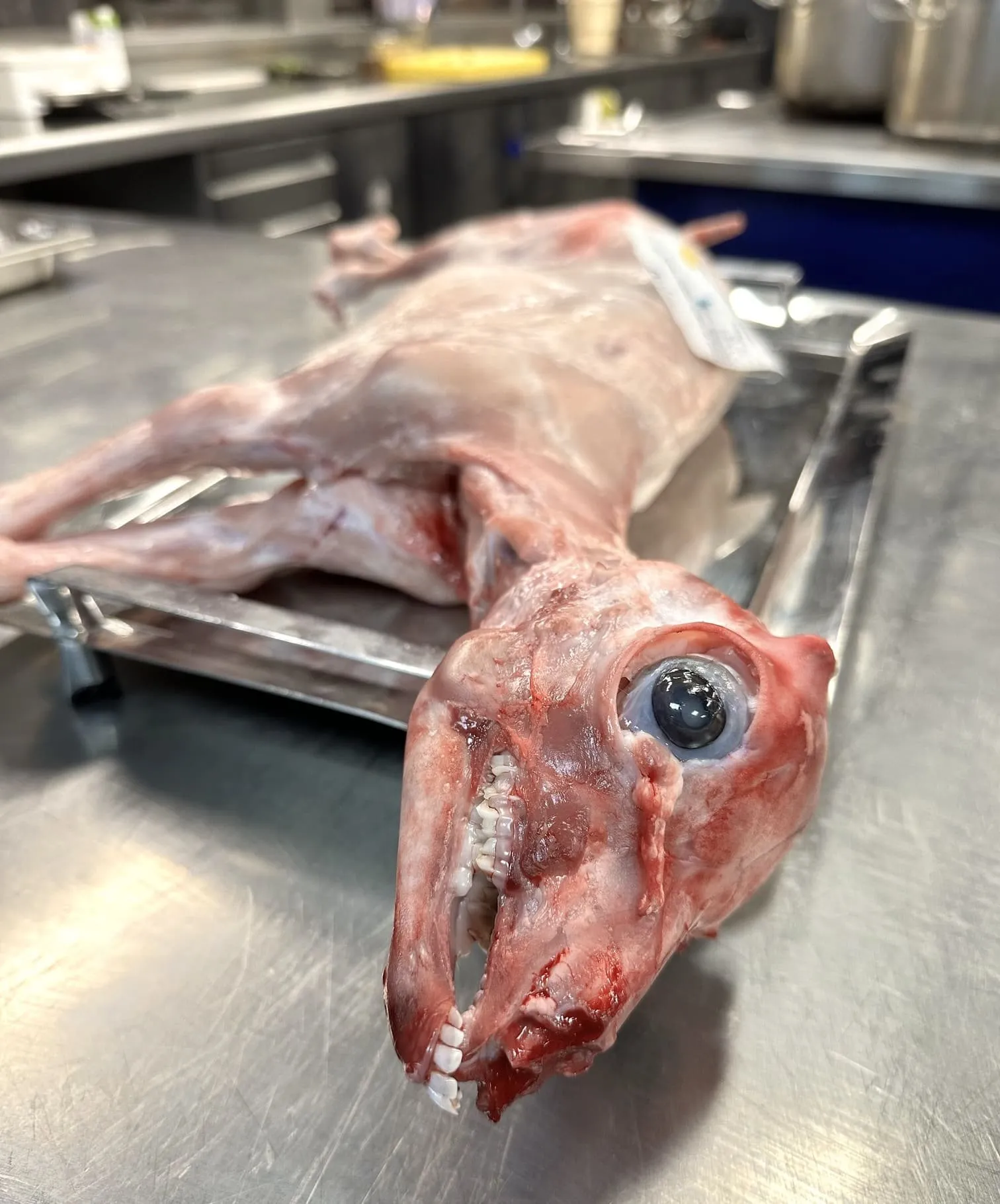
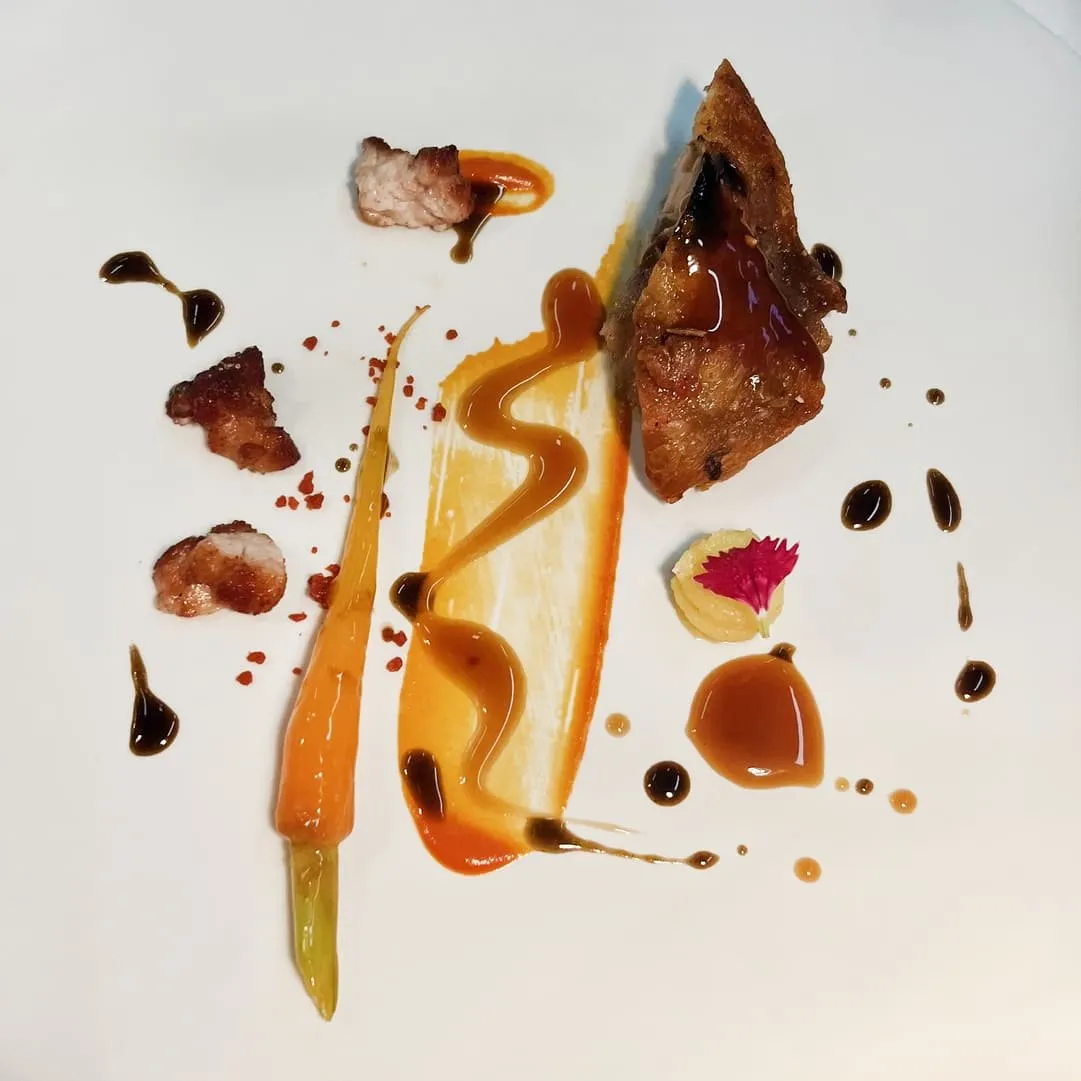
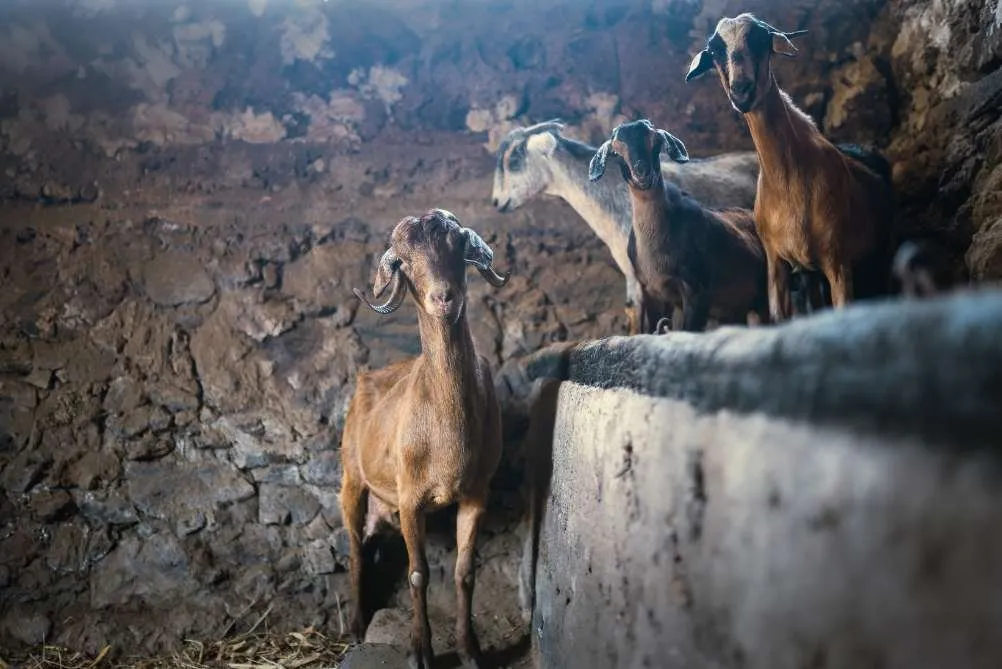
This article explores the fascinating intersection of traditional Canarian culinary practices with modern gastronomic innovation, highlighting the pioneering work of Chef Diego Schattenhofer and Dr Marichu Fresno on the maturation of goat meat. Their efforts not only preserve but also elevate the culinary heritage of the Canary Islands, offering a richer and more nuanced dining experience.
Part of this content has been developed from the original report and article published on the portal eldigitalsur.com, covering the advances and innovation in Canarian gastronomy surrounding matured goat meat.
Frequently asked questions
What is matured goat meat?
How does maturation affect the meat?
Who are the key figures behind this gastronomic innovation?
What maturation techniques are used in this study?
How is food safety ensured during the maturation process?
What implications does this study have for traditional Canarian cuisine?
Are similar techniques being explored for other food products?
What specific results has the study revealed so far?
You may also like
Innovation with Guanche Roots: Chef Diego Schattenhofer and Doctor Marichu Fresno of the ICIA Work Together to Rediscover Aboriginal Canarian Cheese
Multidisciplinary
Diego Schattenhofer's culinary innovation: Exploring fish maturation in Tenerife
Cooking
The Magic of Matured Goat Meat: An Evolution Through Interdisciplinary Scientific Research
Cooking