Chef Diego Schattenhofer revolutionises Canarian cuisine with his research into native goat
- Published
- Updated
- Section
- Multidisciplinary
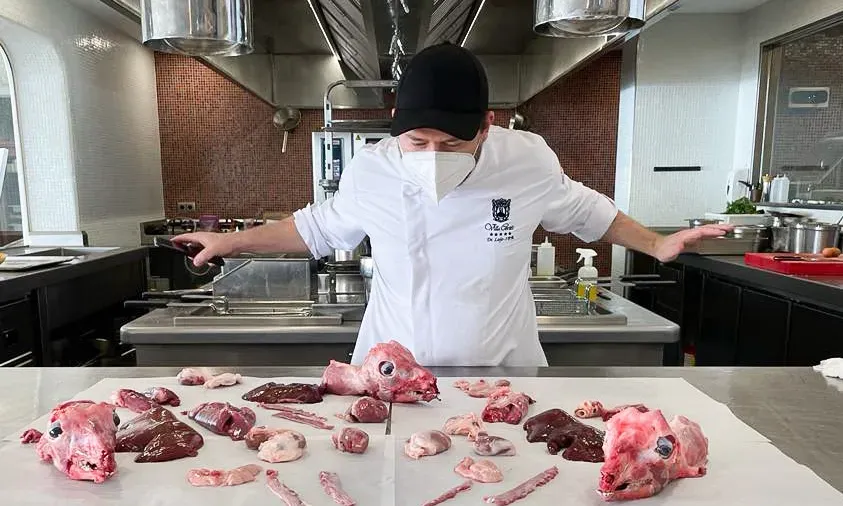
Here we share a brief briefing and extract from the original article published on masscultura.com
A pioneering project in gastronomy
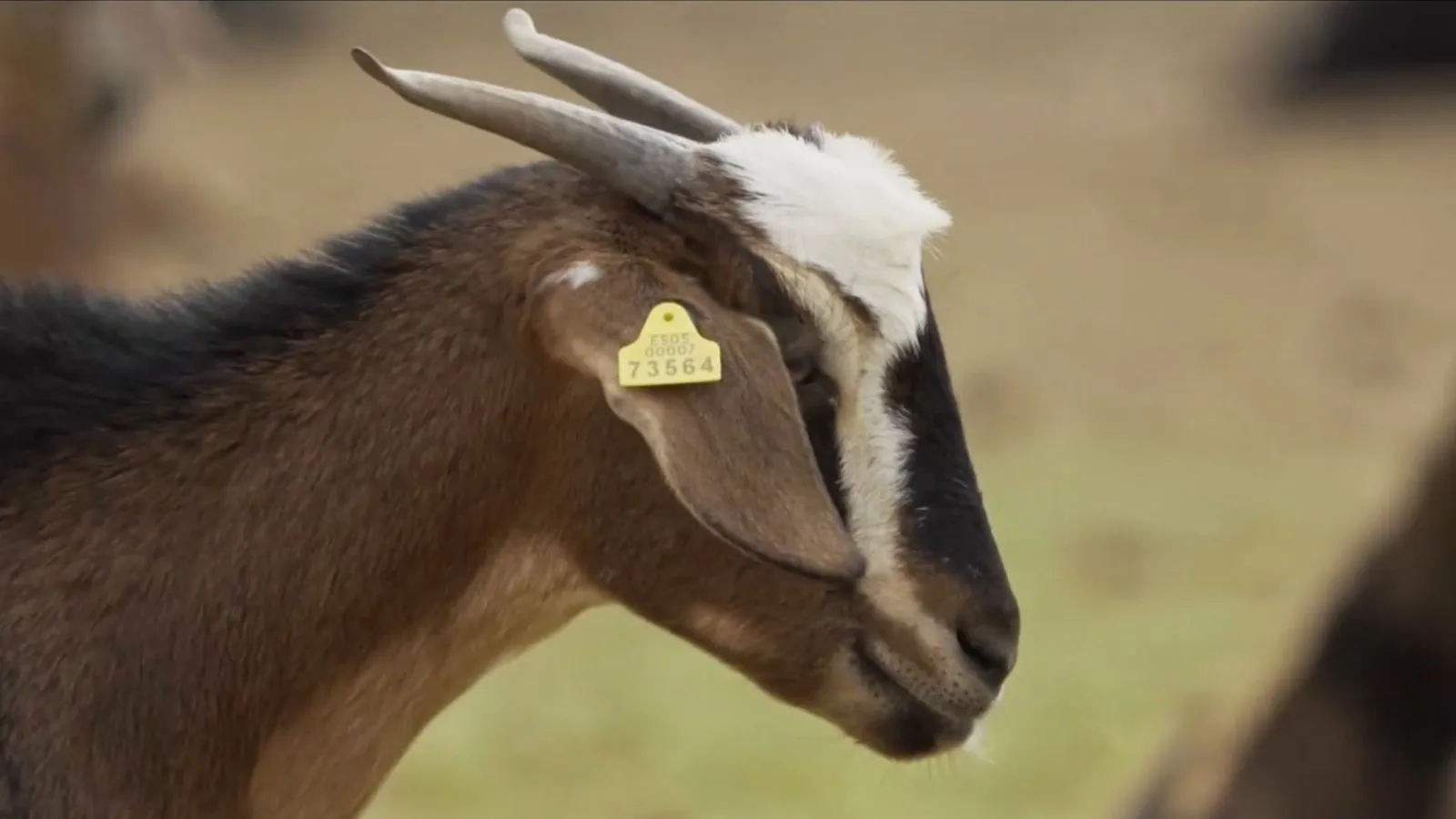
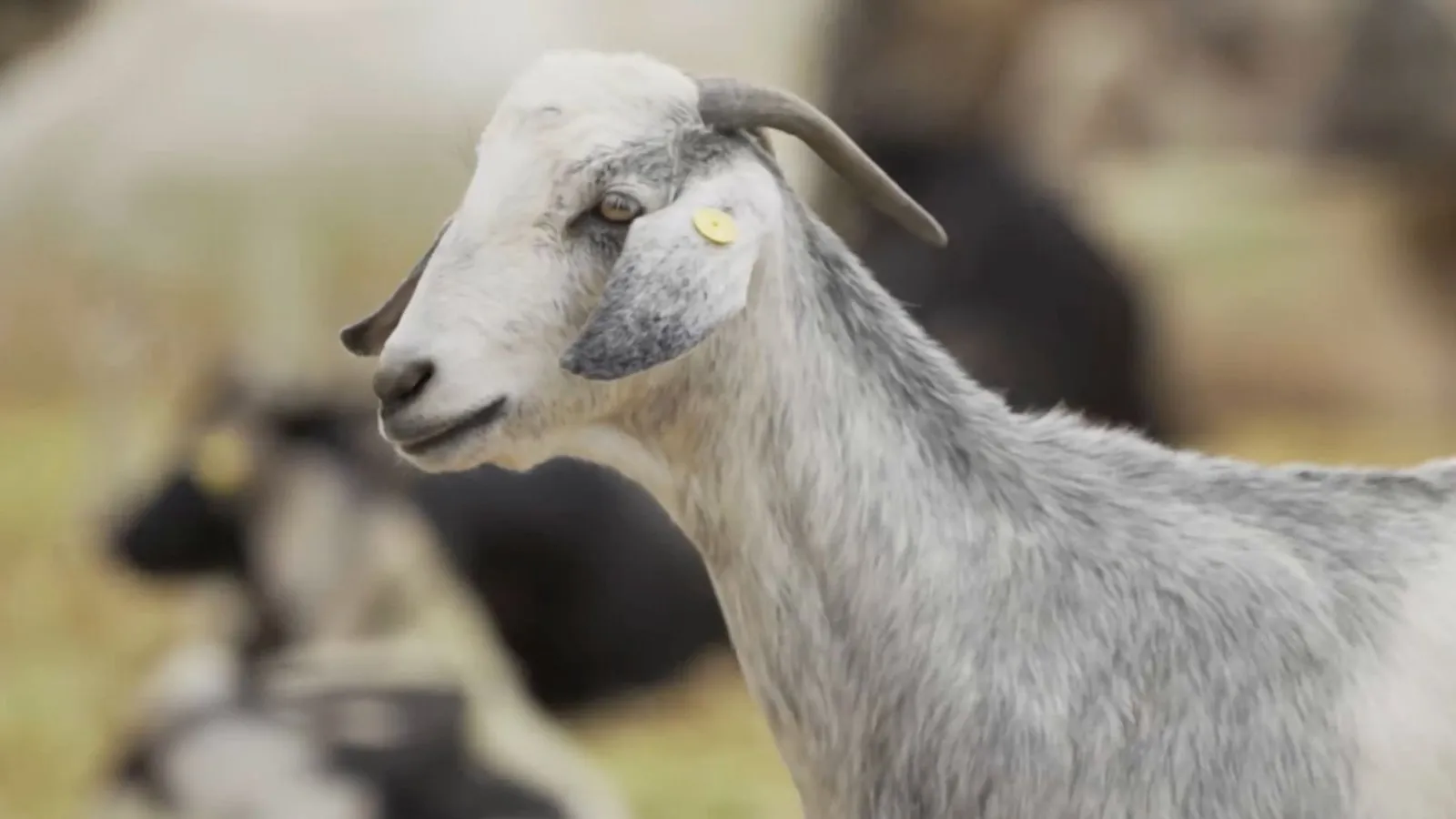
In an exciting fusion of gastronomy and science, chef Diego Schattenhofer has spent three years meticulously studying Canarian goat, an emblem of the archipelago’s culinary culture, but until now little explored in its entirety. Working closely with the Canary Islands Institute of Agricultural Research (ICIA), Schattenhofer has unravelled the secrets of the three native goat breeds: Palmera, Majorera and Tinerfeña, revealing the untapped potential of this traditional ingredient.

Key discoveries and their culinary application
The research has culminated in the discovery of the optimal conditions for the culinary use of goat: animals three years of age, weighing 90 kg and subjected to a maturation process of at least 122 days. These parameters guarantee meat with exceptional tenderness, softness, aroma and flavour, opening new avenues for Canarian gastronomy.
Innovation on the 1973 Taste menu
At the 1973 Taste restaurant, located in the Hotel Villa Cortés in Arona, Schattenhofer has integrated these findings into an innovative menu that celebrates Canarian goat in all its forms. From a quick-braised centre loin in tataki style, shoulder roast beef, to a delicate tartare, Schattenhofer offers a unique culinary experience that pays tribute to the rich gastronomic heritage of the Canary Islands.
Contribution to gastronomy and the preservation of tradition
Beyond his work in the kitchen, Schattenhofer has contributed to the preservation of Canarian culinary traditions, while driving a contemporary vision that links the islands’ aboriginal history with modern techniques and knowledge. This approach not only enriches the Canary Islands’ gastronomic offering but also places the region on the world culinary map as a destination for innovation and excellence.
A visionary of global cuisine
This project is just one of Schattenhofer’s many ventures, who has left his mark on the global gastronomic scene through his work with legends such as Martín Berasategui and his participation in renowned congresses. With a career spanning scientific research applied to gastronomy and the recovery of ancestral techniques, Schattenhofer stands out as a culinary visionary, whose passion and dedication continue to inspire chefs and foodies alike.
This post is a brief briefing and extract from the original article published on masscultura.com
Edible Perfumes of Pinar and Medianías: the new venture from Chef Diego Schattenhofer
Gastrosinapsis Team, Our Think Tank of Gastronomic Thought
At the heart of the culinary revolution taking place in the Canary Islands is an innovative “goat chef” like Diego Schattenhofer, who, with his avant-garde approach, has transformed the way goat meat is perceived and enjoyed. His meticulous research and collaboration with the Canary Islands Institute of Agricultural Research have resulted in the exaltation of native flavours, where “Canarian-style goat meat” becomes the star of his acclaimed menu at the 1973 Taste restaurant.
The culinary experience offered by Schattenhofer is a journey through the essence of the Canary Islands, where the flavour of “Canarian-style goat meat” is enhanced in every dish. As a “goat chef”, his ability to combine contemporary techniques with traditional recipes results in a cuisine that respects and celebrates the islands’ gastronomic heritage, taking goat meat to an unprecedented level of excellence. Schattenhofer’s innovation and passion for Canarian gastronomy establish him as an essential point of reference in modern cuisine.
Frequently asked questions
Who is Diego Schattenhofer?
What has been Diego Schattenhofer's most recent project?
What discoveries have been made about Canarian goat?
How is Canarian goat presented on the 1973 Taste menu?
What impact does this project have on Canarian gastronomy?
You may also like
Innovation with Guanche Roots: Chef Diego Schattenhofer and Doctor Marichu Fresno of the ICIA Work Together to Rediscover Aboriginal Canarian Cheese
Multidisciplinary
Diego Schattenhofer in Pellagofio: the matured goat fillet tartare
In the press
Science in the kitchen: Taste 1973 visits the Canary Islands Oceanographic Centre (IEO-CSIC)
Research