Science in the kitchen: Taste 1973 visits the Canary Islands Oceanographic Centre (IEO-CSIC)
- Published
- Section
- Research
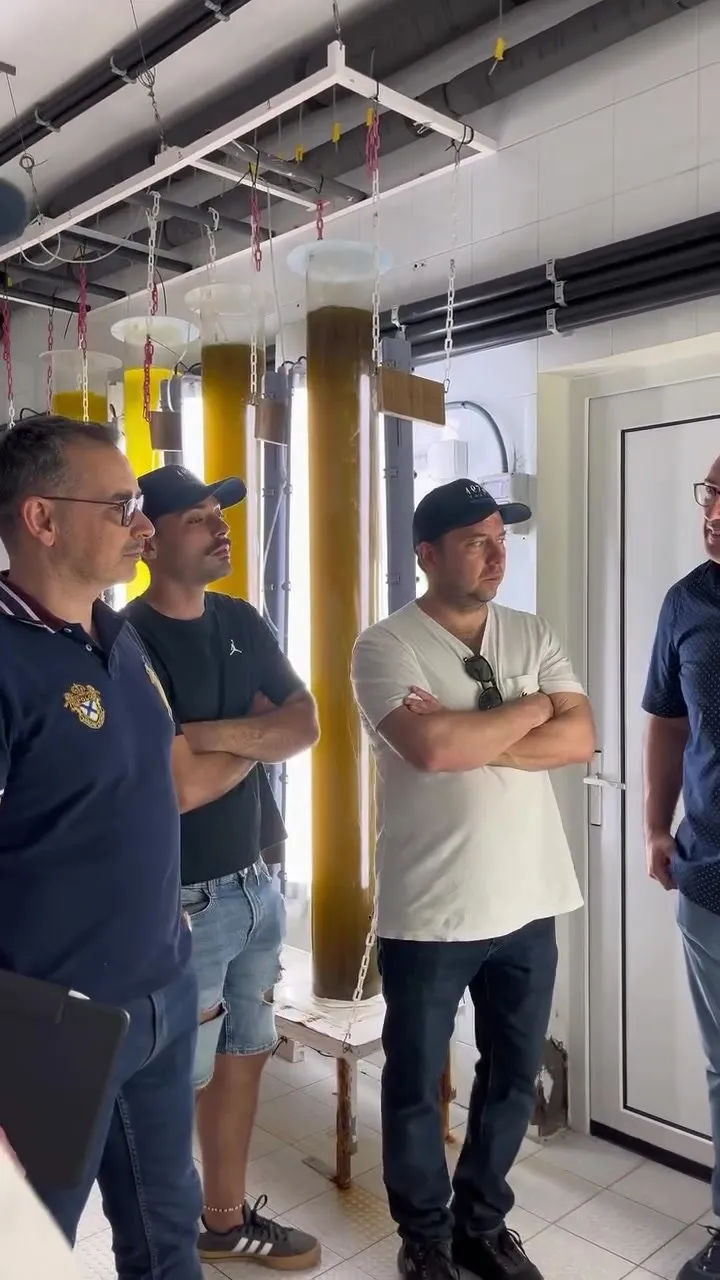
A day in the laboratory, not in the kitchen
Canary Islands Oceanographic Centre (IEO-CSIC), Santa Cruz de Tenerife, 15 July 2025.
There are days that leave no new dish on the à la carte menu and still change the way you look at produce. On 15 July 2025 we told the story of one of them on our accounts: the Taste 1973 team visited the Canary Islands Oceanographic Centre (IEO-CSIC), in the Dársena Pesquera of Santa Cruz de Tenerife, with the centre’s director opening the doors for us and guiding us throughout the tour.
It is worth being clear about where all this comes from, because in this house we prefer to say so. The only account of the visit is the reel we published that day: there was no press release or media coverage. What is confirmed by official sources is the framework — the centre, its headquarters and who runs it — and that is what we’ve added to the story.
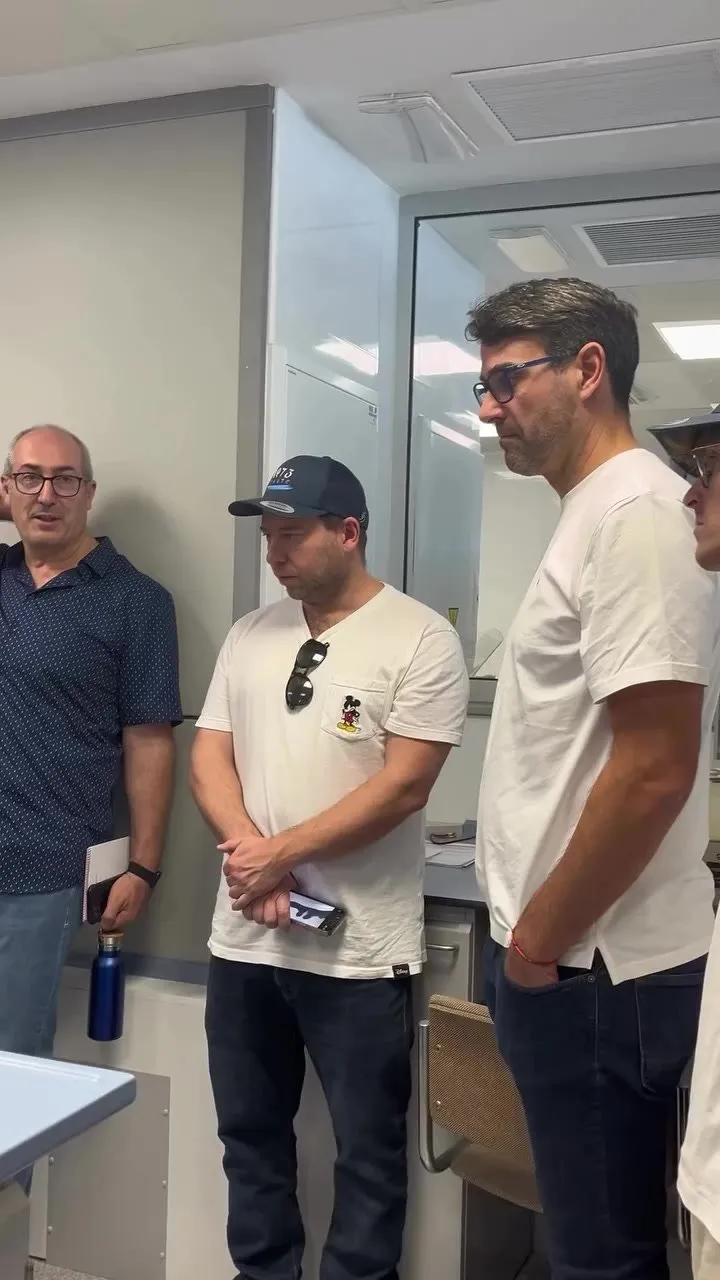
Who opened the door for us
Our host was “Chechu Arrieta” — that is, Jesús María Arrieta López de Uralde — who appears as director in the CSIC’s institutional record for the Canary Islands Oceanographic Centre. That same record places the centre’s headquarters at La Farola del Mar 22, Dársena Pesquera 1, Parcela 8, in Santa Cruz de Tenerife, right in the Dársena Pesquera.
This wasn’t a first meeting. Arrieta and Diego have long been working together on various projects, and in 2024 they shared a stage at the VI Encuentro de los Mares with a presentation on the marine enzymatic process; his speaker profile at that congress presents him as “Tenured Scientist at the Canary Islands Oceanographic Centre, IEO-CSIC”. What changed on 15 July was the setting: from the table of a congress to the workbench of his laboratory.
Four topics in one day
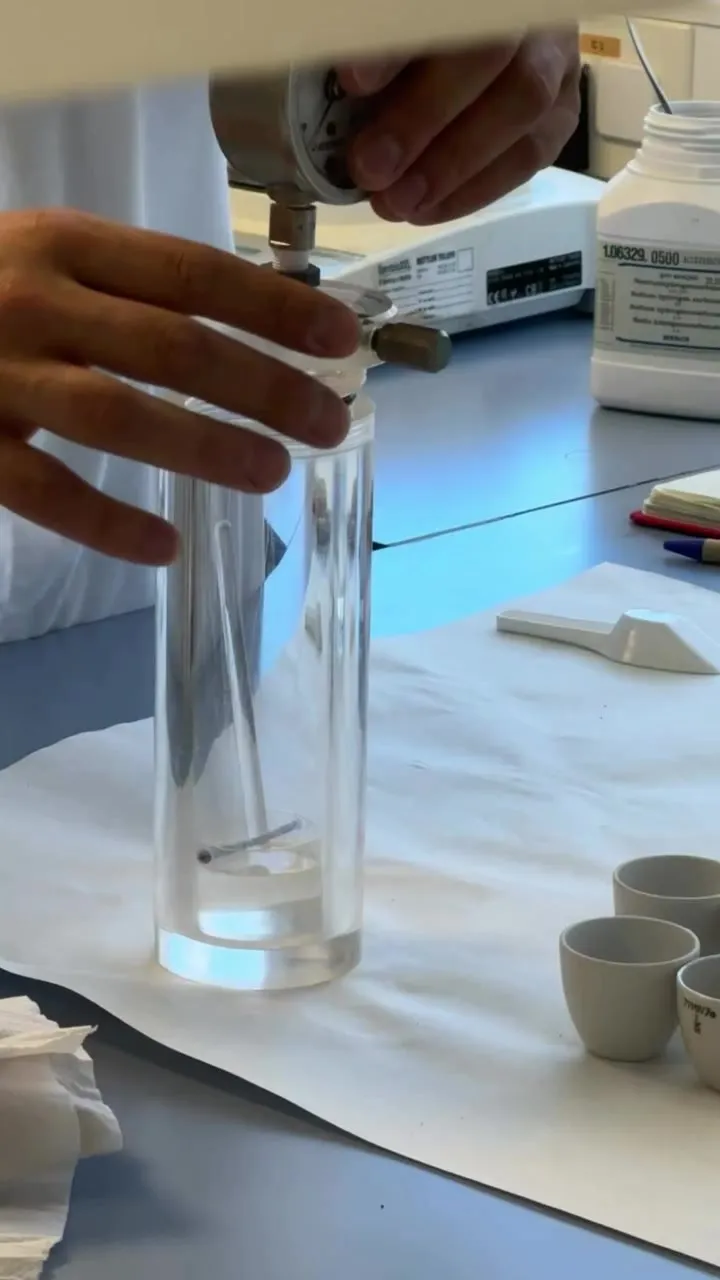
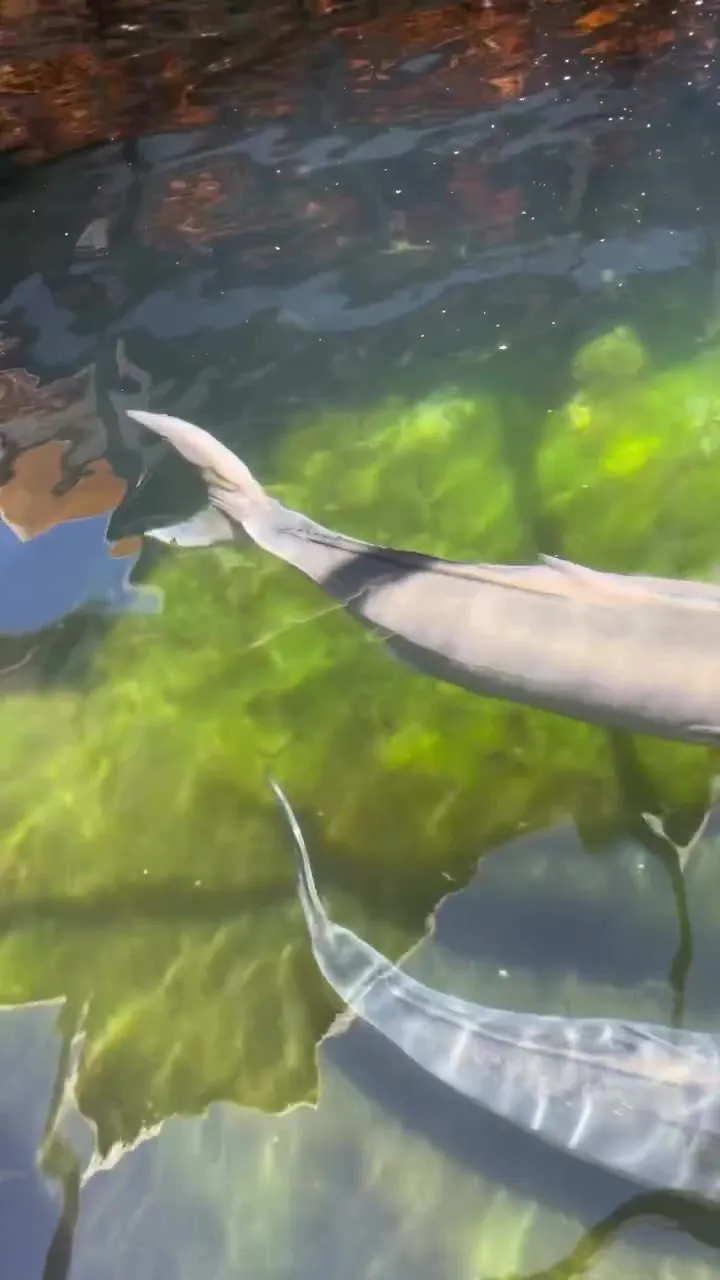
We summed up the tour like this on Instagram: “We had the chance to get up close with the morphology of different fish species, to better understand reproduction processes, to get to know the world of marine algae better, and to observe the behaviour of water.”
Four topics that, seen from a kitchen, are not popular-science curiosities. The morphology of each species explains why a muscle holds up the way it does and why fish maturation works one way in one specimen and another way in the one next to it. Reproduction processes mark the seasons and the condition of the animal when it reaches the crate. Algae are a larder, and they are also the first link in everything else. And the behaviour of water — its temperature, its movement, its load — governs the three before it. Leaving the kitchen to understand this is, for us, part of the craft.
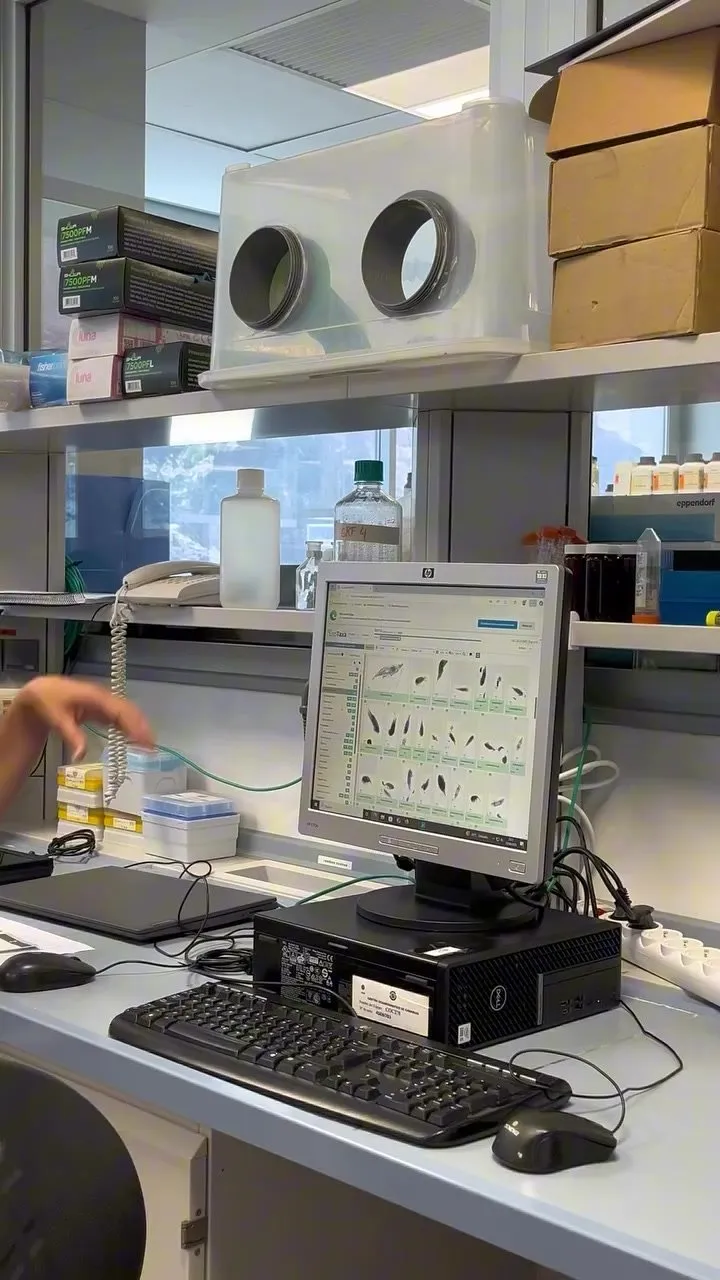
The University of La Laguna, also in the room
Three names from the University of La Laguna joined the visit: Pedro Pascual, Enrique Lozano and Elicio Xumet, whom we thanked in the post because their “company and contributions made the experience even more enriching”. Of the three, the ULL’s Portal Ciencia identifies Enrique Lozano Bilbao as an assistant lecturer in the Department of Animal Biology, Edaphology and Geology.
That crossing of institutions is no coincidence. The visit was possible, as we wrote at the time, thanks “to our multidisciplinary team @gastrosinapsis and Move&Health Lab”. Gastrosinapsis, which Diego co-founded, is exactly that: a multidisciplinary research team that brings together science and gastronomy, with the institutional support of the Cabildo de Tenerife, the Ayuntamiento de Arona, the IPNA-CSIC of Tenerife, the Spanish Institute of Oceanography and the ICIA. The Oceanographic Centre was, therefore, no unfamiliar door: the relationship with the IEO goes back a long way, to that visit to the Spanish Institute of Oceanography in Santa Cruz, in 2020.
What we took away
Back in the kitchen, what remained was the usual thing after a day like this: new questions and a list of things to try. Diego put it in writing at the close of the post, and we sign up to it entirely: the day served “to keep driving spaces of connection between science, health and sustainability”.
We’re also left with the thanks, which was the point of the video: “We’ve had the chance to visit the Canary Islands Oceanographic Centre and we want to thank its great director, Chechu Arrieta, for opening the doors to us and guiding us on a visit that has been truly inspiring”. And to the centre’s human team, who, in the words of that day, “shared all their knowledge and passion with us”.
Everything about the VI Encuentro de los Mares in Tenerife: ocean and health
Visit to the Spanish Institute of Oceanography in Santa Cruz de Tenerife