The Science behind Meat Maturation: A Gastronomic and Molecular Journey
- Published
- Section
- Projects
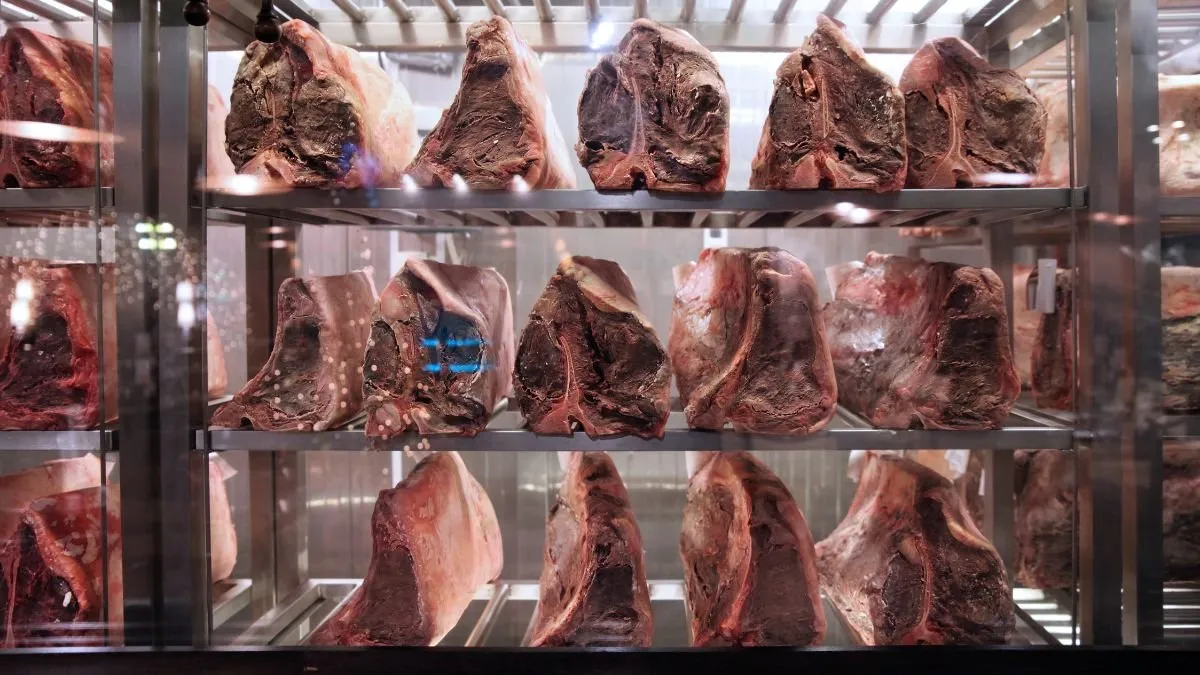
In the world of fine dining, meat maturation has become an art backed by science. As an innovative chef and advocate of avant-garde culinary techniques, I have spent years researching and perfecting this fascinating process. In this article, we will explore the molecular secrets that transform a piece of meat into a sublime gastronomic experience. Discover the science behind meat maturation with chef Diego Schattenhofer. Explore the molecular processes that transform flavours and textures in fine dining.
Gastronomic Innovation in Goat Products: The Evolution of Goat in Canarian Cuisine
My passion for innovation has led me to experiment with unique ingredients such as Canarian goat meat, applying maturation techniques to raise its organoleptic qualities to unsuspected levels. This journey of discovery has not only enriched my cooking at Taste 1973, but has also opened new frontiers in Spanish gastronomy.
What Is Meat Maturation?
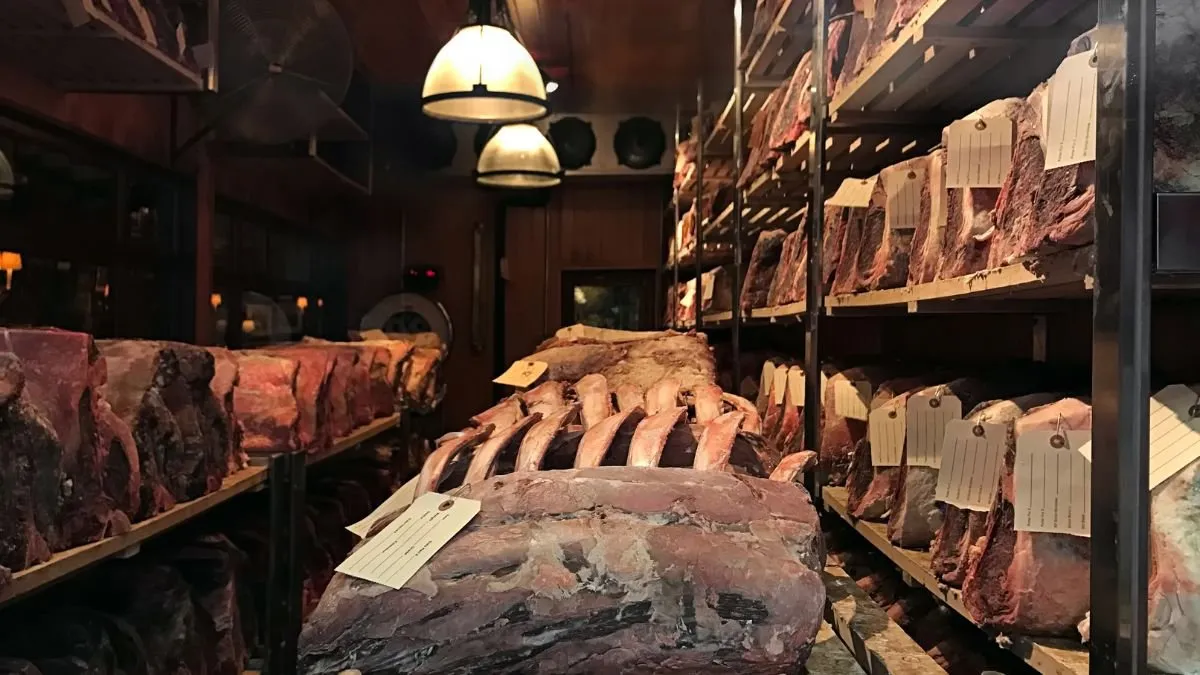
Meat maturation is a controlled ageing process that significantly improves tenderness and flavour. There are two main methods:
- Dry ageing: The meat is hung in a controlled environment, allowing moisture to evaporate and flavours to concentrate.
- Wet ageing: The meat is vacuum-packed and matures in its own juices, favouring enzymatic action.
Both methods aim to improve the meat’s sensory appreciation, a crucial aspect of fine dining.
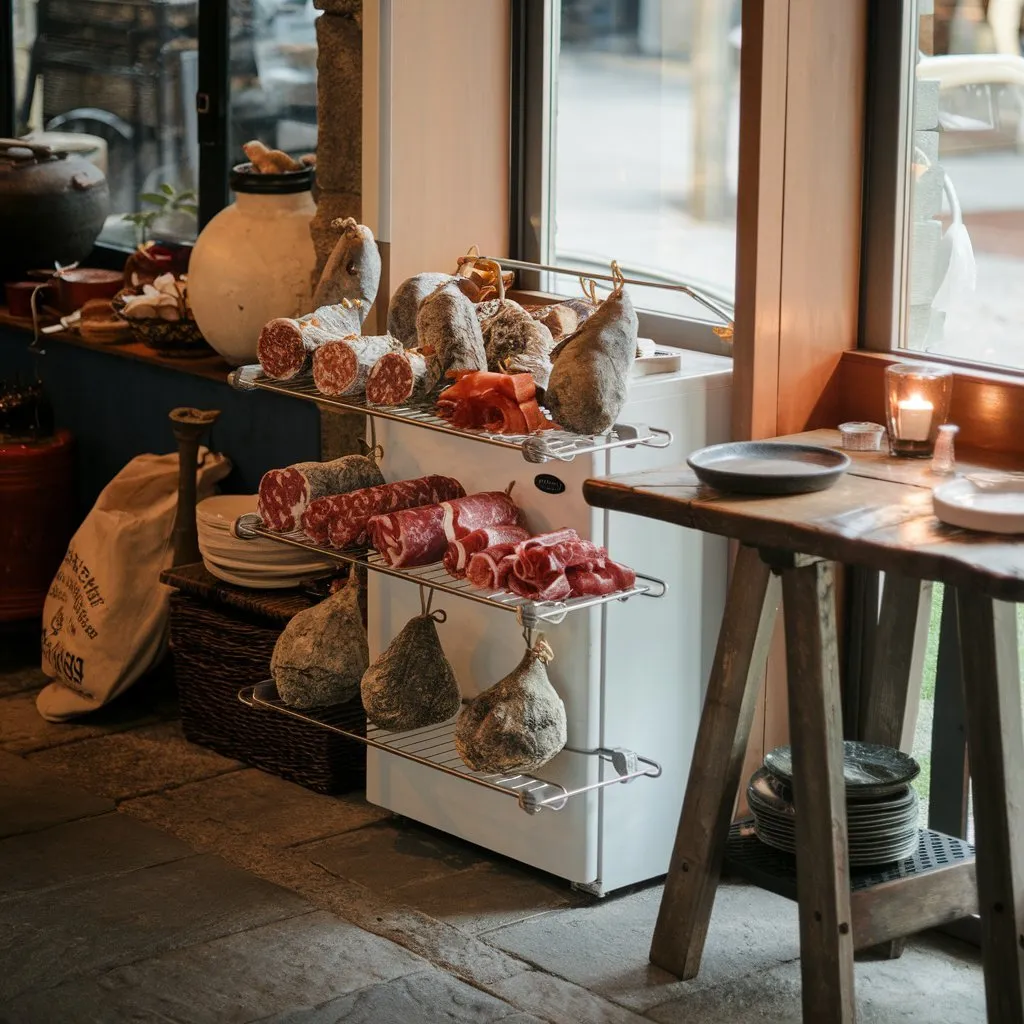
The Biochemical Process of Maturation
The magic of maturation happens at a molecular level. During this process, the meat’s natural enzymes begin to break down muscle proteins, a phenomenon known as proteolysis. This process is responsible for the improvement in tenderness and the development of complex flavours.
| Maturation Stage | Biochemical Changes | Effect on the Meat |
|---|---|---|
| Initial (1-7 days) | Onset of proteolysis | Slight tenderising |
| Mid (8-21 days) | Breakdown of myofibrillar proteins | Significant increase in tenderness |
| Advanced (22+ days) | Formation of flavour compounds | Development of complex, umami flavours |
Factors Influencing Maturation
The success of maturation depends on several critical factors:
- Temperature: Ideally between 0°C and 4°C to prevent bacterial growth.
- Humidity: In dry ageing, kept between 80-85% to control weight loss.
- Time: Varies according to the type of meat, from 14 days to several months.
- Meat quality: Well-marbled cuts mature better.
Goat Butter: A Gourmet Product Revolutionising Canarian Cuisine
Organoleptic Changes during Maturation
During maturation, the meat undergoes significant changes in its sensory profile:
- Flavour: Development of deeper, more complex notes.
- Texture: Marked increase in tenderness.
- Aroma: Intensification of the meat’s characteristic aromas.
- Colour: Gradual darkening, especially in dry ageing.
The Science of Umami in Matured Meats
Umami, known as the fifth taste, plays a crucial role in the flavour profile of matured meats. During maturation, there is an increase in glutamate compounds, responsible for the umami sensation. This explains why matured meats have a deeper, more satisfying flavour.
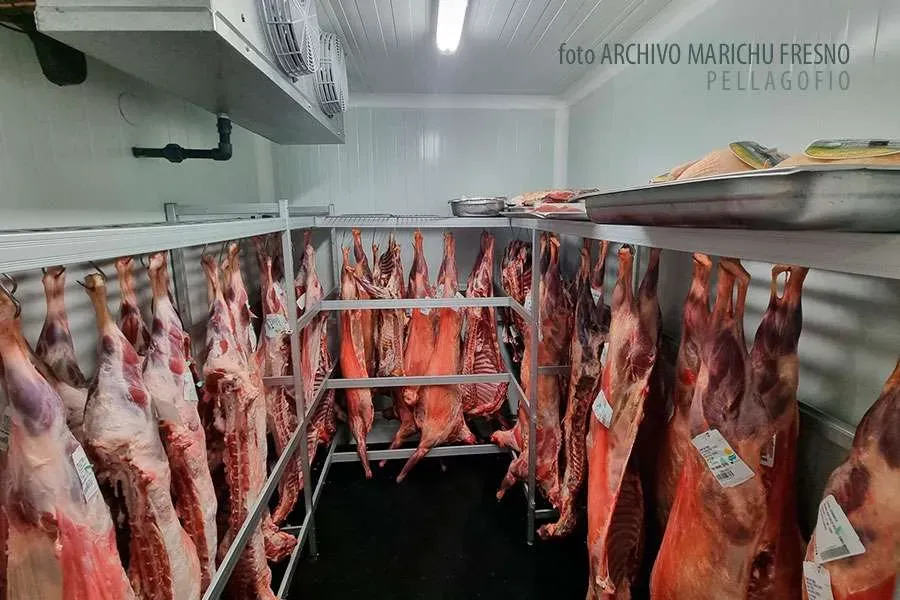
Innovation in Maturation: The Case of Canarian Goat
In my ongoing pursuit of innovation, I have devoted time to researching the maturation of Canarian goat meat. This study on matured goat meat has revealed unique characteristics:
- Higher concentration of healthy fatty acids.
- Development of complex flavours and unique herbaceous aromas.
- Significant improvement in tenderness, exceeding traditional expectations for goat meat.
Maturation Techniques Applied to Canarian Goat
Adapting maturation techniques to Canarian goat meat has required specific adjustments:
- Precise control of temperature and humidity to avoid excessive dryness.
- Shorter maturation times than beef, generally between 14 and 21 days.
- Constant monitoring of water activity (Aw) to ensure food safety.
Food Safety in Meat Maturation
Safety is paramount in the maturation process. Strict protocols must be followed to prevent the growth of pathogens:
- Constant maintenance of low temperatures.
- Rigorous control of relative humidity.
- Regular monitoring of water activity to prevent microbial growth.
- Daily visual inspection to detect any sign of spoilage.
Culinary Applications of Matured Meat
At Taste 1973, we make the most of the qualities of matured meats:
- Gentle cooking techniques to preserve the tenderness gained.
- Pairings with robust red wines or smoky whiskies to complement the intense flavours.
- Minimalist presentations that let the meat take centre stage.
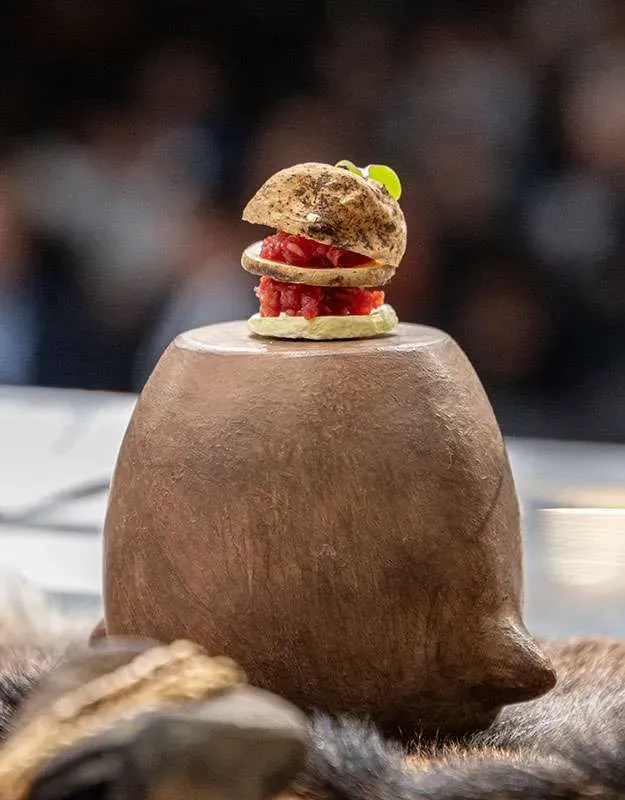
Exclusive Recipe: Matured Canarian Goat Tataki
I share with you one of our signature recipes that showcases the unique qualities of matured goat meat:
Ingredients:
- 400g (14 oz) matured Canarian goat loin
- 50ml (1.7 fl oz) soy sauce
- 30ml (1 fl oz) mirin
- 15ml (0.5 fl oz) sesame oil
- 5g (0.17 oz) grated fresh ginger
- Chopped chives to garnish
Method:
- Sear the piece of goat in a very hot pan on all sides, for approximately 30 seconds per side.
- Cool quickly in an ice-water bath to stop the cooking.
- Mix the soy sauce, mirin, sesame oil and ginger to make the marinade.
- Submerge the meat in the marinade for 2 hours, refrigerated.
- Slice thinly and serve garnished with chopped chives.
This dish highlights the smooth texture and concentrated flavours of the matured meat, creating a unique gastronomic experience.
Nutritional Benefits of Matured Goat Meat: A Canarian Gastronomic Treasure
The Future of Meat Maturation
Innovation in meat maturation continues to advance. Some trends I am exploring include:
- Ultrasound-assisted maturation to speed up the process.
- Use of probiotic cultures to improve flavour profile and safety.
- Maturation techniques applied to alternative proteins.
In my journey as a chef, the pursuit of excellence through innovation has been a constant. Meat maturation represents a fascinating meeting point between science and gastronomy, allowing us to raise the culinary experience to new heights.
I invite all food professionals and culinary enthusiasts to explore the world of meat maturation. Whether you are running a fine-dining restaurant or simply looking to elevate your culinary skills at home, understanding this process will allow you to create truly memorable gastronomic experiences.
Want to experience the magic of matured meat for yourself? Book your table at Taste 1973 and let yourself be surprised by the unique flavours that science and tradition can create together.
Additional Resources
- Calendar of activities and workshops at Taste 1973
- Glossary of gastronomic terms related to goat products
- VI Encuentro de los Mares (Meeting of the Seas): Conference on sustainable culinary innovation
Ready to dive into the world of goat innovation? Contact us for more information about courses, tastings and unique gastronomic experiences at Taste 1973.