Whole-Animal Use of the Canarian Goat: Resources, Uses and Sustainable Development
- Published
- Section
- Canarian gastronomy
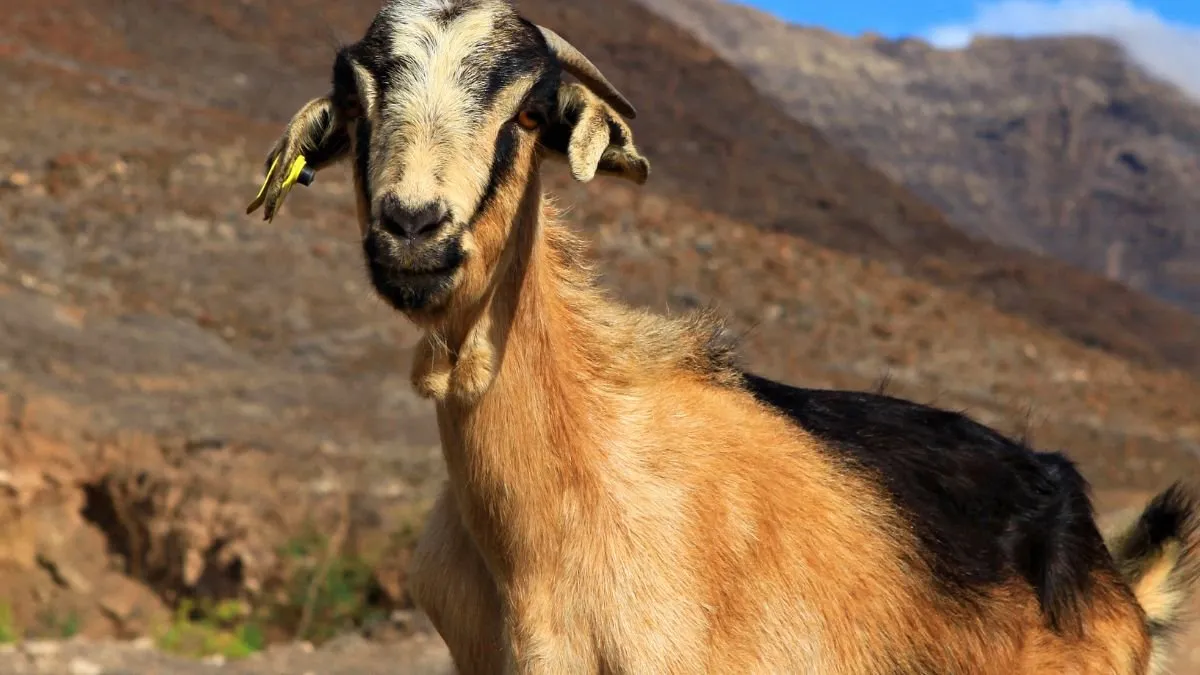
At the heart of Canarian gastronomy, the goat has for centuries been a fundamental pillar of local culture and economy. Today, in a world seeking sustainable and creative solutions, the whole-animal use of the Canarian goat presents a unique opportunity to revolutionise cooking and honour our culinary roots.
The Philosophy of Whole-Animal Use
Whole-animal use is not just a technique, it is a philosophy that seeks to use every part of the animal in a respectful and creative way. This practice not only reduces waste, but also uncovers new flavours and textures, enriching our culinary palette.
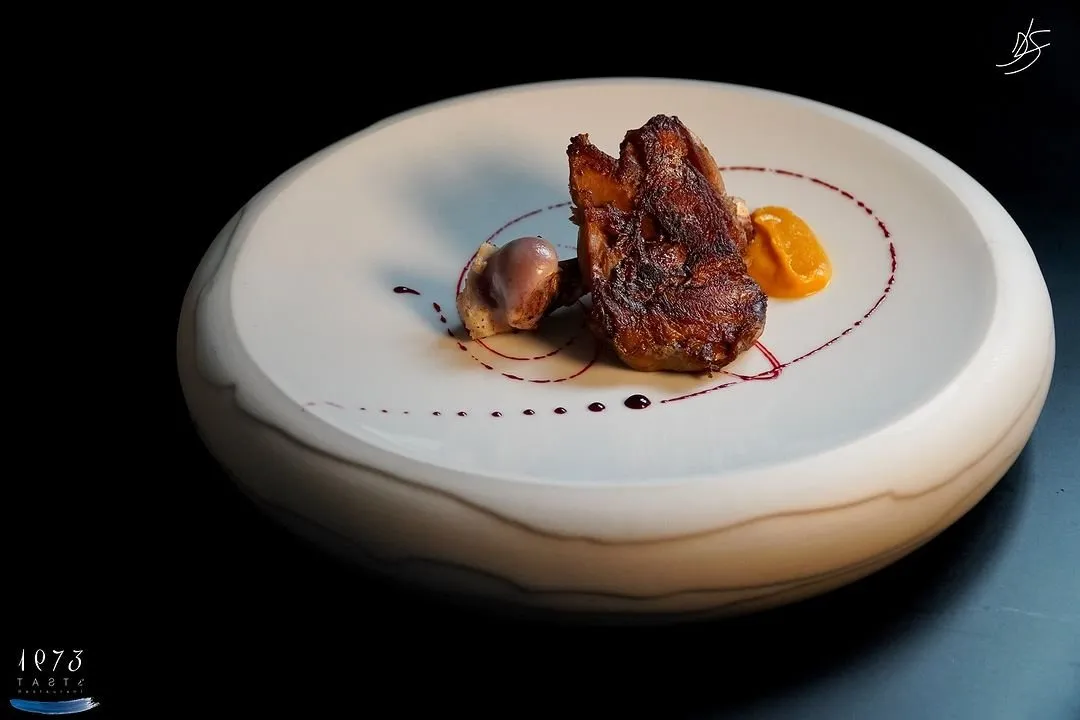
At Taste 1973, our Michelin-starred restaurant, we have adopted this philosophy as a fundamental part of our signature cuisine, fusing tradition and innovation.
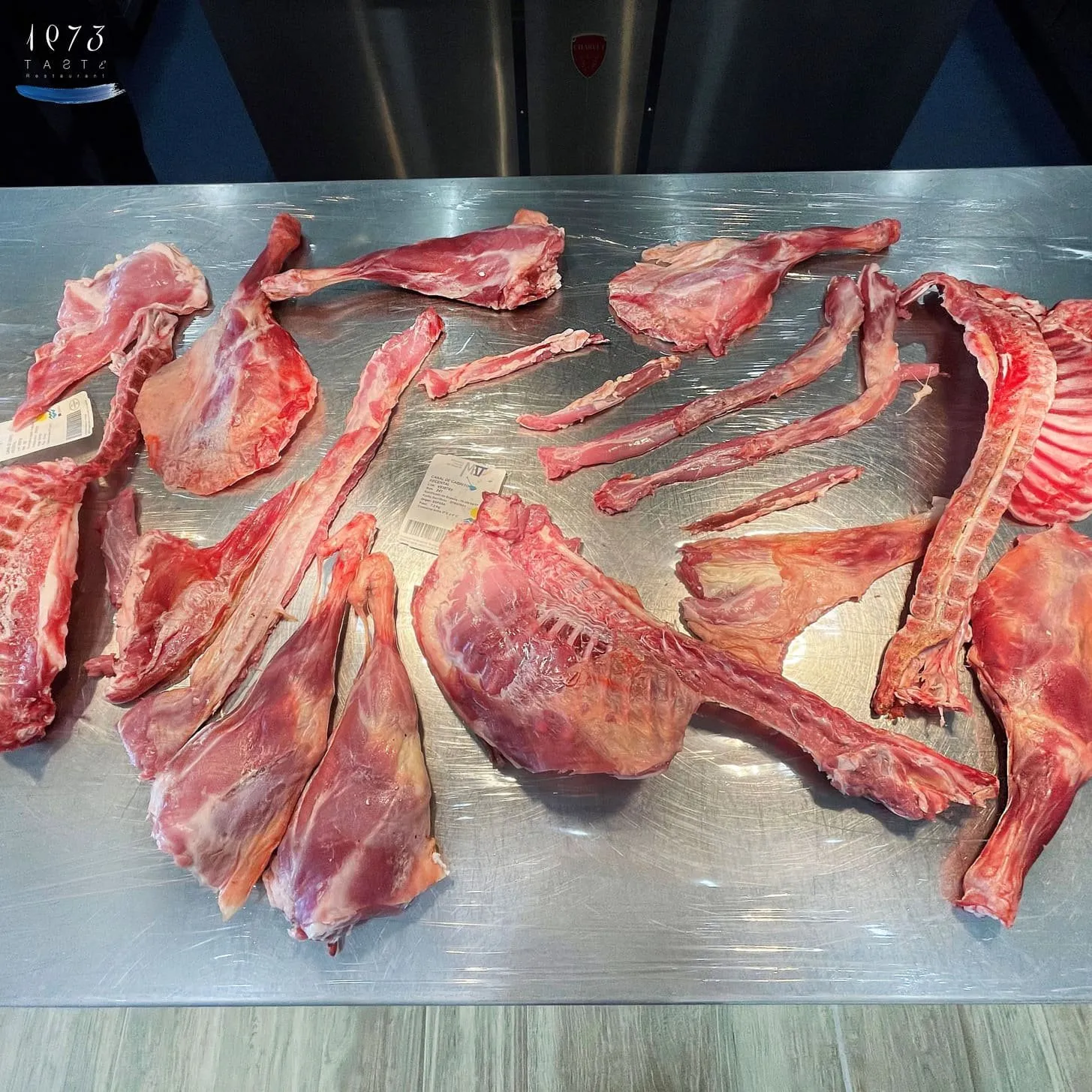
Gastronomic Anatomy of the Canarian Goat
The Meat: The Heart of Whole-Animal Use
Canarian goat meat, known for its intense flavour and unique texture, is the starting point of our gastronomic journey. Our Canarian goat meat maturation techniques have revolutionised the way we appreciate this traditional ingredient.
| Cut | Maturation Technique | Optimal Time |
|---|---|---|
| Leg | Dry maturation | 30-45 days |
| Loin | Wet maturation | 14-21 days |
| Shoulder | Mixed maturation | 21-30 days |
Recipe: Tataki of Matured Goat Loin
- 400g (14 oz) matured goat loin
- 50ml (1.7 fl oz) soy sauce
- 30ml (1 fl oz) mirin
- 15ml (0.5 fl oz) sesame oil
- 5g (0.18 oz) grated ginger
Sear the loin briefly on all sides in a very hot pan. Cool and cut into thin slices. Mix the remaining ingredients to make the sauce and serve alongside the tataki.
Offal: Forgotten Delicacies
Goat offal, often overlooked, is a rich source of nutrients and intense flavours. In our kitchen, we transform these ingredients into gourmet dishes that surprise and delight.
Innovation: Goat Liver Parfait with Prickly Pear Gelée
This dish fuses Canarian tradition with fine-dining techniques, creating a unique tasting experience that pays tribute to our local ingredients.
The Skin: Beyond the Conventional
Goat skin, traditionally used in the preparation of gofio (toasted Canarian grain flour), finds new uses in our kitchen. From crispy crackling to innovative garnishes, the skin becomes a versatile and surprising ingredient.
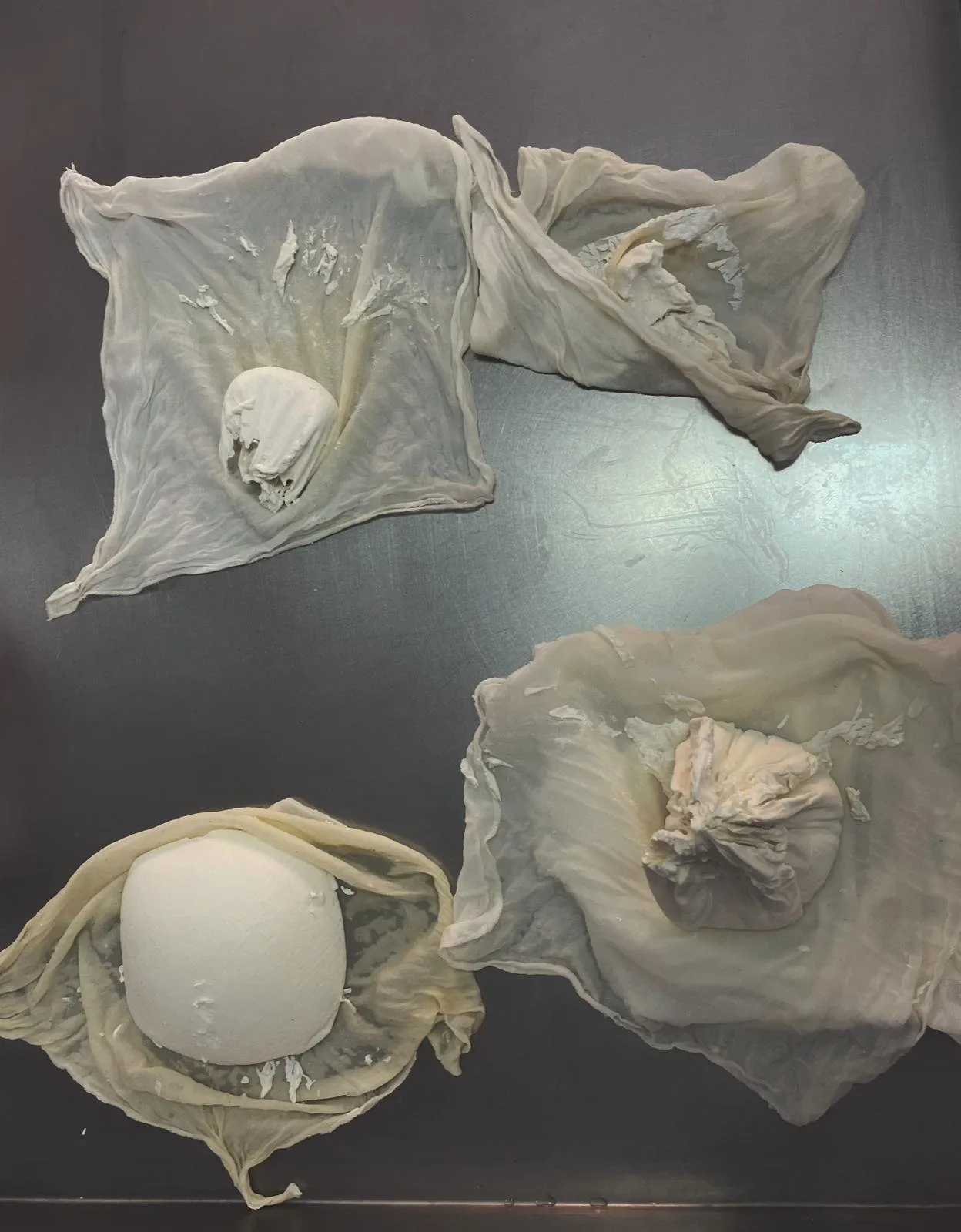
Goat Dairy: A World of Possibilities
Goat dairy products are a treasure of Canarian gastronomy. Our Canarian aboriginal cheese is a perfect example of how tradition can evolve and adapt to contemporary tastes.
What’s more, our innovation in goat butter has opened up new culinary possibilities, offering a unique product with a distinctive flavour and exceptional nutritional properties.
From Field to Table: A Complete Cycle of Use
Our philosophy of whole-animal use begins in the field, working closely with local livestock farmers to ensure sustainable and ethical rearing practices. This collaboration not only improves the quality of our products, but also supports the local economy and preserves the farming traditions of the Canary Islands.
Culinary Innovation with Canarian Goat
At Taste 1973, innovation is our driving force. Our research and development team works constantly on new techniques and flavour combinations that take the Canarian goat to new culinary heights.
Featured Project: Fermented Goat Sausages
Inspired by traditional charcuterie techniques, we have developed a range of fermented goat sausages that offer a new perspective on this ancestral ingredient.
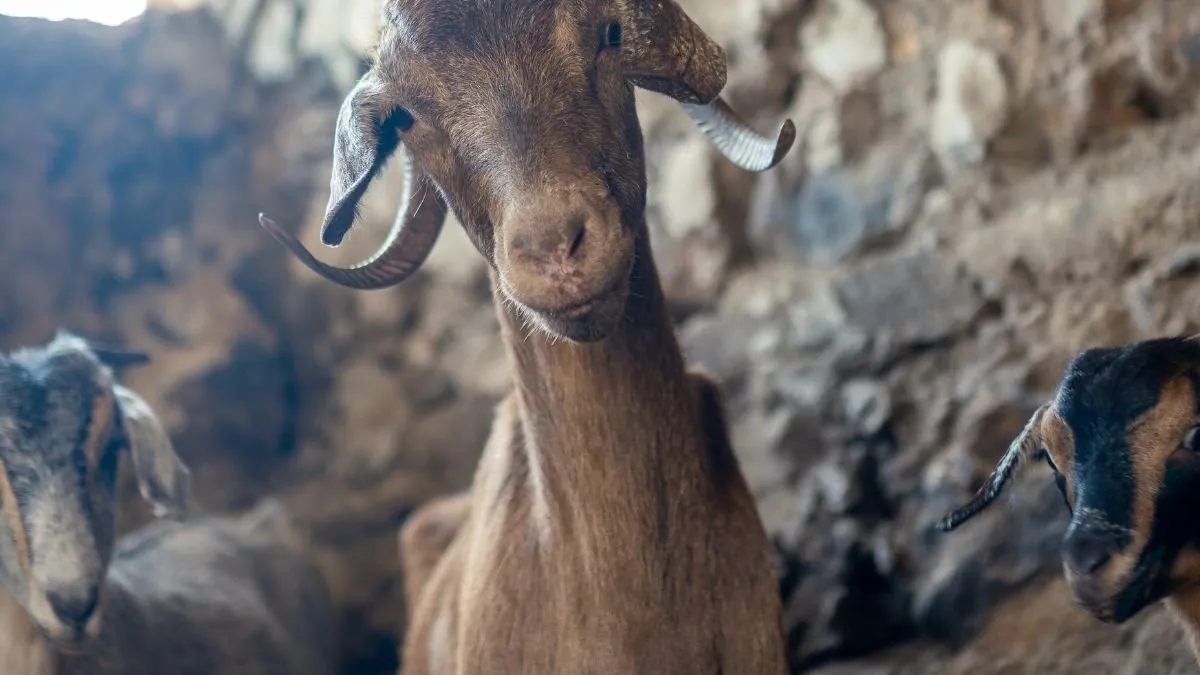
Nutritional Benefits of Whole-Animal Use
Goat meat and its derived products are not only delicious, but also highly nutritious. Our research into the nutritional benefits of matured goat meat has revealed an exceptional nutritional profile, rich in high-quality protein and low in saturated fat.
| Nutrient | Goat Meat (100g) | Beef (100g) |
|---|---|---|
| Calories | 143 | 250 |
| Protein | 27g | 26g |
| Saturated Fat | 0.79g | 6.8g |
Sustainability and the Circular Economy
Whole-animal use of the Canarian goat is not only a culinary practice, but also a model of sustainability. By using every part of the animal, we significantly reduce waste and promote a circular economy that benefits the entire production chain.
The Future of Whole-Animal Use of the Canarian Goat
Our commitment to the whole-animal use of the Canarian goat goes beyond the kitchen. We are involved in various research and development projects that seek to expand the possibilities of this versatile ingredient.
What’s more, through our workshops and educational activities, we aim to inspire the next generation of chefs and cooking enthusiasts to explore and innovate with local ingredients and sustainable techniques.
Conclusion: A Sustainable Gastronomic Legacy
The whole-animal use of the Canarian goat is more than a culinary trend; it is a movement that honours our roots, promotes sustainability and pushes the boundaries of gastronomic creativity. At Taste 1973 and through our educational and research initiatives, we remain committed to the evolution and preservation of this culinary treasure.
We invite you to be part of this gastronomic journey. Whether you are a professional chef, a cooking enthusiast or simply someone interested in sustainable gastronomy, there is a place for you in this culinary revolution. Explore our recipes, take part in our workshops and discover how the whole-animal use of the Canarian goat can transform your approach to cooking and sustainability.
Additional Resources
- Gastro Glossary: Key terms related to Canarian gastronomy and whole-animal use.
- Culinary Innovation in Goat Products: Find out more about our research and development projects.
- History and Tradition of the Canarian Goat: Delve deeper into the cultural roots of this emblematic ingredient.
You may also like
Wine Pairing with Matured Goat Meat: A Canarian Gastronomic Experience
Canarian gastronomy
History of Goat Farming in the Canary Islands: A Thousand-Year Legacy
Canarian gastronomy
Artisan Goat's Milk Cheeses: Unique Flavours from the Canary Islands
Canarian gastronomy