Wine Pairing with Matured Goat Meat: A Canarian Gastronomic Experience
- Published
- Section
- Canarian gastronomy
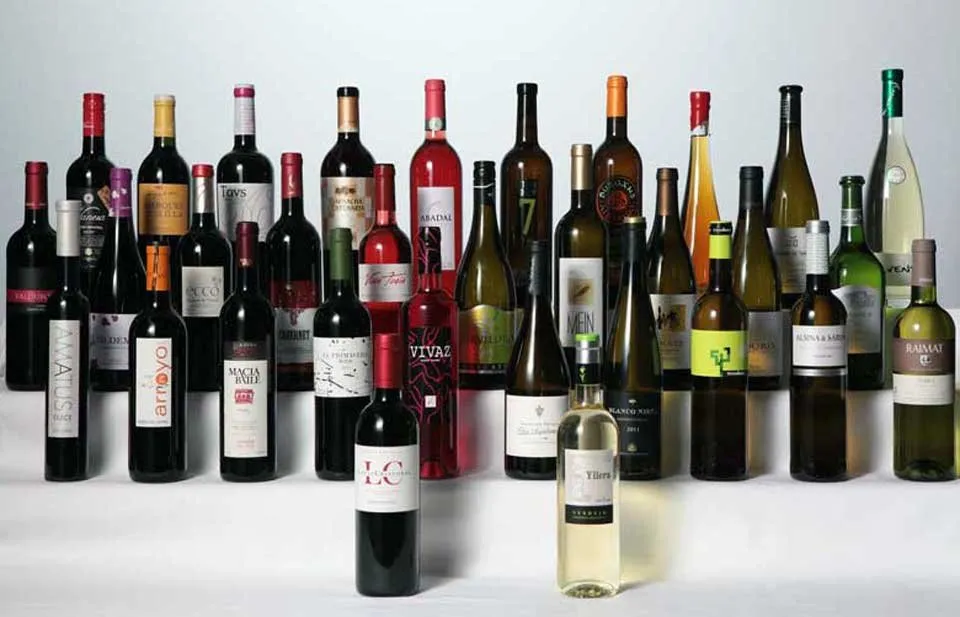
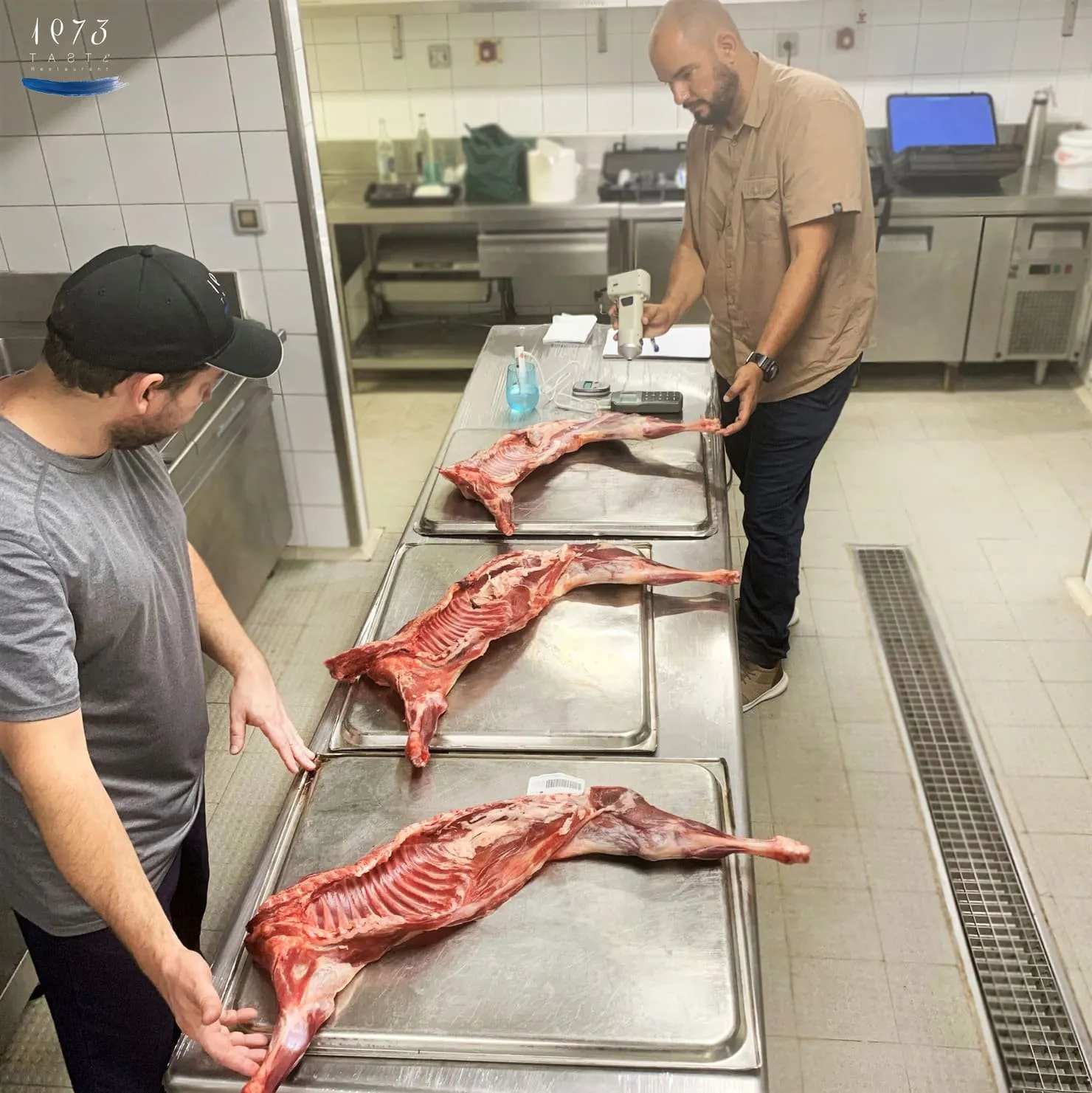
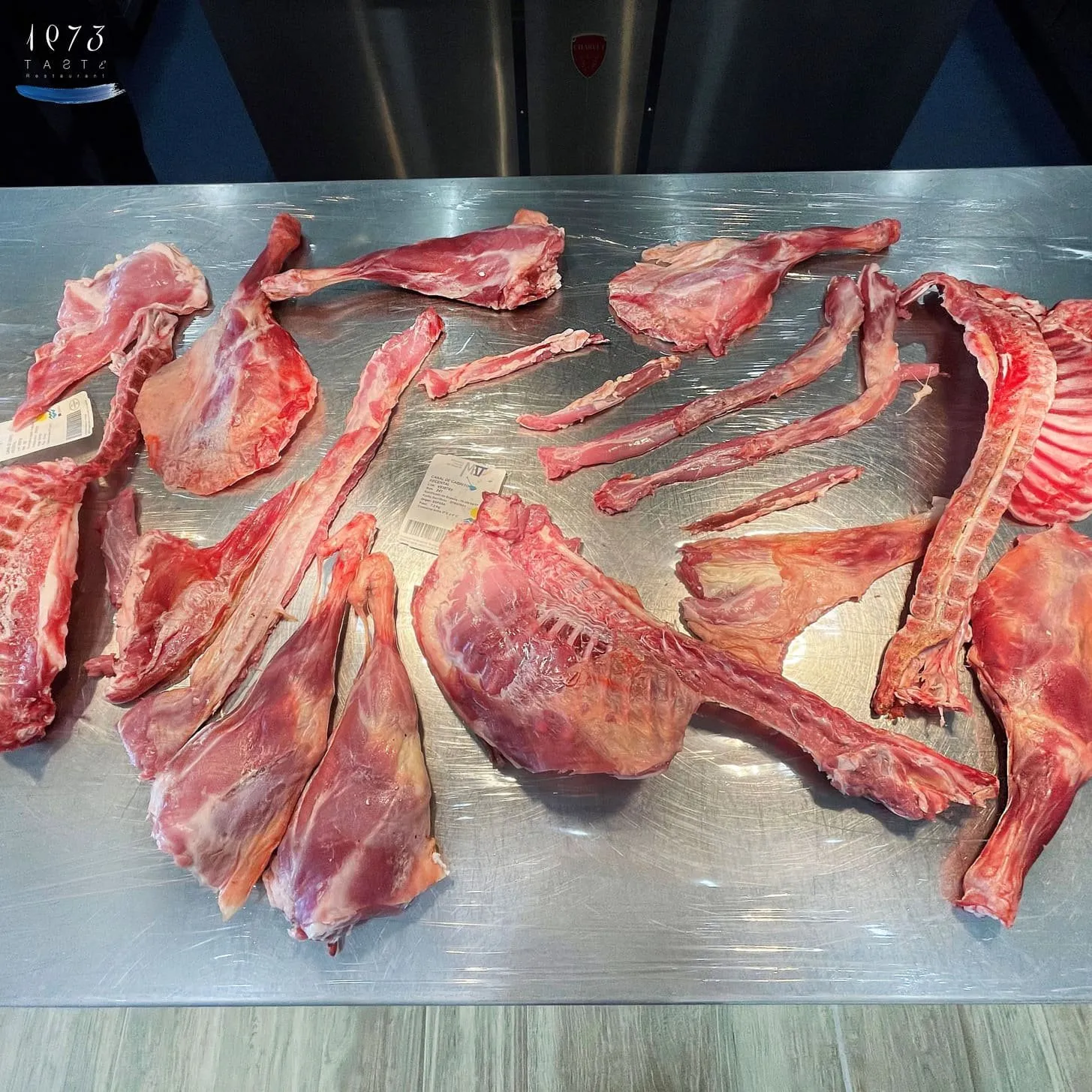
Wine pairing with matured goat meat is a unique culinary experience that celebrates the gastronomic richness of the Canary Islands. This pairing not only brings out the intense flavours of the meat, but also showcases the diversity of Canarian wines.
In this article, we will explore how to create perfect harmony between local wines and dishes made with matured goat meat, a speciality that has gained recognition thanks to pioneers such as chef Diego Schattenhofer.
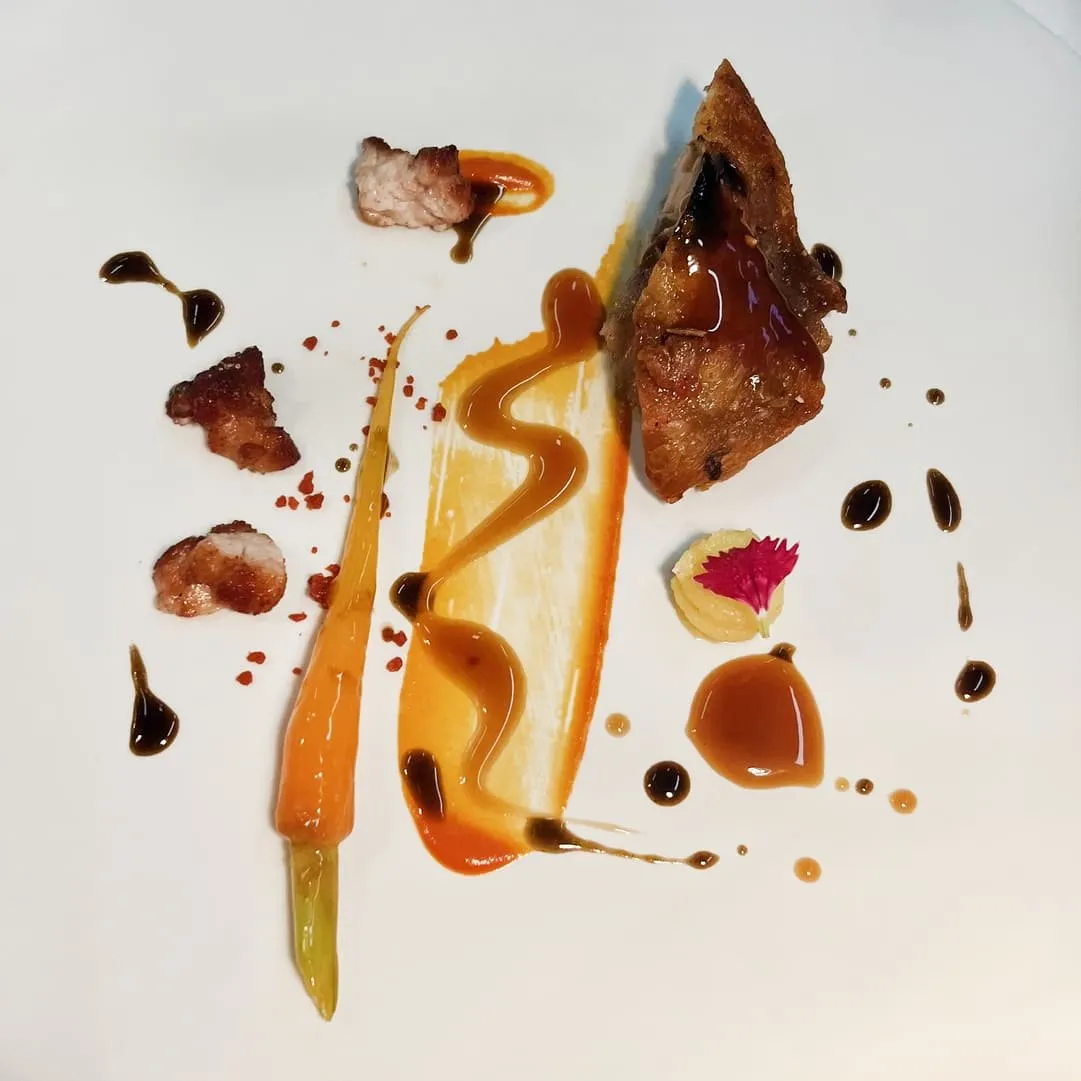
Matured Goat Meat: A Canarian Delicacy
Unique Characteristics of Matured Goat Meat
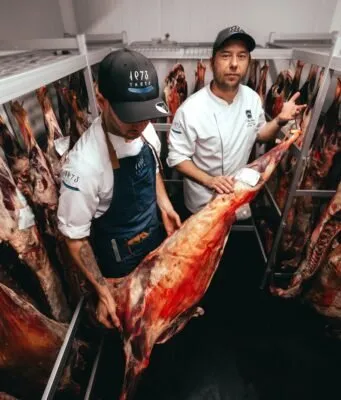
Matured goat meat is known for its:
- Tender, juicy texture
- Intense, complex flavour
- Subtle notes of nuts and herbs
These qualities make it an exciting challenge for wine pairing.
Nutritional Benefits
Beyond its exquisite flavour, matured goat meat offers numerous nutritional benefits, including:
- High protein content
- Low in saturated fat
- Rich in essential vitamins and minerals
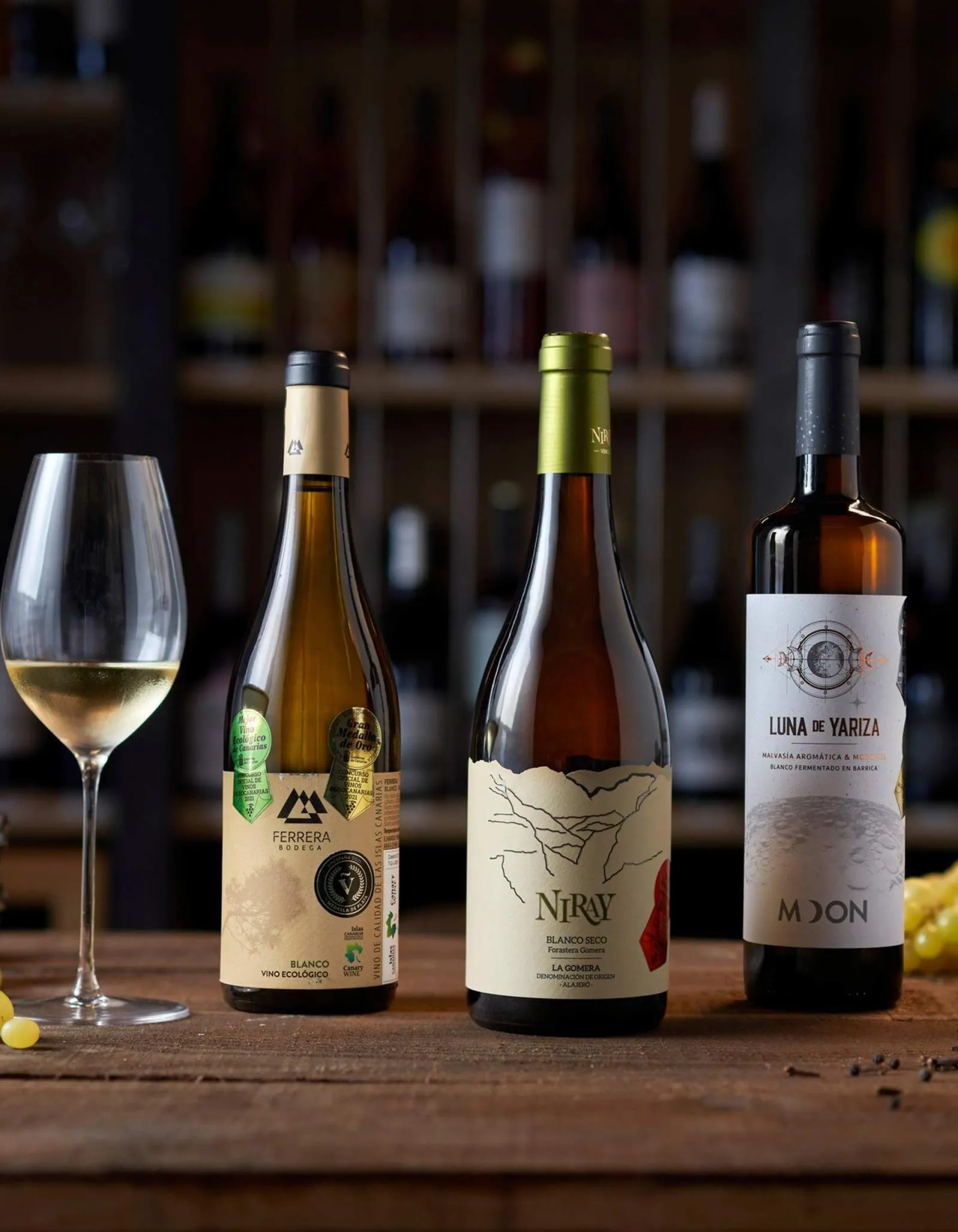
Canarian Wines: A Palette of Island Flavours
Diversity of Local Varieties
The Canary Islands have a rich winemaking tradition, with unique varieties such as:
- Listán Negro
- Negramoll
- Malvasía Volcánica
Each of these grape varieties brings distinctive characteristics that can complement the different cuts and preparations of matured goat meat.
The Influence of Volcanic Terroir
The volcanic soil and unique climate of the islands give Canarian wines:
- Pronounced minerality
- Balanced freshness and acidity
- Aromatic complexity
These characteristics make them ideal for pairing with robust dishes such as matured goat meat.
Pairing Principles: Wine and Goat Meat
Balance of Flavours
When pairing wines with matured goat meat, we look to:
- Complement the intensity of the meat
- Enhance the flavours without overpowering them
- Create a harmonious tasting experience
Key Considerations
Some factors to bear in mind are:
- The method of preparing the meat
- Sauces or accompaniments
- The wine’s serving temperature
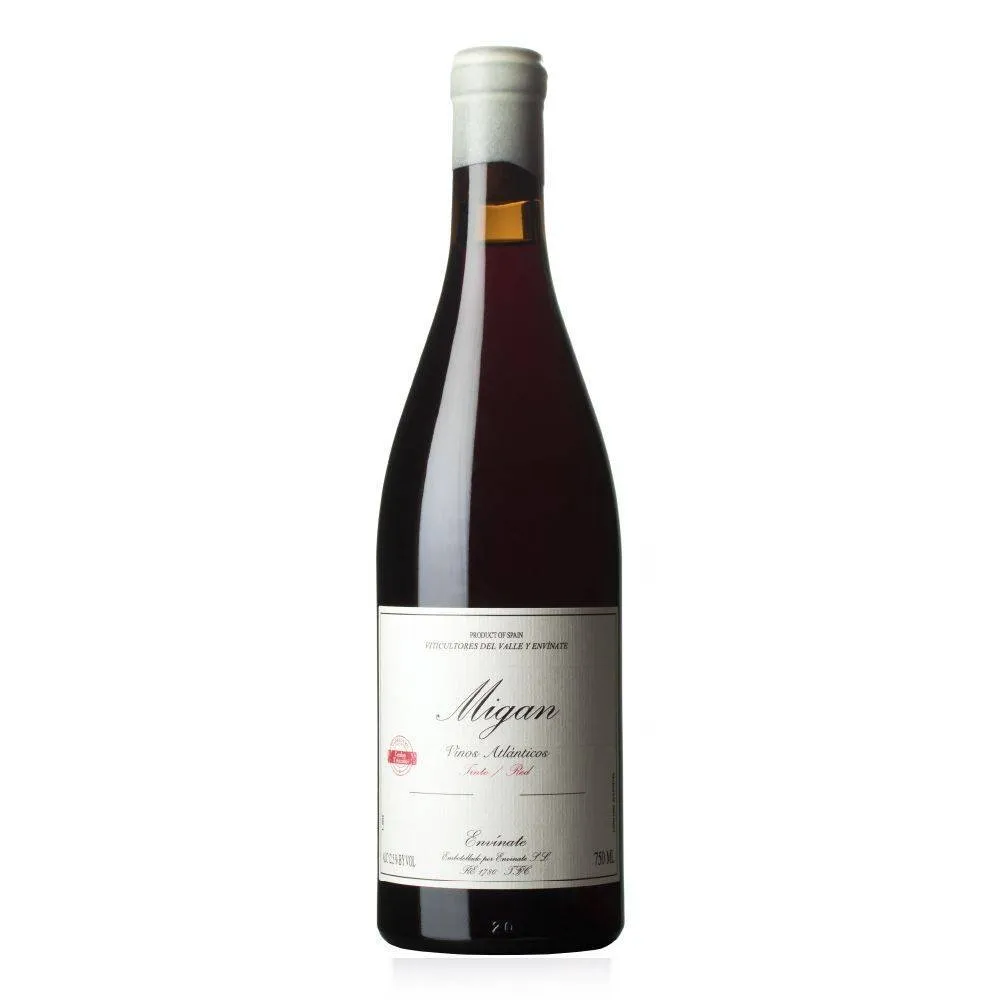
Recommended Pairings
| Type of Wine | Variety | Goat Meat Preparation | Pairing Notes |
|---|---|---|---|
| Robust Red | Listán Negro (Tenerife) | Roasted matured leg | Soft tannins complement the intensity of the meat |
| Full-Bodied Red | Baboso Negro (El Hierro) | Chargrilled ribs | A full-bodied structure that stands up to the pronounced flavours |
| Aromatic White | Malvasía Volcánica (Lanzarote) | Matured goat carpaccio | Freshness and mineral notes contrast with the unctuousness |
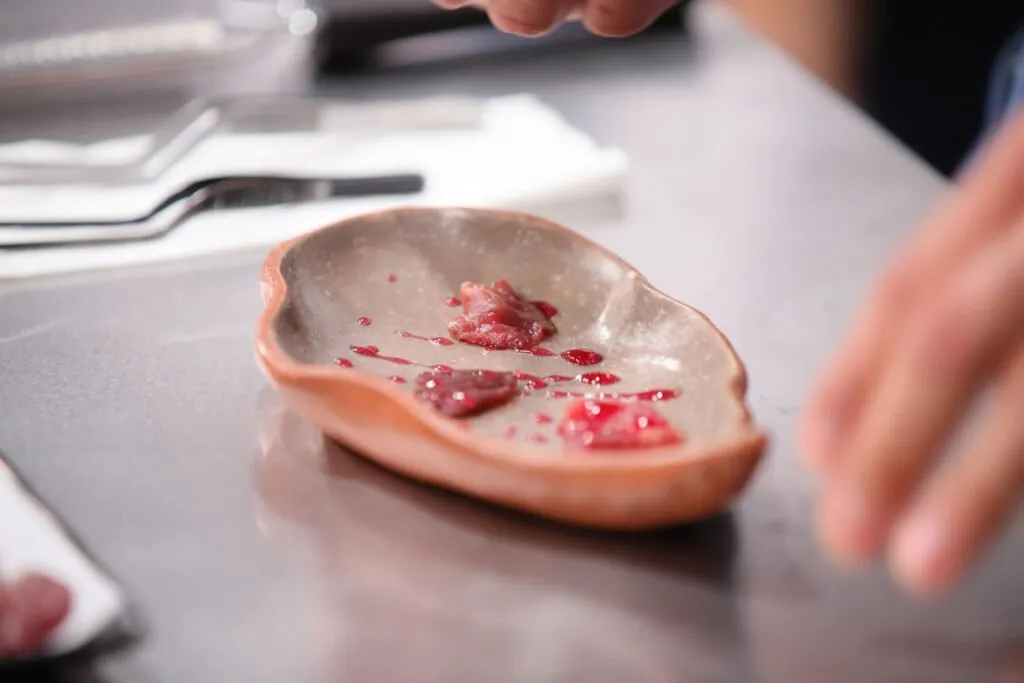
| High-Acidity White | Albillo Criollo (La Palma) | Goat tartare | Lively acidity that cleanses the palate between bites |
| Versatile Rosé | Negramoll Rosé | Spiced barbecued goat | Ideal for spiced dishes and chargrilled preparations |
Robust Reds for Intense Cuts
For more heavily matured cuts of goat meat, we recommend:
- Listán Negro from Tenerife: Its soft tannins and red fruit notes complement the intensity of the meat.
- Baboso Negro from El Hierro: Offers a full-bodied structure that stands up to the pronounced flavours of matured meat.
Aromatic Whites for Lighter Preparations
For lighter dishes or goat carpaccios, we opt for:
- Malvasía Volcánica from Lanzarote: Its freshness and mineral notes contrast with the unctuousness of the meat.
- Albillo Criollo from La Palma: Brings a lively acidity that cleanses the palate between bites.
Versatile Rosés
Canarian rosés offer a versatile alternative:
- Negramoll Rosé: Ideal for barbecues or spiced goat dishes.
The Experience at Taste 1973
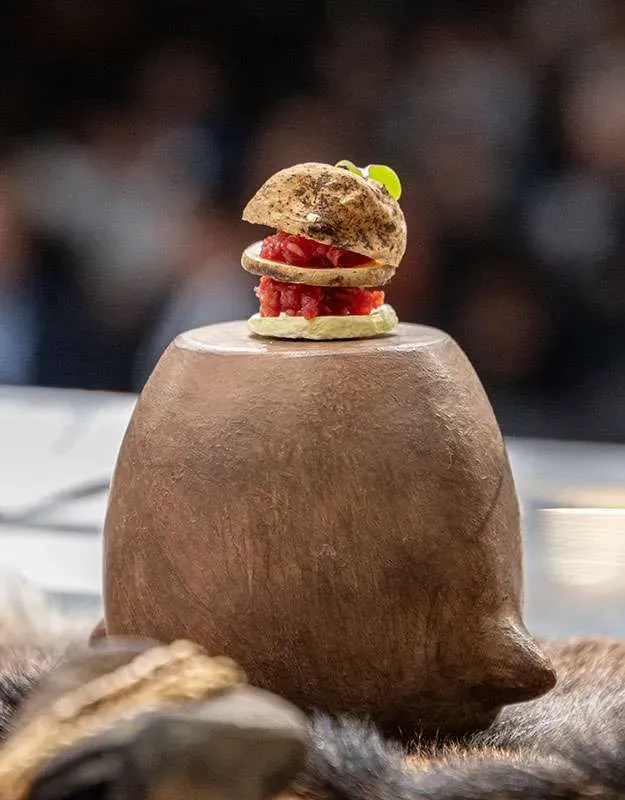
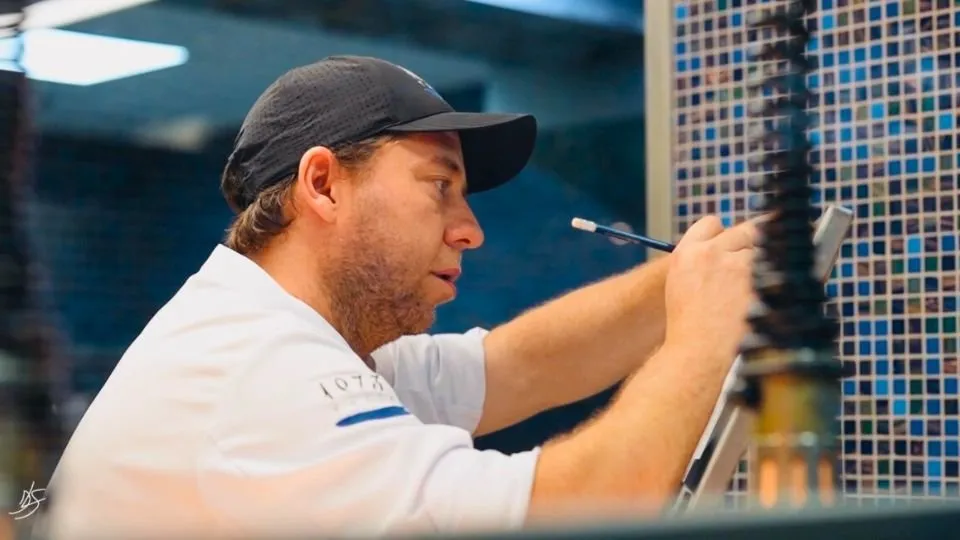
At Taste 1973 restaurant, chef Diego Schattenhofer offers unique pairing experiences:
- Tasting menus that explore different cuts of matured goat
- A careful selection of Canarian wines for each dish
- Detailed explanations of each pairing from the sommelier
Recipe: Matured Goat Medallions with Canarian Red Wine Reduction
Ingredients:
- 4 matured goat meat medallions (150g / 5.3 oz each)
- 250ml / 8.5 fl oz Listán Negro red wine from Tenerife
- 30ml / 1 fl oz extra virgin olive oil
- 2 garlic cloves (10g / 0.35 oz)
- 2 sprigs of fresh thyme
- Salt and pepper to taste
Method:
- Season the medallions with salt and pepper.
- Heat the oil in a pan over a medium-high heat.
- Sear the medallions for 2-3 minutes on each side. Set aside.
- In the same pan, add the chopped garlic and thyme. Cook for 1 minute.
- Add the red wine and reduce by half, about 5-7 minutes.
- Return the medallions to the pan and coat with the reduction.
- Cook over a low heat for a further 2-3 minutes.
- Serve immediately, alongside your favourite Listán Negro wine.
Tips for the Perfect Pairing at Home
- Experiment with different wines and cuts of meat
- Consider the texture and the meat’s level of maturation
- Don’t be afraid to try unconventional combinations
- Adjust the wine’s serving temperature to suit the dish
Conclusion: A Celebration of Canarian Gastronomy
Wine pairing with matured goat meat is more than a simple combination of food and drink; it is a celebration of the rich gastronomic tradition of the Canary Islands. Through this culinary experience, we not only savour exceptional flavours, but also honour the history and tradition of Canarian goat and local winemaking.
We invite lovers of good food, from professional chefs to passionate enthusiasts, to explore these combinations, whether at home or in specialist restaurants such as Taste 1973. Every bite and sip is an opportunity to discover the magic that arises when tradition meets innovation in Canarian cuisine.
To delve deeper into Canarian gastronomy and culinary innovation, be sure to visit the GastroSinapsis section, where you will find more ideas and reflections on the islands’ contemporary cuisine.
You may also like
History of Goat Farming in the Canary Islands: A Thousand-Year Legacy
Canarian gastronomy
Artisan Goat's Milk Cheeses: Unique Flavours from the Canary Islands
Canarian gastronomy
Whole-Animal Use of the Canarian Goat: Resources, Uses and Sustainable Development
Canarian gastronomy