Artisan Goat's Milk Cheeses: Unique Flavours from the Canary Islands
- Published
- Section
- Canarian gastronomy
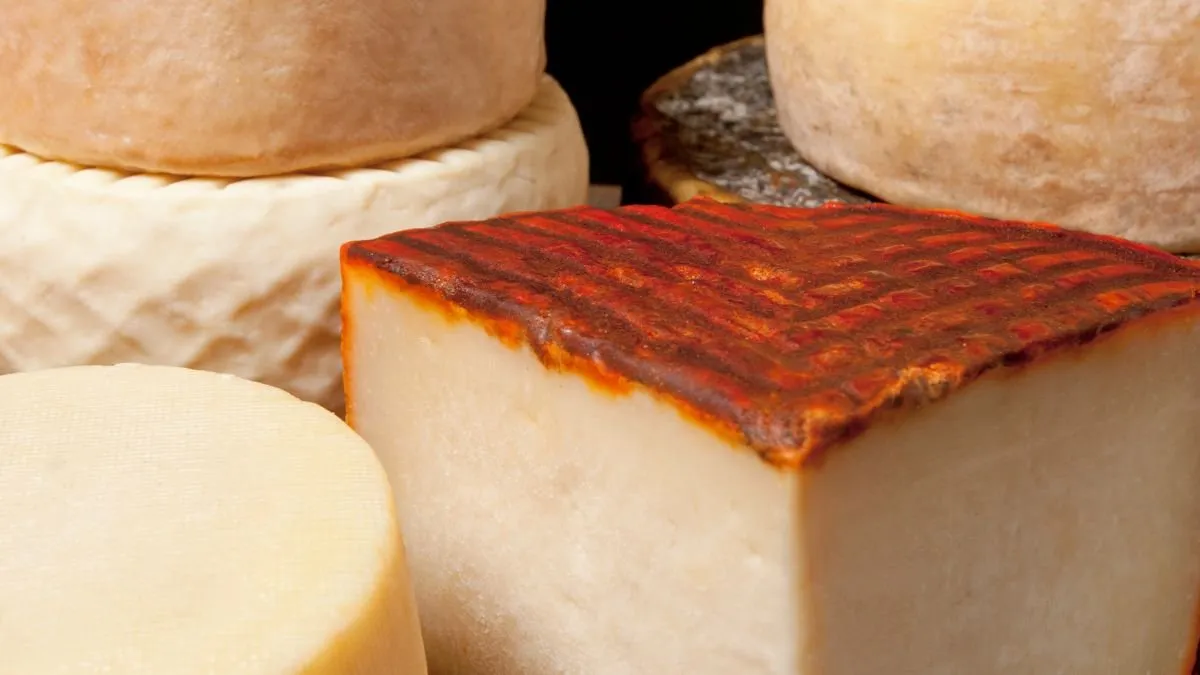
Goat’s milk cheeses are a culinary treasure that reflects the essence of the Canary Islands. As a Michelin-starred chef and a passionate advocate of Canarian cuisine, I have had the privilege of working with these exceptional products at Taste 1973, my restaurant at the Hotel Villa Cortés in Tenerife. Artisan Goat’s Milk Cheeses.
In this article, we explore the rich cheesemaking tradition of the Canary Islands, its most notable varieties and how these cheeses are revolutionising contemporary gastronomy.
Cheesemaking Tradition in the Canary Islands: A Millennia-Old Legacy
Cheesemaking in the Canary Islands dates back to pre-Hispanic times. The Guanches, the archipelago’s ancient inhabitants, already made use of goat’s milk to produce cheese, a tradition that has endured to this day. The Canarian goat, adapted to the islands’ volcanic terrain and climate, produces milk with unique characteristics that translates into cheese of incomparable flavour.
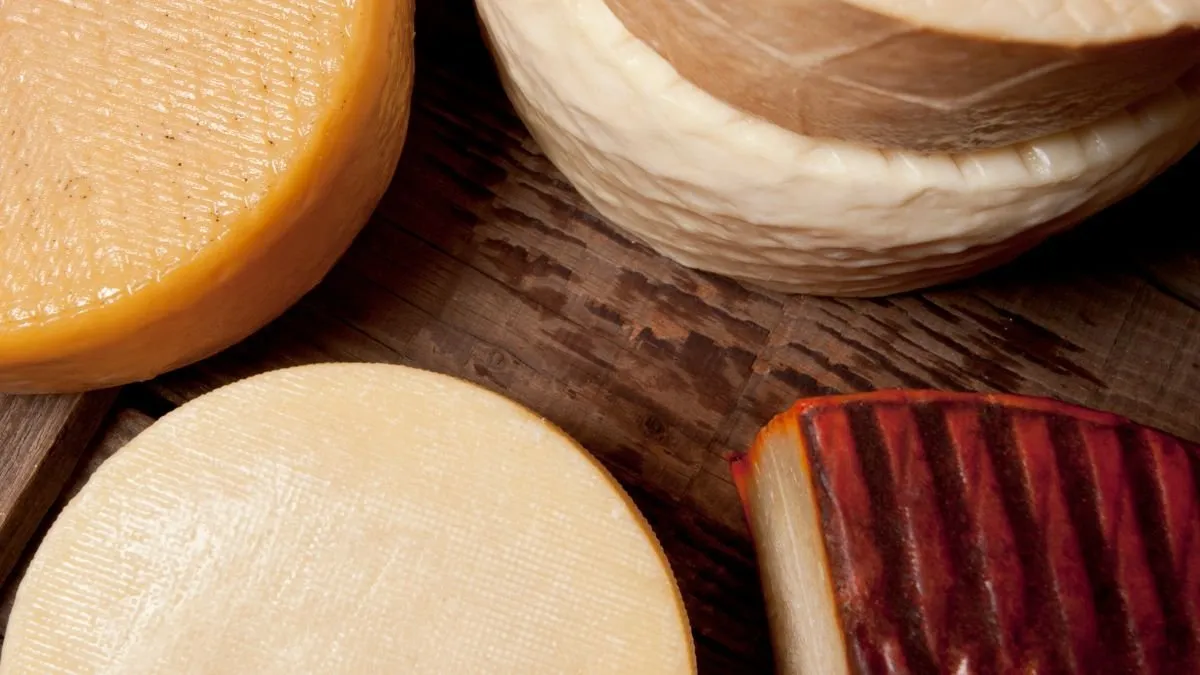
Varieties of Canarian Goat’s Milk Cheese
The Canary Islands boast a diversity of goat cheeses that reflect the particularities of each island. Three Protected Designations of Origin (PDO) stand out, along with other artisan cheeses of great quality:
1. Majorero Cheese PDO
Originating from Fuerteventura, this cheese is characterised by its intense, slightly piquant flavour. Its rind is often coated with paprika or gofio (toasted grain flour), adding extra layers of flavour.
2. Palmero Cheese PDO
Hailing from La Palma, it stands out for its smoky flavour and compact texture. The smoking process using almond shells gives it a distinctive aroma.
3. Flor de Guía Cheese PDO
Made in Gran Canaria, this unique cheese is produced with a blend of sheep’s, cow’s and goat’s milk, using vegetable rennet extracted from the thistle flower.
4. Other Artisan Cheeses
Each island has its own artisan varieties, such as Herreño cheese from El Hierro or fresh cheese from Tenerife, each with unique characteristics that reflect its terroir.
| Cheese | Origin | Characteristics | Maturation |
|---|---|---|---|
| Majorero PDO | Fuerteventura | Intense, slightly piquant flavour | 20 days to 6 months |
| Palmero PDO | La Palma | Smoky, compact texture | 15 days to 3 months |
| Flor de Guía PDO | Gran Canaria | Mild, slightly acidic | 15 to 60 days |
| Herreño | El Hierro | Intense, aromatic | 2 to 4 months |
Artisan Production Process
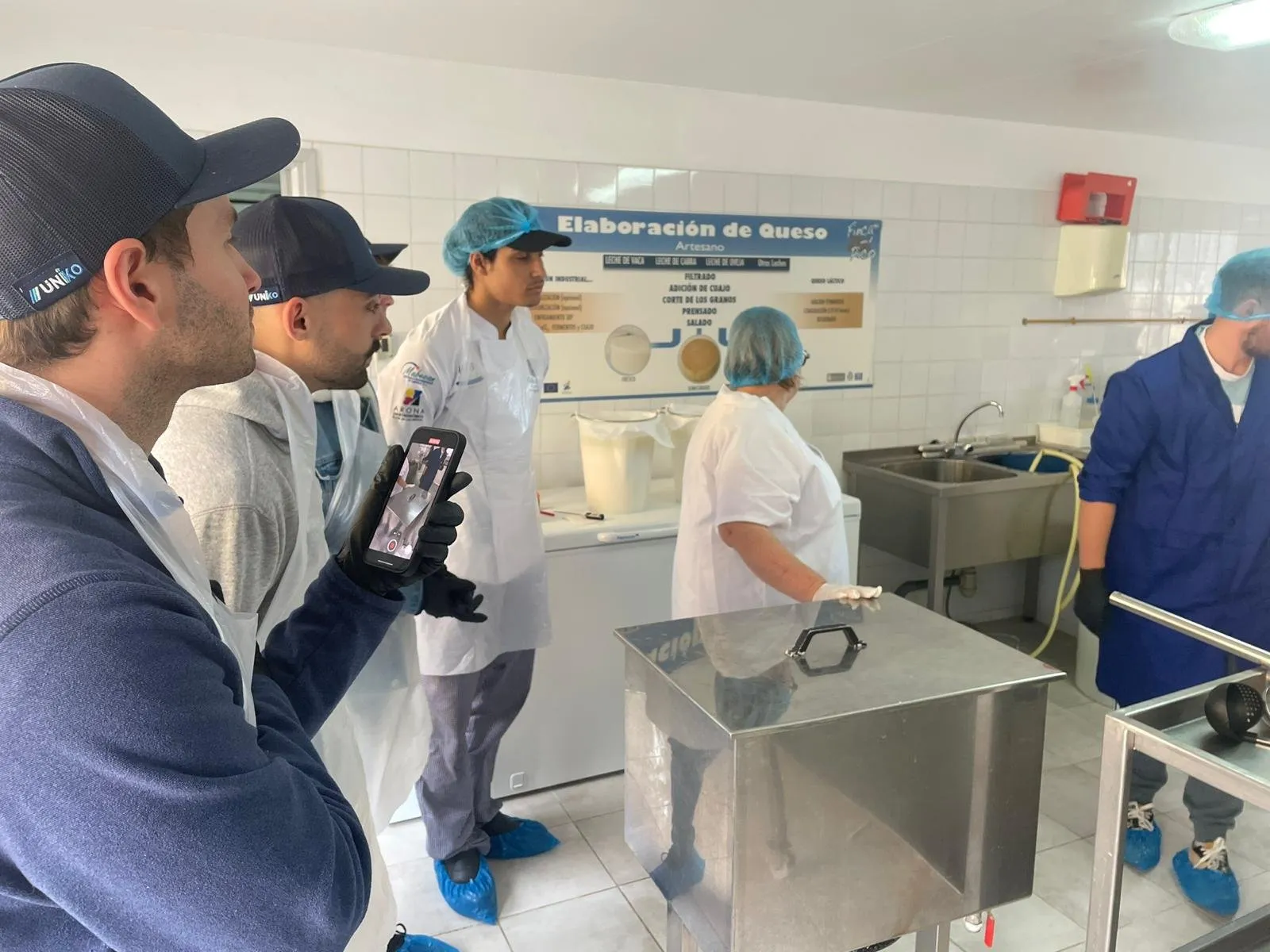
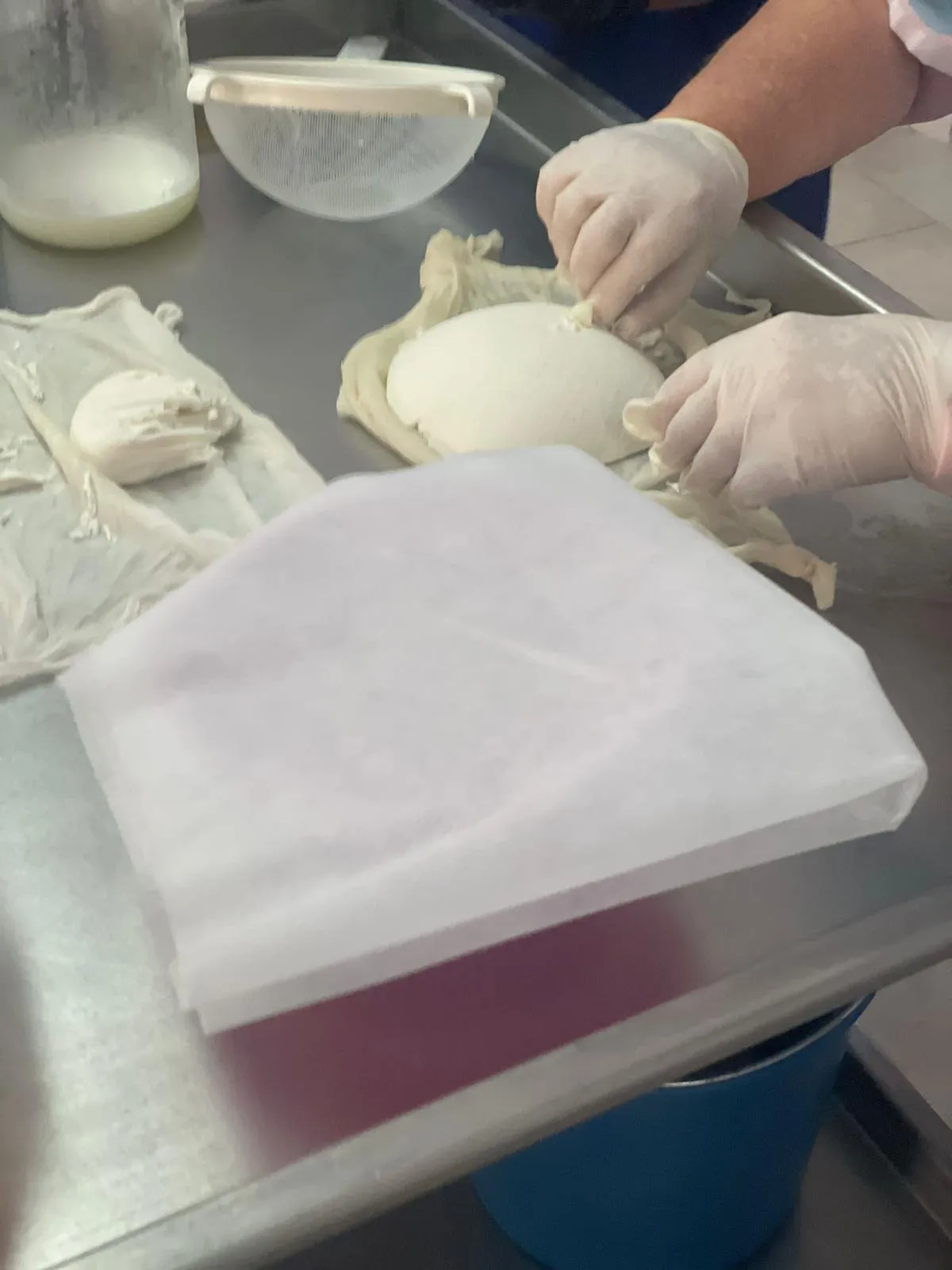
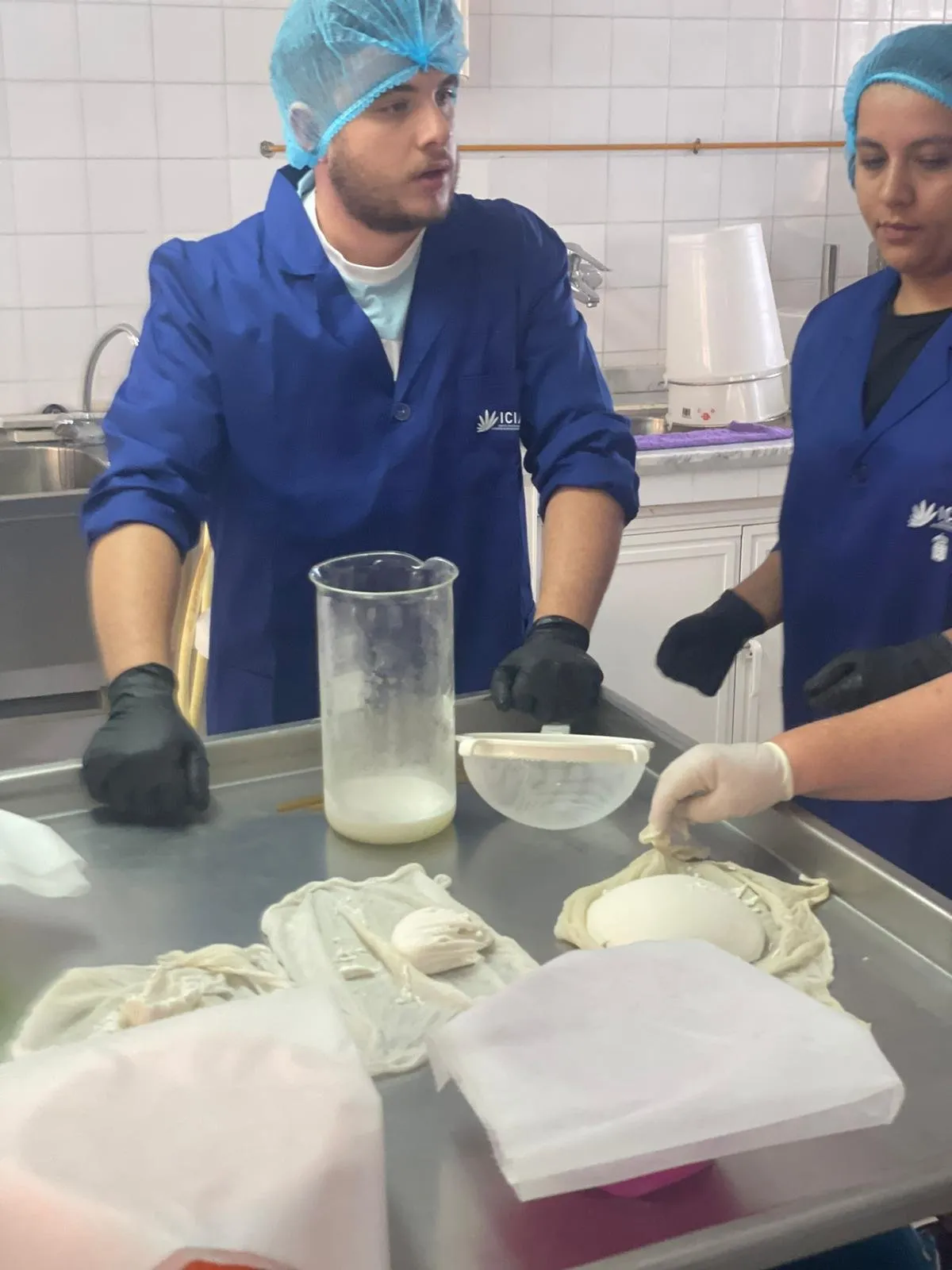
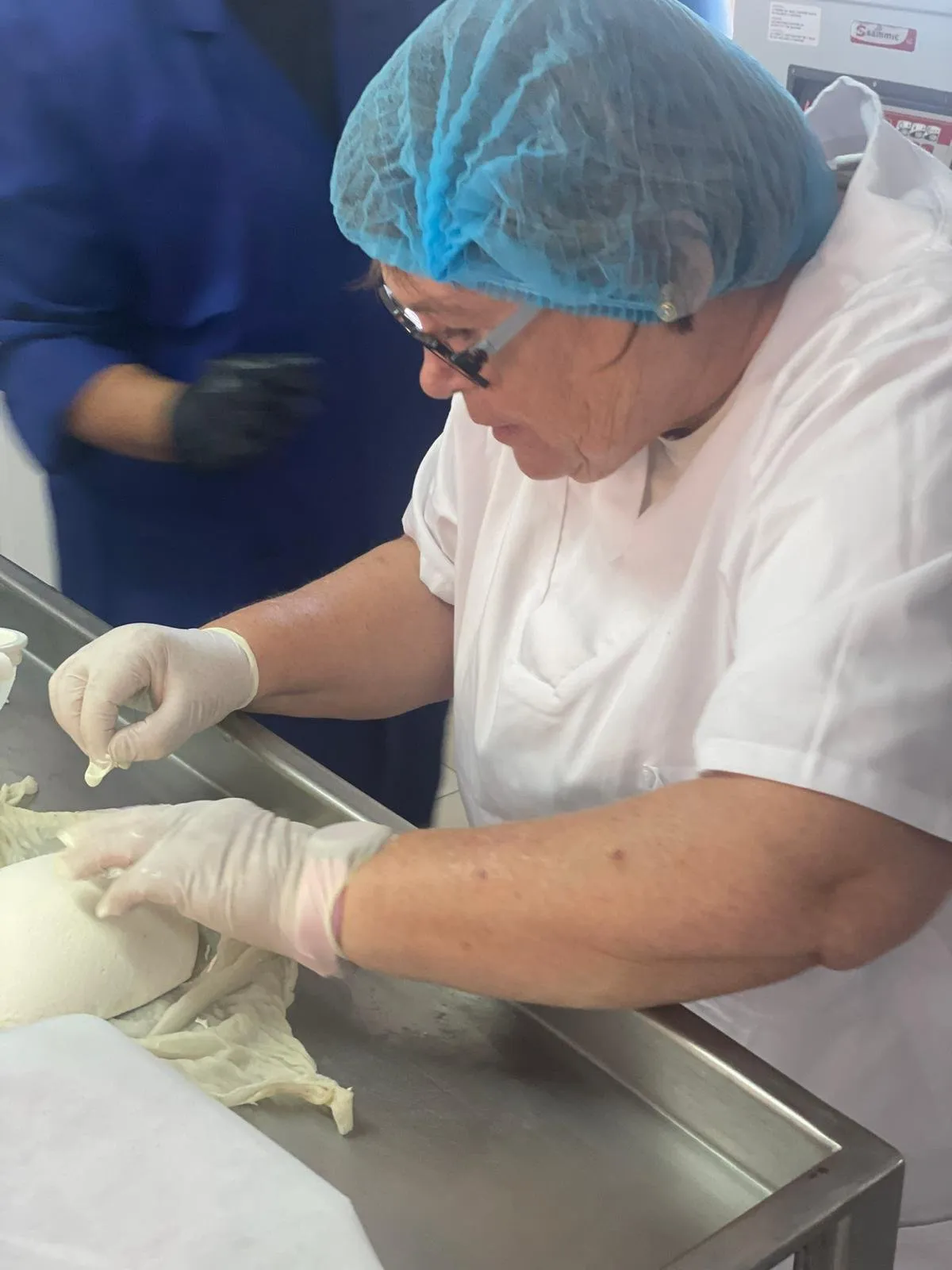
Goat cheese production in the Canary Islands follows traditional methods that have been perfected over time. The process includes:
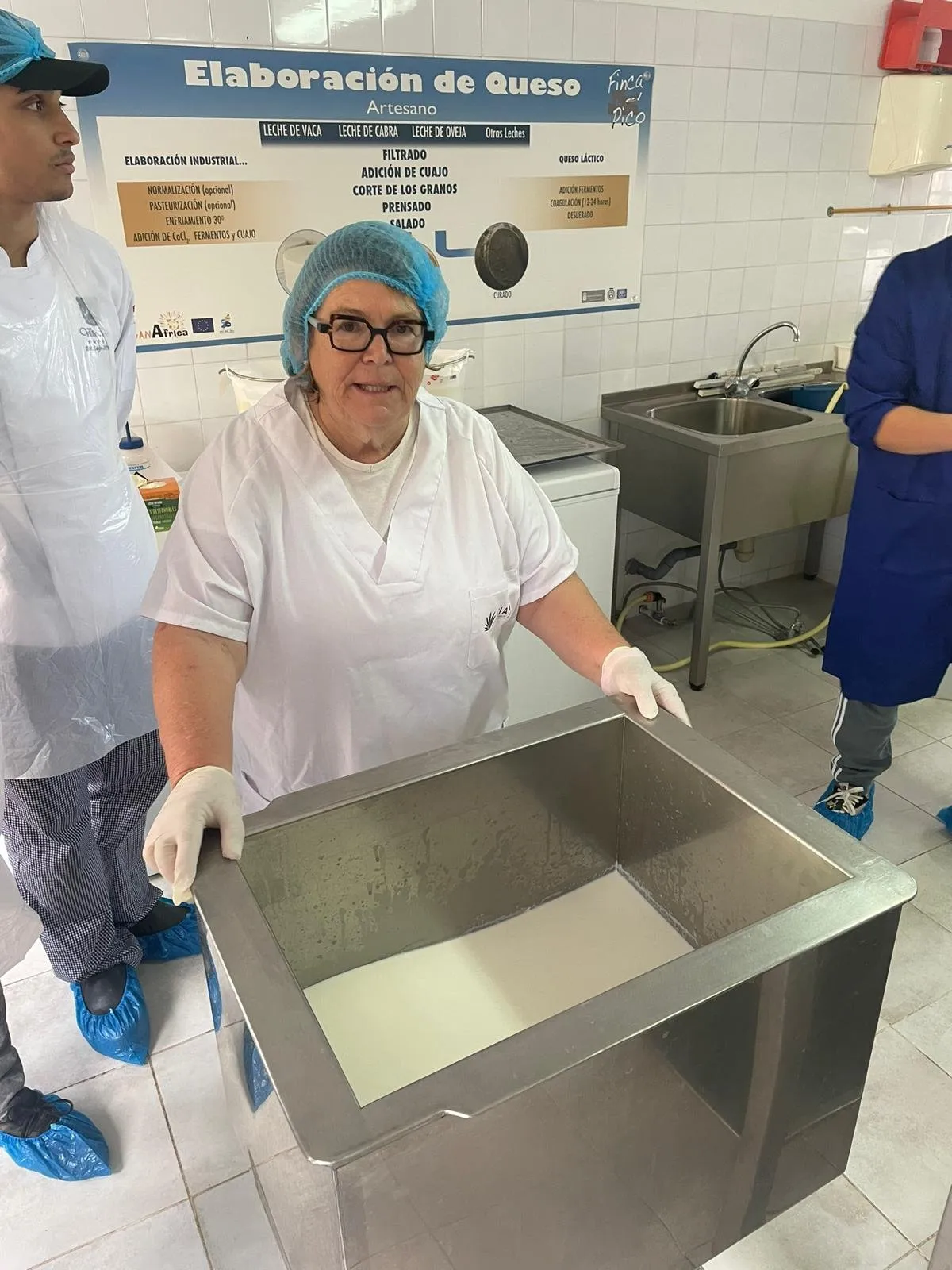
- Milking and milk collection: Carried out by hand or mechanically, preserving the quality of the milk.
- Coagulation: Natural rennet is added to separate the curd from the whey.
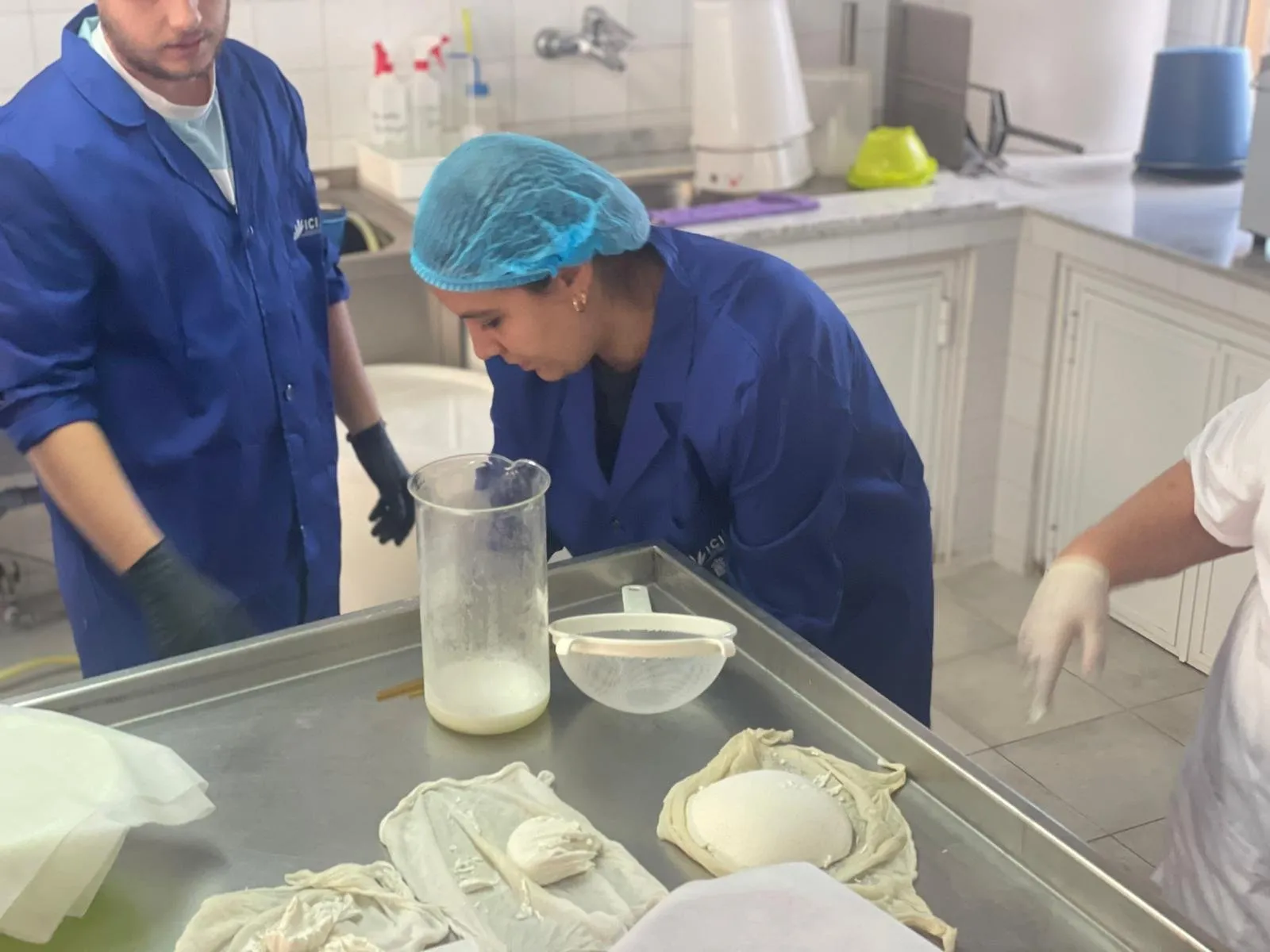
- Cutting and draining: The curd is cut and the excess whey removed.
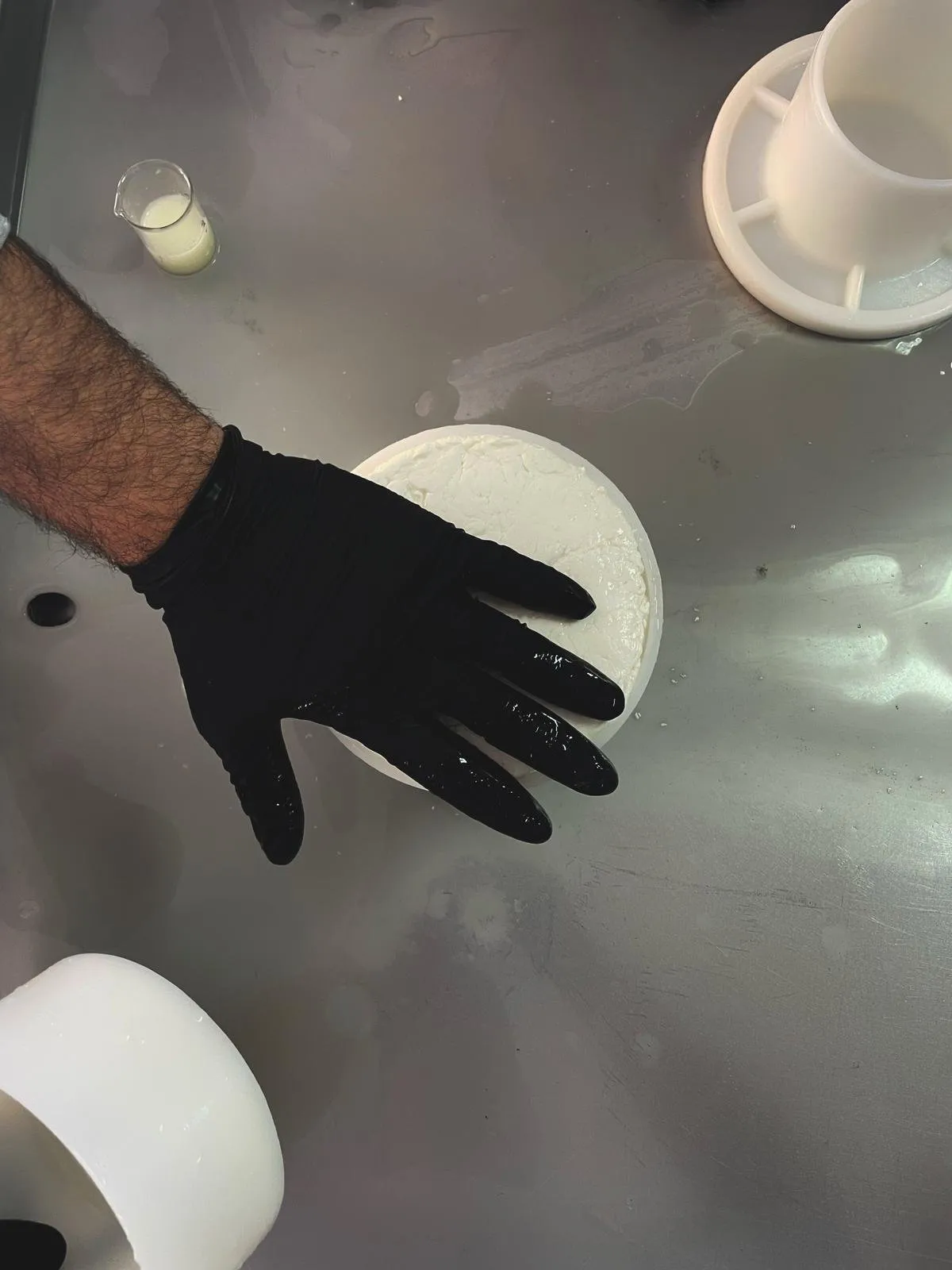
- Moulding and pressing: The curd is placed in moulds and pressed to give it shape.
- Salting: Salt is added to enhance flavour and aid preservation.
- Maturation: The cheeses are left to mature under controlled temperature and humidity conditions.
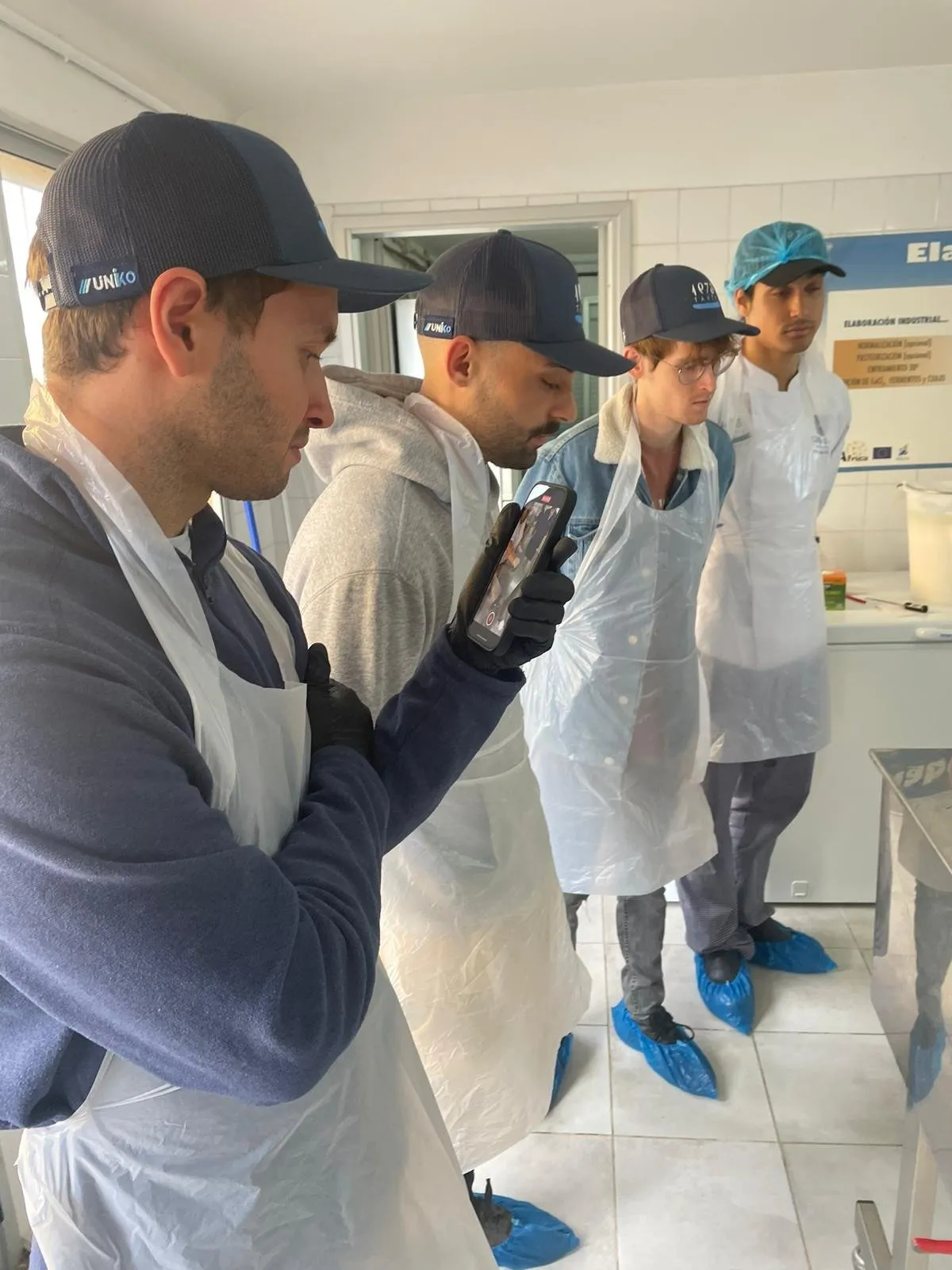
In our research into goat products, we have explored how these traditional methods can be combined with modern techniques to create innovative cheeses.
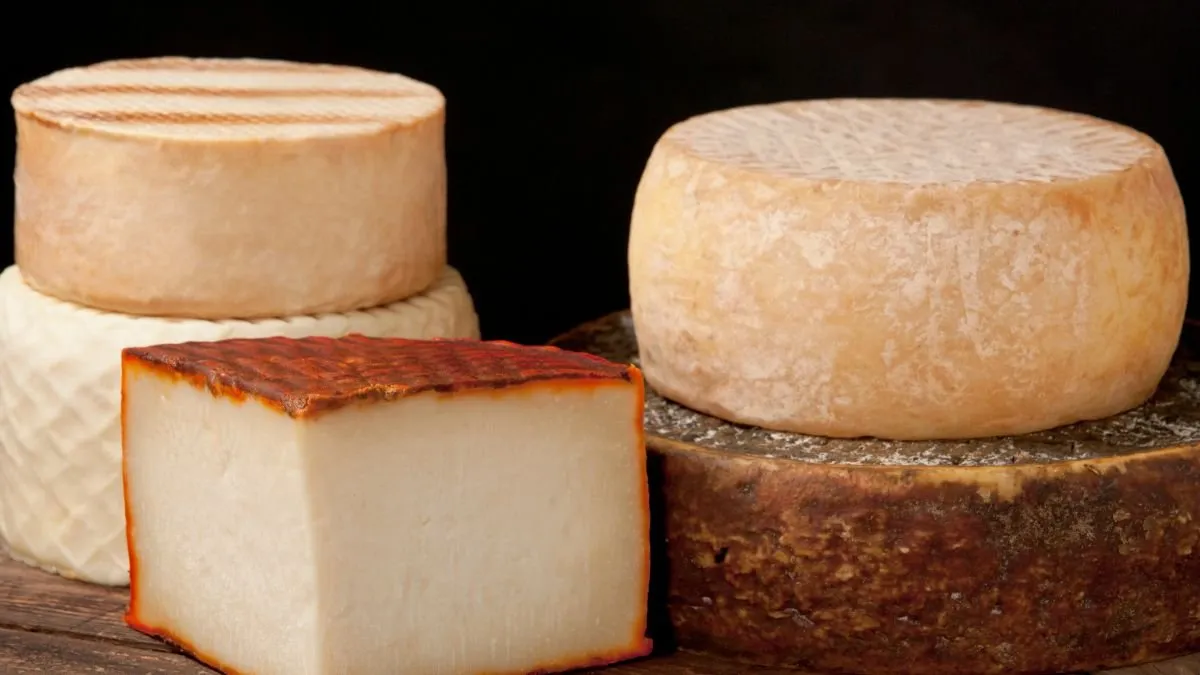
Organoleptic Characteristics
Canarian goat’s milk cheeses stand out for their unique characteristics:
- Flavour: From mild and creamy to intense and piquant, depending on maturation.
- Aroma: Milky, herbaceous and, in some cases, smoky notes.
- Texture: Ranges from creamy in fresh cheeses to firm and crumbly in more mature ones.
- Appearance: Natural rinds, some coated with paprika or gofio, and pastes ranging from white to ivory.
Nutritional Benefits
Goat cheeses are not only delicious but also nutritious. Some of their benefits include:
| Nutrient | Benefit |
|---|---|
| High-quality protein | Essential for muscle development |
| Medium-chain fatty acids | Easy digestion and more efficient metabolism |
| Calcium and phosphorus | Strengthening of bones and teeth |
| Vitamins A and D | Support for the immune system and bone health |
For more information on the nutritional benefits of goat products, you can consult our article on the nutritional benefits of matured goat meat.
Pairings and Culinary Uses
Canarian goat cheeses are versatile in the kitchen and lend themselves to exquisite pairings:
Pairings with Canarian Wines
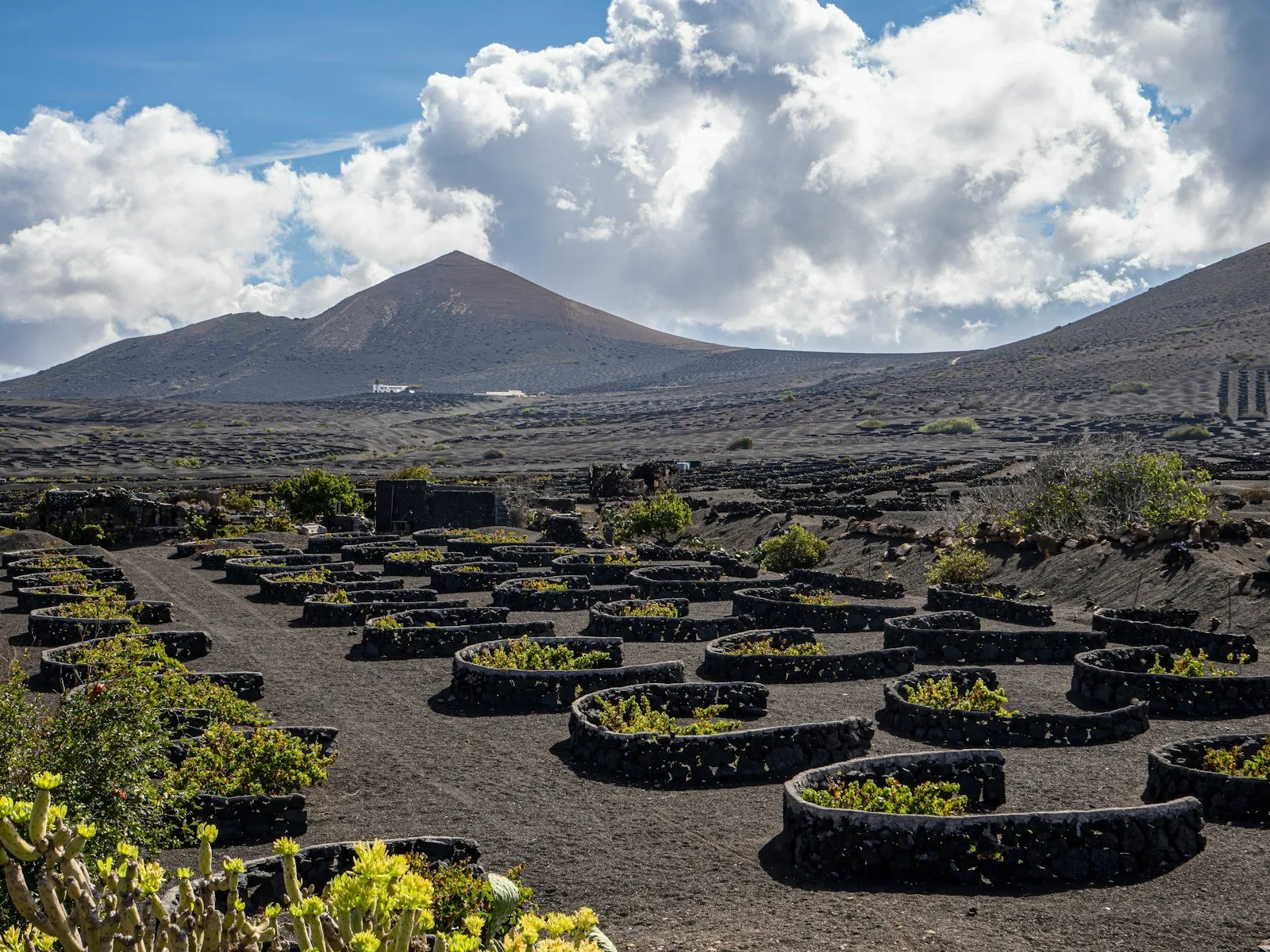
- Fresh cheeses: Young white wines such as Listán Blanco from Tenerife.
- Semi-mature cheeses: Light reds such as Listán Negro from La Palma.
- Mature cheeses: Full-bodied reds such as Baboso Negro from El Hierro.
Recipe: Palmero Goat Cheese Salad with Palm Honey
A simple recipe that brings out the flavours of goat cheese:
| Ingredient | Quantity (Metric) | Quantity (Imperial) |
|---|---|---|
| Palmero goat cheese | 200 g | 7 oz |
| Fresh rocket | 100 g | 3.5 oz |
| Toasted walnuts | 50 g | 1.8 oz |
| Palm honey | 30 ml | 1 fl oz |
| Extra virgin olive oil | 15 ml | 0.5 fl oz |
Preparation:
- Cut the cheese into slices 1 cm thick.
- Arrange the rocket on a plate and place the cheese slices on top.
- Scatter over the toasted walnuts.
- Drizzle with the palm honey and a trickle of olive oil.
This recipe is just one example of how we use goat cheese at Taste 1973. We are constantly exploring new ways to incorporate these cheeses into innovative dishes that surprise our diners.
Sustainability and the Future of Canarian Cheese Production
Goat cheese production in the Canary Islands is not only a tradition, but also a pillar of the local economy and an example of sustainability:
- Sustainable grazing: Goats are perfectly adapted to the Canarian terrain, contributing to the upkeep of the ecosystem.
- Circular economy: Cheese production makes use of local resources and creates jobs in rural areas.
- Innovation: Projects such as our study on aboriginal Canarian cheese seek to rescue ancestral techniques and adapt them to modern gastronomy.
Canarian goat’s milk cheeses are much more than a gastronomic product; they are the reflection of a unique culture, tradition and landscape. As a chef and champion of Canarian cuisine, I invite all restaurant professionals and food lovers to explore these extraordinary flavours. Whether on the à la carte menu of a gourmet restaurant or at the table at home, Canarian goat cheeses have the power to transport us to the Fortunate Islands with every bite.
If you would like to experience how we incorporate these cheeses into our signature cuisine, I invite you to visit Taste 1973 at the Hotel Villa Cortés. Book your table and embark on a gastronomic journey through the authentic flavours of the Canary Islands.
Book your experience at Taste 1973
For more information on Canarian gastronomy and our culinary innovation projects, do not hesitate to explore our blog and follow us on social media. Together we can bring the excellence of Canarian cheeses to the world!