Science in the kitchen: the University of La Laguna researches Canary Islands marine resources with Taste 1973
- Published
- Section
- Research
Science and cooking, united by the Canary Islands sea
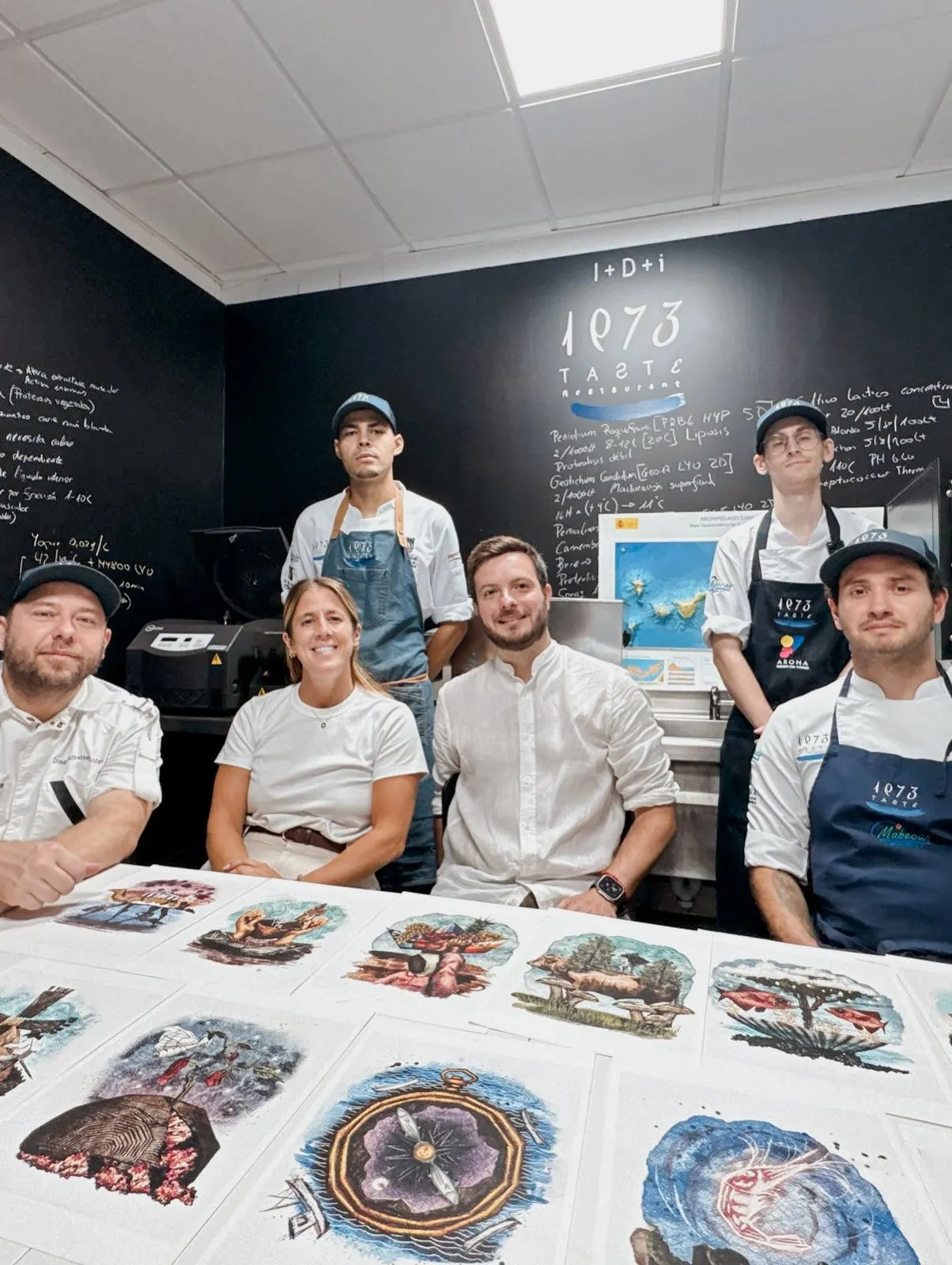
Working day in Taste 1973’s R&D&i room, Hotel Villa Cortés, 11 March 2026.
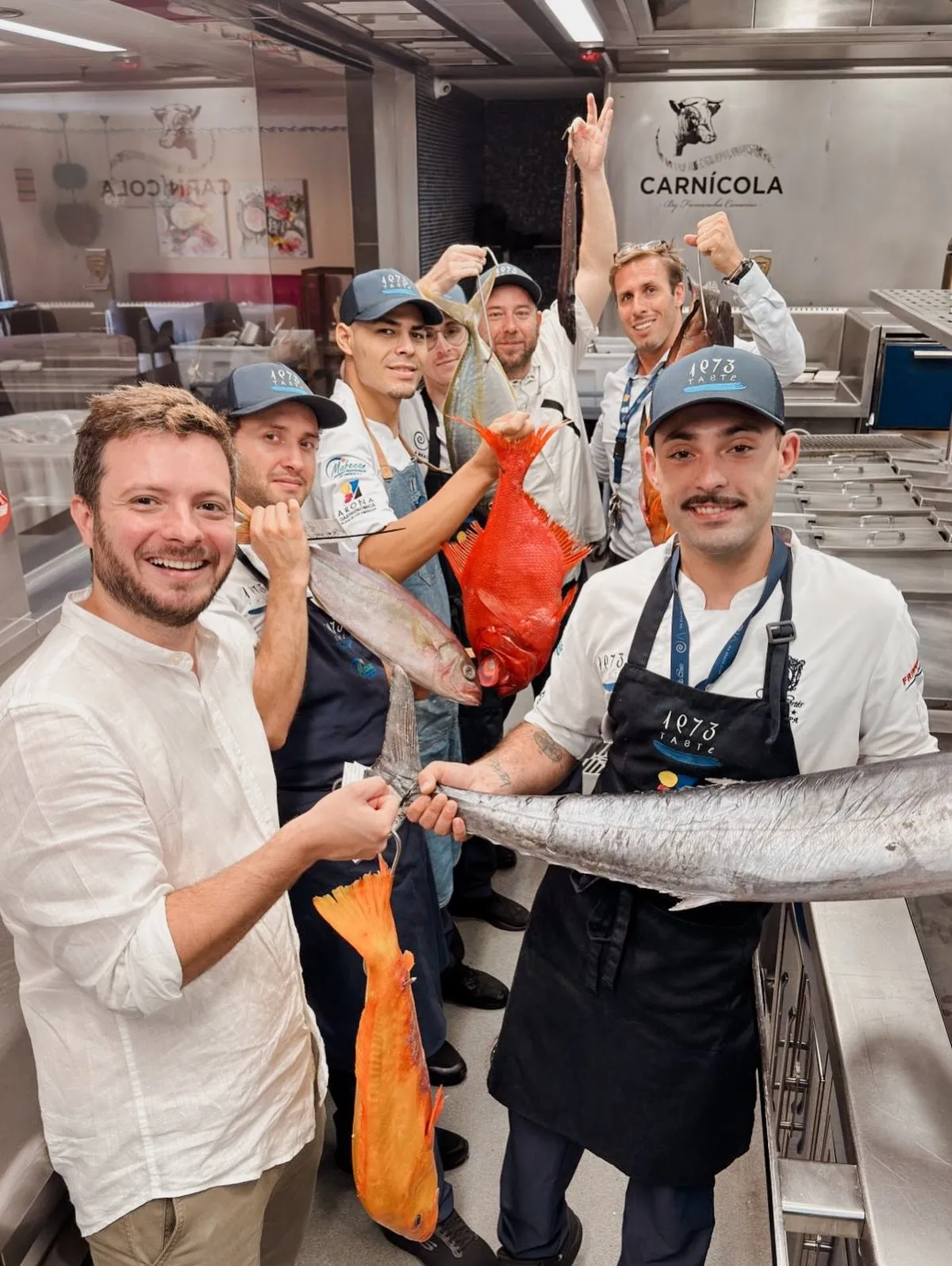
On 11 March 2026 we welcomed Professor Enrique Lozano Bilbao, of the University of La Laguna, to the R&D&i room at Taste 1973 — the restaurant at Hotel Villa Cortés run by Diego Schattenhofer, with a Michelin star since 2024 — to move forward with the research project we run with the University on the marine resources of the Canary Islands archipelago. There was no stage or presentation: a long table, fresh fish just in and a whole day of questions, which is usually how the things that end up on a plate here begin.
We shared it that same day on our Instagram accounts, and it’s worth saying clearly from the outset: everything that follows about this working day and about the project comes from there, from what we ourselves published. There is, for now, no press release from the University or media coverage of this working day.
A project between the university, the hotel and the restaurant
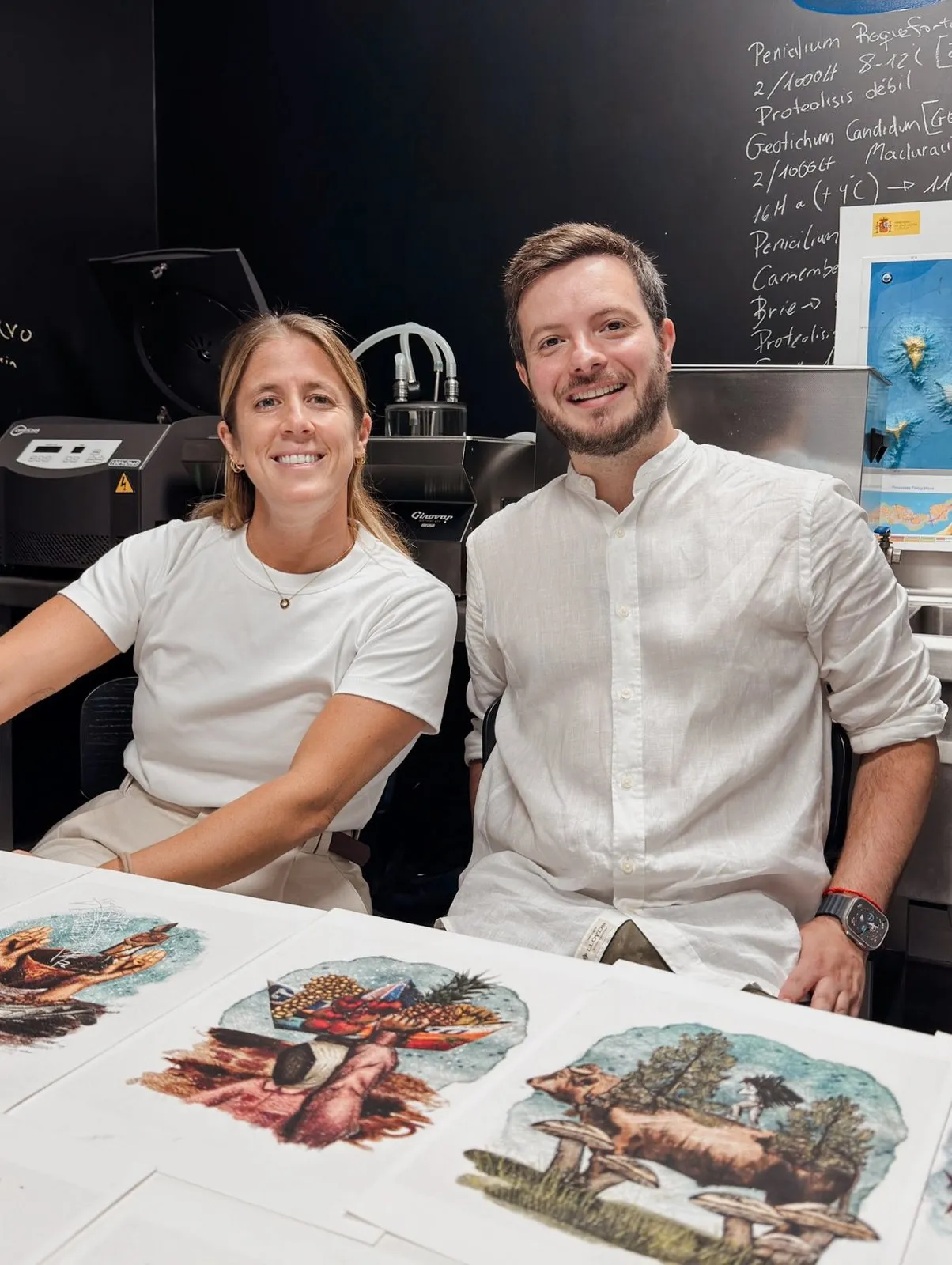
The description we gave of the project was this: “Professor Enrique Lozano Bilbao, of the University of La Laguna, together with the Hotel Villa Cortés and the restaurant Taste 1973, led by Michelin-starred chef Diego Schattenhofer, is developing a research project on the marine resources of the archipelago.” And its purpose: “A project that shows how science and cooking can work together to advance the sustainability, knowledge and excellence of the Canary Islands’ seafood produce.”
That Lozano Bilbao is the counterpart here is no coincidence. His entry on the University of La Laguna’s Portal Ciencia lists him as a lecturer in the Department of Animal Biology, Edaphology and Geology, a PhD from the University of La Laguna and a member of the research groups on the trophic ecology of marine fauna and on environmental toxicology and food safety. His thesis, from 2020, measured metal content in species of fishing interest in the Canary Islands: mackerel, horse mackerel and sardine. In other words, he has spent years asking Canarian fish the very questions that interest us.
What the studies say
In the second post of the day we summarised the four open fronts. The first is good news for the whole island: “Metal concentrations in fish have decreased in recent years, indicating an improvement in the quality of the marine environment.” The second is a reminder of why fish deserves the place it holds in Canarian cooking: this fish is “an excellent source of essential minerals such as magnesium, potassium, calcium, iron, copper and zinc.”
The other two fronts are food safety, pure and simple, the least glamorous and most important ground in any kitchen. On the one hand, the formation of histamines in tuna is being investigated, which is exactly the kind of data that changes a goods-in and cold-chain protocol. On the other, a review of Canary Islands hake is under way, “both deep-water and open-water”, which includes monitoring for anisakis.
Why this happens in a kitchen and not only in a laboratory
None of this feels foreign to us. The room where the professor sat is the same one where we have spent years studying fish maturation in Tenerife, with the blackboard full of strains, temperatures and times visible in the background of the photos. And it is the same drive that has previously led us to work with the Instituto Español de Oceanografía or to surround ourselves with scientists from different disciplines at GastroSinapsis.
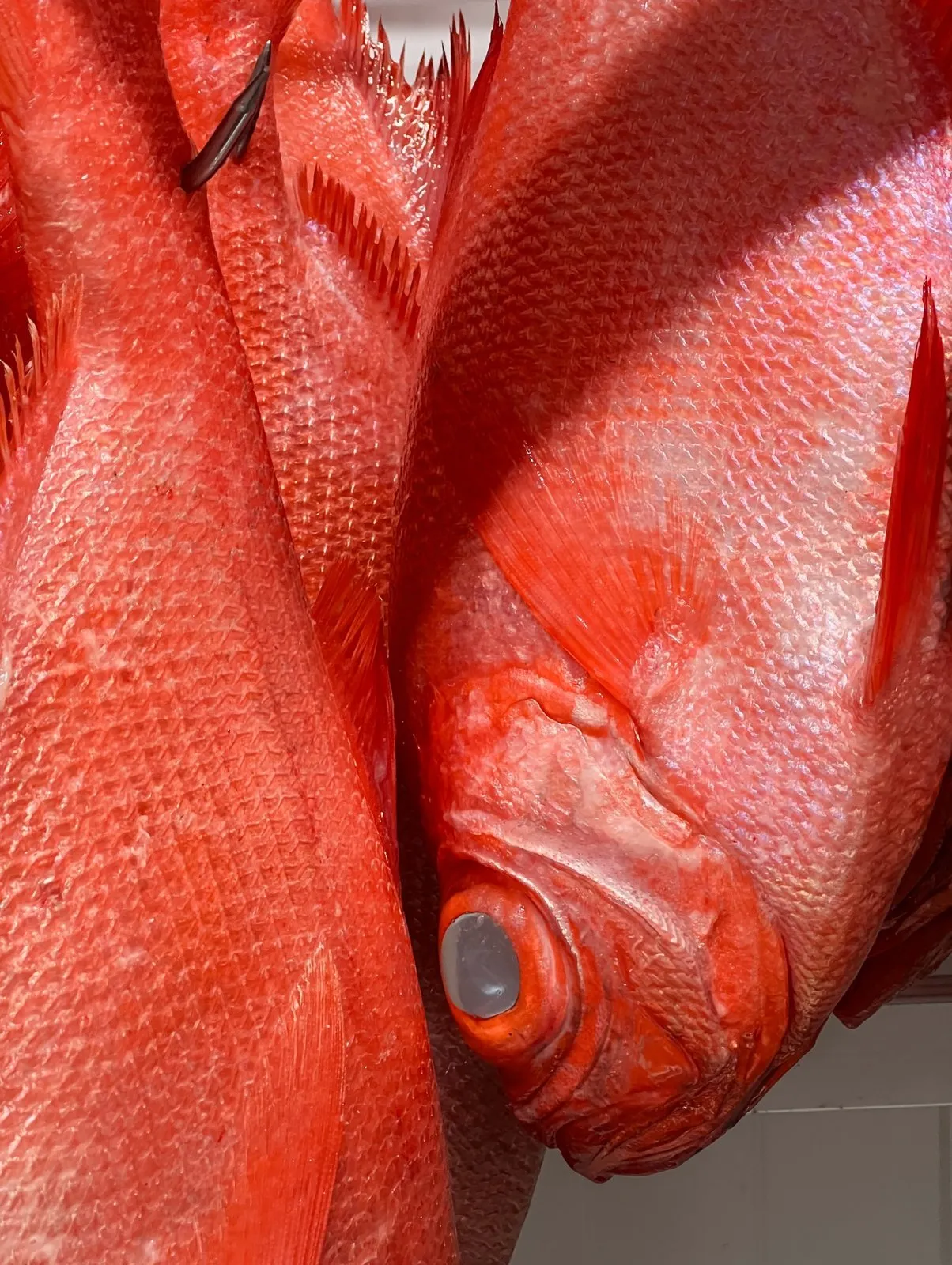
The difference is the object of study: here it is not a technique being researched, it is the produce itself. Knowing how many metals a fish carries, how histamine behaves in tuna or what happens with deep-water hake is not an academic flourish: it is what allows you to buy better, store better and tell the truth about what is served. Working on Canarian cuisine from the produce outwards sooner or later means calling the university.
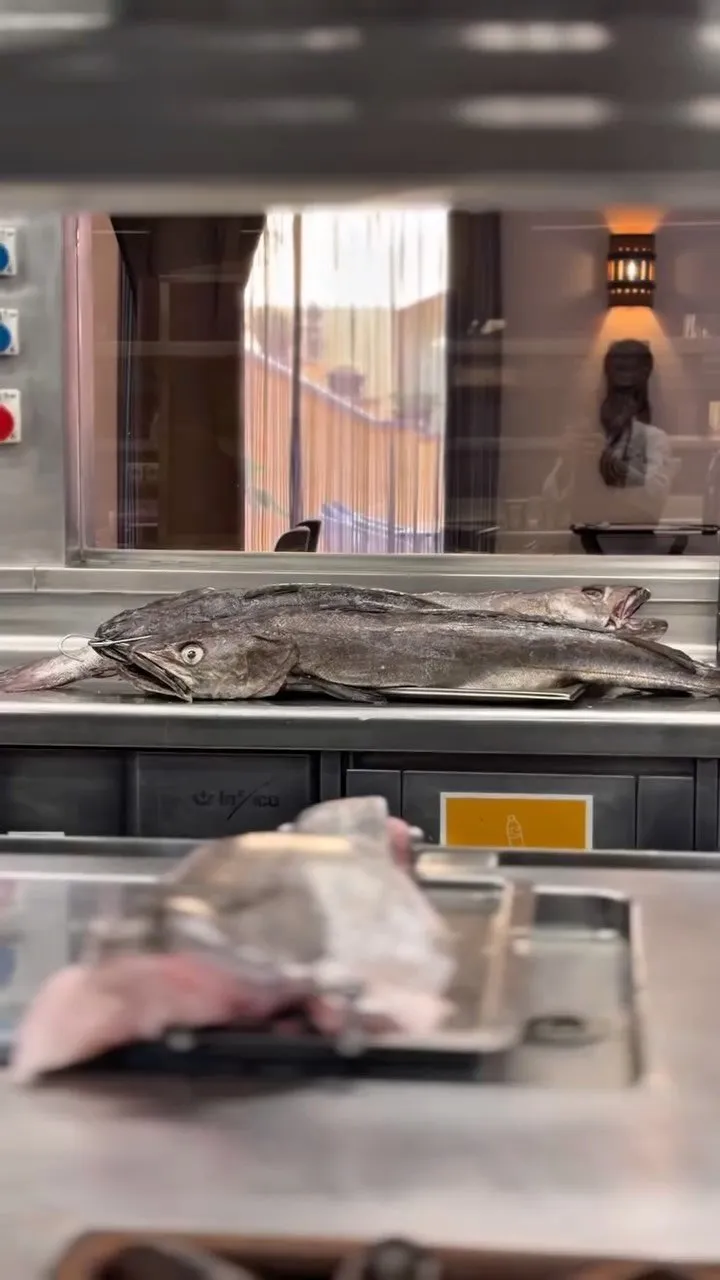
The two posts from that 11 March are still available: the gallery from the day and the video with the study’s data. We will keep sharing how the project develops as there is more to tell.
Fish maturation in Tenerife, Diego Schattenhofer's research
Everything about the VI Encuentro de los Mares in Tenerife: ocean and health