Sustainable Innovations in Goat Farming: Towards an Eco-Friendly Future in the Canary Islands
- Published
- Section
- Industry
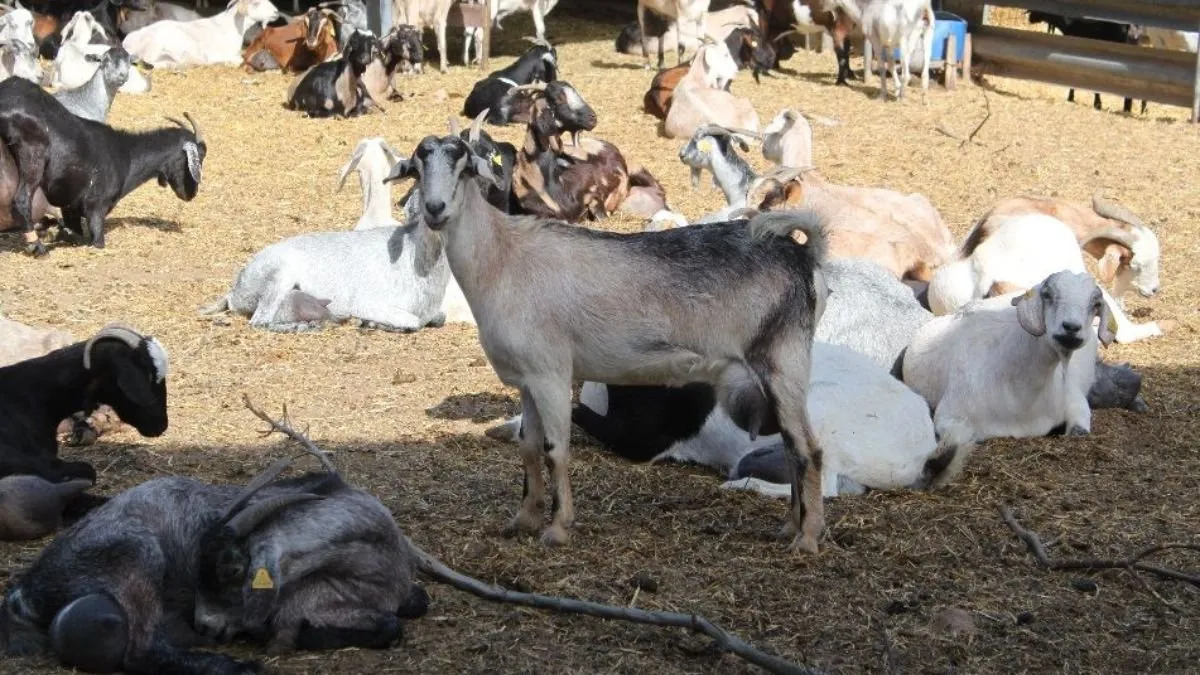
In the Canary archipelago, goat farming is not only a thousand-year-old tradition, but also a fundamental pillar of the local economy and gastronomy. However, in a world increasingly aware of the importance of sustainability, the goat sector faces new challenges and opportunities.
In this article, we explore the innovative sustainable practices that are transforming goat farming in the Canary Islands, offering valuable insights for chefs, restaurateurs and food lovers.
Historical Context of Goat Farming in the Canary Islands
The history and tradition of the Canarian goat dates back to pre-Hispanic times. The Guanches, the islands’ original inhabitants, already kept goats, making the most of their adaptability to volcanic terrain and their resistance to water scarcity. Over the centuries, the goat has become a symbol of Canarian resilience and self-sufficiency.
The evolution of breeding and production practices has been constant, but in recent decades the focus has shifted towards more sustainable and environmentally respectful methods. This shift responds not only to the need to preserve island ecosystems, but also to the growing demand for ethical and sustainable products from consumers and conscious chefs.
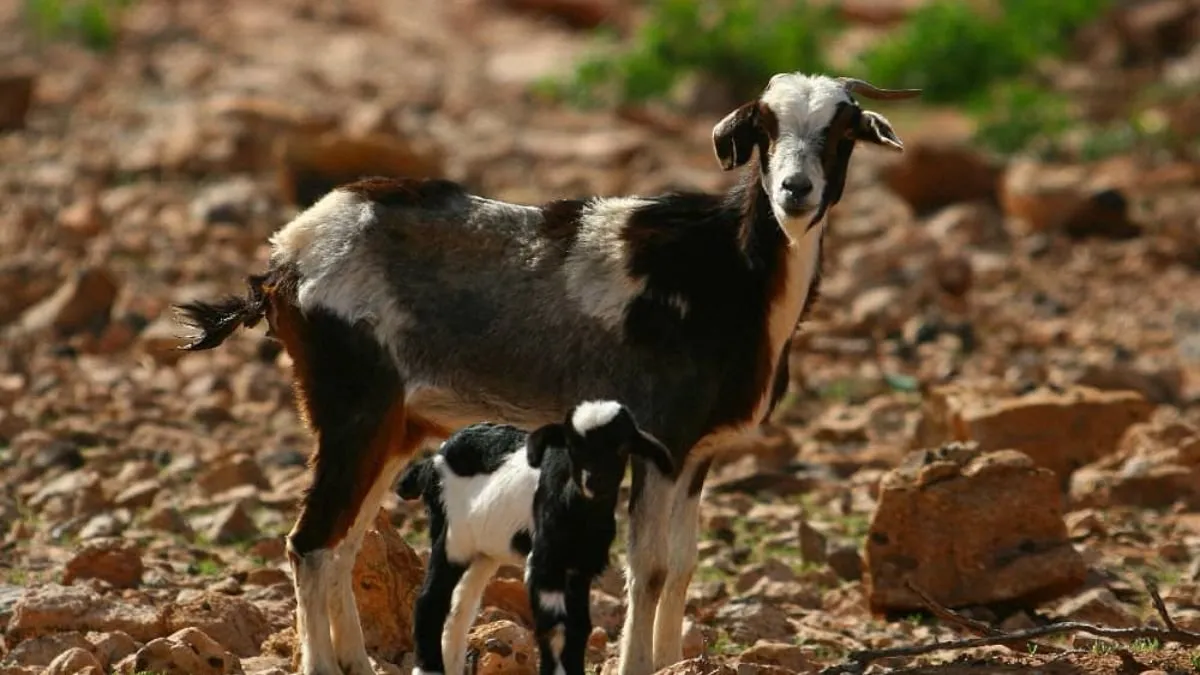
Sustainable Practices in Goat Feeding
Sustainable goat feeding is fundamental to reducing the ecological footprint of goat farming. In the Canary Islands, several innovative strategies are being implemented:
- Use of local forage: priority is given to native plant species adapted to the arid climate, such as tedera (Bituminaria bituminosa) and tagasaste, or tree lucerne (Chamaecytisus proliferus).
- Rotational grazing: this technique allows for the natural regeneration of pastures and prevents soil erosion.
- Use of agricultural by-products: waste from the banana and tomato industries is incorporated into the goats’ diet, reducing waste and costs.
| Sustainable Practice | Benefits | Challenges |
|---|---|---|
| Use of local forage | Lower carbon footprint, adaptation to local climate | Limited availability, seasonal variability |
| Rotational grazing | Improves soil quality, increases biodiversity | Requires careful planning, initial investment in fencing |
| Use of by-products | Reduces waste, lowers feed costs | Need for processing, variability in nutritional composition |
Efficient Water Management in Goat Farming
On an archipelago where water is a precious resource, the efficient management of this element is crucial to the sustainability of goat farming. Innovations in this field include:
- Rainwater harvesting systems: installation of cisterns and channelling systems to make the most of rainfall.
- Drip irrigation on pastures: optimises water use and improves forage growth.
- Wastewater treatment and reuse: implementation of ecological filtration systems for reusing water in cleaning and irrigation.
Sustainable Waste Management
Goat farming generates various types of waste which, when properly managed, can become valuable resources:
- Manure composting: transforming goat manure into high-quality organic fertiliser for agricultural use.
- Biogas production: installation of biodigesters to generate energy from organic waste.
- Materials recycling: reuse of packaging and materials at livestock facilities.
Sustainable Genetic Improvement
Genetic selection plays a crucial role in the sustainability of goat farming. In the Canary Islands, programmes are being developed that seek to:
- Resistant native breeds: enhance traits such as disease resistance and adaptation to the local climate.
- Conservation of genetic diversity: maintenance of germplasm banks to preserve the genetic richness of Canarian goats.
- Low-impact reproductive techniques: implementation of methods such as artificial insemination to improve reproductive efficiency without compromising animal welfare.
Animal Welfare and Sustainable Production
Animal welfare is not only an ethical consideration, but also a key factor in the quality and sustainability of goat farming. Innovations in this field include:
- Design of eco-friendly facilities: creation of spaces that maximise animal comfort and minimise environmental impact.
- Low-stress management practices: implementation of techniques that reduce stress during milking and other processes.
- Health monitoring systems: use of technology for the continuous monitoring of animal health.
Renewable Energy in Goat Farming
The shift towards clean energy sources is fundamental to reducing the carbon footprint of goat farming:
- Solar energy: installation of photovoltaic panels to power milking and refrigeration systems.
- Small-scale wind systems: harnessing the islands’ constant winds for electricity generation.
- Energy efficiency: implementation of low-consumption equipment and thermal insulation systems in farm buildings.
Innovations in Whole-Animal Use of the Goat
Making whole-animal use of the goat is key to the economic and environmental sustainability of the sector. Some notable innovations include:
- Maturation techniques for Canarian goat meat: development of methods that enhance the flavour and texture of goat meat, increasing its culinary value.
- New sustainable dairy products: creation of artisan cheeses and yoghurts with low-impact processes.
- Use of by-products in cosmetics and crafts: use of goat skin and hair in the production of beauty products and craft items.
Sustainable Certification and Labelling
Transparency and certification are fundamental to communicating sustainable practices to consumers:
- Organic production seals: implementation of certifications that endorse environmentally respectful practices.
- Carbon footprint labels: development of systems to measure and communicate the environmental impact of goat products.
- Traceability: implementation of systems that allow consumers to know the entire production process, from farm to table.
Collaborations and Research Projects
Innovation in sustainable goat farming draws on multidisciplinary collaboration in Canarian gastronomy. Some notable projects include:
- Research on matured goat meat: studies exploring new maturation techniques to improve the quality and flavour of goat meat.
- Partnerships between producers and chefs: collaborations aimed at developing new products and recipes that showcase sustainable goat farming.
- University research projects: studies on genetic improvement, animal nutrition and sustainable management in collaboration with academic institutions.
Economic and Social Impact of Sustainable Goat Farming
The shift towards more sustainable goat farming has significant socio-economic implications:
- Generation of rural employment: creation of job opportunities in rural areas, curbing depopulation.
- Promotion of gastronomic tourism: development of tourism experiences around sustainable goat farming and local gastronomy.
- Preservation of cultural heritage: maintenance of traditions and ancestral knowledge related to goat rearing.
Challenges and Future Opportunities
The sustainable goat sector in the Canary Islands faces several challenges, but also significant opportunities:
- Adaptation to climate change: development of strategies to cope with rising temperatures and water scarcity.
- Market for sustainable products: growing demand for ethical and organic goat products, both in the local and international markets.
- Support policies: need for regulatory frameworks and funding programmes that encourage the transition towards more sustainable practices.
Conclusion
Sustainability in goat farming in the Canary Islands is not just a trend, but an imperative necessity for the future of the sector. The innovations presented in this article show that it is possible to combine tradition and modernity to create a production model that is economically viable, environmentally sustainable and socially responsible.
For chefs, restaurateurs and food lovers, these sustainable practices offer the opportunity to work with high-quality products that tell a story of commitment to the environment and animal welfare. By choosing sustainable Canarian goat products, they are not only supporting local producers, but also contributing to the preservation of a unique culinary heritage.
We invite you to explore these innovations first hand by visiting Taste 1973 Restaurant, where you can taste dishes that celebrate the sustainability and unique flavour of Canarian goat farming.
Additional Resources
- Gastronomic Glossary: discover terms related to sustainable goat farming.
- Calendar of Activities: stay informed about events and workshops related to sustainable gastronomy in the Canary Islands.
- About Diego Schattenhofer: learn more about the chef’s culinary philosophy and his commitment to sustainability.
Frequently asked questions
What makes goat farming in the Canary Islands unique?
- Native breeds adapted to the islands' climate and volcanic terrain.
- A thousand-year-old tradition dating back to the Guanches, the islands' original inhabitants.
- The use of local forage such as tedera and tagasaste, which give goat products their distinctive flavours.
- The combination of traditional methods with sustainable innovations in production.
How does sustainable goat feeding affect the flavour of the meat and dairy products?
- The meat gains unique aromatic notes from the native herbs the goats graze on.
- Cheeses develop more complex flavour profiles and a terroir specific to the islands.
- Milk can show seasonal variations in composition, reflected in the diversity of dairy products.
What benefits does sustainable goat farming bring to local cuisine?
- It offers innovative chefs high-quality, uniquely flavoured ingredients.
- It allows for dishes that tell a story of sustainability and tradition.
- It fosters culinary diversity by preserving traditional breeds and production methods.
- It provides products with organic certifications, attracting conscious consumers.
How can I identify sustainable Canarian goat products on the market?
- Protected Designation of Origin (PDO) labels specific to the Canary Islands.
- Organic certifications recognised by the European Union.
- Traceability information indicating the product's origin on sustainable Canarian farms.
- Local brands that highlight their sustainable practices on packaging.
What maturation techniques are used to improve the quality of Canarian goat meat?
- Dry ageing: improves tenderness and concentrates flavours.
- Wet ageing: controlled to enhance the meat's juiciness.
- Low-temperature maturation techniques: preserve nutritional quality.
- Maturation with local spices: gives the meat unique flavours.
How does sustainable goat farming contribute to environmental conservation in the Canary Islands?
- It maintains traditional landscapes and prevents soil erosion through controlled grazing.
- It reduces the carbon footprint by using renewable energy and efficient management practices.
- It preserves local biodiversity by maintaining native breeds and encouraging the use of native forage plants.
- It minimises water use through efficient irrigation systems and rainwater harvesting.
What recent innovations have improved the sustainability of goat farming in the Canary Islands?
- Implementation of digital monitoring systems to optimise feeding and animal welfare.
- Development of biodigesters to produce energy from organic waste.
- Use of drones for herd management on difficult terrain.
- Application of artificial insemination techniques to sustainably improve genetics.
How can restaurants support sustainable Canarian goat farming?
- By incorporating sustainable Canarian goat products into their menus and highlighting their origin.
- By building direct relationships with sustainable local producers.
- By educating their staff and customers about the importance of sustainable goat farming.
- By taking part in culinary events that promote the islands' sustainable goat products.
What challenges does sustainable goat farming face in the Canary Islands and how are they being addressed?
- Water scarcity: addressed through rainwater harvesting systems and the reuse of treated wastewater.
- Climate change: more resistant breeds are being developed and adaptive management practices implemented.
- Competition from imported products: differentiation is encouraged through quality certifications and local promotion campaigns.
- Generational renewal: training and support programmes are being created for young livestock farmers interested in sustainable practices.
How does the carbon footprint of sustainable goat farming compare with other types of livestock farming?
- The efficient use of local resources and the goats' adaptation to the arid environment.
- The implementation of renewable energy on farms.
- Grazing that contributes to carbon sequestration in the soil.
- Local production that reduces emissions associated with long-distance transport.
Are there opportunities to visit sustainable goat farms in the Canary Islands?
Events such as agricultural and gastronomic fairs often include demonstrations of sustainable goat farming.
Some farms offer guided visits where sustainable practices can be seen in action.
There are gastronomic routes that include visits to sustainable goat producers.
Certain agritourism operators allow visitors to take part in activities related to sustainable goat farming.
You may also like
Science in the kitchen: the University of La Laguna researches Canary Islands marine resources with Taste 1973
Research
Science in the kitchen: Taste 1973 visits the Canary Islands Oceanographic Centre (IEO-CSIC)
Research
Launch of the Book "La Magia de la Carne de Cabra Madurada": A Canarian Gastronomic Revolution
Books