Omega-3 Fatty Acids: Pillars of Nutrition and Gastronomy
- Term
- Omega-3 fatty acids
- Published
- Updated
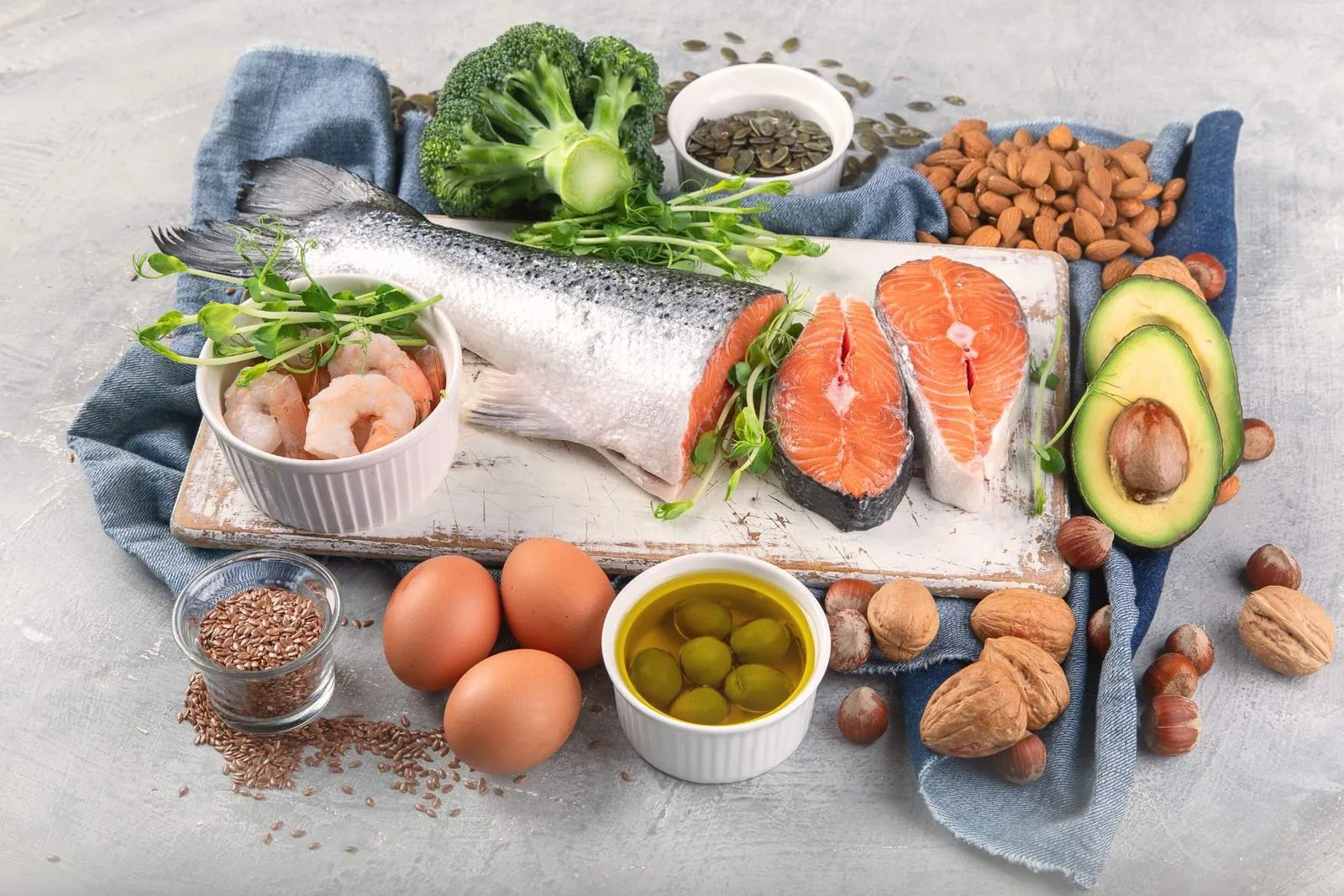
What omega-3 fatty acids are
Omega-3 fatty acids are a type of essential polyunsaturated fat, meaning the human body cannot produce them on its own and they must be obtained through the diet. They are crucial for brain development, immune function and overall health.
Chemically they belong to the polyunsaturated fats (PUFAs): carbon chains with several double bonds, and in the case of omega-3 the first of those bonds appears between the third and fourth carbon atom counting from the methyl end of the molecule, the so-called “omega” end. That’s where the name comes from — also written “n-3” — and it’s also why the body can’t manufacture it from scratch: it lacks the desaturase enzymes needed to insert a double bond in exactly that position. Without them, omega-3 only arrives through food.
ALA, EPA and DHA: the three that matter
Of the whole omega-3 family, only three play a relevant role in human physiology, and they’re worth telling apart because they don’t behave alike or arrive by the same route:
- ALA (alpha-linolenic acid, 18 carbons, 3 double bonds): the plant-based one, found in seeds such as chia and flaxseed, as well as in vegetable oils such as canola and soya.
- EPA (eicosapentaenoic acid, 20 carbons, 5 double bonds): abundant in oily fish such as salmon, mackerel and herring.
- DHA (docosahexaenoic acid, 22 carbons, 6 double bonds): also of marine origin, and found in high concentration in the human brain, where it is key to its normal development, as well as that of the eyes and the nervous system, especially in early childhood.
The body can convert ALA into EPA and then into DHA through desaturation and elongation, but that conversion is very inefficient — below 5 % — and somewhat higher in women than in men. In practice, this means relying only on plant sources to cover EPA and DHA needs is unrealistic: anyone who eats neither fish nor algae needs to keep a close eye on this intake.
Chemically, the double bonds of ALA, EPA and DHA are in a cis configuration and separated by methylene bridges; the positions between two double bonds are especially prone to oxidation by free radicals, which explains why these fats turn rancid easily on contact with air.
From Burr to the FDA: a century of evidence
The concept was born in 1929, when George and Mildred Burr discovered that certain fatty acids were essential for health and coined the term “essential fatty acids”, the foundational finding behind the distinction between omega-3 and omega-6.
Regulatory recognition came decades later. On 8 September 2004, the US FDA granted EPA and DHA the status of a “qualified health claim”, with cautious wording: “supportive but not conclusive research shows that consumption of EPA and DHA fatty acids may reduce the risk of coronary heart disease”. The Canadian Food Inspection Agency allows, specifically for DHA, a more specific claim: that it supports normal physical development of the brain, eyes and nerves, especially in children under two.
Since 2002 the FDA has also approved four prescription drugs based on fish oil to treat hypertriglyceridaemia (Lovaza, Omtryg, Vascepa and Epanova), which gives a measure of just how far these fatty acids have moved from the kitchen to the pharmacy.
That said, the benefit shouldn’t be oversold: the evidence for omega-3 supplementation is limited when it comes to preventing cancer, all-cause mortality and most cardiovascular events, although it does modestly lower blood pressure and reduce blood triglycerides.
How much omega-3 to take
The EFSA (European Food Safety Authority) sets, in its dietary reference values, an adequate intake of 250 mg a day of combined EPA and DHA for children from age 2 and for adults; in infants aged 7 to 11 months the reference drops to 100 mg a day of DHA, and during pregnancy and breastfeeding it rises by a further 100-200 mg on top of that 250 mg. An international panel of experts published a consensus recommendation along the same lines in 2008: pregnant or breastfeeding women should reach at least 200 mg of DHA a day, and women of childbearing age should eat one to two servings of oily sea fish a week. The American Heart Association more generally recommends eating fish — especially dark-fleshed fish — at least once or twice a week.
Outside the general population, there are higher clinical reference figures: in people with diagnosed heart disease a reference figure of around 1,000 mg a day of combined EPA and DHA is commonly used, and to control elevated triglycerides doses of 2,000 to 4,000 mg a day are used, under medical supervision. The FDA itself advises against exceeding 2,000 mg a day of combined EPA and DHA from supplements without that medical oversight.
| Reference | Amount | Source |
|---|---|---|
| Adequate intake, adults and children from age 2 | 250 mg/day of EPA+DHA | EFSA |
| Adequate intake, infants aged 7-11 months | 100 mg/day of DHA | EFSA |
| Pregnancy and breastfeeding | +100-200 mg/day on top of the adequate intake | EFSA |
| Expert consensus, pregnancy/breastfeeding | ≥200 mg/day of DHA | International panel of experts (2008) |
| Clinical reference, diagnosed heart disease | ≈1,000 mg/day of EPA+DHA | Harvard T. H. Chan School of Public Health |
| Clinical use, high triglycerides (under medical supervision) | 2,000-4,000 mg/day of EPA+DHA | Harvard T. H. Chan School of Public Health |
| Safety cap for supplements, without medical supervision | 2,000 mg/day of EPA+DHA | FDA |
Where they are found
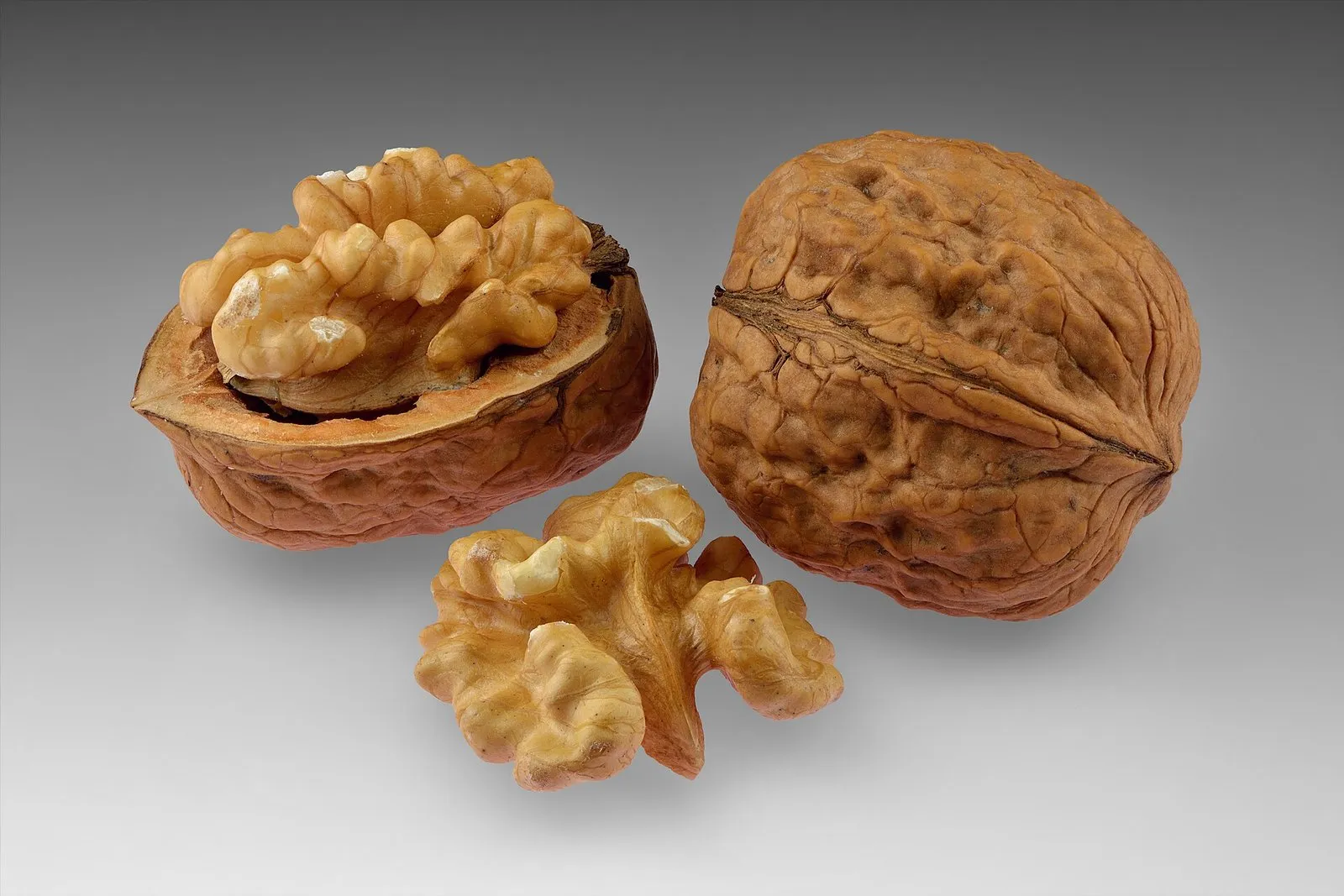
- ALA: found in seeds such as chia and flaxseed, as well as in vegetable oils such as canola and soya. Walnuts are, among the plant sources in regular use, the most concentrated: around 7,718 mg of ALA per 85 g serving. There are also differences within meat itself: grass-fed beef provides more ALA (≈87 mg per 85 g) than grain-fed beef (≈35 mg per 85 g).
- EPA and DHA: abundant in oily fish such as salmon, mackerel and herring, as well as in seaweed — a source suited to vegan diets — and in fish oil supplements. An 85 g serving of farmed Atlantic salmon provides about 733 mg of EPA and 935 mg of DHA; the same serving of wild Atlantic salmon provides about 273 mg of EPA and 952 mg of DHA: less EPA, but practically equivalent DHA.
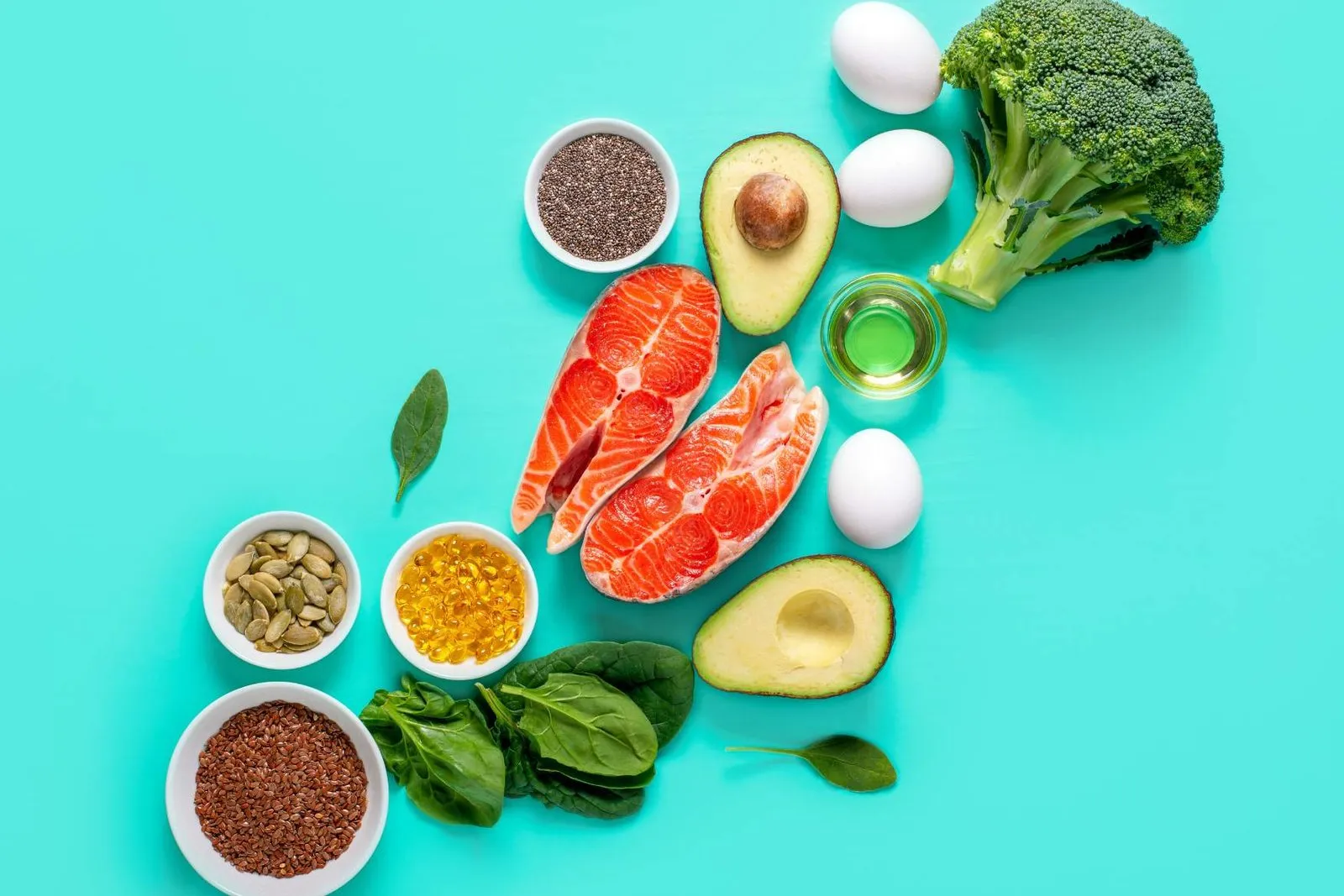
| Food (85 g serving) | Approximate content |
|---|---|
| Farmed Atlantic salmon | ≈733 mg EPA + ≈935 mg DHA |
| Wild Atlantic salmon | ≈273 mg EPA + ≈952 mg DHA |
| Walnuts | ≈7,718 mg ALA |
| Grass-fed beef | ≈87 mg ALA |
| Grain-fed beef | ≈35 mg ALA |
Omega-3 fatty acids play a vital role in cell structure and in the function of cell membranes throughout the body. They contribute to cardiovascular health by reducing blood triglycerides, lowering blood pressure and reducing the risk of cardiac arrhythmias. They also have anti-inflammatory properties, which is beneficial for chronic inflammatory conditions such as rheumatoid arthritis.
At the same time, the Western diet has been shifting towards higher omega-6 consumption relative to omega-3 in recent decades; both are essential and compete for the same metabolic enzymes, which means the ratio between the two influences the type of eicosanoids — prostaglandins, leukotrienes, thromboxanes — the body produces.
In the kitchen: uses and storage
In the kitchen, oils rich in ALA, such as flaxseed oil, are often used in dressings and sauces, while fish rich in EPA and DHA are central to heart-healthy diets and seafood-inspired dishes. These ingredients not only improve the nutritional profile of dishes, they also bring their own flavours and textures.
| Type of Omega-3 | Main food sources | Health benefits |
|---|---|---|
| ALA (Alpha-Linolenic Acid) | Chia seeds, flaxseed, walnuts, vegetable oils (canola, soya) | Improves cardiovascular health, reduces inflammation and is a precursor to EPA and DHA |
| EPA (Eicosapentaenoic Acid) | Oily fish (salmon, mackerel, sardines), seaweed, fish oil supplements | Reduces triglycerides, improves heart health, anti-inflammatory |
| DHA (Docosahexaenoic Acid) | Oily fish (salmon, tuna, herring), algae, fish oil supplements | Essential for brain development and function, supports eye health |
When cooking with omega-3 sources, gentle methods are best — low-temperature baking, steaming — to minimise the loss of these essential fatty acids. Storage matters too: being unsaturated fats, they oxidise easily on exposure to air, which is one of the reasons a fresh, minimally processed food remains a more reliable dietary source than a long-life ultra-processed one.
In the Canary Islands: the oily fish that has always been there
It’s worth saying plainly: there is no designation of origin or institutional study specifically documenting the omega-3 content of Canarian oily fish. What there is is a fishing tradition that is very much alive, in which this fish — mackerel, sardine, horse mackerel — has always been presented, rightly, as a source of healthy fat. At the X Fish Fair in Los Cristianos, in Arona (Tenerife), where Diego Schattenhofer gave a showcooking, mackerel was explicitly presented to visitors as “oily fish, rich in omega-3”, alongside other locally fished species such as parrotfish, bonito and grouper.
At Taste 1973 and in Diego’s work
Omega-3 appears twice in Diego Schattenhofer’s work. First, in his research on matured Canarian goat meat, which describes this meat as “naturally low in saturated fat and rich in omega-3 fatty acids”, presenting it as a heart-healthy option within his work with the ICIA. Second, at the VI Encuentro de los Mares, held at the Hotel Villa Cortés and at Taste 1973 itself under the theme “Blue Health”, which brought Diego together with other chefs and a British nutritionist to discuss precisely the relationship between eating seafood and human health.
Related terms
- Omega-6 fatty acids — the other major group of essential fats, with which omega-3 competes for the same enzymes and with which it’s worth keeping a balance.
- Antioxidants — the defence against the oxidation to which these fatty acids are especially prone.
- Amino acids — the other major essential nutrient cited by the research on matured goat.
- Pollack — another glossary entry devoted to a fish, with its expanded entry already published.
Sources consulted
- Wikipedia: “Omega-3 fatty acid”
- Harvard T. H. Chan School of Public Health, The Nutrition Source: “Omega-3 Fats”
- MedlinePlus (US National Library of Medicine), Spanish-language version
- diegoschatten.com: “Nutritional Benefits of Matured Goat Meat”
- diegoschatten.com: “The X Fish Fair in Los Cristianos”
- diegoschatten.com: “VI Encuentro de los Mares”

Frequently asked questions
What are omega-3 fatty acids?
Why are they called "omega-3"?
What is the difference between ALA, EPA and DHA?
How many omega-3s should be taken a day?
Which foods have the most omega-3?
Is it good to take fish oil supplements?
Can omega-3s be lost when cooking or storing food?
Is there oily fish rich in omega-3 in the Canary Islands?
Also in the glossary
Omega-6 fatty acids
Omega-6 fatty acids are a type of essential polyunsaturated fat, meaning the body cannot produce them and they must be obtained through the diet.
Pollack
Pollack is a fish highly prized in cooking for its versatility and mild flavour.
Sensory appreciation
Sensory appreciation in gastronomy is a fascinating field that delves into how our senses interact with food, turning every bite into a unique experience.