Non-essential Amino Acids: Those Our Body Can Synthesise Itself
- Term
- Non-essential amino acids
- Published
- Updated

Non-essential amino acids, those our body can synthesise by itself, play crucial roles both in our health and in the culinary world.
What they are and where the name comes from
An amino acid is, in its most basic chemical definition, an organic molecule that combines an amino group (-NH₂) and a carboxyl group (-COOH). From the combination of twenty of these amino acids —the so-called proteinogenic ones, genetically encoded in practically all living organisms, plus two additional ones (selenocysteine and pyrrolysine) present only in certain organisms— come all the proteins in the human body.
Of those twenty, eleven are non-essential amino acids: alanine, arginine, asparagine, aspartic acid, cysteine, glutamic acid, glutamine, glycine, proline, serine and tyrosine. “Non-essential” means, literally, that the body itself can make them even if they don’t come from the diet, through a process called transamination: the amino group of one amino acid is transferred to an alpha-keto acid to form a new one.
Opposite them are the nine essential ones —valine, leucine, threonine, lysine, tryptophan, histidine, isoleucine, phenylalanine and methionine—, which the body can’t synthesise at all and which must come from food. And in between there’s a nuance that’s almost never explained well: seven of the eleven non-essential ones (arginine, cysteine, glutamine, tyrosine, glycine, proline and serine) are actually “conditionally essential”. Normally the body makes them without any trouble, but it stops being able to cover demand at times of illness or physical stress, and they then also need to come from the diet.
The first amino acid ever isolated was, precisely, one of these non-essential ones: asparagine, in 1806, by the French chemists Louis Nicolas Vauquelin and his young assistant Pierre Jean Robiquet, from asparagus juice —hence its name—.
Science: from glutamate to umami
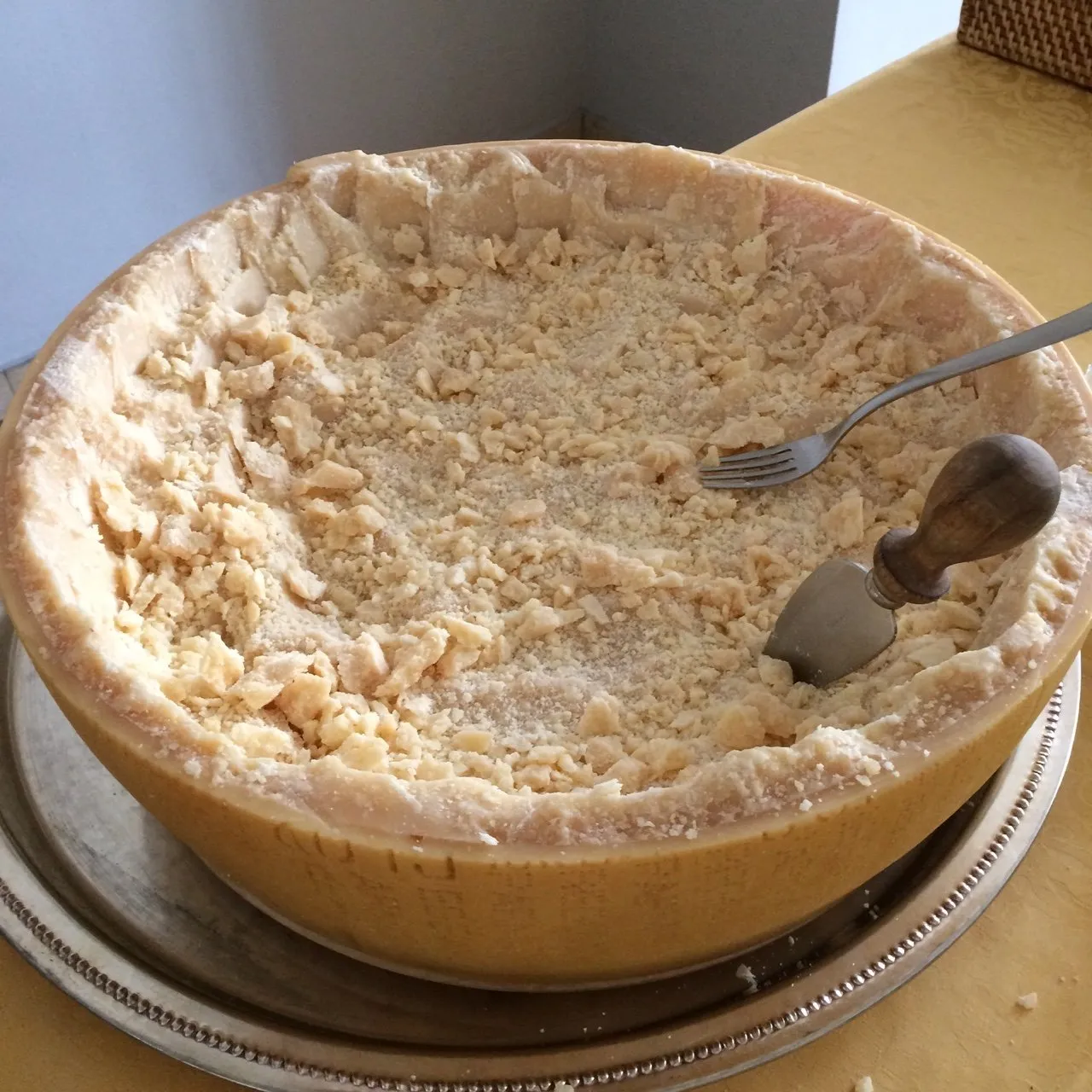
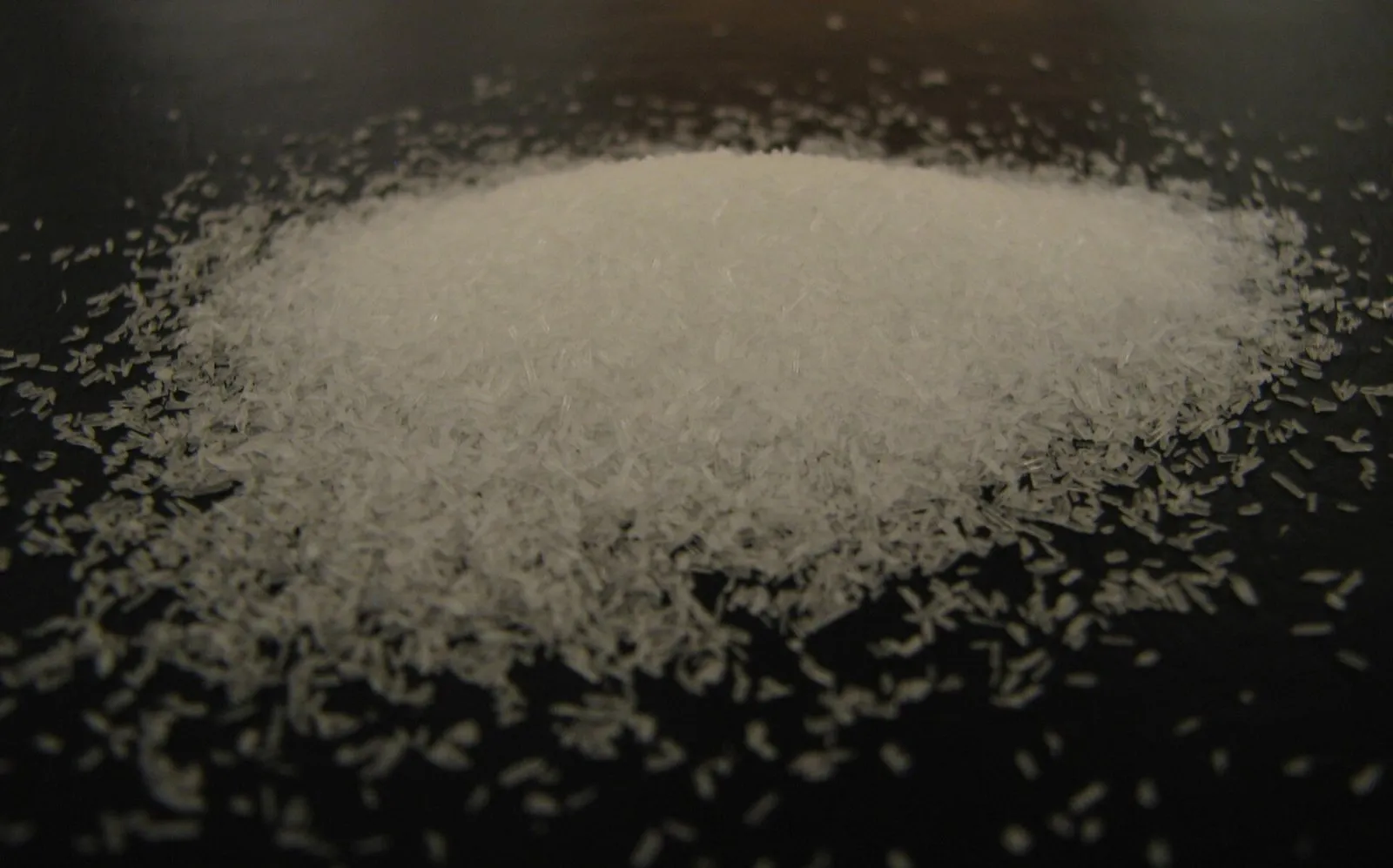
The non-essential amino acid with the most prominence in the kitchen is, without question, glutamic acid. Umami —the so-called “fifth taste”— was scientifically identified in 1908 by Kikunae Ikeda, a professor at Tokyo Imperial University, when he discovered that glutamate was responsible for the palatability of dashi broth made with kombu seaweed. A year later, in 1909, Ikeda and the businessman Saburōsuke Suzuki founded Ajinomoto Co., which marketed the first umami seasoning in history: monosodium glutamate (MSG).
Today MSG is produced industrially by bacterial fermentation, not by chemical synthesis: bacteria of the genus Corynebacterium (specifically C. glutamicum), grown with ammonia and carbohydrates, excrete L-glutamate that’s then neutralised with sodium. The process was first described in a 1957 study (Kinoshita, Udaka and Shimamoto) and was developed industrially in Japan.
Despite its bad reputation, monosodium glutamate is recognised as safe —GRAS, “Generally Recognized As Safe”— by the US FDA. The so-called “Chinese restaurant syndrome”, those headaches and that discomfort attributed to it for decades, is a myth with no solid scientific basis: double-blind studies show no such effects at normal MSG concentrations in food, and a trial with 130 subjects concluded that the response to MSG “was not reproducible”.
| Fact | Figure or detail |
|---|---|
| Discovery of umami | 1908, Kikunae Ikeda, from kombu dashi |
| Founding of Ajinomoto | 1909 |
| Regulatory status of MSG (FDA) | GRAS, generally recognised as safe |
| Industrial production process | Bacterial fermentation with Corynebacterium glutamicum, described in 1957 |
Not all non-essential amino acids play such a favourable role in cooking. Asparagine, by reacting with reducing sugars such as glucose and fructose above 120 °C, is responsible for the formation of acrylamide when frying or baking starch-rich foods. EFSA identifies neurotoxicity, adverse effects on male reproduction, developmental toxicity and carcinogenicity as risks of acrylamide, though it acknowledges that the existing epidemiological studies in humans are very limited and show no link between acrylamide and cancer.
In the kitchen: flavour, collagen and specific amino acids
Each of the eleven non-essential amino acids has its own role, both in the body and on the plate:
- Alanine. Fundamental to energy metabolism; abundant in meat and dairy products.
- Arginine. Involved in the immune response and in wound healing.
- Aspartic acid. Takes part in the synthesis of other amino acids and is common in protein-rich foods, a further basis for culinary innovation.
- Glutamic acid. Involved in brain and metabolic function, and it’s the umami flavour enhancer we’ve already seen: the most relevant of the eleven for a cook.
- Serine. Involved in the formation of essential cellular components.
- Tyrosine. A precursor of hormones and neurotransmitters.
- Glutamine. Key to gut health and the immune system.
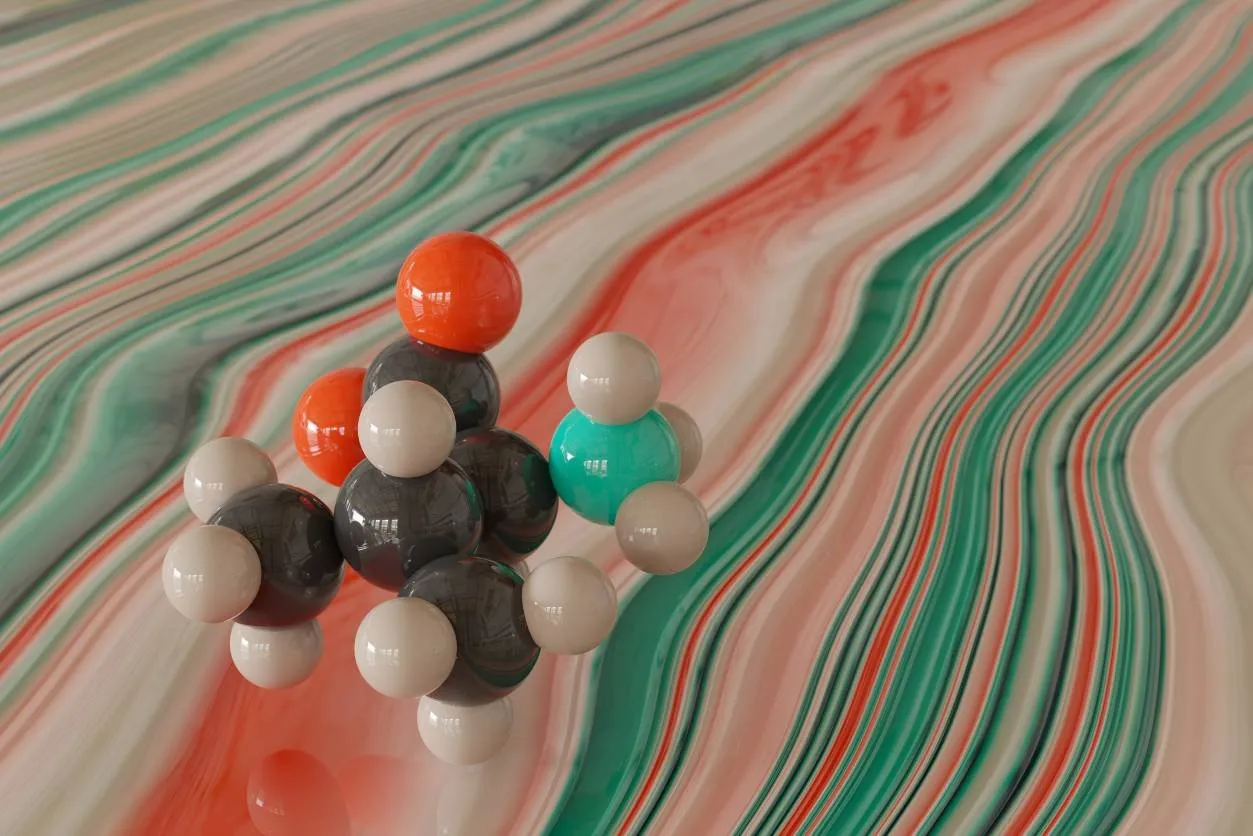
Two of the non-essential ones also carry a very specific structural weight: glycine makes up around a third of collagen’s total sequence, and proline —together with its derivative hydroxyproline— more than a fifth, around 22%. In mammalian skin collagen, for every 1,000 residues there are around 329 of glycine, 126 of proline and 95 of hydroxyproline. This is the chemical reason why stocks, broths and stews rich in gelatine —bone, skin, tendon— turn out so rich precisely in these two amino acids.
As a general nutritional reference, the recommended daily protein intake for a sedentary adult, according to the dietary reference of the United States and Canada, is 0.8 g per kilo of body weight per day; part of that protein arrives in the form of amino acids the body could already make on its own.
At Taste 1973: the umami of matured goat
The link between these amino acids and Diego Schattenhofer’s work isn’t generic: it’s documented in his own research into the maturation of Canarian goat meat. As the website explains, the maturation process “increases the concentration of free amino acids and improves protein digestibility”.
The chef himself details it in the first person when describing the advanced stage of maturation —from day 22 onwards—, compared with the “slight softening” of the initial stage (1-7 days): it’s in that advanced stage that “an increase in glutamate compounds, responsible for the umami sensation” occurs. It is, literally, the very same glutamic acid this whole page is about, released by the same maturation process being researched and applied at Taste 1973.
You can read more about it in The science behind meat maturation and in Nutritional benefits of matured goat meat.
Related terms
- Amino acids — the full category, essential and non-essential, of which this term is one half.
- Albumin — a whole protein built, among other things, from several of these amino acids.
- Antioxidants — another group of compounds with which non-essential amino acids often share a pantry and a protective role.
- Omega-3 fatty acids — the other major macronutrient of nutritional interest, alongside amino acids, in fish and meat.
- Omega-6 fatty acids — their fatty counterpart, with which it’s worth maintaining a dietary balance.
Do you have more specific questions about these amino acids? At the bottom of this page we answer the most frequently asked ones.
Sources consulted
- MedlinePlus, US National Library of Medicine (NIH): “Aminoácidos”
- Wikipedia (es): “Aminoácido”
- Wikipedia (en): “Asparagine”
- Wikipedia (en): “Umami”
- Wikipedia (en): “Monosodium glutamate”
- Wikipedia (en): “Acrylamide”
- Wikipedia (en): “Collagen”
- Wikipedia (en): “Protein (nutrient)”
- Our own post: “Beneficios Nutricionales de la Carne de Cabra Madurada”
- Our own post: “La Ciencia detrás de la Maduración de Carnes” (Diego Schattenhofer)
Frequently asked questions
What does it mean for an amino acid to be "non-essential"?
Which are the non-essential amino acids?
What's the difference between essential and non-essential amino acids?
What are "conditionally essential" amino acids?
Which non-essential amino acid is responsible for umami flavour?
Is monosodium glutamate (MSG) dangerous?
Which non-essential amino acid is part of collagen?
What are non-essential amino acids used for in cooking?
Also in the glossary
Omega-3 fatty acids
Omega-3 fatty acids are a type of essential polyunsaturated fat, meaning the human body cannot produce them on its own and they must be obtained through the diet.
Omega-6 fatty acids
Omega-6 fatty acids are a type of essential polyunsaturated fat, meaning the body cannot produce them and they must be obtained through the diet.
Pollack
Pollack is a fish highly prized in cooking for its versatility and mild flavour.