Diego Schattenhofer in Clarín: from a club canteen to the revolution of fish
- Published
- Section
- In the press
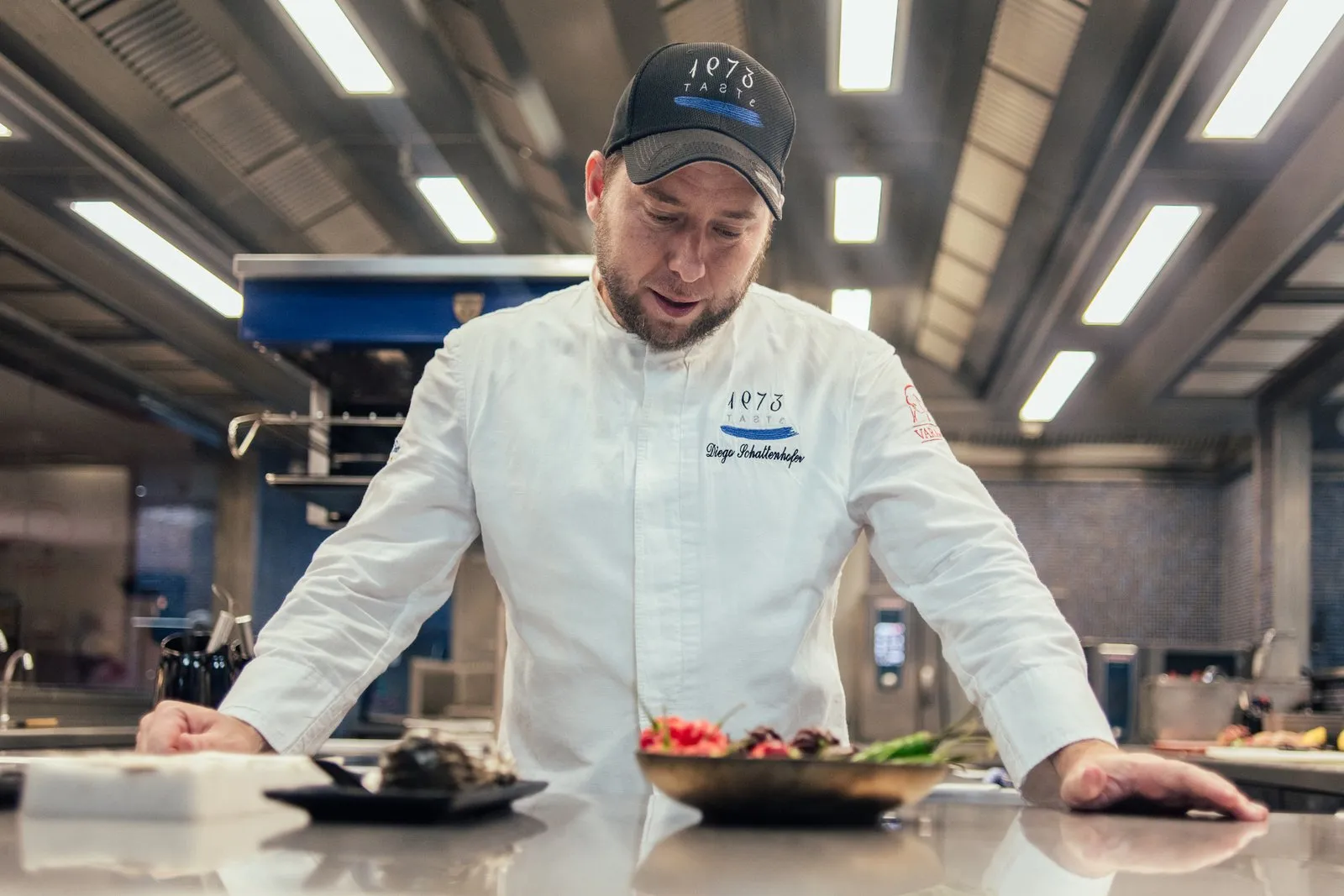
From cooking in a club canteen and sleeping at a bus stop to leading a revolution of fish in Spain
by Manuela Herzel, in Clarín (Argentina), 10 May 2026
Clarín has published an extensive profile of Diego Schattenhofer written by Manuela Herzel. We are glad that an Argentine newspaper tells this story from Tenerife: that of a cook from Chajarí who, after difficult years, has made marine produce the centre of his work at Taste 1973.
The piece recalls that the Schattenhofers, of Swiss origin, arrived in Argentina in 1887; they were butchers, charcutiers, livestock breeders and olive producers, and they built one of the first hotels of the nineteenth century, the Hotel Cosmopolita, whose records are kept at the Museo Regional Camila Quiroga in Chajarí. To that heritage was added the cooking of his Sicilian grandmother. Diego grew up amid the asados (Argentine barbecues) of Club Vélez Sarsfield from the age of four and, later in Buenos Aires, with no formal training, learned alongside Pablo Massey, Joan Coll and other cooks; he also taught classes, consulted for thirteen restaurants and worked on two Utilísima programmes.
In 2002 he arrived in Europe without a work permit. He had no wage and his partner supported him; he ended up sleeping at a bus stop. From that period he keeps one conviction: “Living on the street and not having enough to eat gave me a brutal sense of discipline and kept my feet on the ground.”
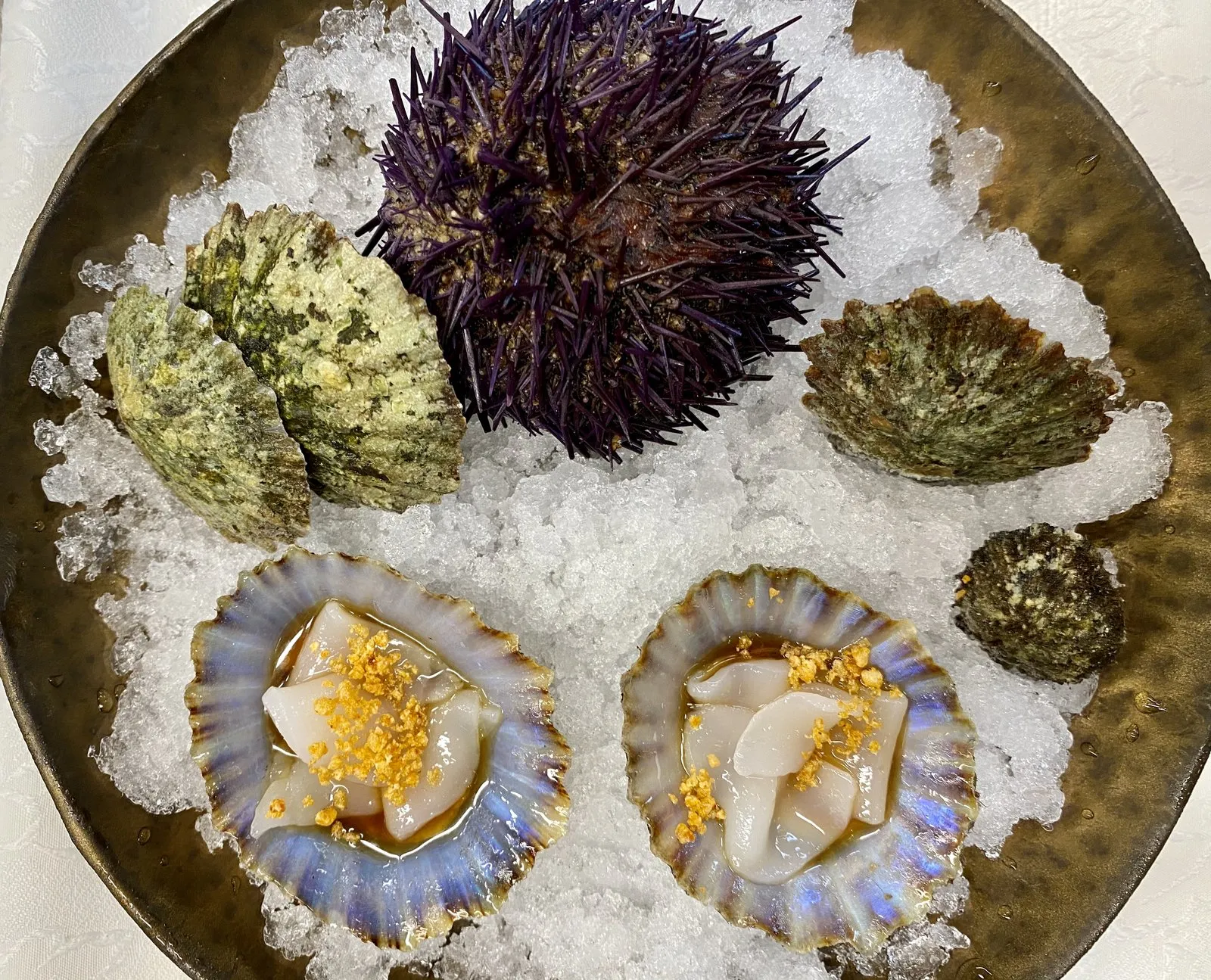
More than twenty years later, Diego is executive chef of the Hotel Villa Cortés and heads Taste 1973, the hotel’s restaurant in Playa de Las Américas, with a Michelin star since 2024 and a Repsol Sun. Eight cooks work in that kitchen, plus the trainees on placement, and it is also where the hotel’s 250 daily breakfasts come from. One of the pillars of his work is the maturation of fish: “We control temperature, humidity, even smoke or embers. That allows us to extend the shelf life of the fish — from four days to 30 or 40 — while at the same time improving its flavour and texture. It’s what I call cooking with awareness.”
That awareness also shows in Gastrosinapsis, the multidisciplinary team Diego co-founded, which brings together goatherds, potters, fishermen and farmers alongside historians, chemical engineers, biochemists, neurologists, veterinarians and volcanologists. “Since I had no academic training, what I did was surround myself with people who did. That’s how my need to put together a research group was born,” he says in the interview. At the Encuentro de los Mares, Diego and Chechu Arrieta, a scientist at the Centro Oceanográfico de Canarias, presented a figure that explains that urgency well: 33% of fish is thrown away during the cooking process.
Read the full piece at Clarín: From cooking in a club canteen and sleeping at a bus stop to leading a revolution of fish in Spain.
Madrid Fusión 2025: Diego Schattenhofer among the Revolutionaries of Spanish Gastronomy
Diego Schattenhofer's culinary innovation: exploring the maturation of fish in Tenerife