Amylase: A Key Catalyst in the Kitchen and in Nutrition
- Term
- Amylase
- Tags
- Enzymes · Food science
- Published
- Updated
What is amylase
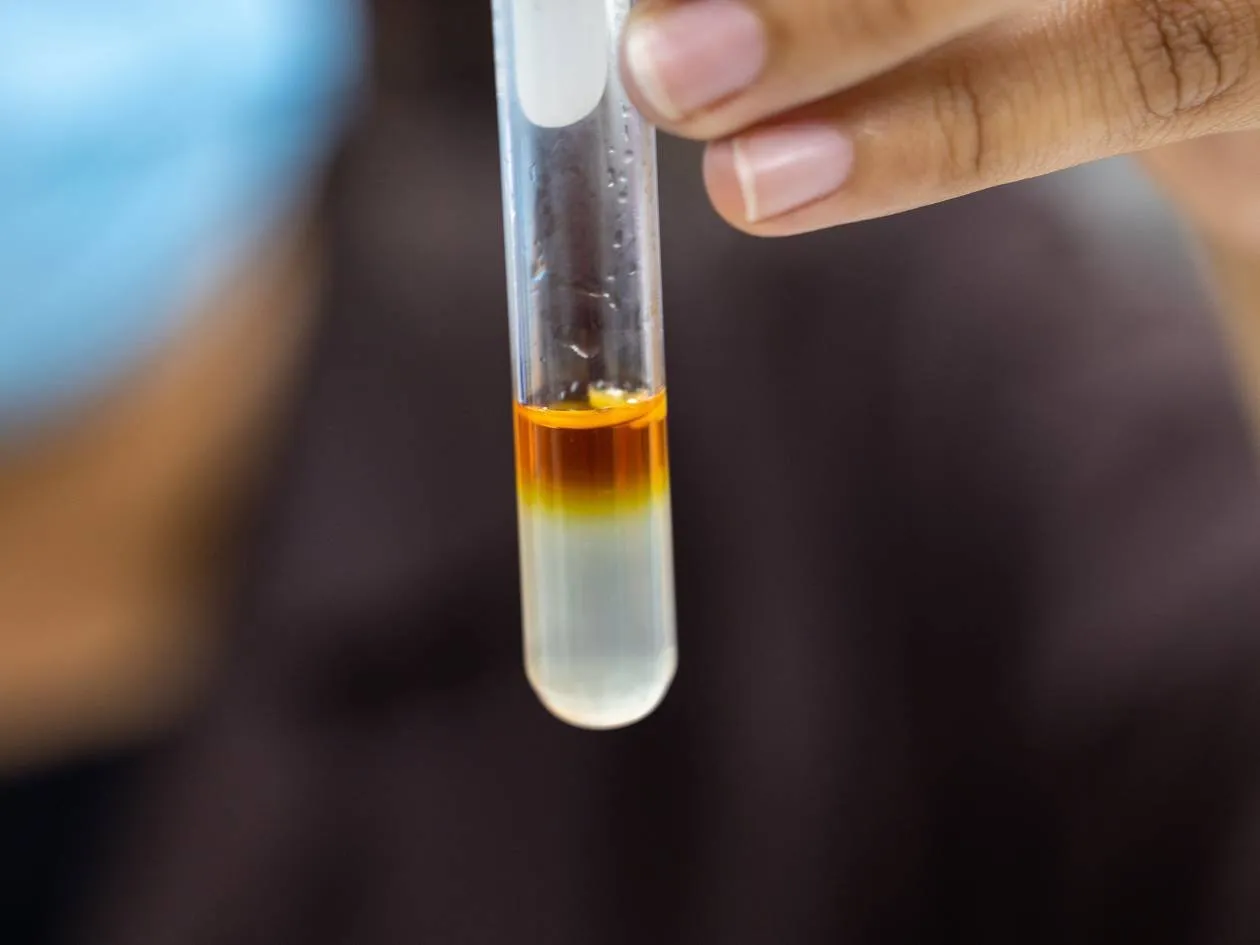
Amylase, an enzyme fundamental to the digestion and culinary processing of carbohydrates, plays a critical role in both human nutrition and gastronomy. This enzyme, present in saliva and the pancreas, begins the breakdown of starches into simpler sugars, such as maltose and dextrin, making them easier for the body to absorb. In cooking, amylase is exploited to transform textures and flavours, improving the quality of foods such as bread, beer and other fermented products.
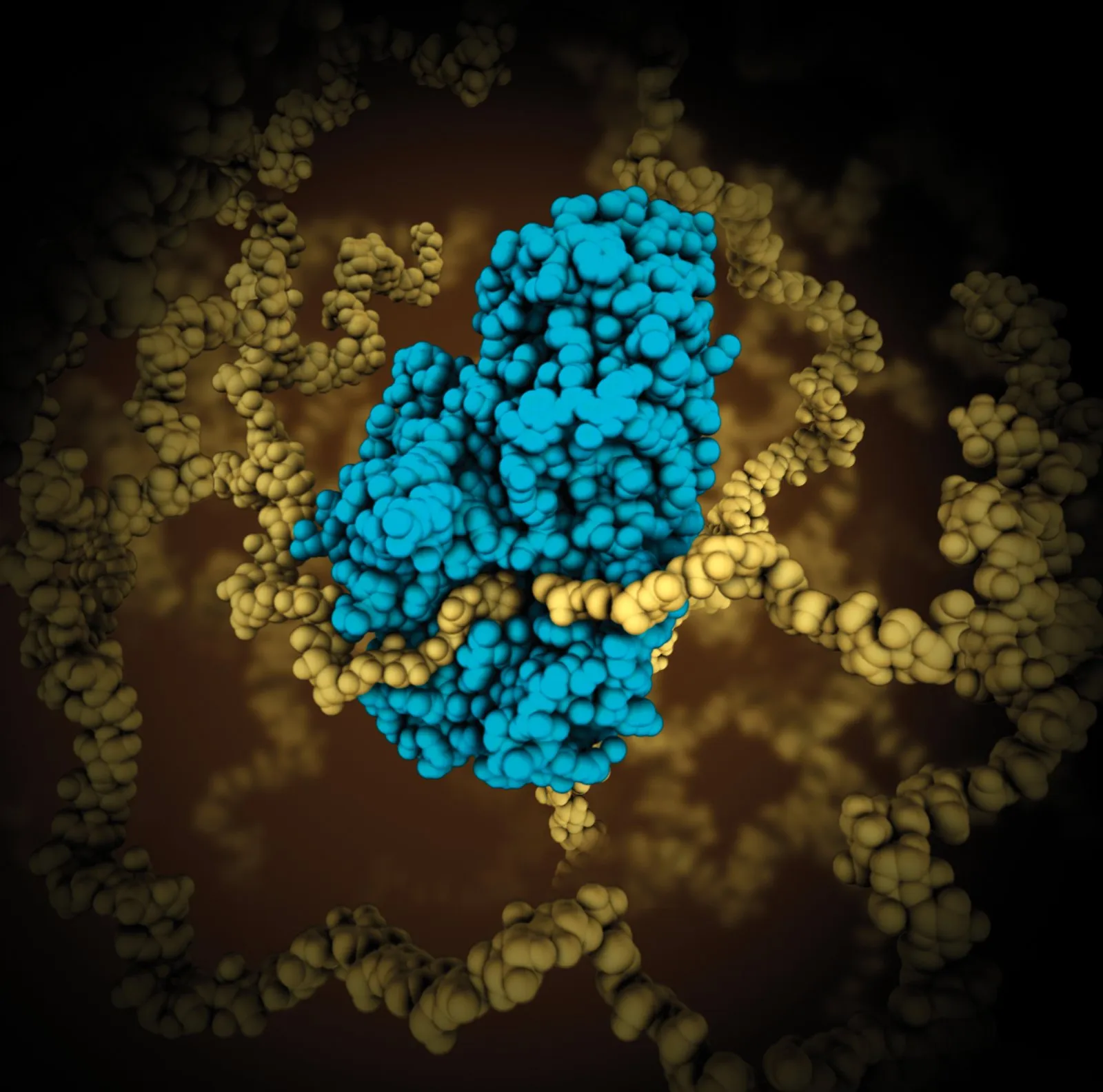
In biochemical terms it is a hydrolase: it catalyses the hydrolysis of the glycosidic bonds of complex carbohydrates — starch, glycogen — and breaks them into smaller fragments. That single action, repeated in a mouth, in a pancreas, in a mash tun or in a jar of honey, is everything amylase does. And it explains why it turns up at once in a blood test, in a sourdough starter and in the specification of a designation of origin.
Where the name comes from
The history of amylase is also the history of biochemistry’s own vocabulary.
In 1831, the German chemist Erhard Friedrich Leuchs first described a saliva enzyme capable of hydrolysing starch, which he called “ptyalin”. Two years later, in 1833, the French chemists Anselme Payen and Jean-François Persoz isolated an enzyme complex from germinated barley and named it “diastase”. That discovery set a convention that still holds nearly two centuries on: naming enzymes with the suffix -ase. All later nomenclature — protease, lipase, lactase and amylase itself — descends from that moment.
The third milestone came in 1862, when the Russian biochemist Aleksandr Yakovlevich Danilevsky managed to separate pancreatic amylase from trypsin, that is, to distinguish the enzyme that attacks starches from the one that attacks proteins.
It is worth remembering the names Payen and Persoz: “diastase” is not an archaism, it is still alive today in honey regulation, as explained below.
The three types: alpha, beta and gamma
There is not one amylase, but a family. The three variants attack the same substrate — starch — but they do it differently, and that difference decides which sugar comes out of each process.
| Type | EC number | How it attacks the chain | Optimum pH | Where it is found |
|---|---|---|---|---|
| Alpha-amylase | EC 3.2.1.1 | Randomly, at any point in the chain | 6.7-7.0 | Main digestive enzyme in animals |
| Beta-amylase | EC 3.2.1.2 | From the non-reducing end; releases maltose | 5.4-5.5 | Plants, fungi and bacteria; not in animal tissue |
| Gamma-amylase | EC 3.2.1.3 | Also breaks α(1→6) bonds; releases glucose directly | 4.0-4.5 | The most effective in acidic media |
The practical reading of the table is simple. Alpha-amylase cuts the chain at any point and generates dextrins. Beta-amylase trims the end of the chain and produces maltose, the fermentable sugar par excellence. And gamma-amylase is the only one able to dismantle the branch points too — the α(1→6) bonds — which lets it release glucose directly.
In the food industry, amylase is sold in several formats depending on the process: liquid, for ease of dosing and mixing; powder, with a longer shelf life and intended for dry products or for adding without introducing water; tablets or capsules, in the field of digestive supplementation; and as an enzyme concentrate for industrial applications, such as textiles or detergents.
In the human body
Amylase is produced mainly in the salivary glands — the parotid glands in particular — and in the pancreas. That dual production splits the work: carbohydrate digestion begins in the mouth, before swallowing, and continues in the small intestine with the pancreatic contribution. In both places, the enzyme breaks down starch and glycogen into fragments of glucose, maltose and dextrins, which are the forms the body can actually absorb.
There is a fact worth knowing because it connects the enzyme to the history of food. After the agricultural revolution, some 12,000 years ago, humans accumulated additional copies of the AMY1 gene, responsible for salivary amylase. Populations with historically starch-rich diets — of European or Japanese descent — have around 6 copies on average, compared with the 2-3 copies of hunter-gatherer populations such as the Biaka, the Datog or the Yakut. It is a sign of natural selection favouring higher amylase production in diets that depend on cereal and tuber.
Salivary amylase is also used as a biomarker of physiological stress, because its concentration rises when the sympathetic nervous system is activated.
Amylase in a blood test
This is the angle by which many people come to this word: amylase is a routine parameter in blood tests. The normal range in blood is 40 to 140 U/L (0.67-2.34 µkat/L), with slight variation between laboratories.
An elevated level can indicate, among other causes, acute pancreatitis, cancer of the pancreas, ovary or lung, inflammation of the gallbladder, infection or obstruction of a salivary gland duct, intestinal or bile or pancreatic duct obstruction, a perforated ulcer, a ruptured ectopic pregnancy or viral hepatitis. A low level can be due to bone fractures, congestive heart failure, pancreatic damage with scarring — chronic pancreatitis — gastrointestinal cancer or pregnancy itself.
This information is educational and comes from MedlinePlus, the information service of the US National Library of Medicine. A value outside the range does not by itself mean a diagnosis: interpreting it is for the healthcare professional who requested the test.
In the kitchen: bread, beer and cheese
Breadmaking
In breadmaking, amylase speeds up the release of simple sugars from the flour’s starch. Those sugars feed the yeast during fermentation, and from them come the rise of the dough, the golden colour and the crust. Many commercial breads add amylase — often in the form of malted barley — precisely to shorten a process that, in traditional sourdough breadmaking, requires a much longer fermentation. In other words: amylase is the enzymatic shortcut to fermentation time.
That same power has a documented occupational downside. Workers exposed to flour enriched with amylase have a higher risk of dermatitis and occupational asthma: between 5% and 9% of bakers test positive on skin sensitisation tests to the enzyme.
Brewing
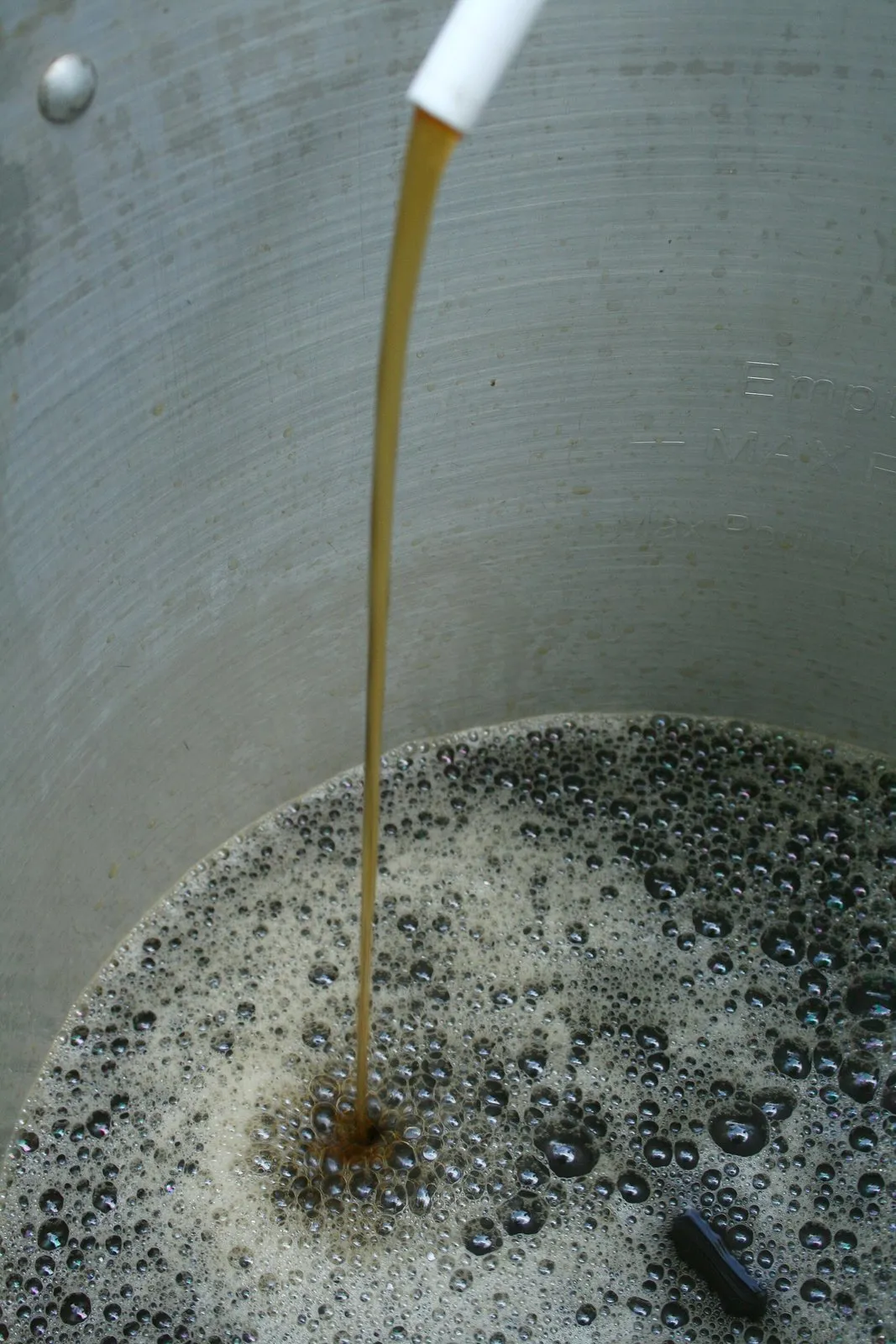
In brewing, amylase’s moment is the mash — mashing — the phase in which the grain’s enzymes convert starch into fermentable sugars. Without that step there is no possible alcohol, and the beer’s flavour profile is decided there.
The lever the brewer works is temperature, because each amylase works best in a different range:
| Enzyme | Working range during mashing | What it favours |
|---|---|---|
| Beta-amylase | 58-65 °C | Maltose: more fermentable wort |
| Gamma-amylase | 63-68 °C | Glucose released directly |
| Alpha-amylase | 68-74 °C | Dextrins: more body |
Choosing the mashing temperature is, therefore, choosing which enzyme is in charge, and with it the alcohol content, body and flavour of the resulting beer.
Cheese and other applications
Amylase can also be used in cheesemaking, to modify texture and develop more complex flavours during maturation. And as a reminder that its work does not end in the kitchen: bacterial amylase is one of the usual ingredients in detergents, where it dissolves starch residues from fabrics and dishes.
Food additive and legal framework
As a food additive, amylase is identified with the code E1100 and can be obtained from pig pancreas or from filamentous fungi.
Its use is not unrestricted. In the European Union, Regulation (EC) No 1332/2008 harmonises the conditions for using food enzymes, and none can be authorised without first passing a safety evaluation by the European Food Safety Authority (EFSA). It is the same framework applied in Spain.
In the clinical field, amylase is part of pancreatic enzyme replacement therapies (PERT) — such as Sollpura (liprotamase) — which help break down complex sugars into absorbable forms in people with pancreatic insufficiency.
In the Canary Islands: honey’s diastase
It is worth stating this precisely: there is no Canarian amylase, nor an island product that carries the enzyme’s name. The term’s link to the islands is indirect, but it is real and it sits in regulation: amylase is one of the parameters used to measure whether a honey has been treated properly.
Diastase — the historical name left by Payen and Persoz — is the natural amylase of honey, and its activity is quantified with the so-called diastatic index. Council Directive 2001/110/EC, relating to honey, requires in its annex that honey placed on the market has not been heated to the point of destroying or making largely inactive its natural enzymes, diastase among them. It is, in practice, an overheating detector: a honey with low diastatic activity gives away excessive heat treatment.
Any Canarian honey with a quality label must meet that requirement, and in the archipelago the reference is the PDO Tenerife Honey.
| PDO Tenerife Honey | Data |
|---|---|
| Protected since | January 2014 |
| Monofloral varieties covered | 13 (Teide broom, tajinaste, avocado, chestnut, fennel, pennyroyal…) |
| Multifloral categories | 3, by altitude band |
| Costa (coastal) | Below 450 m |
| Monte (midlands) | Between 450 and 1,200 m |
| Cumbre (summit) | Above 1,200 m |
In Argentina: north-western chicha muqueada
Amylase’s most direct cultural roots are on the other side of the Atlantic, and they are not a stretch: the enzyme appears by name in the description of an ancestral technique.
Maize chicha was the main alcoholic drink produced in present-day Argentine territory well into the Spanish colonial period. In the north-west — Jujuy, Salta, Tucumán, Santiago del Estero and Catamarca — a variant is documented called chicha muqueada: maize flour is chewed and spat into a container to ferment it, taking advantage of the fact that human saliva is a “rich source of amylase, a digestive enzyme that facilitates the conversion of starch into sugars”. The technique is now banned for hygiene reasons, but chicha is still drunk in north-western Argentina at religious festivals, birthdays and Pachamama celebrations. The Mapuche of the country’s south also prepare a non-alcoholic variant, muday, made with wheat or apples.
The parallel with brewing is exact, and it helps to understand what those communities were doing without knowing biochemistry. Andean chicha de jora — from Peru and Ecuador — solves the same problem another way: instead of saliva, it uses germinated or malted maize, the “jora”. Malting activates the grain’s own amylases, which is exactly the principle behind barley beer. Saliva or germination: two different cultural paths to the same chemical reaction.
Related terms
- Aperitif — the moment digestion begins, with salivary amylase already at work before the first course.
- Amino acids — the other great digestive breakdown: that of proteins, rather than carbohydrates.
- Albumin — another protein from the glossary read at once in the laboratory and in the kitchen.
- Aguardiente — every spirit starts from a fermentation, and when the raw material is a cereal, the sugar arrives thanks to amylase.
- Water activity (a𝘸) — another parameter of food science with a direct effect on preservation.
Sources consulted
Frequently asked questions
What is amylase?
What types of amylase exist?
Where is amylase produced in the human body?
What is the role of amylase in digestion?
What role does amylase play in bread and beer?
What does it mean to have high or low amylase in a blood test?
What is honey's diastatic index?
What is "chicha muqueada" and what does it have to do with amylase?
Also in the glossary
Antioxidants
Antioxidants are molecules capable of preventing or slowing down the oxidation of other molecules.
Aperitivo
The aperitivo, a tradition deeply rooted in many cultures, acts as an introduction to the culinary experience, preparing the palate and the digestive system for the main meal.
Aromatics
In a culinary context, the aromatic dimension refers to the sensory qualities of food that awaken the sense of smell and add depth and complexity to flavour.