Aromatics: Exploring the Senses Through Flavour and Smell
- Term
- Aromatics
- Published
- Updated
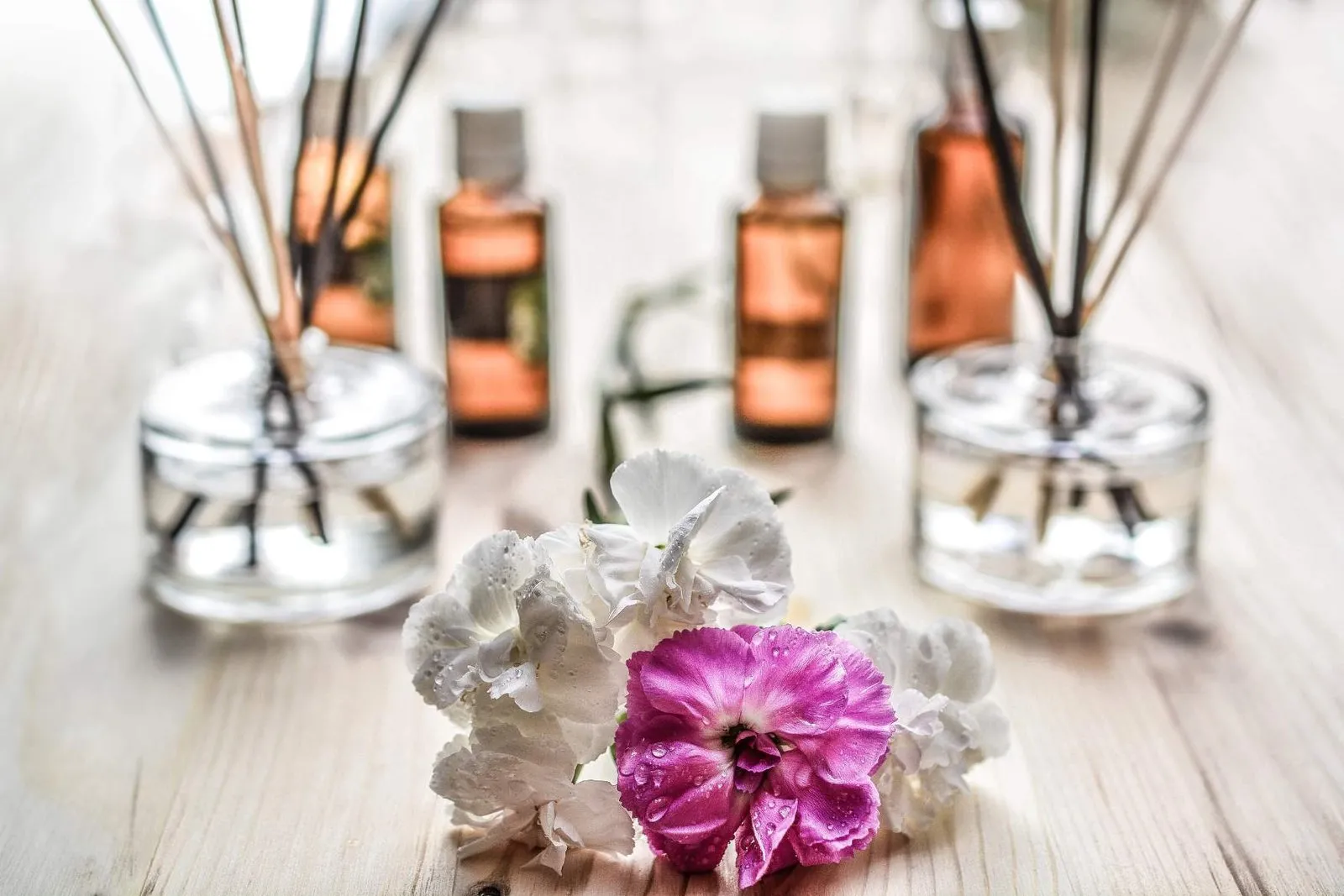
Exploring the world of aromatics: a sensory immersion in the kitchen
In a culinary context, the aromatic dimension refers to the sensory qualities of food that awaken the sense of smell and add depth and complexity to flavour. Aromatic components can be natural, such as fresh herbs, spices and aromatic vegetables, or they can be the result of fermentation and controlled breakdown processes that release volatile compounds.
Where the word “aromatic” comes from
“Aromatic” comes from the Latin aromaticus and means, in its most direct sense, “having a pleasant smell”. It shares ground with sweet-smelling, fragrant, odoriferous, scented and perfumed.
The root goes back one step further. “Aroma” comes from the Greek árōma, “highly fragrant plant”, and reached Spanish through Latin. The etymological dictionary rules out an old theory linking it to “arrancar” (“to pull out”) and concludes it’s a loanword of unknown, probably eastern, origin. “Aroma” also gives us “aromatise” and “aromo”, the name of a shrub.
Here it’s worth separating a second sense of the same word that has nothing to do with smell. In chemistry, “aromatic” names a group of unsaturated cyclic organic molecules: closed rings of alternating single and double bonds, more stable than open chains. Benzene is the textbook example. An aromatic compound in that sense doesn’t necessarily smell of anything.
The science: smell does most of the work of flavour
Around 60 % of what we call “flavour” comes from smell, not taste. As we chew, volatile compounds are released and rise from the mouth to the nose through the pharynx — this is retronasal smell — and the brain adds that information to what the tongue sends. That’s why a blocked nose “takes away the flavour” of food: what fails isn’t taste, it’s smell.
The equipment doing that work is disproportionate. Mammals have on the order of a thousand genes dedicated to encoding olfactory receptors, and humans have between 20 and 30 million olfactory cells, each with up to twenty sensory cilia.
What those cells detect are volatile organic compounds (VOCs): light molecules that evaporate easily and reach the nose. Among the most cited in food are terpenes, such as limonene from citrus fruit or pinene.
Taste and smell don’t work in isolation either. Umami isn’t in itself “tasty”: what it does is enhance the pleasant flavour of many foods, and it does so especially in the presence of complementary aromas.
The industry formalises all of this under its own category, the flavouring, defined as “a substance or mixture of substances with odoriferous and/or sapid properties, capable of conferring or intensifying the aroma and/or flavour of food”. They’re classified as natural — essential oils, extracts, oleoresins — and synthetic, whether nature-identical or artificial. The doses are small: odoriferous substances added to a food usually stay below 0.1 % of the total weight, and the rules require using the minimum amount needed to achieve the intended effect.
Role in cooking
Aromatics play a fundamental role in cooking by enriching the sensory experience of food. From the choice of fresh herbs in a salad to the addition of exotic spices in traditional dishes, aromatics can turn a simple dish into a memorable culinary experience.
Use in the kitchen: herbs, spices and vegetables
Chefs use a wide variety of aromatics to add depth and complexity to their culinary creations. Some common examples include:
- Fresh herbs: such as coriander, parsley, thyme and rosemary, which add fragrance and flavour to savoury and sweet dishes.
- Spices: such as cinnamon, cumin, ginger and cloves, which bring warmth and spiced flavour to a variety of dishes.
- Aromatic vegetables: such as onion, garlic, celery and carrot, which form the base of many stews, soups and sauces, adding depth and umami flavour.
The difference between the first two categories is technical and worth being clear on: an aromatic herb uses the leaves of a herbaceous plant; a spice comes from a hard part of the plant — seed, bark, root or fruit. Parsley is a herb; cinnamon, a spice. In everyday use the two terms overlap without any real problem.
Aromatic herbs are also grouped botanically into three main families:
| Family | Examples |
|---|---|
| Alliaceae | Garlic, chives |
| Apiaceae | Parsley, fennel |
| Lamiaceae | Thyme, rosemary, sage, oregano, mint |
Classic French cooking distilled a mix with its own name from that repertoire, fines herbes: chives, chervil, tarragon and parsley.
Aromatic bases: mirepoix, bouquet garni and sofrito
There’s a specific moment when aromatics come into play: the start. The aromatic base is the mixture of vegetables or herbs cooked before anything else to build the background flavour of a stew, stock or sauce. The name and the proportions change, but the idea is the same across half of Europe.
| Base | Ingredients | How it's used |
|---|---|---|
| Sofrito | Onion, carrot and celery; depending on the variant, tomato, garlic or coriander | Finely chopped and cooked slowly in fat until soft or caramelised |
| Mirepoix | Onion, carrot and celery, with optional leek | Cut into dice, traditionally in a 2:1:1 ratio |
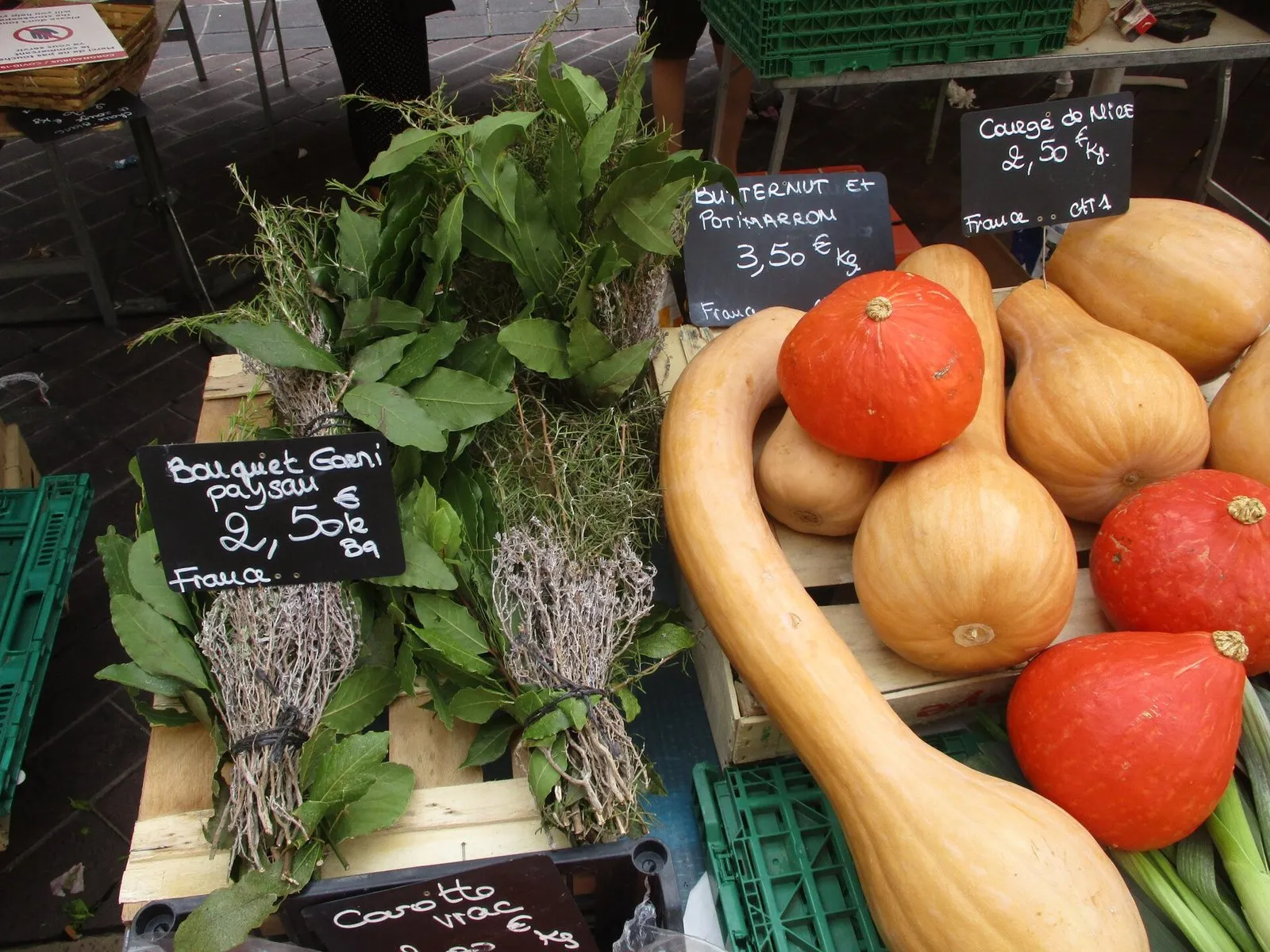
| Bouquet garni | Parsley, thyme and bay leaf; optionally basil, celery, chervil, rosemary, savory, tarragon, oregano, coriander or leek | Tied in a bundle, simmered with the stock and removed before serving |
The bouquet garni is the most discreet of the three: it lends its aroma and is removed before serving. It’s a classic ingredient of bœuf bourguignon, pot-au-feu, bouillabaisse and blanquette de veau.
The spices that moved the world
The trade in aromatics held a central place in economic history for centuries. The Phoenicians opened the Mediterranean’s first spice market, centred on Tyre, and jealously guarded the origin of their products until Alexander the Great conquered their empire in the fourth century BC.
The modern race began with the sea route. Vasco da Gama reached India by sea in 1498 and, by around 1506, Lisbon was Europe’s spice-trade capital. In 1602, the Dutch East India Company institutionalised the business.
The figure that best sums it up is nutmeg’s: by around 1600, its price had risen by 32,000 % between its purchase cost in Asia and its final sale price in Europe. It was worth more than gold.
In the Canary Islands: mojo and the herbs of aboriginal cheese
The Canarian aromatic base has a name of its own, and it’s a sauce, not a sofrito. Mojo — the word comes from the Portuguese molho, “sauce” — shares the same backbone across its two variants: garlic, salt, paprika and cumin or coriander. From there they diverge: mojo picón adds Palmero chilli, the so-called “picona”, and paprika; the green one uses green peppers with coriander or parsley. Heat is adjusted with the amount of garlic.
There’s a second, lesser-known and older Canarian use of aromatics. The aboriginal Canarian cheese that the ICIA and the Taste 1973 team are recovering is pressed in a matrix of local herbs, so that the biodiversity of the islands enters directly into its aromatic profile. The detail is told in the post Rediscovering aboriginal Canarian cheese with the ICIA.
In Spain: sofrito and its many names
Sofrito is the aromatic base of Spanish cooking: onion, carrot and celery finely chopped and cooked gently in oil, with tomato or garlic depending on the household and the dish. It’s the starting point of countless stews, rice dishes and sauces.
It’s also the clearest example of how the same technique travels and changes its surname. The same base is called soffritto in Italy, refogado in Portugal, hogado in Colombia, salteado in Argentina and hogo or refrito in Ecuador.
In Argentina: chimichurri
In Argentine cooking, the defining aromatic is a cold sauce: chimichurri, made with parsley, oregano, garlic, vinegar, oil, crushed chilli and salt. It traditionally accompanies asado and choripán, and is also used to marinate fish and poultry. Much of the international reputation of Argentine asado travels with it.
Its exact origin is uncertain. It most likely has pre-Hispanic Andean roots, since related sauces exist across the Andean region. The etymology is even less well documented: a Basque origin has been proposed, and there’s also a popular legend that traces it back to British prisoners asking for “curry” during the English invasions. Neither has been proven.
At Taste 1973: 130 aromatic compounds and two edible perfumes
Here the term stops being vocabulary and becomes laboratory work. The dry-maturation study of Canarian goat meat signed by Diego Schattenhofer and Dr Marichu Fresno, of the Canary Islands Institute of Agricultural Research (ICIA), compared three maturation times — 48 hours, 30 days and 60 days — in a chamber held between 0 and 2 °C with a relative humidity of 85 ± 5 %. The analysis detected more than 130 aromatic compounds, whose presence grows as maturation progresses. The first conclusions are set out in the post First conclusions of the goat meat study, and the same figure is revisited in A gastronomic and wine journey through the volcanic heart of the Canary Islands.
That material produced something you don’t eat with a spoon. At Madrid Fusión Alimentos de España, Diego presented two edible perfumes: “Pinar del Teide”, with a pine aroma evoking the volcano, and “Medianía”, a tribute to the Tenerife goat and to the flora, fauna, potatoes, chestnut trees and fruit trees of Tenerife’s mid-altitude belt. It’s told in Tenerife tastes with its sense of smell.
“Medianía” was developed with Alfonso Álvarez, a fragrance expert and founder of Scentmate by dsm-firmenich, and with María (Marichu) Fresno herself, a doctor of veterinary medicine at the ICIA. The perfumes were also presented in the Salón Noble of the Cabildo de Tenerife and received public praise from chef Ferran Adrià, as reported in What does Tenerife smell like?.
Impact on health and wellbeing
Beyond their role in cooking, aromatics can also bring health benefits. Many herbs and spices have antioxidant and anti-inflammatory properties, and some, such as turmeric and ginger, have been shown to have positive effects on digestion and the immune system.
| Aromatic | Beneficial properties |
|---|---|
| Turmeric | Antioxidant, anti-inflammatory, digestive |
| Ginger | Antioxidant, anti-inflammatory, anti-emetic |
| Rosemary | Antioxidant, antimicrobial, cognitive |
| Basil | Antioxidant, anti-inflammatory, digestive |
| Garlic | Antioxidant, antimicrobial, immune-boosting |
Exploring new flavours
In modern cooking, chefs experiment with new aromatics and flavour combinations to create distinctive dishes. From herb infusions in cocktails to aromatic oils in main courses, the scope for exploring aromas and flavours remains wide.
The aromatic dimension, in short, doesn’t just add flavour and fragrance to food: it’s the route through which most of what we later call flavour arrives. A fresh herb in a salad and a spice in a main course do the same job as a perfume served before a menu; the scale changes, not the mechanism.
Related terms
- Sensory appreciation — how what the nose and palate perceive is ordered and described.
- Allicin — the compound in garlic, one of the most-cited culinary aromatics.
- Antioxidants — protect sensitive compounds during processes such as fermentation.
- Aguardiente — what distillation concentrates from an aroma, and what it loses along the way.
- Gastronomic innovation in goat products — the work behind the 130 aromatic compounds of matured goat.
Sources consulted
- Wikcionario: “aromático”
- Etimologías de Chile: “aroma”
- Diario HOY: “Tenerife se come con el olfato”, by Javier Varela
- El Día de Tenerife: “¿A qué huele Tenerife?” (16-03-2024)
- El Digital Sur: “Schattenhofer y Fresno: estudio sobre la carne de cabra”
- Wikipedia: Hierba aromática · Especia · Sofrito · Mirepoix · Bouquet garni
- Wikipedia: Aromatizante · Sabor · Olfato · Umami · Compuesto orgánico volátil
- Wikipedia: Mojo picón · Chimichurri
Frequently asked questions
What are aromatics in cooking?
What's the difference between an aromatic herb and a spice?
What is an aromatic base and what is it for?
Why is smell so important to the flavour of food?
What aromatics go into Canarian mojo?
What goes into Argentine chimichurri?
Has Diego Schattenhofer researched aromatic compounds?
Does "aromatic" mean the same thing in cooking as in chemistry?
Also in the glossary
Aspic
Aspic is a savoury gelatine made with meat or fish stock, clarified and set through the prolonged cooking of collagen-rich bones.
Non-essential amino acids
Non-essential amino acids, those our body can synthesise by itself, play crucial roles both in our health and in the culinary world.
Omega-3 fatty acids
Omega-3 fatty acids are a type of essential polyunsaturated fat, meaning the human body cannot produce them on its own and they must be obtained through the diet.