Diego Schattenhofer in MassCultura: the aged mojo with soleras
- Published
- Section
- In the press
The “aged mojo”, the astonishing sauce developed by chef Diego Schattenhofer
In MassCultura, 27 July 2022.
MassCultura magazine devotes a feature to one of our slowest and most cherished preparations: the aged mojo. We’re glad it’s told unhurriedly, because it’s a piece of work that isn’t seen in the dining room and that began even before Taste 1973 opened its doors.
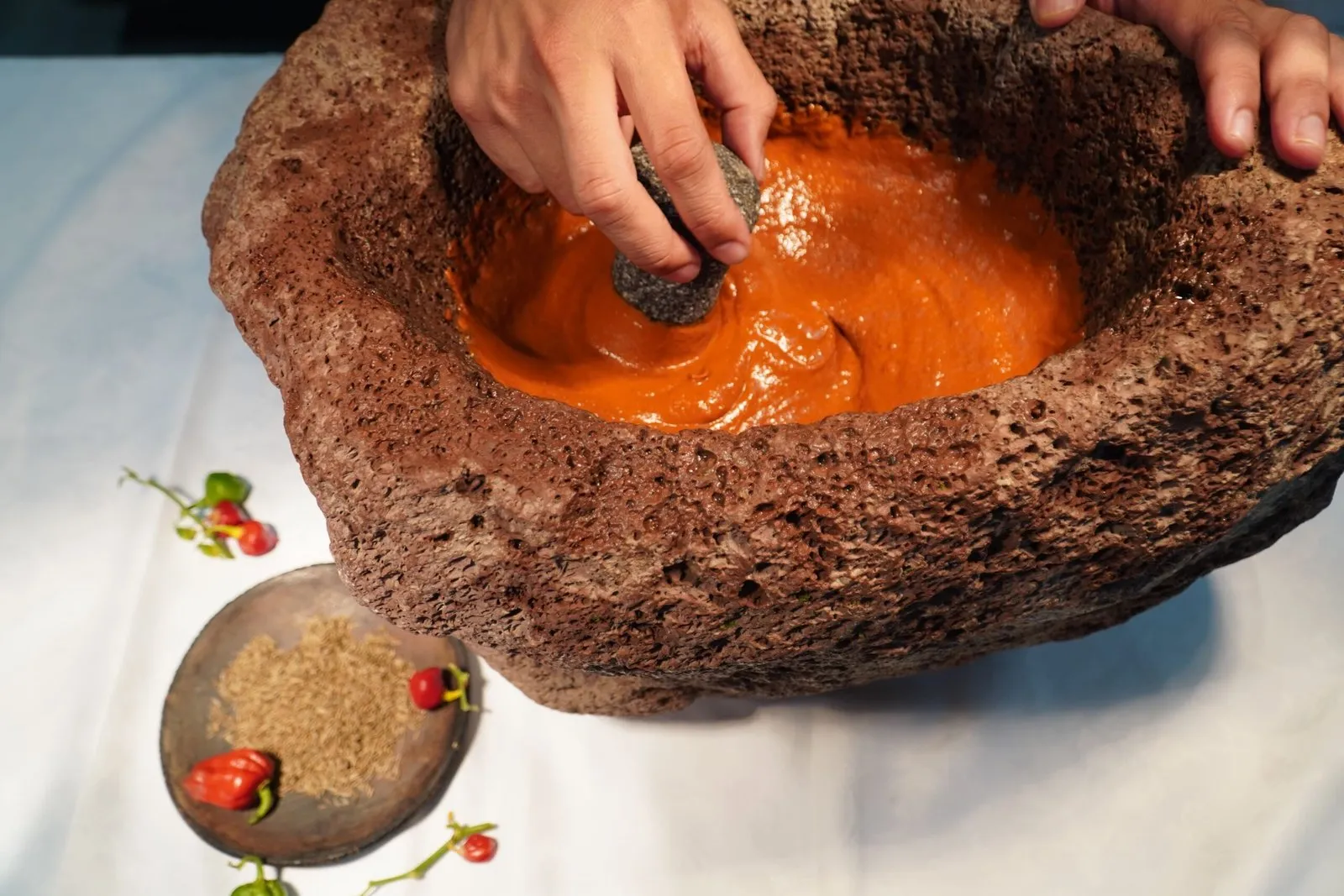
The story begins in 2018, one afternoon at Paco Pérez’s Miramar —one of the masters Diego trained with in Spain— in Llançà. Paco had just received, sent by Andoni Luis Aduriz, the “mole madre” from Enrique Olvera’s Pujol in Mexico City. That same afternoon, in those kitchens, Diego began working on the possibility of creating a traditional Canarian mojo madre. MassCultura sums it up like this: “Starting from Mexican chef Enrique Olvera’s ‘mole madre’ (Pujol, Mexico City), Schattenhofer has transformed the famous Canarian mojo into an extraordinary sauce with ‘soleras’.”
The result travelled to Tenerife, to the restaurant, which back then was neither finished nor open: it would open a few months later, in 2019. With the pandemic and the mandatory closure, all the work done up to that point was lost, although it stayed in the cold rooms. On reopening, Diego went back to the “mojo madre”, which he prefers to call “aged mojo”. The one served exclusively at the restaurant today was started on exactly 1 January 2022.
It’s a traditional Canarian mojo made in an oven kept at 50-55 °C and “fed” with traditional mojo, also playing with other permitted ingredients such as banana, pineapple, almond or cured cheese. The base preparation is the classic one: confit garlic, cumin seeds, salt, pimienta palmera pulp (a chilli from La Palma), vinagre macho (a strong traditional Canarian vinegar), olive oil and a touch of white wine. As the feature explains: “The most aged mojo is kept on oven trays (two days at 55ºC, the rest at 50ºC), and new mojos are made every week with part of the aged mojo,” gaining complexity, depth and colour.
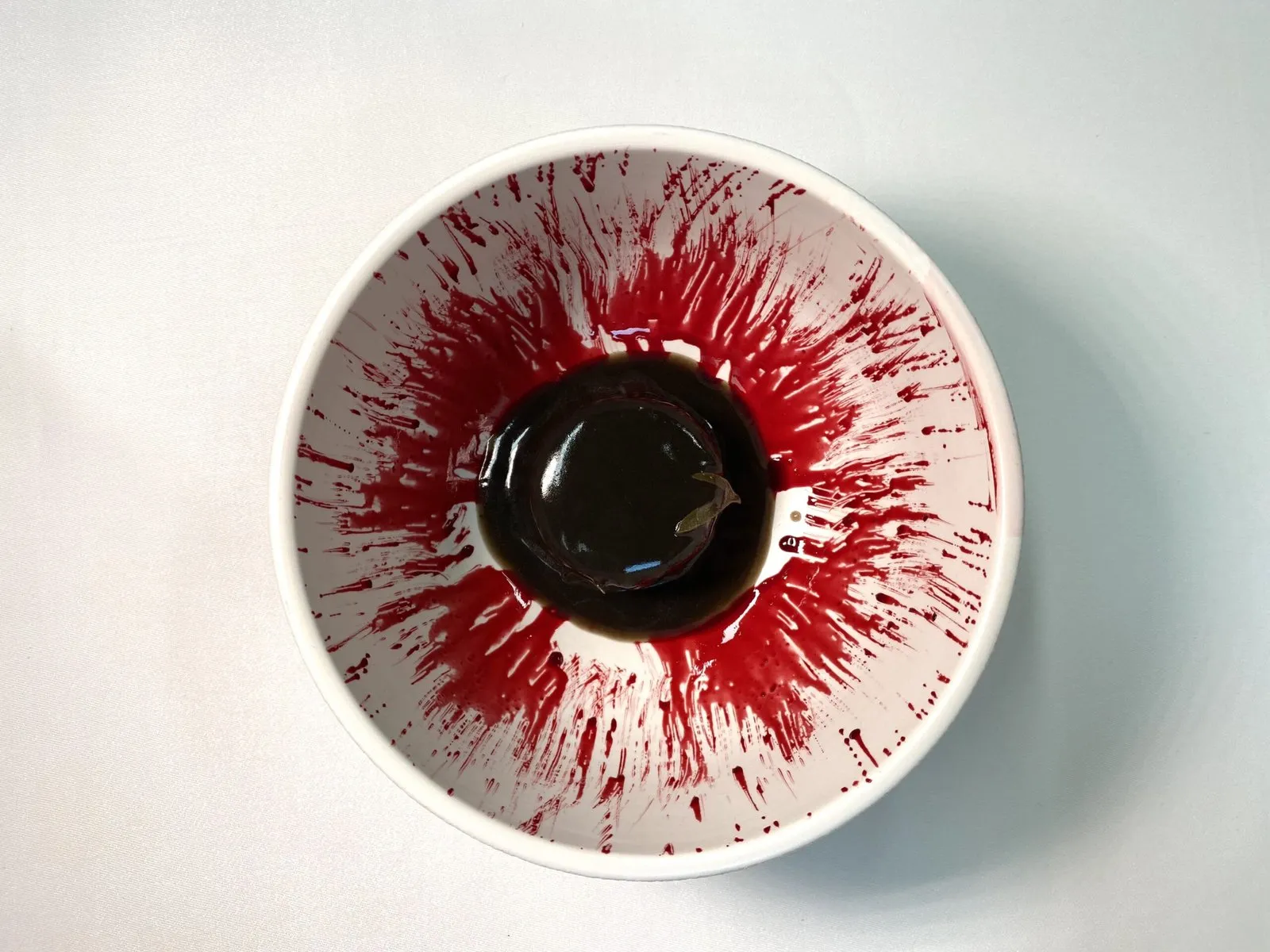
From this back-and-forth come the soleras described in the piece: the first, very spiced in aroma, intense, long and with little acidity; the second, with more spice power, prolonged acidity, toasted notes and a gentle bitterness; the third, delicate, fatty, with long acidity and a medium texture; the fourth, very fresh, light in spices and very creamy in texture. With all of them, Diego recreates an assemblage to which live mojos will keep being added and which will keep evolving. That freshness, that acidity and that creaminess are enjoyed in dishes as much our own as the butchery of Canarian goat, a tribute to the goatherds of Tenerife. It is, at heart, the same idea that guides all our culinary innovation: looking at an age-old recipe and asking how far it can go.
Thank you to MassCultura for putting it in writing when the mojo had been growing inside the oven for barely a good six months.
Read the full piece on MassCultura: The “aged mojo”, the astonishing sauce developed by chef Diego Schattenhofer.
The chef Diego Schattenhofer revolutionises Canarian cuisine with his research on the native goat