Gastronomic Products of the Canary Islands: Beyond Goat
- Published
- Section
- Gastronomy

The gastronomic products of the Canary Islands represent a unique culinary heritage that combines tradition and innovation. The archipelago offers a diversity of ingredients and preparations that underpin modern Canarian cuisine.
Products of the Canarian Sea
The Atlantic Ocean surrounds the Canary Islands with exceptional marine richness. The fish maturation technique developed in Tenerife is revolutionising local gastronomy.
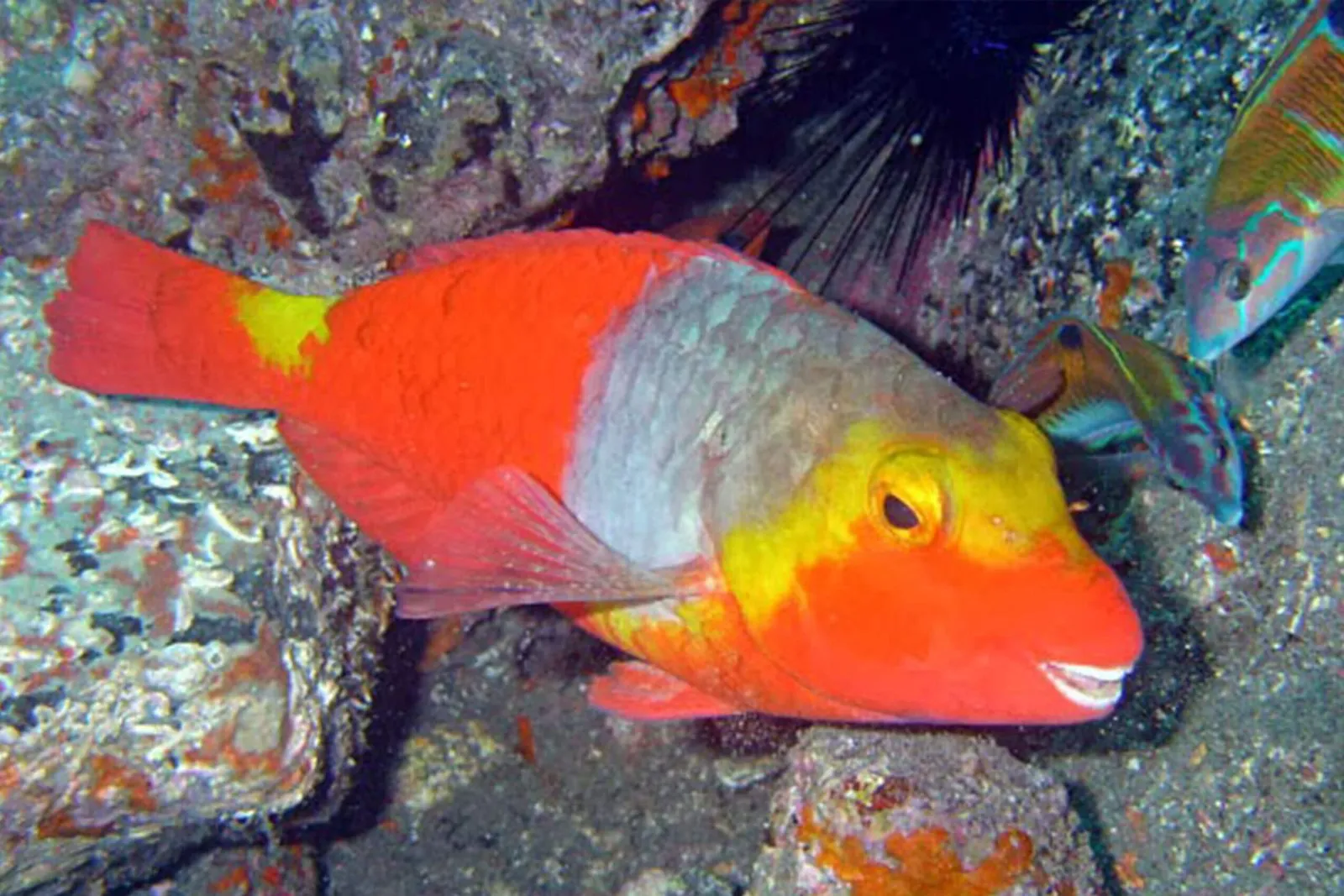
Featured Species:
- Parrotfish: An emblematic fish with firm, tasty flesh
- Wreckfish: Prized for its texture and culinary versatility
- Pollack: A versatile species for a range of preparations
| Species | Best Season | Recommended Techniques |
|---|---|---|
| Parrotfish | April – September | "A la espalda" (split open along the backbone and grilled), baked |
| Wreckfish | All year round | Maturation, steamed |
| Bluefin tuna | May – July | Maturation, raw |
Canarian Artisan Cheeses
Canarian cheesemaking tradition stands out for its diversity and quality. Goat’s milk cheeses account for the bulk of production, with techniques inherited from the islands’ indigenous peoples.
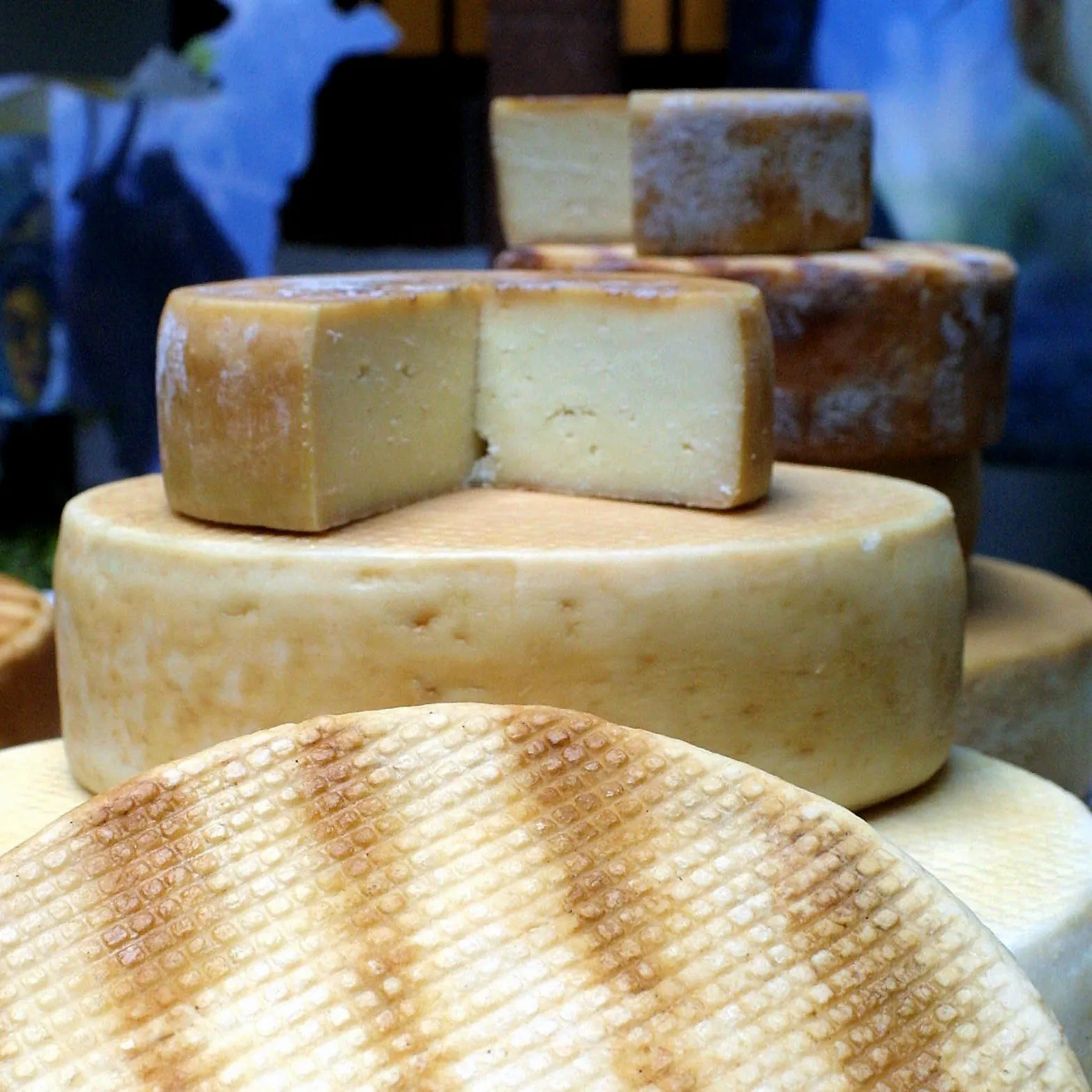
Aboriginal Canarian cheese revives ancestral production methods, using vegetable rennet and traditional maturation techniques.
| Designation | Island | Characteristics |
|---|---|---|
| PDO Queso Flor de Guía | Gran Canaria | Made with vegetable rennet |
| PDO Queso Palmero (opens in a new tab) | La Palma | Smoked goat's cheese |
| PDO Queso Majorero | Fuerteventura | Rubbed with paprika or gofio |
Meat Products of the Islands
The science behind meat maturation applies innovative techniques to traditional products. The Canarian goat is a prime example of gastronomic evolution.
The Canarian native breeds bring unique characteristics to meat products:
- Canarian goat: Lean meat with a distinctive aromatic profile
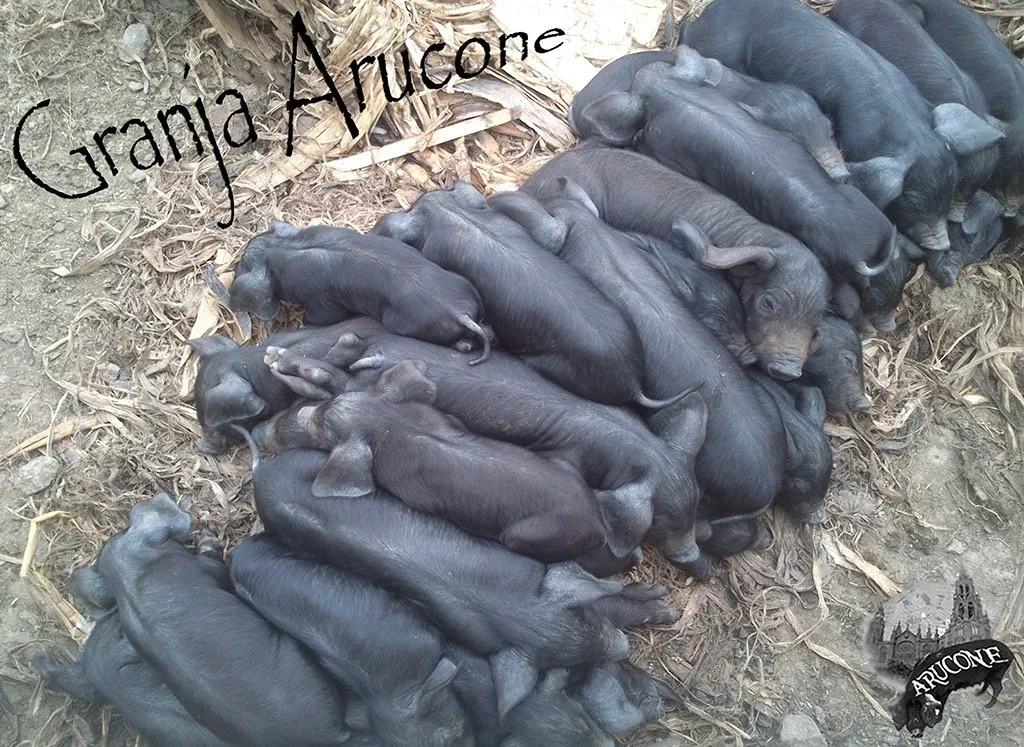
- Canarian black pig: A recovered breed with high gastronomic value
- Canarian cattle: Adapted to the island’s terrain
Agricultural Products of the Midlands
The Canarian midlands produce unique ingredients that define local gastronomy. The diversity of microclimates allows for specialised crops.
Featured Products:
- Ancient potato varieties: More than 30 native varieties
- Tenerife honey: With Protected Designation of Origin
- Gofio: Traditional Canarian toasted cereal
Traditional Wines and Beverages
The Canarian wine heritage includes unique varieties adapted to the volcanic terrain. Designations of origin protect the authenticity of local wines.
| DO | Main Varieties | Characteristics |
|---|---|---|
| Tacoronte-Acentejo | Listán Negro | Structured reds |
| Valle de La Orotava | Listán Blanco | Aromatic whites |
| El Hierro | Verijadiego | Mineral whites |
Innovation in Local Products
Culinary innovation transforms traditional products. The GastroSinapsis project drives gastronomic research in the Canary Islands.
Innovative Projects:
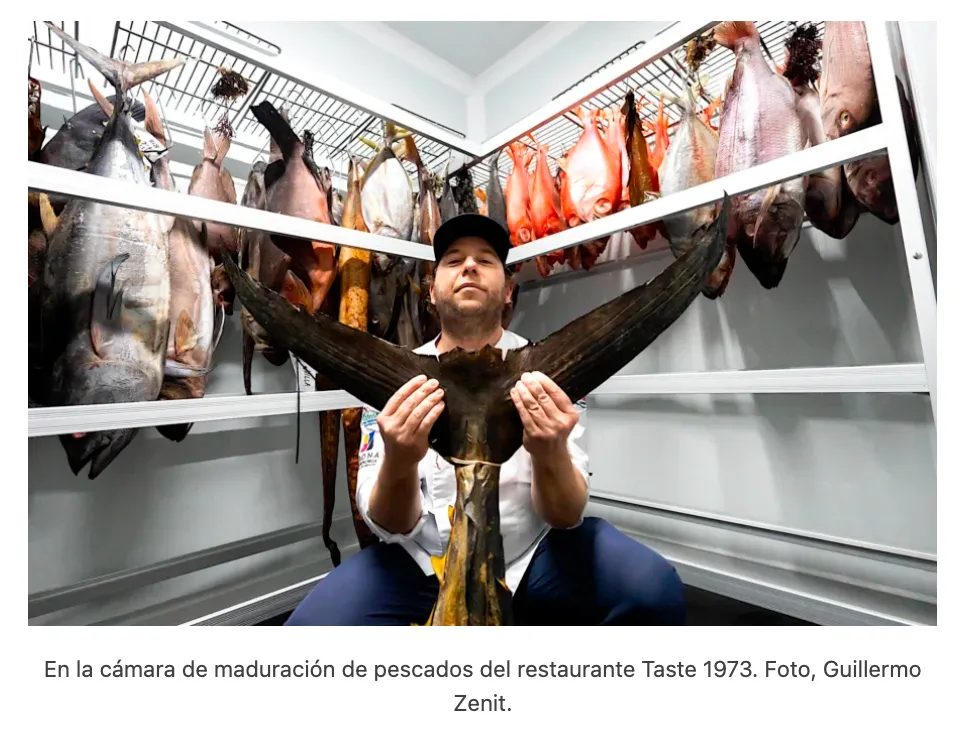
- Fish maturation
- Controlled fermentation
- New preservation techniques
Sustainability and the Future
Sustainable production secures the future of Canarian gastronomy. Local producers are adopting responsible practices.
Sustainable Initiatives:
- Controlled artisanal fishing
- Organic farming
- Extensive livestock farming
Frequently asked questions
What are the most representative gastronomic products of the Canary Islands?
Where can you buy authentic Canarian gastronomic products?
What quality certifications do Canarian products have?
You may also like
AI Chef Pro: A Suite of Artificial Intelligence Tools and Applications for Chefs, Cooks and Hospitality Professionals
Gastronomy
What Is Culinary Innovation: A Leap Forward in 21st-Century Cooking
Gastronomy
Guillermo García and Nahuel Núñez of 1973 Taste Win the Canary Islands Chefs' Absolute Championship 2024 – Review in The Citizen Magazine
Gastronomy