Maillard reaction: the browning that is not sugar alone
- Term
- Reaction of Maillard
- Tags
- Food science · Chemistry · Techniques
- Published
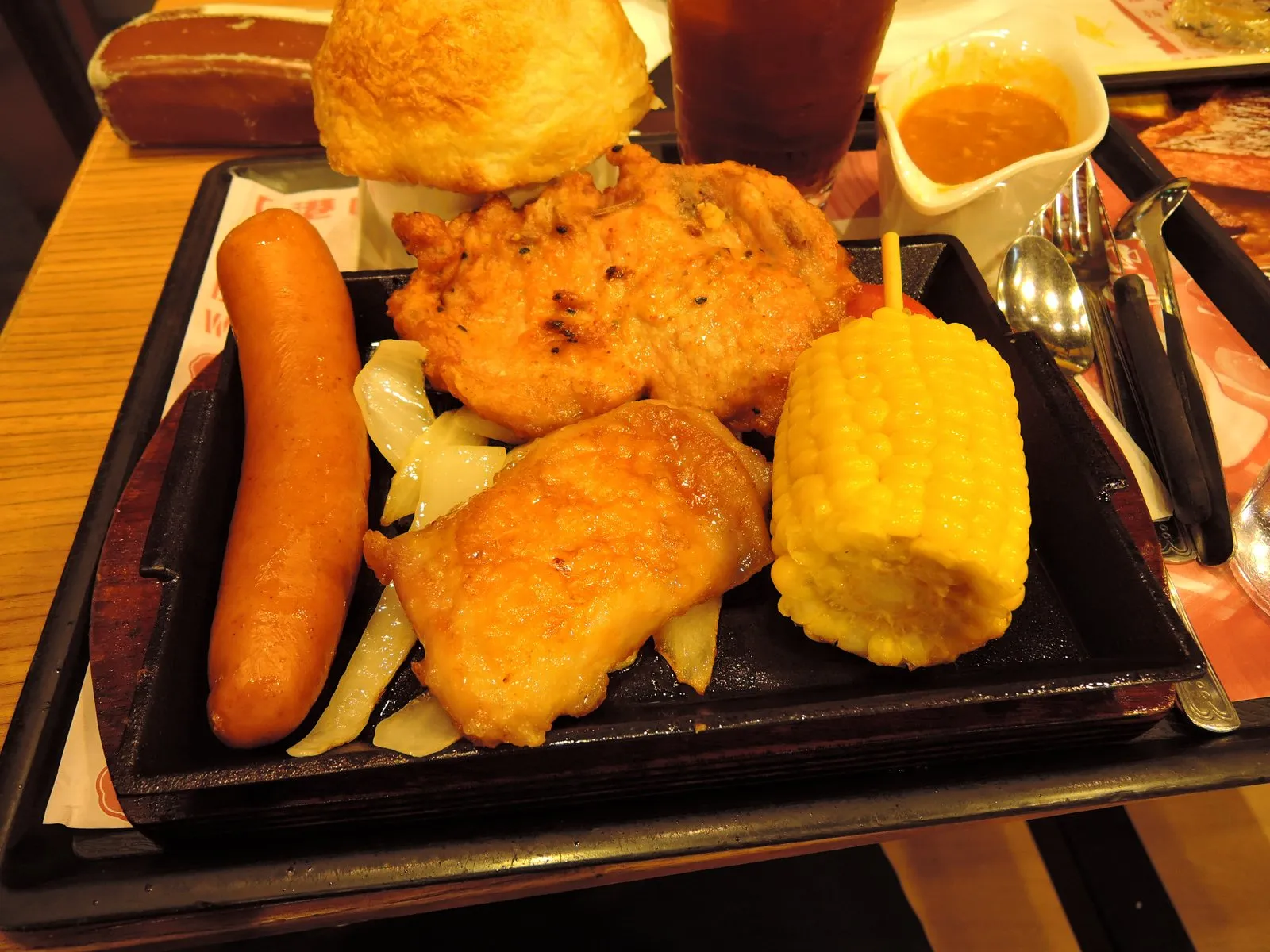
The Maillard reaction is the set of reactions between sugars and amino acids that, with high heat and low moisture, browns food and changes its flavour. The crust of meat, that of bread and the roasted coffee bean show the colour. The name belongs to a chemist, not to a brand of pan. The same path, in starchy foods, is the one the European authority points to as the main origin of acrylamide.
The photographs are that trace, not a diagram. The lead image is a grill, with the dark crust of direct heat. The bread crust is the oven. The beans are the roast. None of them measures a temperature. They show the browning a diner calls done.
Maillard’s work
In 1912, Louis-Camille Maillard published the work on the action of amino acids on sugars and the methodical formation of melanoidins. The bulletin of the international society that studies this reaction, archived by the HAL of INRAE, records that citation. The surname went on to name the set. In the kitchen it is used for the browning of the surface, and in the laboratory for a network of reactions that does not fit in a single step.
Melanoidins are the brown pigments of that path. They are not a pure caramel and not the enzymatic ochre of a cut fruit. They appear when the sugar and the amino acid have reacted and the heat has pushed the set forward. That is why a seared meat, a bread with a crust and a roasted coffee share colour without sharing a recipe. They share reactants and temperature.
The century of the finding explains the name and does not give a pan temperature. Maillard described the reaction. Kitchens were already browning before the paper existed. The year sets the work in its date and sets aside the idea that browning is a recent fashion of the avant-garde. The gesture is old. The chemical name is that of this work.
Heat, moisture and the amino acid
The EFSA press note of 4 June 2015 places the formation of acrylamide in cooking at high temperature, above 120 °C and with low moisture. The main process, that note says, is the Maillard reaction, the same one that browns food and changes its flavour. It forms from sugars and amino acids present naturally, above all asparagine.
Those three conditions — high heat, little water at the surface, sugar and an amino acid — are the ones the pass already recognises without naming them. A meat in a dry pan browns. The same meat submerged in a broth boils and stays grey. Bread browns in the crust, where the oven has dried the surface, and not in the moist crumb. Coffee is roasted, not boiled. Abundant water at the surface steals the browning because the temperature stays at that of boiling and because the moisture is not low.
Asparagine is the amino acid the note highlights for acrylamide. It is not the only amino acid in meat or in bread. Amino acids are the whole group, and the non-essential ones include several that the kitchen does not need the diner to tell apart one by one. For the browning it is enough to know that there is free amino acid beside the sugar. For acrylamide, the note points above all to asparagine.
Frying, baking, roasting and industrial processing too enter the same paragraph of the EFSA. It is not a phenomenon exclusive to the restaurant or exclusive to the factory. A fried potato and a piece of bread from a bakery pass through the same type of reaction if there is starch, sugar, amino acid, heat and a dry surface.
Acrylamide
Acrylamide forms in starchy foods during that cooking. The EFSA CONTAM panel reconfirmed, in the same note, that acrylamide in food may increase the risk of cancer in all age groups. It is not a risk reserved to a single dish or a single age. It is the reason browning stopped being only a virtue of flavour.
Regulation (EU) 2017/2158 sets mitigation measures and benchmark levels. It obliges the operators concerned to apply those measures and to monitor them. It entered into force in April 2018. The craft that fries, bakes or roasts starchy products on a large scale works inside that frame: choosing varieties, controlling the final colour, not pushing the roast beyond what the flavour asks. Browning lightly does not leave acrylamide at zero. Lowering the extreme colour is part of the measures the regulation asks to be applied.
The Commission page summarises that duty. The colour in the photograph — the almost black crust of a grill, the very dark coffee — is the visible trace taken far. In a starchy food, that extreme is just what the mitigation measures invite people not to seek. In a meat, the acrylamide path is not that of starch; the browning of the grill remains Maillard of flavour, and the European caution cited here is written for starchy foods.
It is not caramelisation
Caramelisation browns a heated sugar. The sucrose of a syrup, taken past the clear point, darkens and turns bitter with no need of an amino acid. The reaction the EFSA calls Maillard also needs the amino acid. A custard whose sugar burns in the saucepan can be caramelisation. The crust of bread is not explained by that alone: in the dough there is protein and there are free amino acids.
The oxidation of a cut apple is a third brown colour, enzymatic, in the cold. No oven is required. Joining the three names — caramel, Maillard, enzymatic browning — in a single sentence of it turned brown erases the remedy. Caramel is controlled with the fire and the water. Maillard, with the moisture of the surface and the time. The apple, with the acid and the reductant.
Wrinkled potatoes are boiled in water and then dried. The drying wrinkles the skin and concentrates the salt. It is not an acrylamide oven and not a searing of meat. If the skin comes to toast too far on a long fire, the colour is already another phenomenon. The Canarian cooking that defines them is a boil and a brief drying, not a roast.
Related terms
- Amino acids — the reactant that, beside the sugar, sets this reaction apart from a caramel.
- Non-essential amino acids — the group in which the kitchen does not ask the diner to separate them one by one.
- Oxidation — the cold browning of cut fruit, from another cause.
- Wrinkled potatoes — a boiling in water and a drying, not this oven browning.
Sources
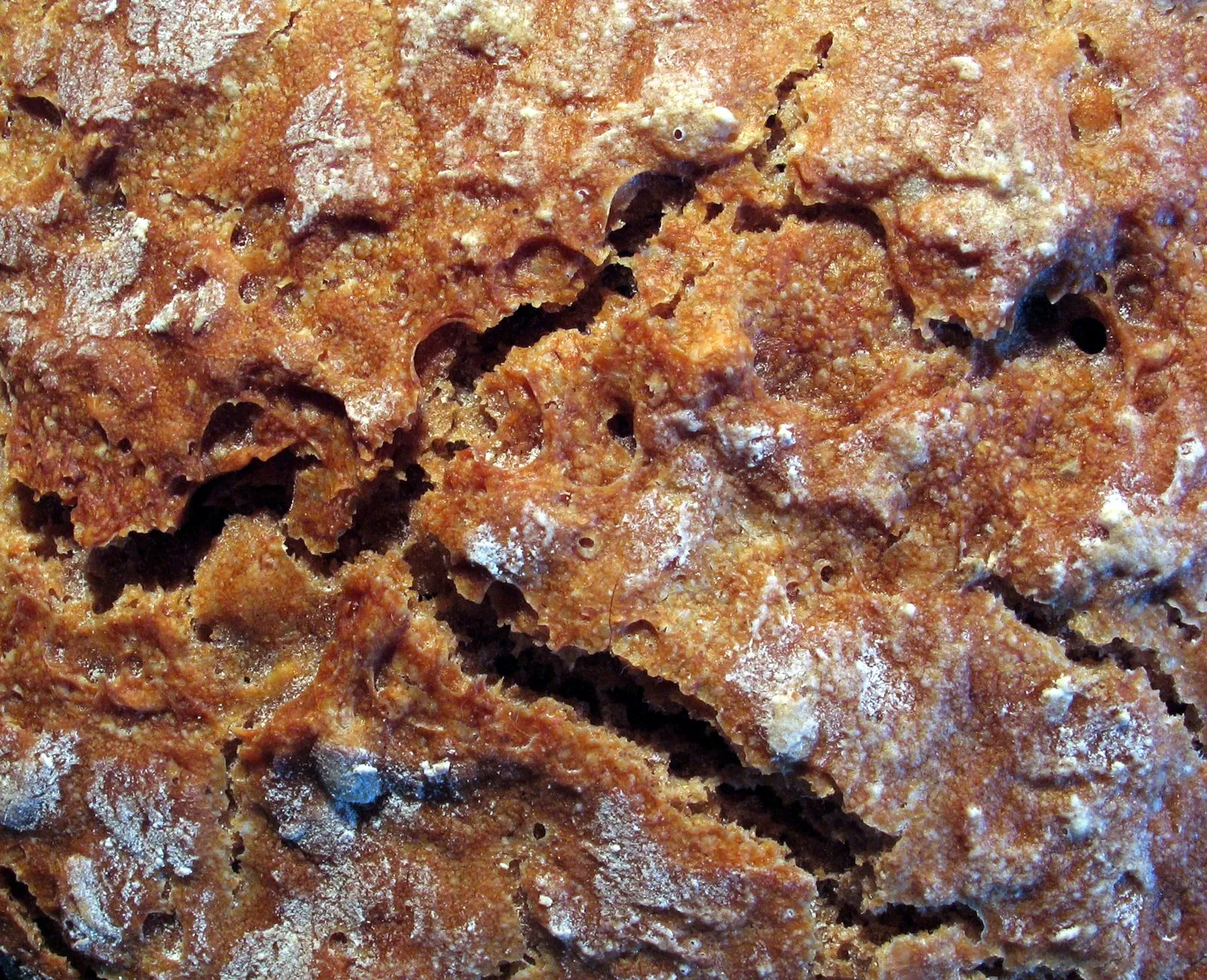 — view the full-size photo
The crust is the visible trace: heat, a dry surface and the amino acids of the dough. 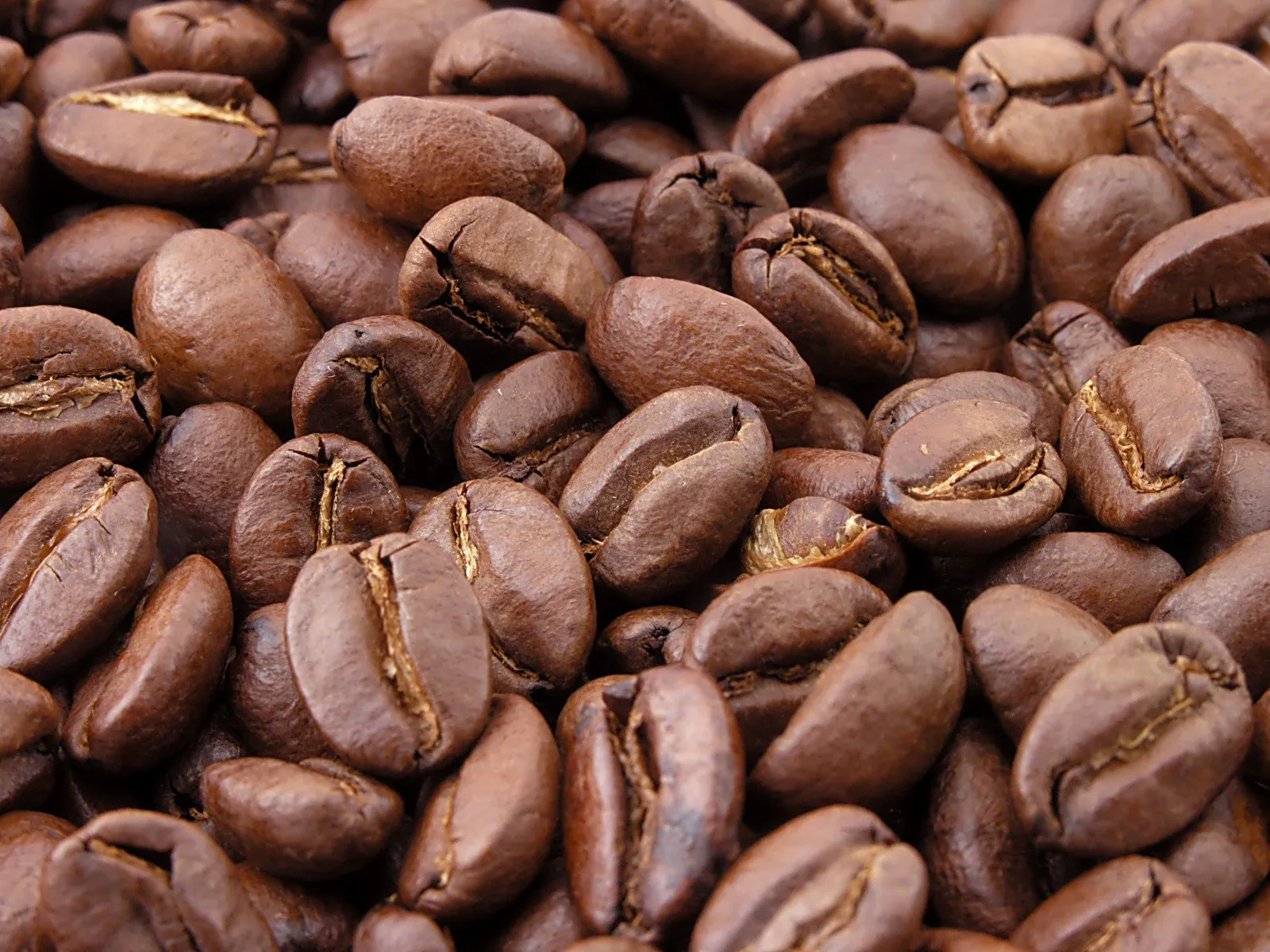 — view the full-size photo
Roasting coffee darkens the bean by heat. The colour is the trace; the aroma is the other result.
Photos: 1. Roger McLassus (opens in a new tab) (CC BY-SA 3.0 (opens in a new tab)) · 2. MarkSweep (opens in a new tab) (Public domain)
Frequently asked questions
What is the Maillard reaction?
Is it the same as caramelising?
Where does acrylamide appear?
Is the crust of bread Maillard?
Is the browning of an apple Maillard?
Also in the glossary
Sensory appreciation
Sensory appreciation in gastronomy is a fascinating field that delves into how our senses interact with food, turning every bite into a unique experience.
Sous-vide (vacuum cooking)
Sous-vide is cooking in a sealed vacuum bag, submerged in a water bath at a controlled temperature.
Transglutaminase
Transglutaminase is an enzyme that joins food proteins by linking glutamine and lysine, and in the European Union it is treated as a food enzyme.