Diego Schattenhofer at the VII Encuentro de los Mares 2025: tuna as a model of sustainability
- Published
- Section
- Congresses
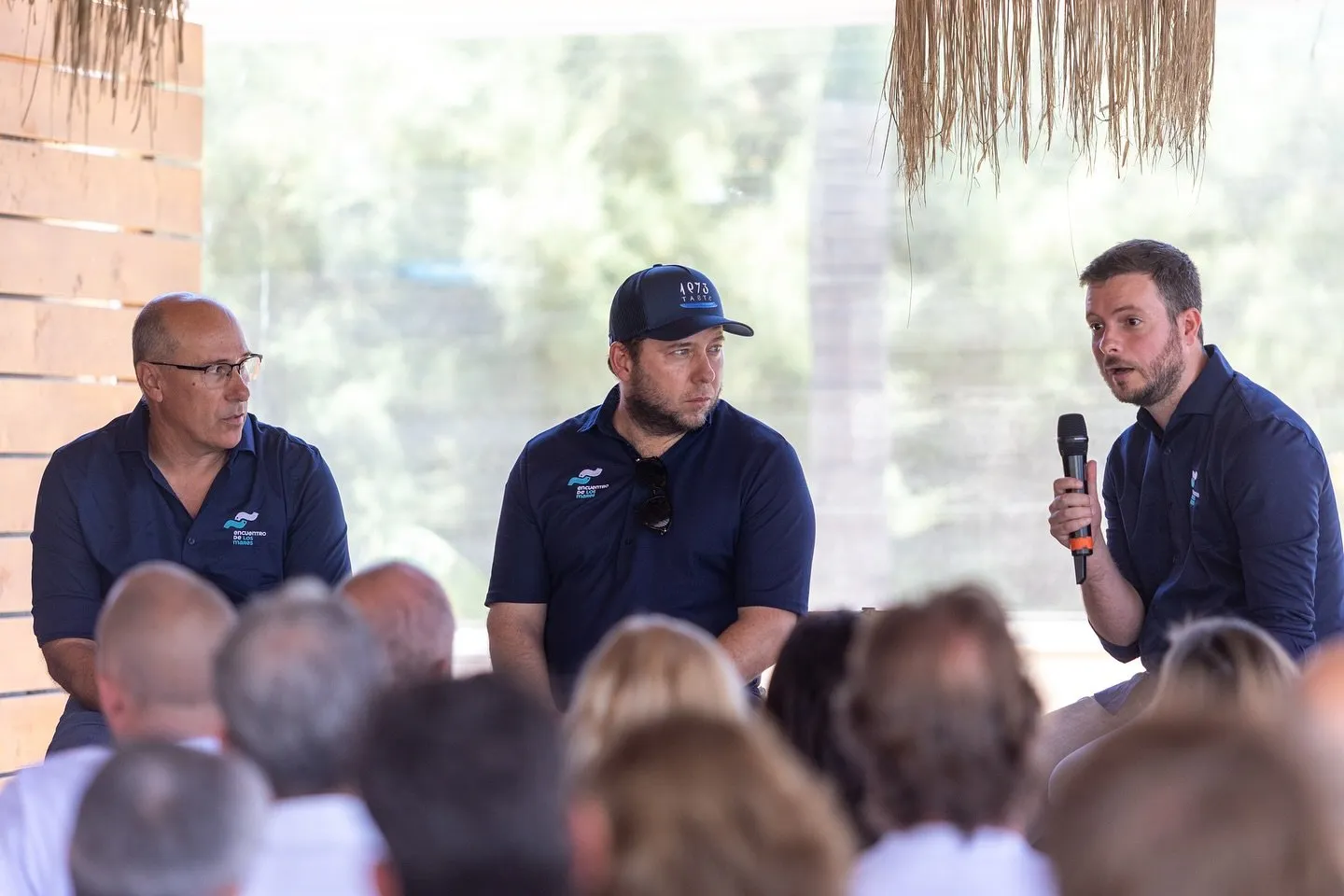
Tuna as a model of sustainability
Tenerife, 30 June 2025.
There are congresses you visit, and congresses you live from inside your own house. The VII Encuentro de los Mares — “Meeting of the Seas” — was one of the latter. The international congress on gastronomy, science and marine sustainability — promoted by the Cabildo de Tenerife, through Turismo de Tenerife and its Primary Sector area, and organised by Vocento Gastronomía — returned to the island with a theme that carried far more than it seemed: “Ciencia y vida, el poder de la sal” (Science and life, the power of salt). Turismo de Tenerife announced the event from 29 June to 2 July, with the chef Ángel León (Aponiente, in Cádiz) and the scientist Carlos Duarte among the notable names on the programme.
Somewhere in that programme, we found ourselves sitting down to talk about tuna, which in the Canary Islands is no ordinary fish: it is a trade, a season, and part of the livelihood of the island’s harbours. Diego shared the table with the researchers Enrique Lozano, researcher and lecturer at the Universidad de La Laguna, and Pedro Pascual, researcher at the Instituto Español de Oceanografía. Between the three of them, as he put it himself, they analysed “the role of tuna as a model of sustainability, integrating ecological, nutritional and social variables”.
That phrase, which sounds like a headline, is actually a way of working. A tuna is not sustained by the biology of the stock alone: you also have to look at what it brings to the table, what is done with the parts nobody asks for, and who makes a living from it on land. That’s why a chef sits next to two researchers, and not next to another chef. In the words of the post itself, “#EDM25 is an opportunity to address, from a gastronomic perspective, one of today’s great challenges: the sustainable management of marine resources”.
The numbers of the sea, on the same screen as the dish
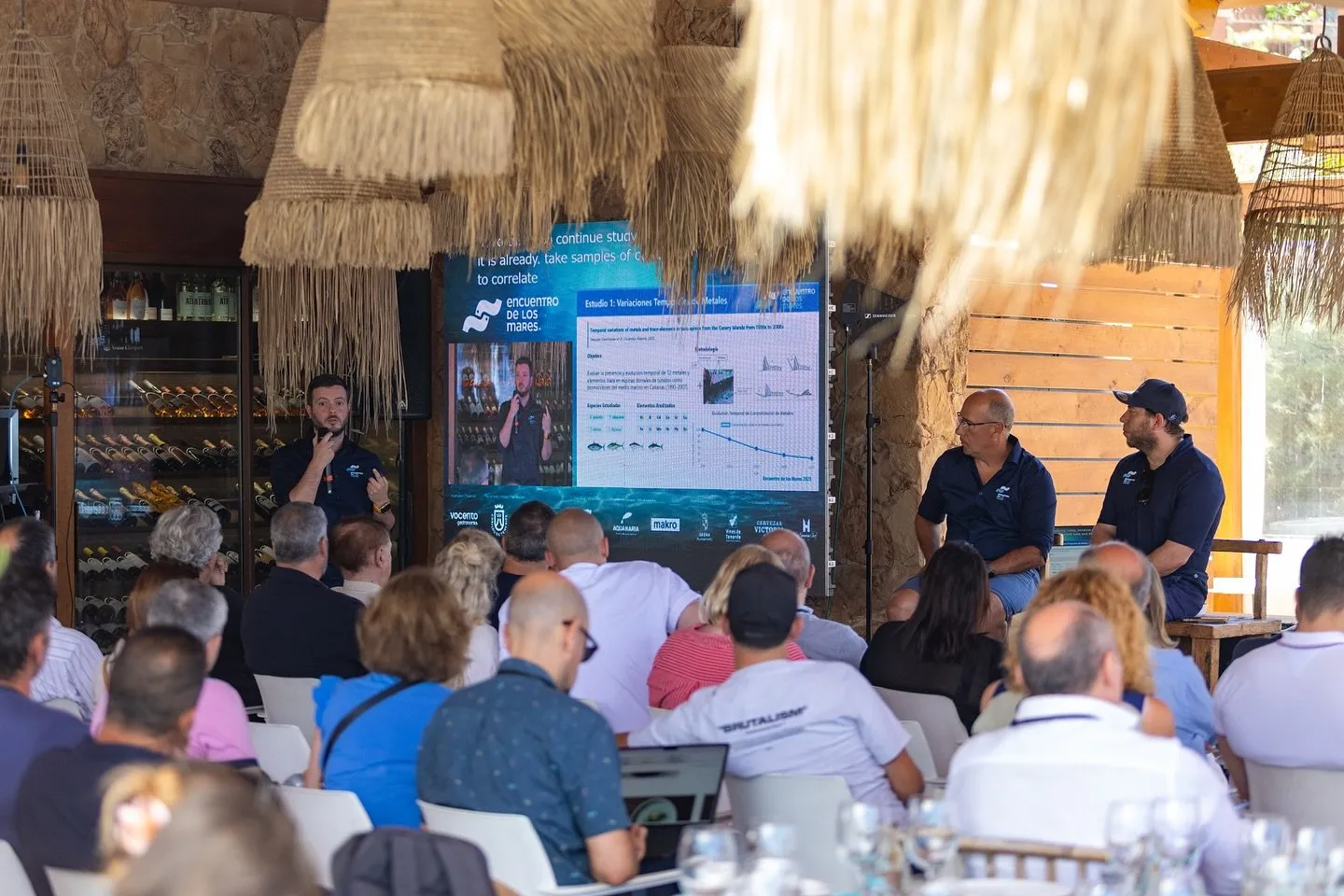
The conversation was built on data, not intentions. The screen showed graphs on the state of tuna stocks and a slide from a study on temporal variations of metals in tuna. This is exactly the kind of material that interests us: when you cook with a species, knowing how its population is doing and what it carries inside is not a scientific flourish — it is part of the criteria you buy with.
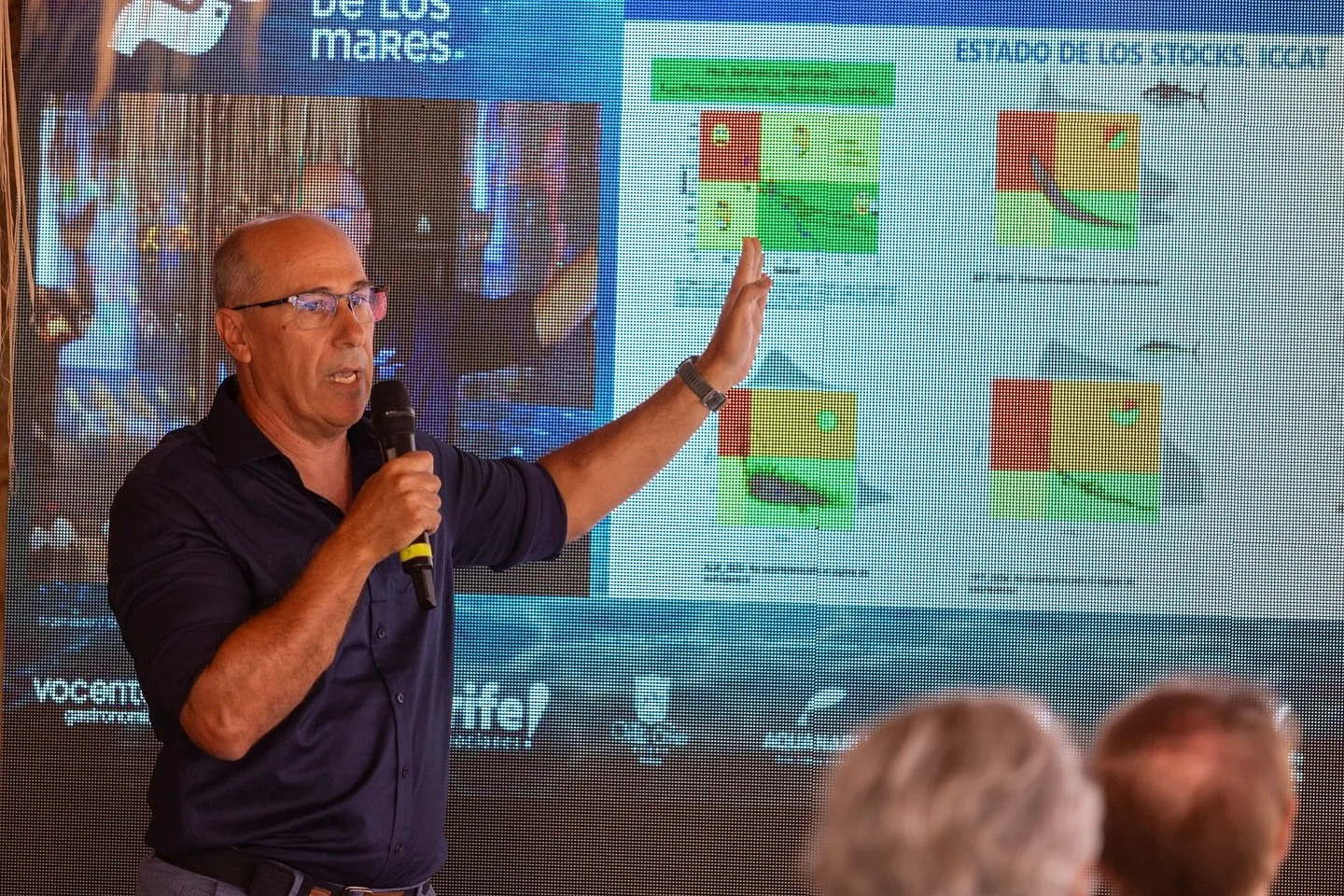
That crossover is exactly what we thanked them for on our way out: “Thank you @encuentrodelosmares for fostering this crossover between research, sustainability and gastronomy”. It is the same road we have been travelling for years with the maturation of fish in Tenerife and, before that, at the VI edition of the congress, when the Hotel Villa Cortés and Taste 1973 were the host venue.
Outside the room: ronqueo, salt and fish without a name
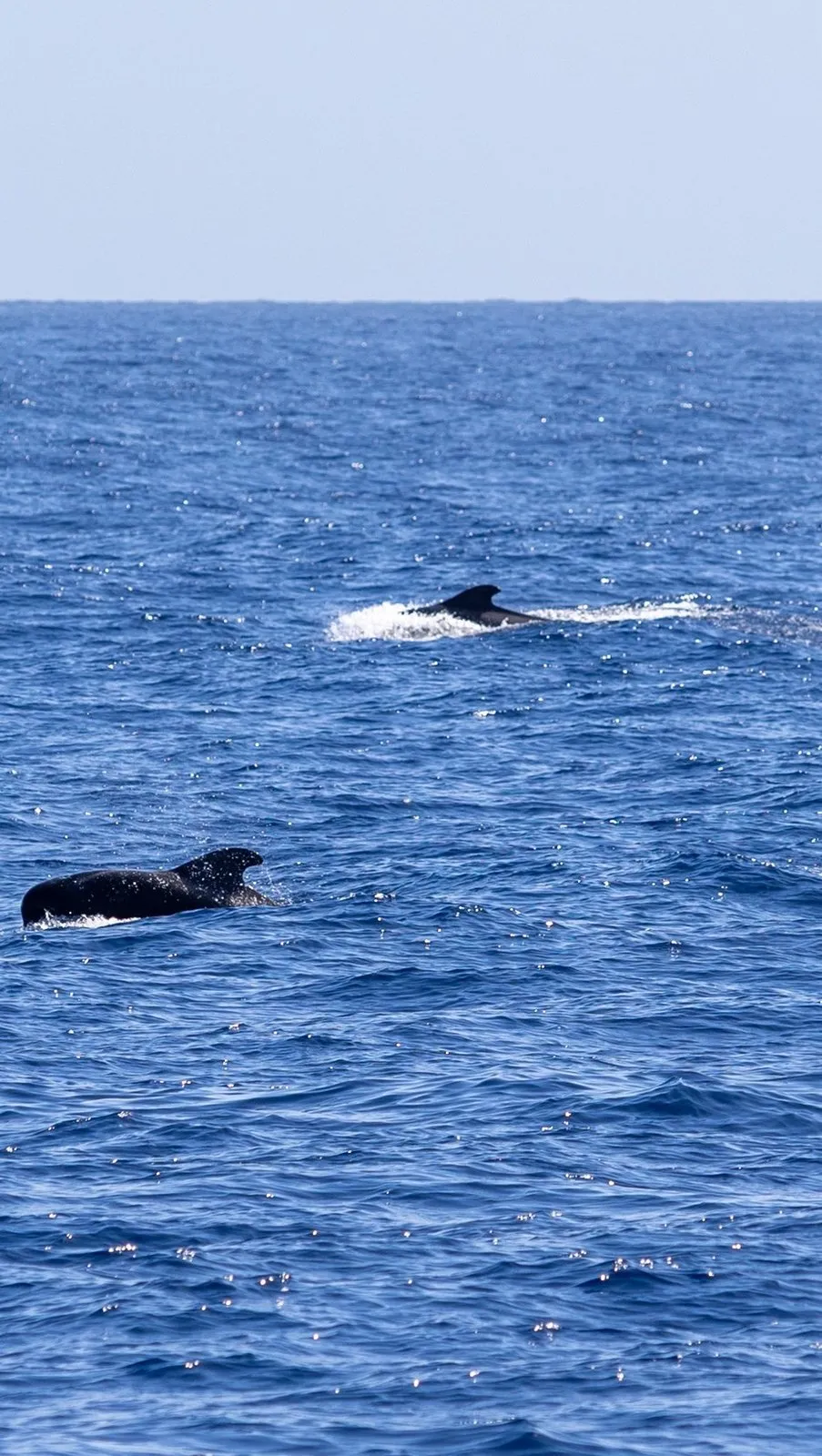
Meanwhile, the congress took over the island. Accounts of the opening place its start on 29 June in the Plaza de la Pescadora in Los Cristianos, with a ronqueo (traditional tuna butchery) of Tenerife tuna led by chef Juan Carlos Clemente and Cabildo marine biologist Agustín Espinosa, and a showcooking session by Ángel León with marine charcuterie made from bluefin tuna, meagre and greater amberjack. On 1 July, according to Diario de Tenerife, León himself announced there that he would move Aponiente to the marsh next to the restaurant to work with his own fish. And on 2 July, after three days of programme, the seventh edition closed with a message that goes straight to our own trade: Atlantic fishermen asked chefs to also work with fish considered “less appealing”, to educate the consumer.
What you don’t see of a congress
On 4 July we published a video summing up those days, and the accompanying text spoke less of talks than of work: “Little is said about the great, hard work behind events of this scale… Intense days, meticulous organisation and a team that gives everything so that every moment flows with the naturalness of the sea.” That same post included thanks to @encuentrodelosmares, to Vocento Gastronomía and to Benjamín Lana “for choosing us again as the official hotel of this exceptional congress”, as well as to the Cabildo de Tenerife, Turismo de Tenerife, the Ayuntamiento de Arona and the Europe Hotels team.
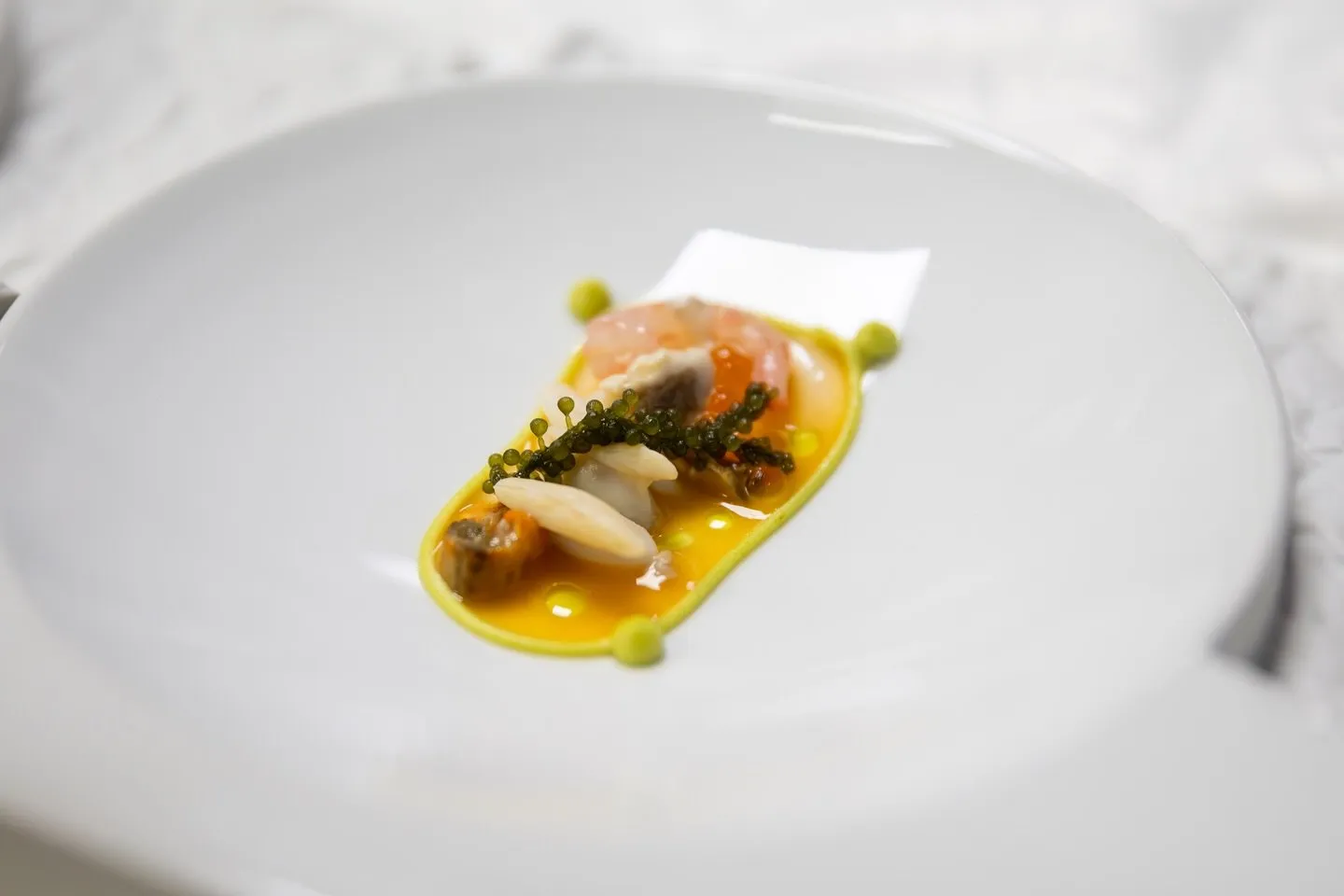
Among other things, the kitchen produced a seafood salad: “A classic reinterpreted with the deep flavour of the Atlantic.” It may look like a minor touch next to the stock maps, but it’s where all of this ends up. A congress exists so that science reaches the à la carte menu, and the menu is the only thing the diner takes away with them. That is the part of Canarian gastronomy that falls to us to sustain.
We covered it on our own accounts: the table on tuna and the summary of the days. The report on the congress’s closing can be read on Turismo de Tenerife’s corporate blog: Atlantic fishermen ask chefs to also work with fish considered less appealing, to educate the consumer.
The X Feria del Pescado in Los Cristianos: Seafaring Tradition and Gastronomic Delight