Chef Diego Schattenhofer's Multidisciplinary Scientific Gastronomy Glossary
Professional kitchen glossary created, managed and curated by Chef Diego Schattenhofer's kitchen team.

Culinary Gastronomy Glossary
Letters
Tags
36 terms
Acidification
Acidification is an essential culinary and preservation method that plays a fundamental role in modern and traditional gastronomy.
Agar-agar
Agar-agar is a natural gelling agent extracted from several species of red algae such as Gelidium, Gracilaria and Eucheuma.
Aguardiente
The definition of aguardiente as a broad category of distilled alcoholic beverages covers an impressive diversity of products around the world, each with unique characteristics that reflect the raw materials available, the production techniques and the…
Al dente
"Al dente" is an Italian expression that translates literally as "to the tooth".
Albumin
Explore albumin's essential role in the kitchen, from improving texture to creating unique sensory experiences.
Alfalfa
Alfalfa, known scientifically as Medicago sativa, is a leguminous plant widely used in both animal feed and human food.
Allicin
Allicin is an organosulfur compound that forms when raw garlic is crushed or chopped.
Amino acids
Amino acids are organic compounds that combine to form proteins, essential for the function and structure of living cells.
Amylase
Amylase, an enzyme fundamental to the digestion and culinary processing of carbohydrates, plays a critical role in both human nutrition and gastronomy.
Antioxidants
Antioxidants are molecules capable of preventing or slowing down the oxidation of other molecules.
Aperitivo
The aperitivo, a tradition deeply rooted in many cultures, acts as an introduction to the culinary experience, preparing the palate and the digestive system for the main meal.
Aromatics
In a culinary context, the aromatic dimension refers to the sensory qualities of food that awaken the sense of smell and add depth and complexity to flavour.
Aspic
Aspic is a savoury gelatine made with meat or fish stock, clarified and set through the prolonged cooking of collagen-rich bones.
Baifo
Baifo is the Canarianism the islands use for the young of the goat, the animal that general Spanish calls cabrito.
Canarian goat
"Canarian goat" is not, today, the name of a breed in Spain's Official Catalogue of Livestock Breeds: the catalogue lists Majorera, Palmera and Tinerfeña.
Designation of origin, protected (PDO)
A protected designation of origin is a European name that identifies a food born of a specific place, with all its stages carried out there.
Esferificación (spherification)
Spherification encloses a liquid in a thin skin of alginate gelled with calcium, so that the sphere bursts in the mouth.
Fermentation
Fermentation is the microbial transformation of a food: lactic in milk, alcoholic in must and acetic when wine turns to vinegar.
Gofio
Canarian gofio is the flour obtained on the islands by milling toasted cereals, with or without sea salt, covered by a PGI.
Hydrocolloids
Hydrocolloids are polysaccharides that, dispersed in water, thicken or gel a food: agar, xanthan, gellan, carrageenan and pectin.
Indication, geographical, protected (PGI)
A protected geographical indication is a European name that identifies a product from a specific place when at least one of its stages takes place there.
Jamón ibérico
Iberico ham is the cured hind leg of the Iberian pig, with a sales denomination that obliges the label to state the feeding, the breed and the seal.
Kombu
Kombu is the brown seaweed Saccharina japonica, dried or rehydrated, from which dashi is made and from which glutamate took the name umami.
Lapas (Canarian limpets)
Limpets are molluscs of the genus Patella clinging to the rock; in the Canary Islands some are gathered subject to a size limit and a closed season, and the majorera cannot be taken.
Majorera goat
The Majorera goat is the native goat breed of Fuerteventura that the Official Catalogue has recognised since 2003, and the dairy base of Majorero cheese.
Majorero cheese
Majorero cheese is a pressed-paste cheese with a protected designation of origin, made on Fuerteventura with milk from goats of the Majorera breed.
Meat ageing
Meat ageing is the cold rest that lets the muscle's enzymes work, in the air of a chamber or under vacuum in its own juice.
Nitrogen, liquid
Liquid nitrogen is nitrogen in its liquid state, which at one atmosphere boils at around −196 °C and freezes whatever it touches on contact.
Non-essential amino acids
Non-essential amino acids, those our body can synthesise by itself, play crucial roles both in our health and in the culinary world.
Omega-3 fatty acids
Omega-3 fatty acids are a type of essential polyunsaturated fat, meaning the human body cannot produce them on its own and they must be obtained through the diet.
Omega-6 fatty acids
Omega-6 fatty acids are a type of essential polyunsaturated fat, meaning the body cannot produce them and they must be obtained through the diet.
Pollack
Pollack is a fish highly prized in cooking for its versatility and mild flavour.
Sensory appreciation
Sensory appreciation in gastronomy is a fascinating field that delves into how our senses interact with food, turning every bite into a unique experience.
Water activity (a_w)
Water activity (a_w) is a crucial concept in food science that refers to the amount of free water available to take part in chemical reactions and microbial growth in food.
Xanthan gum
Xanthan gum is a natural polysaccharide used as a thickening and stabilising agent in food.
 — view the full-size photo
 — view the full-size photo
 — view the full-size photo
 — view the full-size photo
 — view the full-size photo
 — view the full-size photo
 — view the full-size photo
 — view the full-size photo
 — view the full-size photo
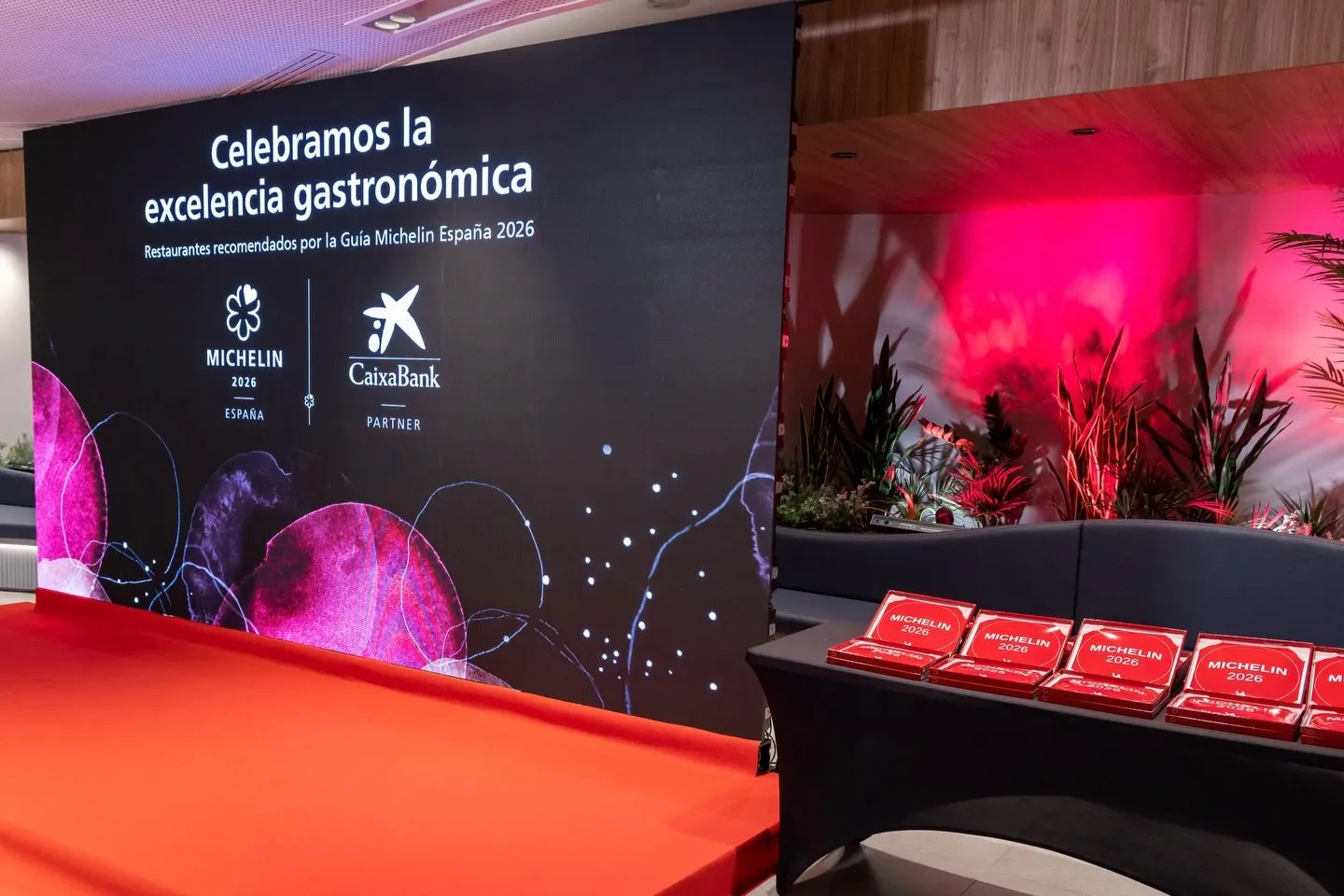 — view the full-size photo
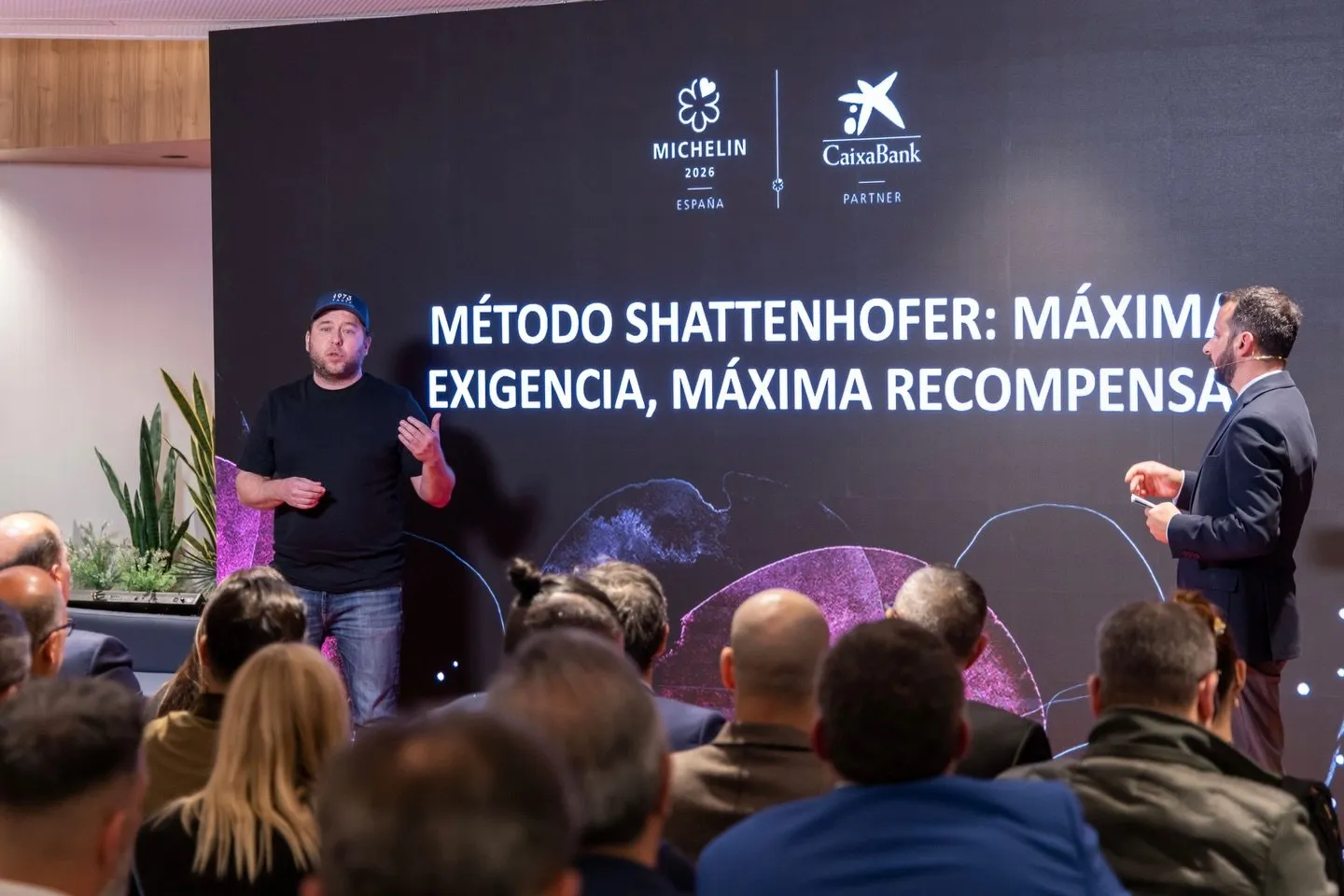
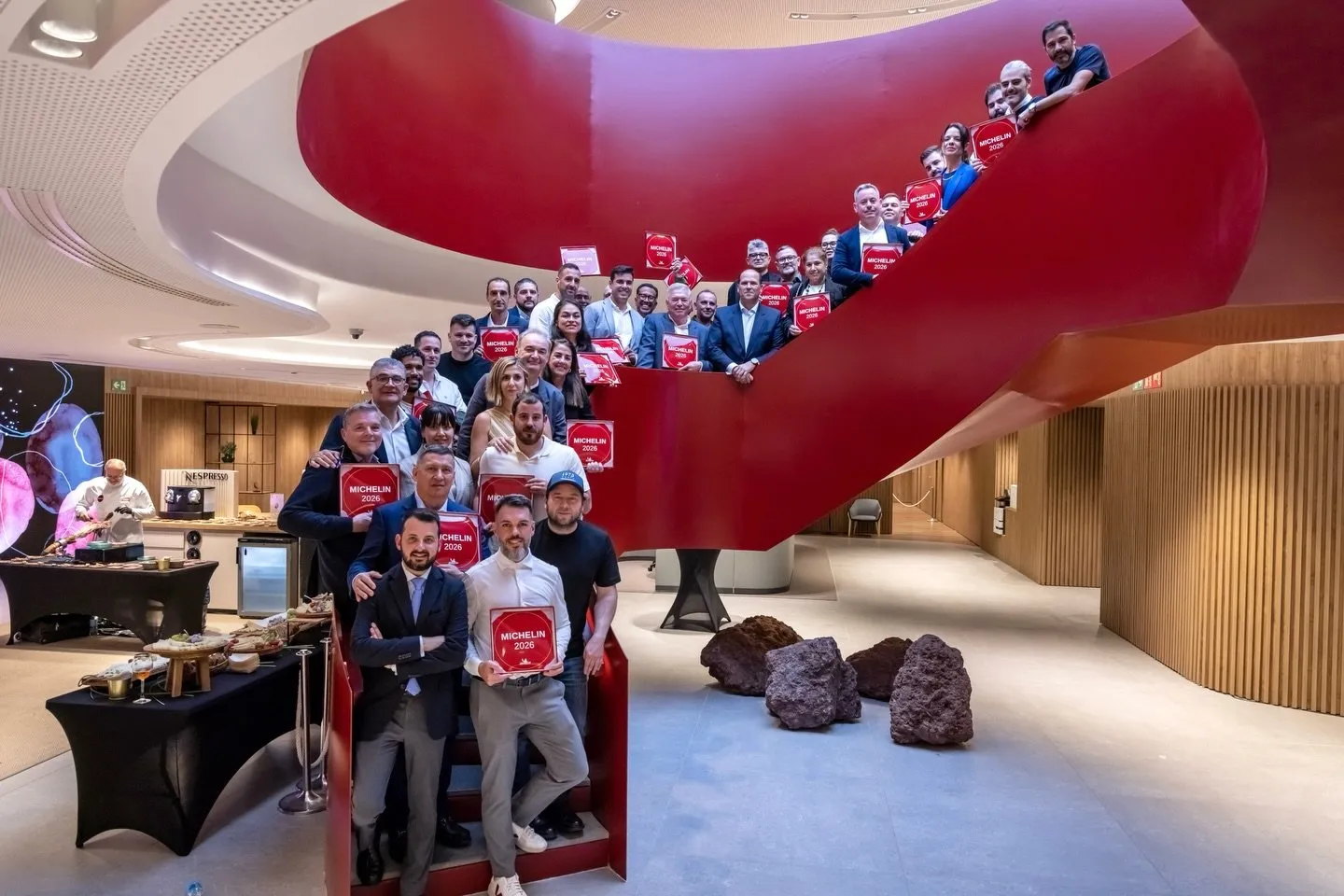
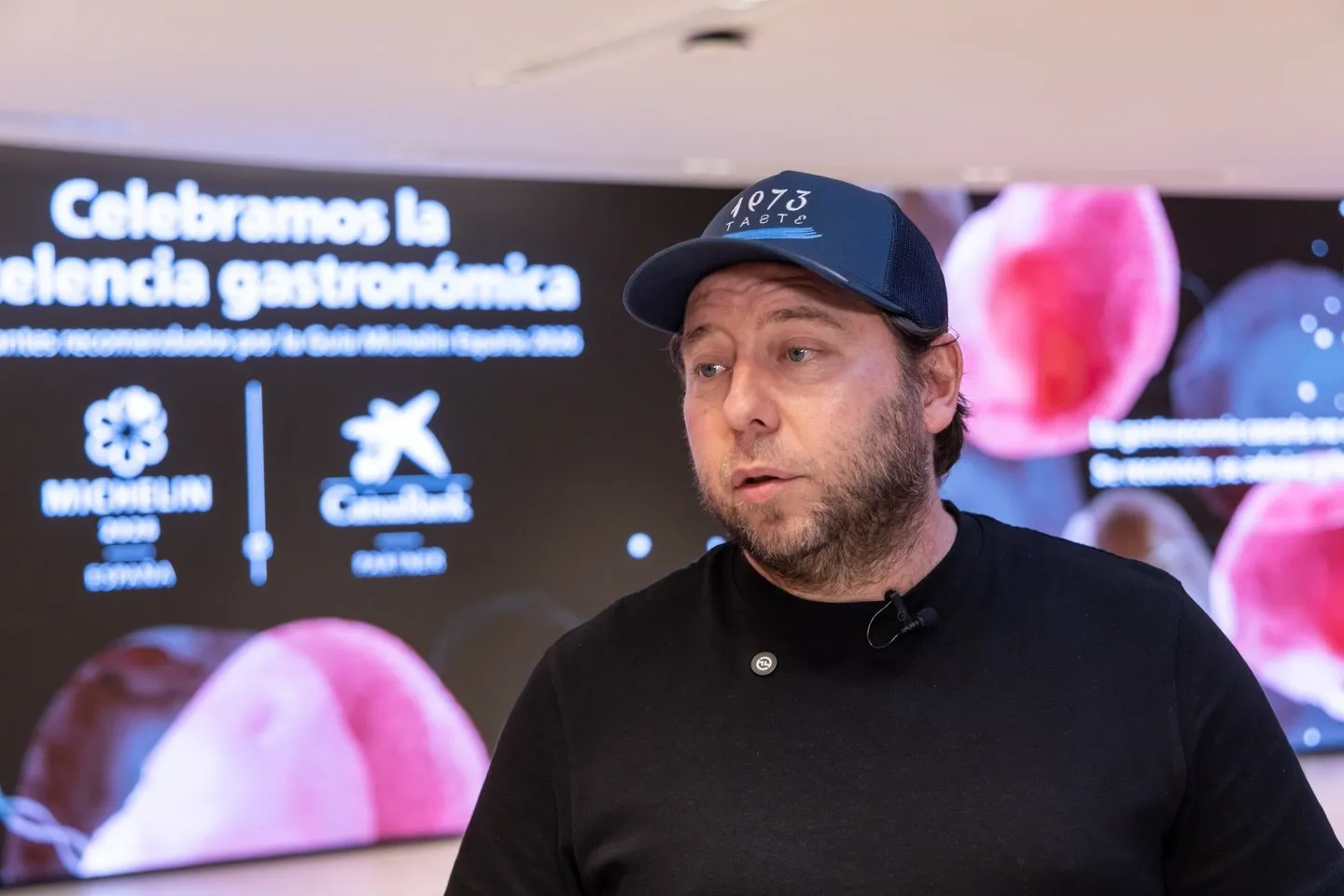
Diego Schattenhofer at the presentation of the Michelin Canarias 2026 plaques with CaixaBank (10 February 2026), where he gave his talk "Método Schattenhofer: máxima exigencia, máxima recompensa". Photos: Instagram @1973taste.restaurant. Read the story.